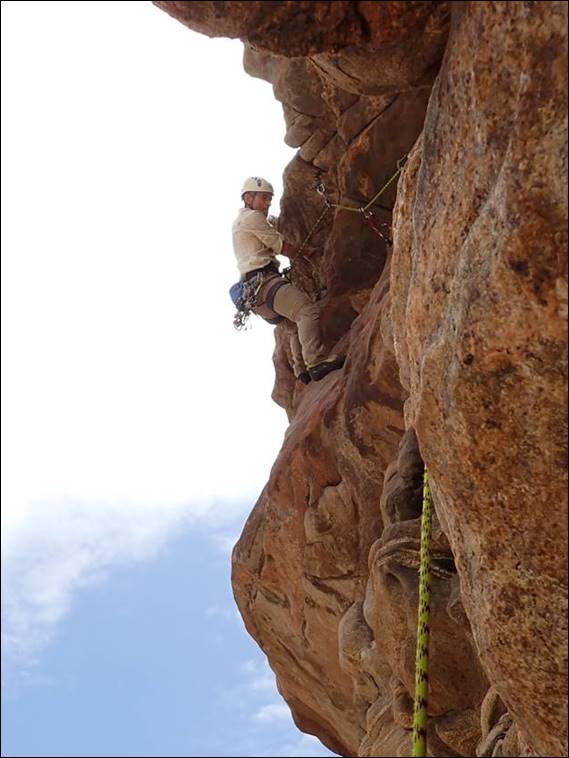
Four years on, and still waiting

It has been a heavy lifting week in the shed with Lisa.  As part of the wonder of Apps, which fuels our desire for numbers and information, she keeps track of her progress in quite some detail.  Both for individual exercises and overall session statistics.  Can’t say I’ve been dragged into that world, and hopefully will steer clear of it.  Quite simply it is not my bag, but I can see how it helps keep Lisa motivated.  She loves it.  Our first session was all about legs and core.  Full of delightful plank exercises, amongst others, that resulted in tree trunk legs:

Plus making our stomachs feel like we had done a hundred sit-ups, even though we hadn’t done one.  The next session that I joined her for was upper body, more of a free weights thing.  Lisa was pretty chuffed when we finished stating that all up we had both lifted over three tonnes.  I only partake in two session a week, whereas she gets in the shed four times and is going in right now as I type this.  As I said she’s a bit of a machine.  My body is starting to get used to this types of exercise, so I recovered from the first session pretty quickly:

However, the second shed workout crept up on me over a few days.  My biceps and triceps complained more and more.  Hair of the dog could be suggested for such a situation.  Yet another quirky English expression, and one mostly related to having a drink in the morning when your head is thumping after a big session the night before.  Not something the medical profession advocates, but I’ve read that the expression originated from a medical situation.  And comes from a method applied to avoid catching rabies, after being bitten by a rabid dog:

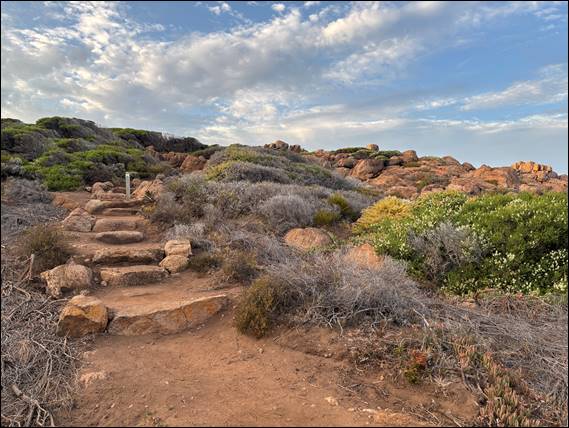
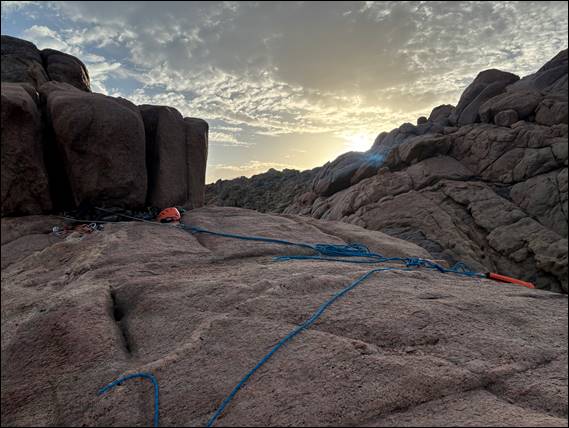
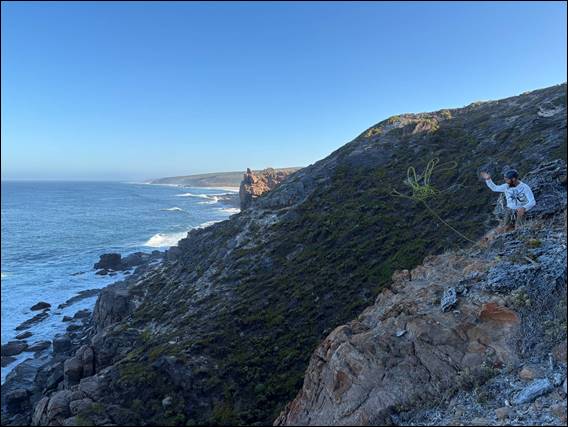
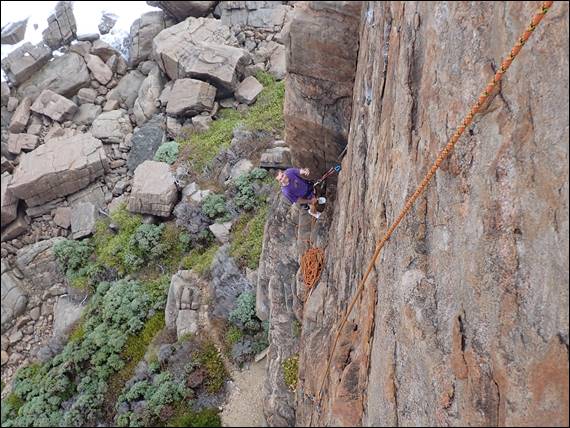
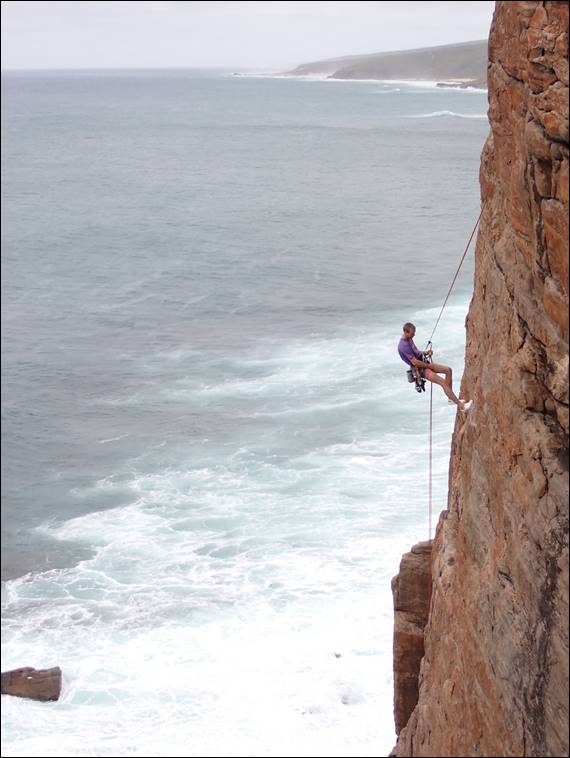
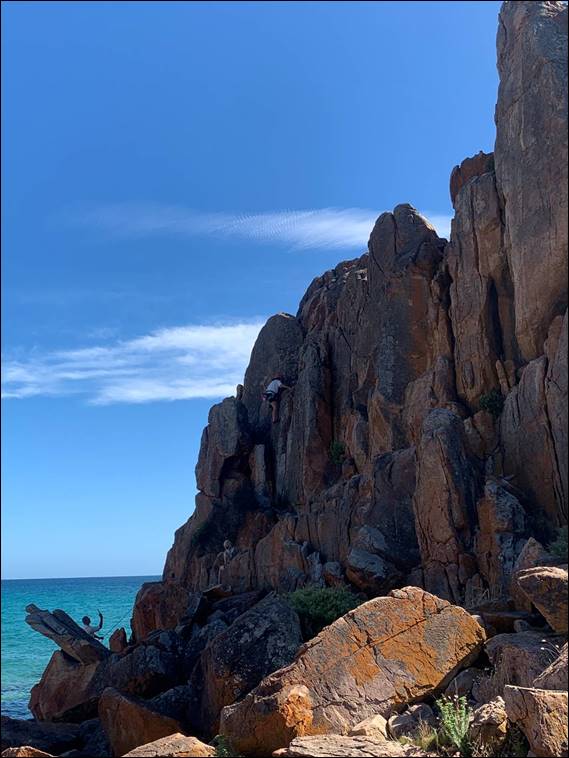
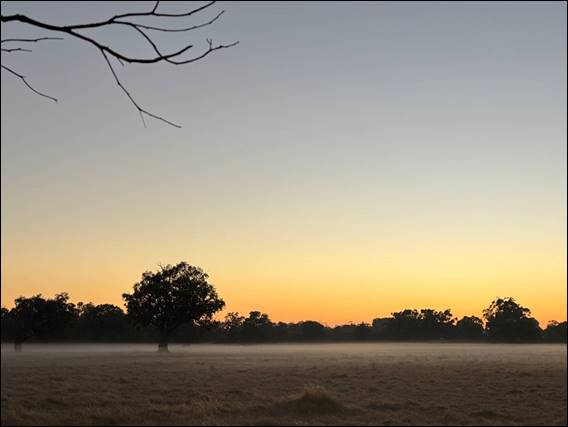
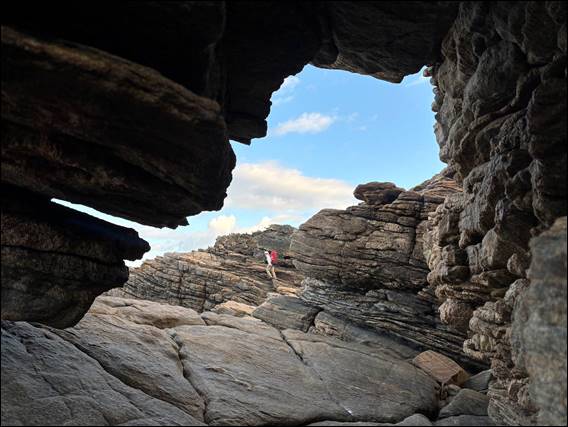
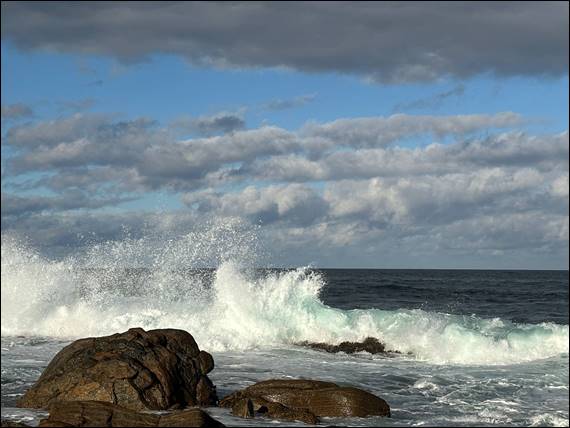
Supposedly, hair from the dog that bit you was placed in the wound.  This medical miracle cure dates back to medieval Europe.  Not surprisingly, and just like the usual modern day application of this phrase, it didn’t work.  Not put off with such thoughts of whether it was a good idea or not to climb, and with a slim window of opportunity, I headed out early.  I had a plan in my head of which lines I would hit, but was also keen just to watch the world wake up.  The images show it was, as mornings so often are, a great time to be up and out:
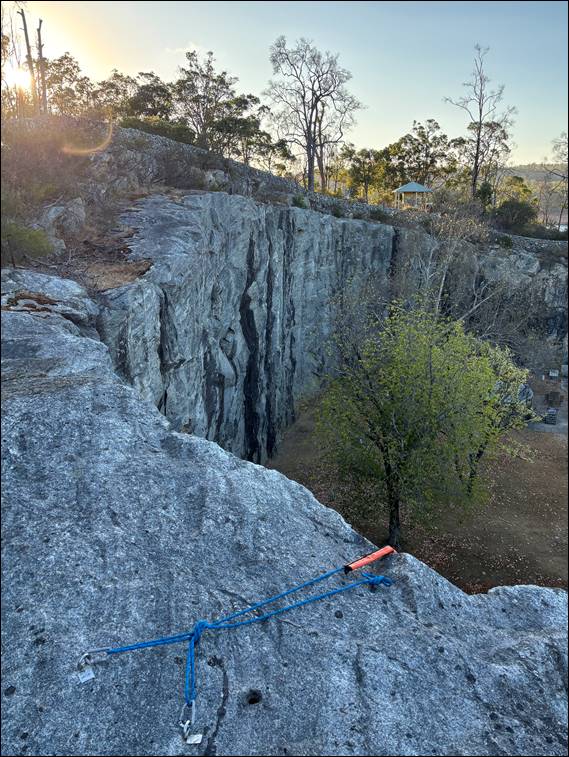
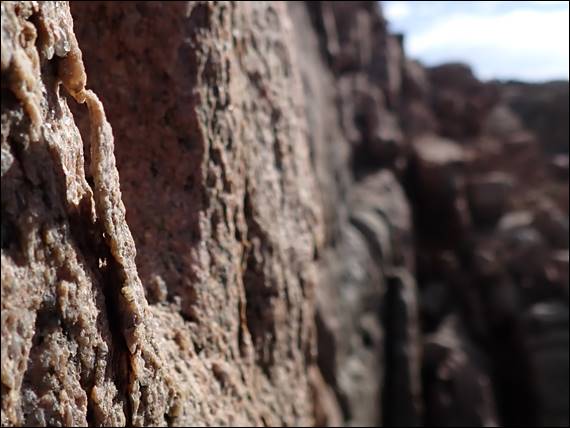
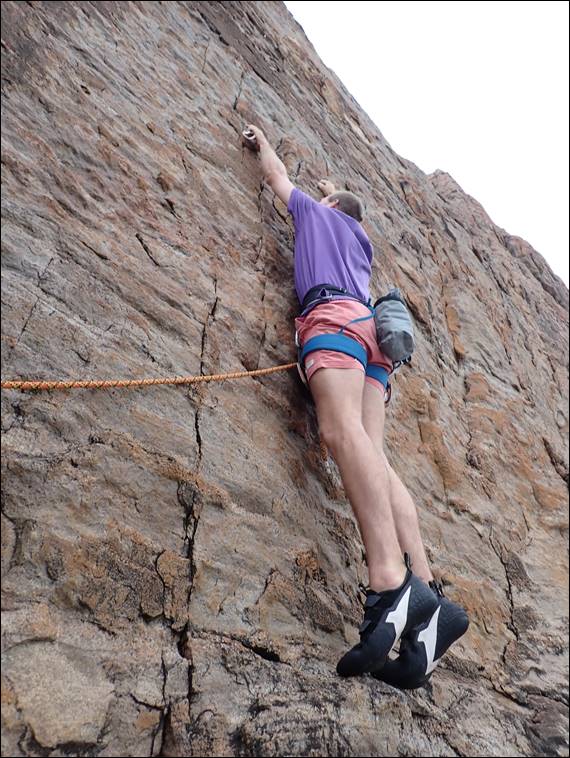
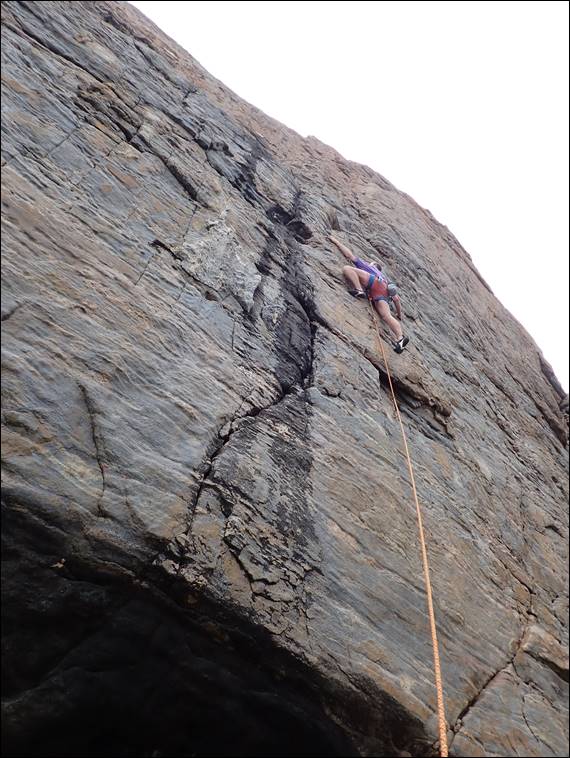
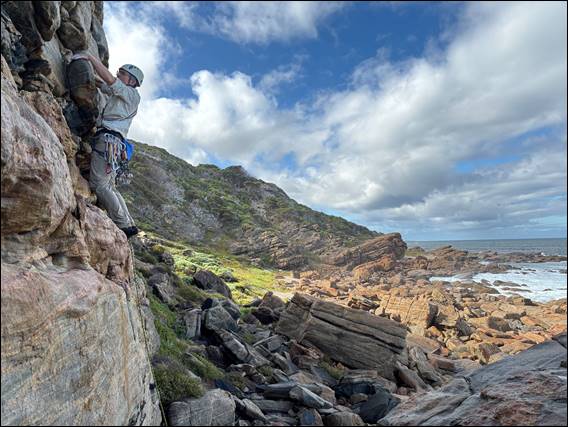
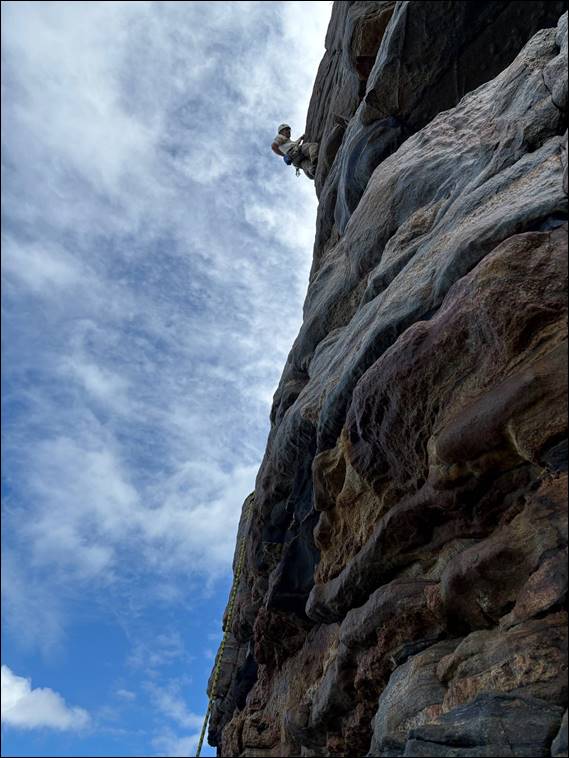
I didn’t hang about too much, and the first line was gobbled up in no time.  I had to start on that route, as yet again it has come under the microscope as to how much of a sandbag it may be.  I knew the answer before I jumped on it today.  The description Adrian gave for the crux sequence he used included eight tricky moves on mostly marginal holds.  Compared to how I, and many others, climb it in three not too hard moves all on good holds.  It all came down to reading the rock, which can be hard here, and he definitely misread it on his first encounter:

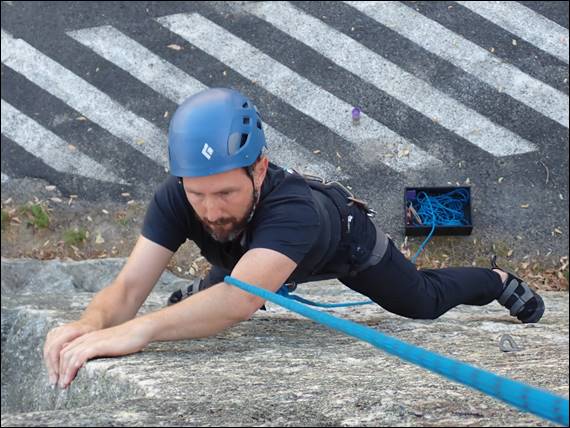
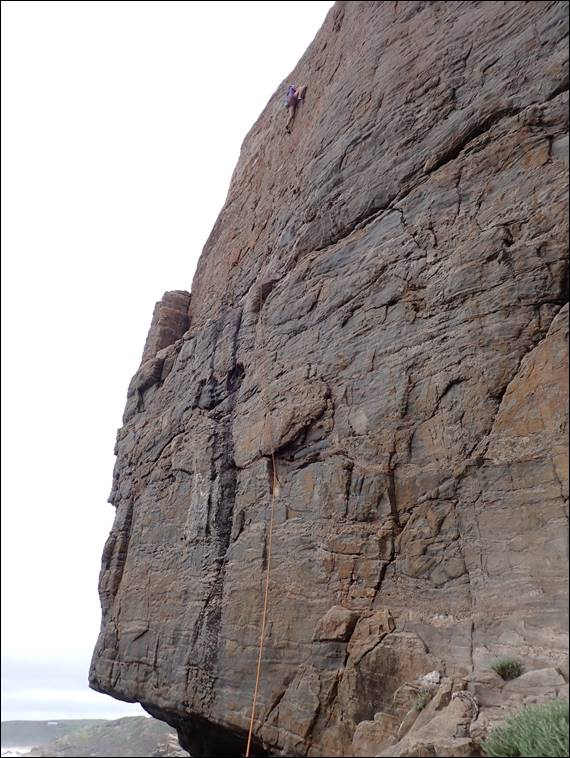
My next line however felt really tough.  I knew it was more technical, sustained, and overall pumpy.  The hair of the dog trick wasn’t playing game on this route, or had I bitten off more than I could chew.  On occasion I found myself doing what I tell others not too, slapping for holds.  Unable to physically or mentally control myself to work out another way, even though I knew the route so well.  Fortune was on my side and somehow I managed the self-imposed requirement of two ascents, clean.  After which I felt it was time for a change of tact:

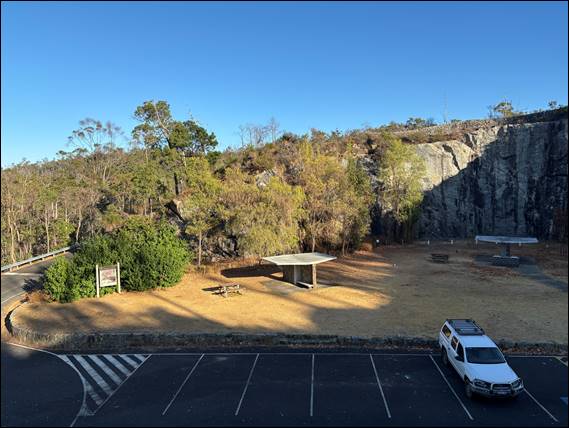
Abandoning my original plan, as I would have ended up climbing like cabbage.  Spending more time hanging in the rope than on the rock.  While I have drifted a long way from my British climbing ethics of traditional climbing with ground up ascents, I still do not enjoy floundering about working routes.  Wanting to enjoy being out, I picked lines hard enough to make me work, but not so much that I wouldn’t be having fun.  Also allowing me to be far more productive than the works on the bridge at the base of the dam, which used to be the way I would drive in.  No works have started despite the bridge being closed for nearly four years:

That’s a big baby

I can’t complain with the flurry of people that have been keen to get out over the last few months.  This weekend however, I didn’t get so much as a nibble when I dangled the bait of touching rock to our group.  This of course didn’t stop me, and I had every intention of walking in at first light.  For several reasons it didn’t transpire.  Maybe it was the workouts, when I joined Lisa for a couple of shed sessions this week, with the aim of building a bit more all-round fitness.  She is a bit of a machine with the weights, not that she would admit it:

Or it could be the extra hours I’ve packed in at work this week.  While I’m a desk jockey, I’m not great at taking breaks.  Toxic by-products can enter the brain when you concentrate for extended periods, resulting in mental fatigue.  Or maybe it was the later than usual evening and one beer I had last night, which is a pretty rare occurrence.  Regardless of the cause, before I had even left the house I missed first light, and only saw glimpses of the sunrise as I was driving.  Wanting to pay more attention to the road and possible kangaroos:

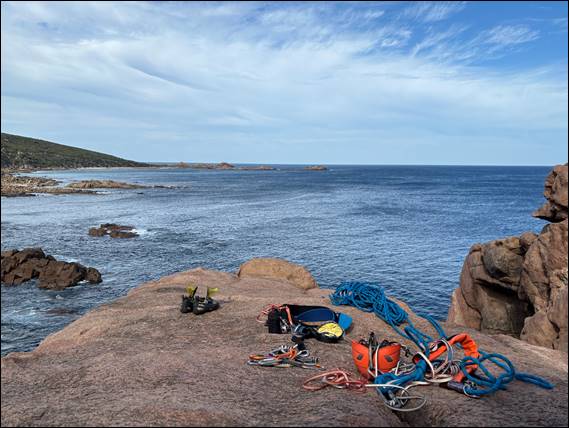
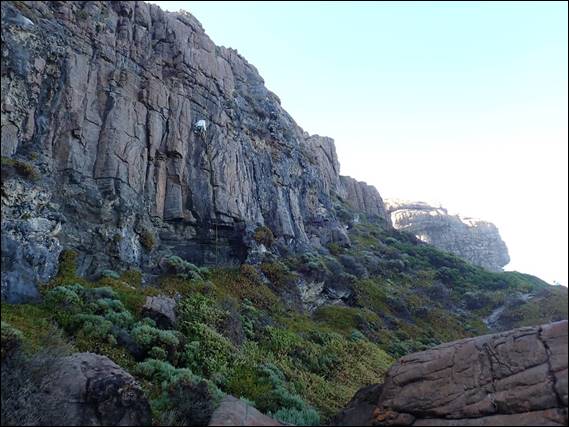
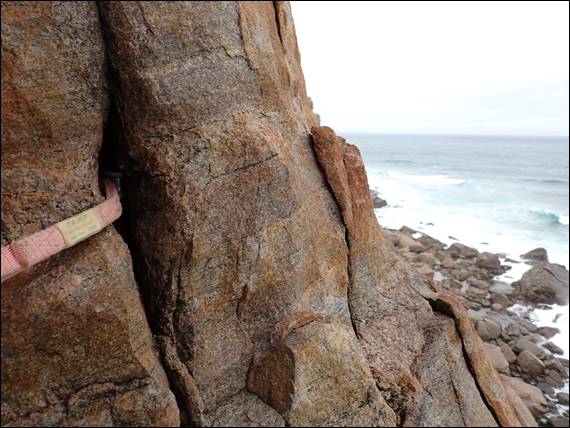
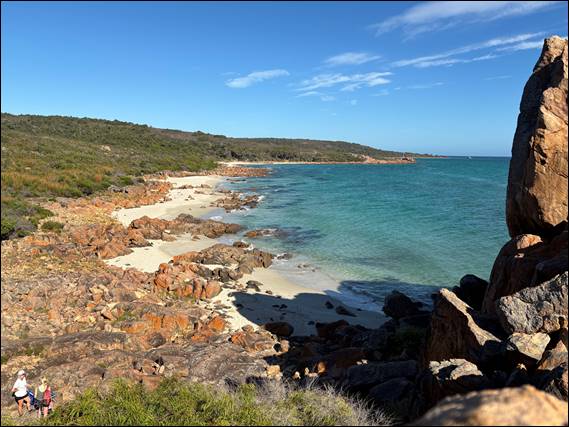
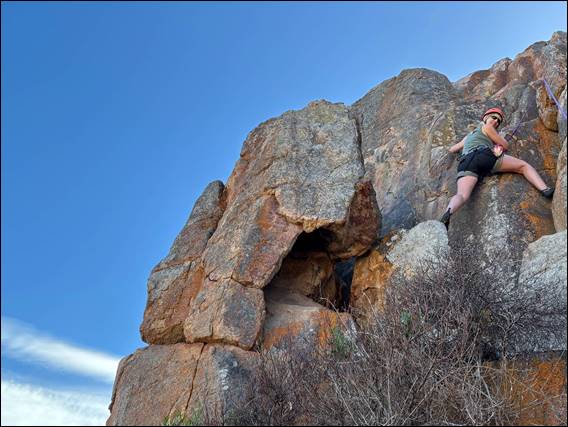
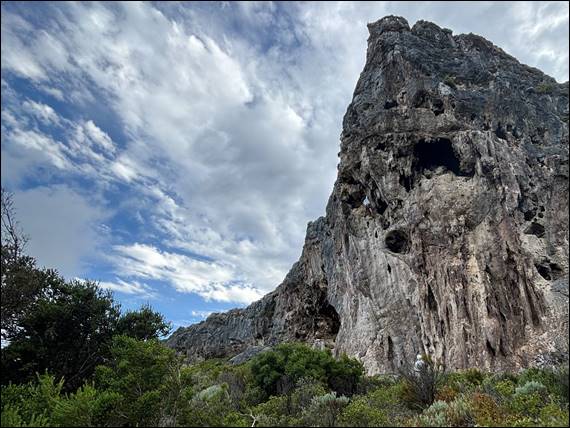
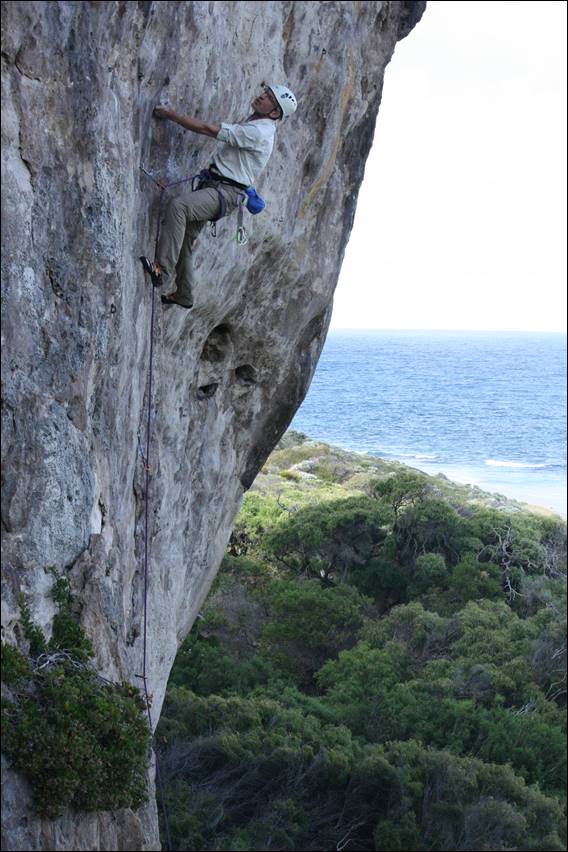
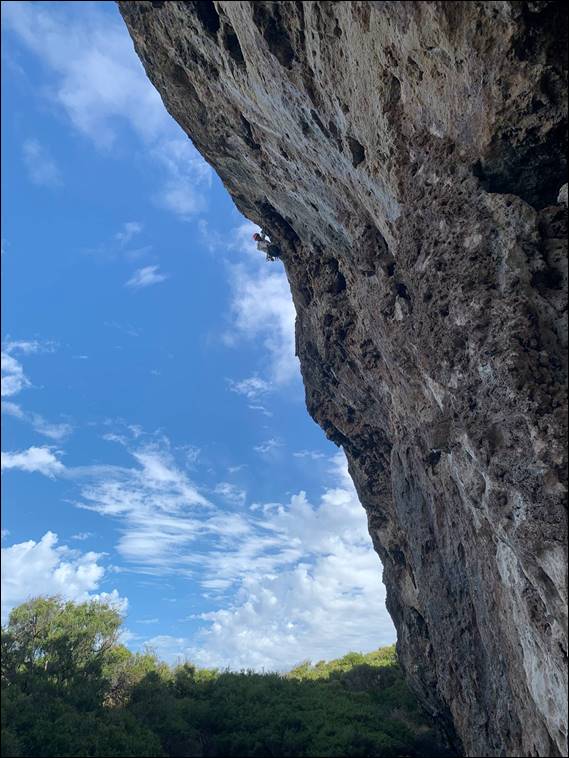
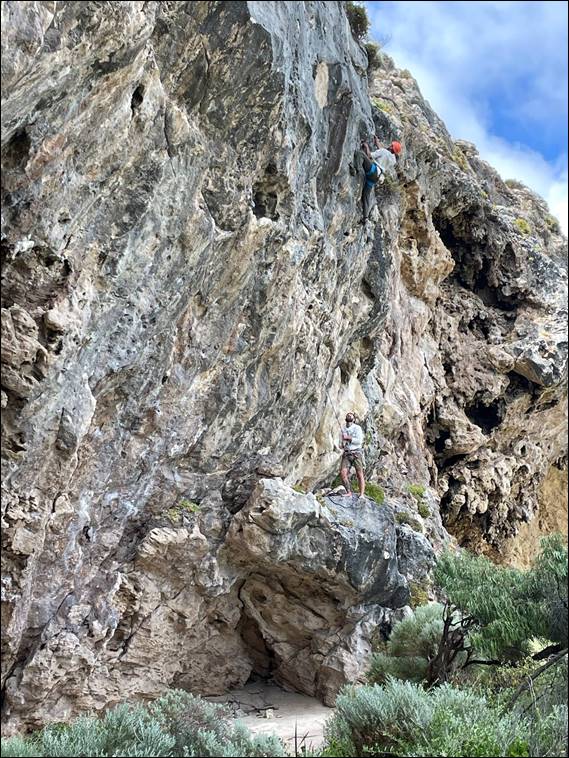
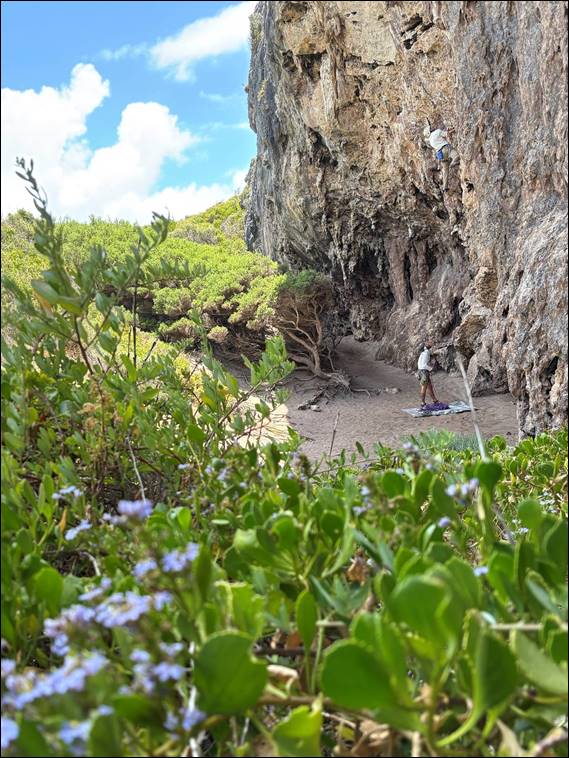
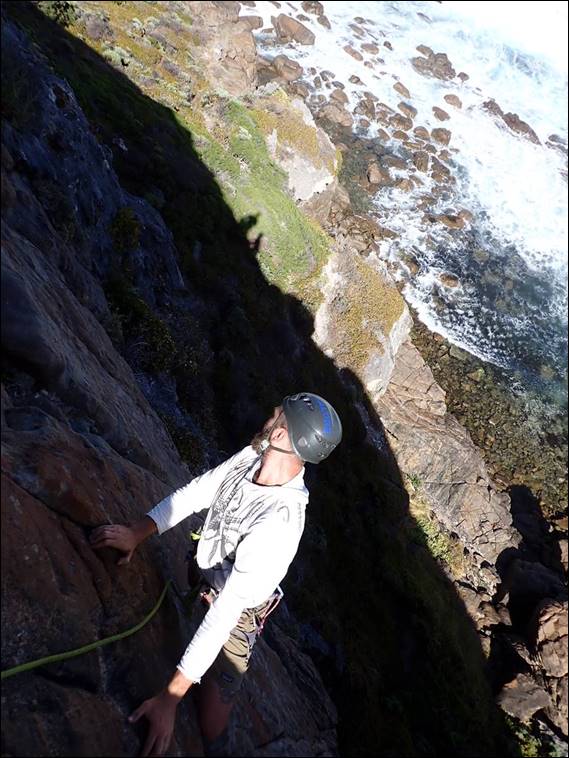
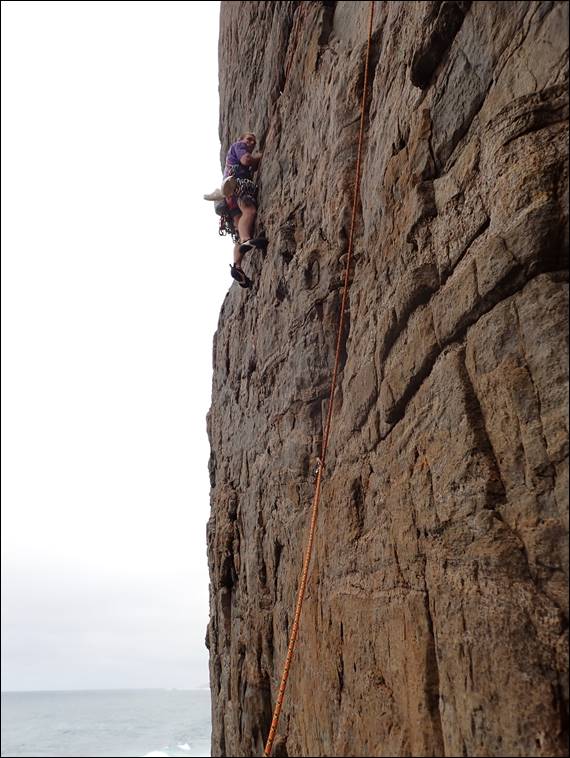
This meant that by the time I had set up the anchors and got myself sorted for the first line, the sun was already starting to creep down the face I intended to climb on at Smiths Beach.  While it was already 20 degrees, the intensity from the direct sun was fortunately reduced by the thin and broken cloud cover.  It was clear no one had climbed here for a while, which is no great surprise.  The climbing is on a granitic gneiss headland, the surface of which has a tendency to become a little flaky especially over summer:

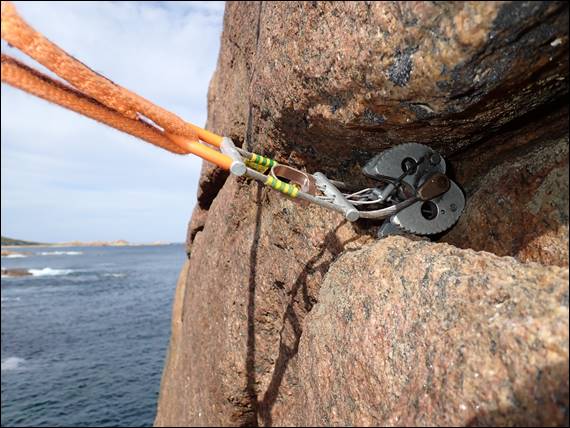
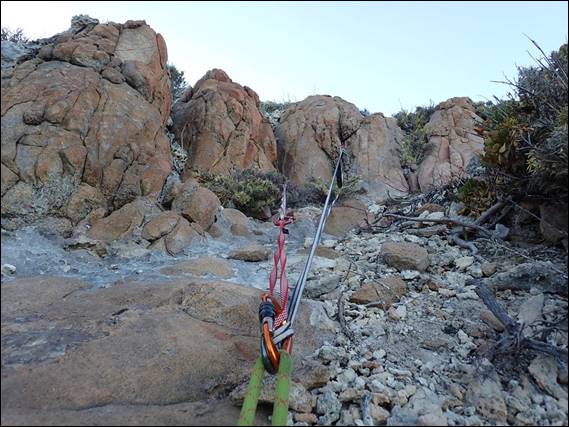
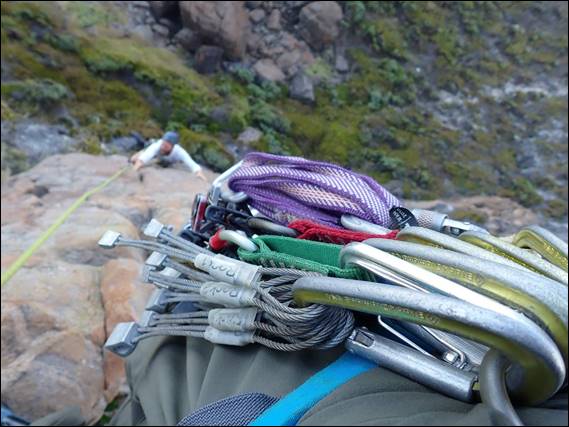
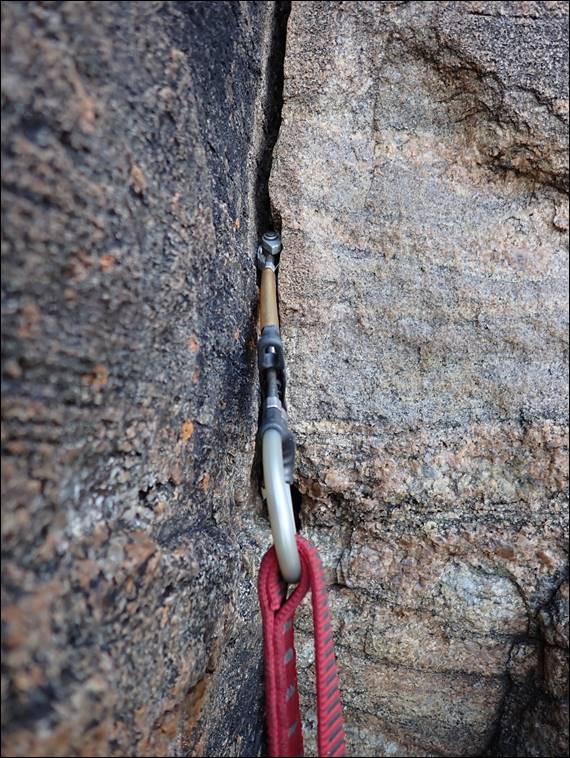
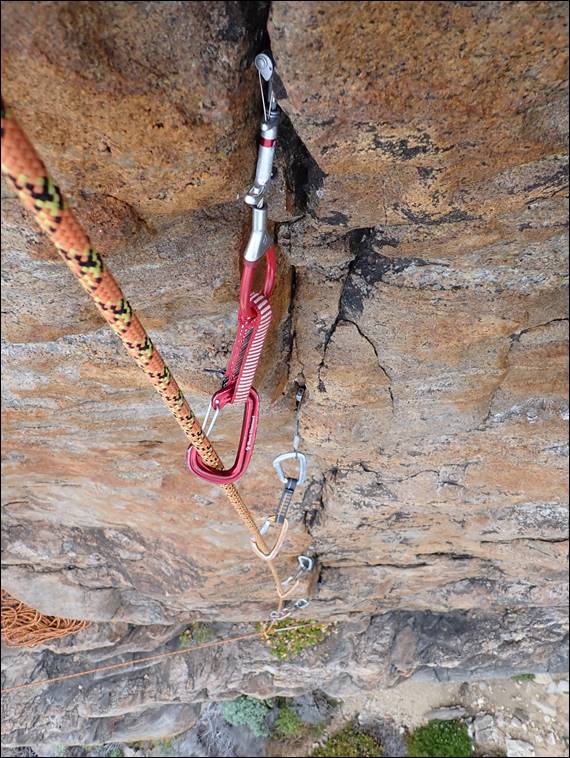
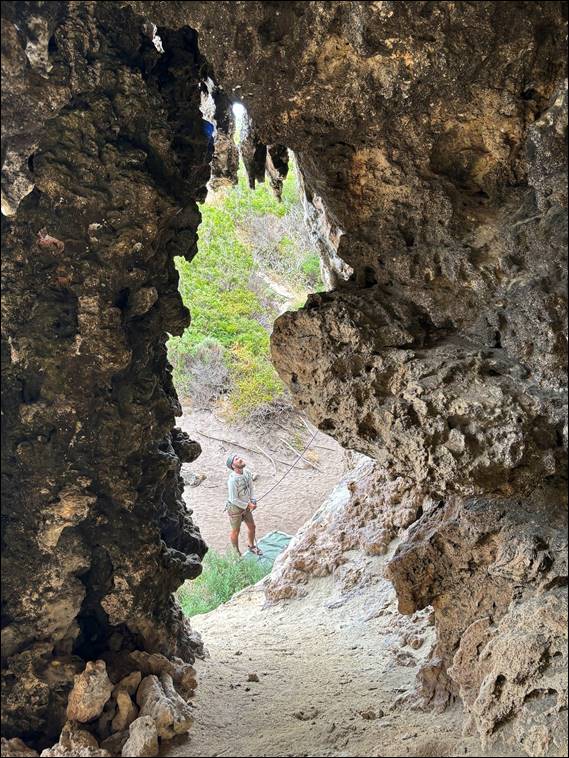
This can make the climbing that bit more nervous, adding to the already insecure feeling many of the climbs have here.  That maybe why so few people venture to this place.  Today the first couple of lines felt way harder than the grades I had given them, a decade and a half back.  It may not have helped my cause when on the first lap of the first line a hold blew, sending me flying.  But not as far as I might have gone.  Many of the climbs take a slightly diagonal line.  So to avoid taking a big pendulum swing, if I slipped, I had placed a number of directional pieces:

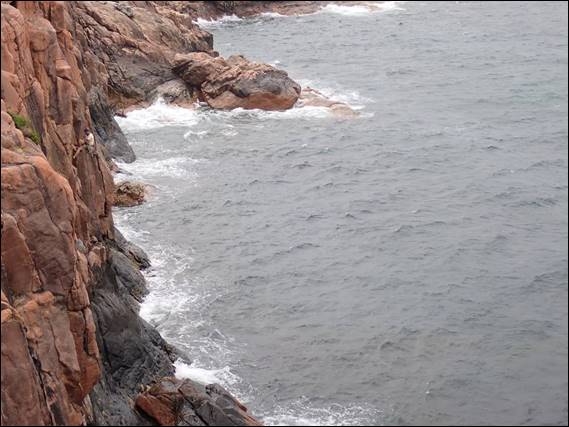
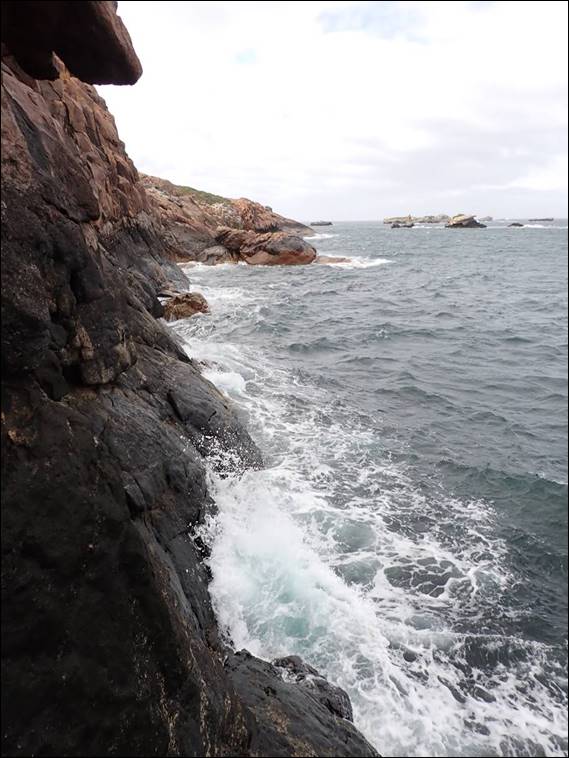
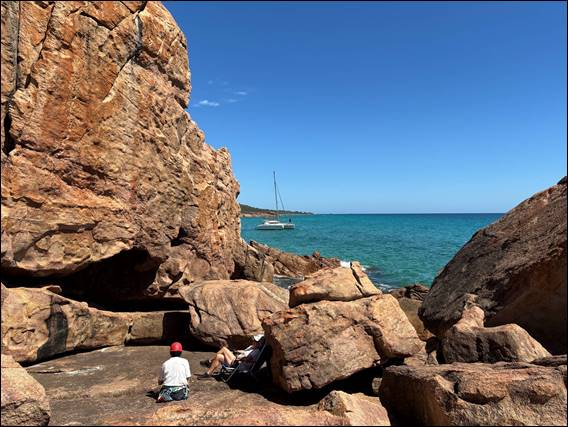
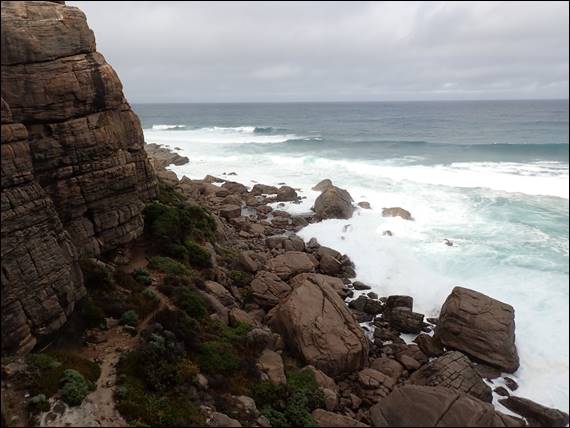
Luckily for me as the temperatures moved into the mid-twenties, I was warming to the climbing style and rock.  And even the slightly stiffer lines I jumped on felt good.  Enjoying myself so much that I continued to climb in the sun, even as the dappling effect of the clouds started to fade.  Two and half hours later I felt like I had packed in enough climbing, plus it was starting to get uncomfortable to be on the rock with the sun on my back.  After packing up I looked back down into the zawn and could make out the rocks under the water:

This was enough to encourage me to drive round to Canal Rocks for a dip in the ocean, and hopefully clearer waters.  Having come prepared I had my wetsuit and weights, but looking at the swell and waves decided an unassisted dip would suffice.  Several scuba divers were getting out of the water when I walked towards the beach by the boat ramp.  They said they hadn’t seen too much and the visibility was okay, but nothing special.  From what they told me it seems that their season in the water has been about as successful as mine has been:

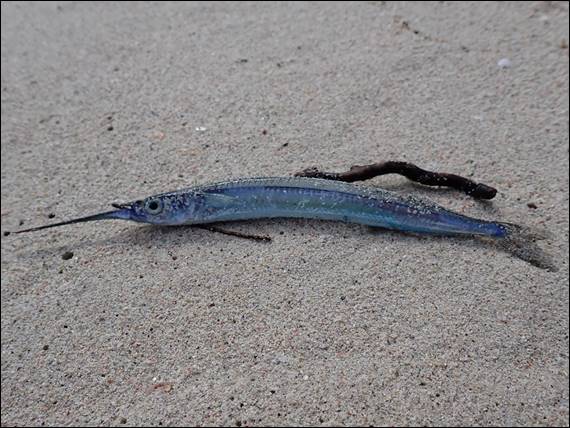
It wasn’t encouraging as I walked round the bay are saw scores of young Southern Garfish (Hyporhamphus melanochir) on the strandline.  The strandline being detritus, debris, and for today dead fish left in a wavy line on the beach after high tide.  When I got in I was greeted by clouds of sand rolling towards me.  Not put off, as the cool water after the hot climb was very welcome, and being rewarded as the water clarity improved with depth.  So much better than at my local beach, but nowhere near as good as it has been here in previous years:
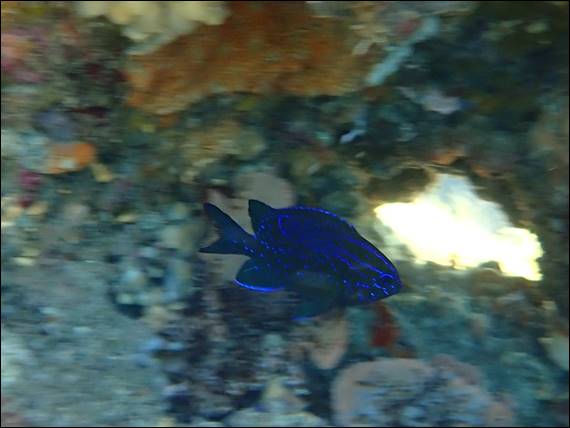
There were heaps of fish, but the imagery for most wasn’t great.  The residual clouds in the sky and slightly cloudy waters wasn’t allowing enough light in.  But I couldn’t resist the above image of a young McCulloch’s Scalyfin (Parma mccullochi).  The iridescent blue patterning was stunning.  Lot of adults were also about.  Acting quite aggressive as they defended their territory.  One of their behaviours is to thrash their tail, which makes a clacking noise and sends a pulse of water towards whatever they are trying to scare off:

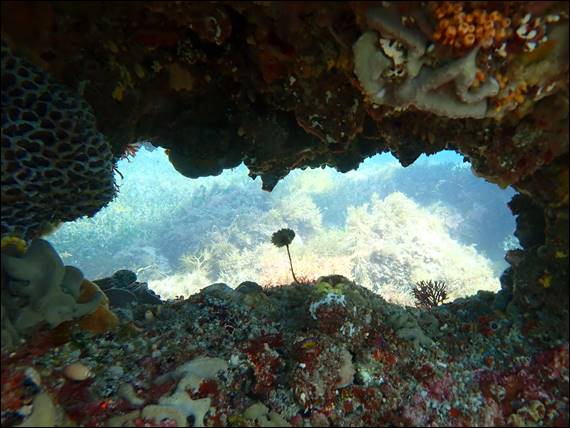
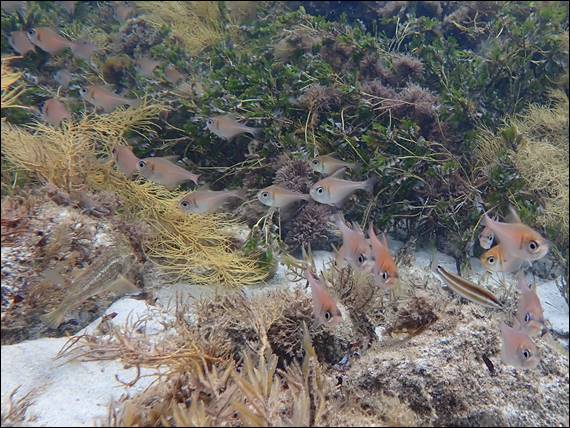
Below I came across a school of young Rough Bullseye (Pempheris klunzingeri), I can’t recall seeing these in the open water before.  Having struggled to get any decent images when I have found them huddled in caves and under ledges, and they then move deeper into the darker recesses when I’ve approached.  Today they let me come right up to them.  The image also includes a juvenile Western King Wrasse (Coris auricularis), with horizontal brown and white stripes, and a young Snakeskin Wrasse (Eupetrichthys angustipes) in the bottom left:

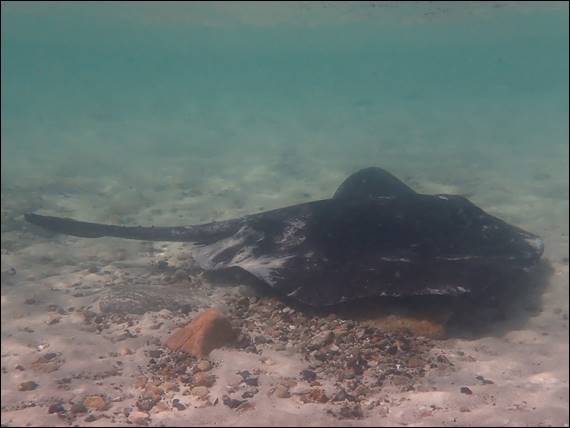
Due to the swell it was a bit of a drift tour, and when I finally got pushed from my entry point to the beach by the boat ramp a big dark shape appeared.  A Smooth Stingray (Bathytoshia brevicaudata), with a disc measurement a tad over a metre it was still a young one.  They can reach a disc measurement of 2.1m and total length of 4.3m, weighing a whooping 350kg.  Being aplacental viviparous, meaning the eggs hatch inside the mothers body, giving birth to 6 to 10 live young, which pop out with an incredible disc measurement of 36cm:

Seeing in believing

Last week Josh put the feelers out for a climb.  Sadly he didn’t get a positive response from anyone on our local group, and I was hoping to get in the water on both Saturday and Sunday instead of on rock.  However, after becoming disillusioned by my murky underwater adventures yesterday, I suggested I would be up for a quick Welly Dam visit.  It takes about the same time to get here, as it does to a few coastal areas where the water would be clear.  But somehow it doesn’t feel as worthwhile to drive for an hour, just for an hour in the water:

On arrival I was struck at how the usually green turfed area of Welly Dam was dry, bone dry.  The grass has been allowed to brown off and was crunchy underfoot, a sign that they have not been irrigating the area.  It is the first time I have seen them leave the area to get to this state.  It is a bit of a shame as it used to be the perfect place to throw a blanket on the grass and have a picnic.  Filling up with families during the morning of a day like today, out making use of the BBQs in a very kid friendly environment:

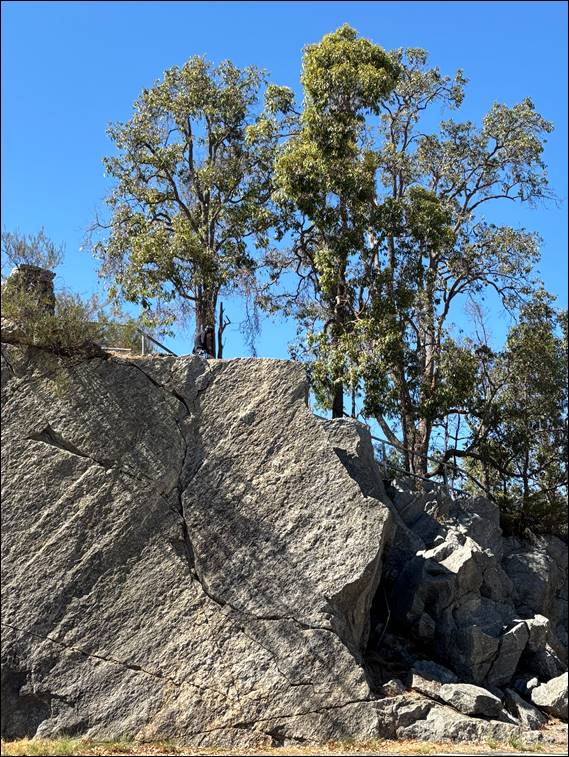
The place is not what I would consider Josh friendly.  With how often, or more correctly how little, he gets out to climb, the place can feel pretty stiff.  This didn’t stop him at jumping at that chance of a climb, and we tailored the day to ease him back onto rock with a few of the shorter and easier routes.  Three lines in and he was already feeling the pump.  The slick feeling of rock, as the temperature was rising, wasn’t helping.  To allow his arms to recover when we jumped on the big walls, I snuck in another route in-between each climb he did:

As the morning wore on, no families arrived but a couple from Perth turned up for their first taste of climbing at Welly Dam.  After a bit of a chat, and having watched how they went on the usual warm up route people go for, I suggested they jump on the most contested line here.  They admitted they hadn’t considered it due to the write up it gets on The Crag, which gives it a bit of a slating.  I’m pleased to report that they really enjoyed and rated it, and didn’t flinch at the bolting but did suggest it may be a grade more than we had given it:

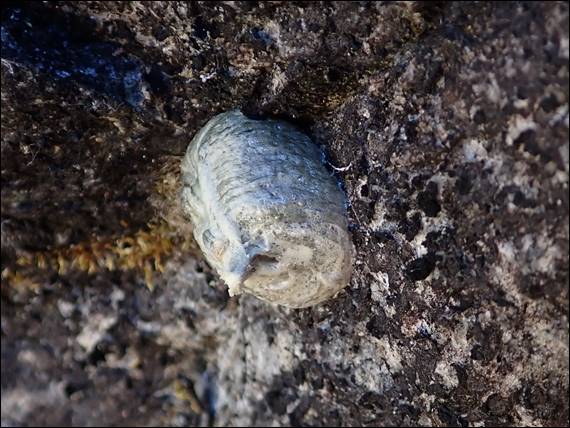
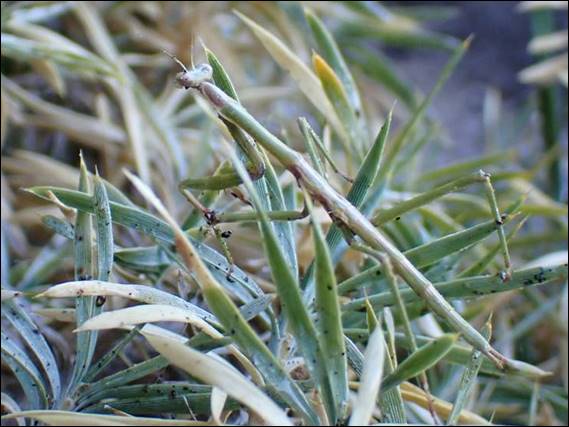
That is not an uncommon thing to hear about most of the routes here, so I accept that.  And as they continued to enjoy the fine lines on offer, Josh and I bagged a few more ourselves.  Each time Josh looked like he was well and truly toasted, slumping onto the rope.  He jumped back on to continue the battle, after a quick rest.  For our last line I’m pleased he pulled through, as he got to see this Mallee Grass Mantis (Archimantis sobrina) egg sac that I spotted near the top.  Called an oothecae, the female exudes the foamy substance over her eggs:

Hardening up to form an intricate pattern.  When the eggs hatch, worm-like larvae emerge and hang from the oothecae by threads.  Moulting their exoskeleton, to become tiny functional mantis nymphs.  Ready to hunt for their first meal one day after hatching.  After this discovery, it was time to hit the road leaving the guys from Perth to continue to discover the climbing delights on offer here.  We were however a bit gobsmacked when another couple arrived, with the temperature inching into the thirties, and set up on a face in full sun:

Testing the waters

The marine environment of the globe has about a dozen amphidromic points.  These are generally located in middle of ocean basins, whose shape results in a rotary wave action forming.  The circular action results in a centre point where there is effectively a flat spot, similar to the eye of a cyclone.  Here there is almost no vertical movement from tidal action.  A amphidromic point is right off the coast of Western Australia not too far from where we live.  This explains why we have such small tidal variance, ranging from 0.1 to 1.2m:

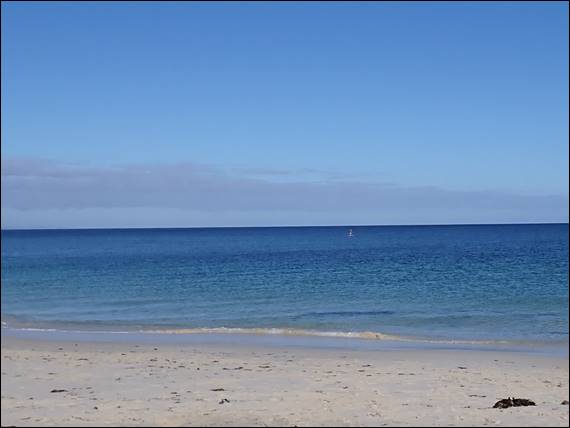
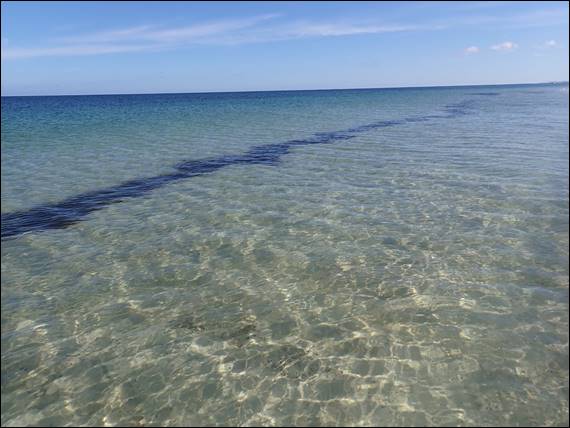
Regardless of the minimal tidal range, I still try to head into the water at low tide.  Due to that one meter helping me to stay on the bottom a bit longer.  I would normally have been in the water heaps over December and January, but today was my first local dive since before Christmas.  Some six weeks back.  Purely because the conditions have been awful, and it hasn’t been worth the effort.  This morning drawn by the flat looking surface and colour differentiation, created by the underlying darker reef and lighter sand, I gave it a go:

There was still a dark band running parallel to the beach.  Sea wrack dislodged by recent higher than usual swells, for this time of the year, now forming an orderly line.  A result of the ocean starting to settle down since the rougher conditions, driven by cyclone Sean.  The poor conditions have however not been isolated to this one weather system.  This time of year we would expect an average swell of 0.5 to 1.3m.  But the swell this summer has consistently been over 1 meter, and more regularly than I would like it has reached close to 2 meters:
My rule of thumb is that if the swell has been below 1 meter for three days, the water clarity is likely to be pretty good.  This week it has hovered up around 1.5 meters, so I wasn’t completely fooled by the optical illusion of the colour differentiation.  I was however really keen to get in the water.  And it did feel good, but my reservations about seeing much very quickly became reality.  The water was cloudy, but I could make out the bottom so persevered.  Ducking down in the hope of seeing some fun finds:
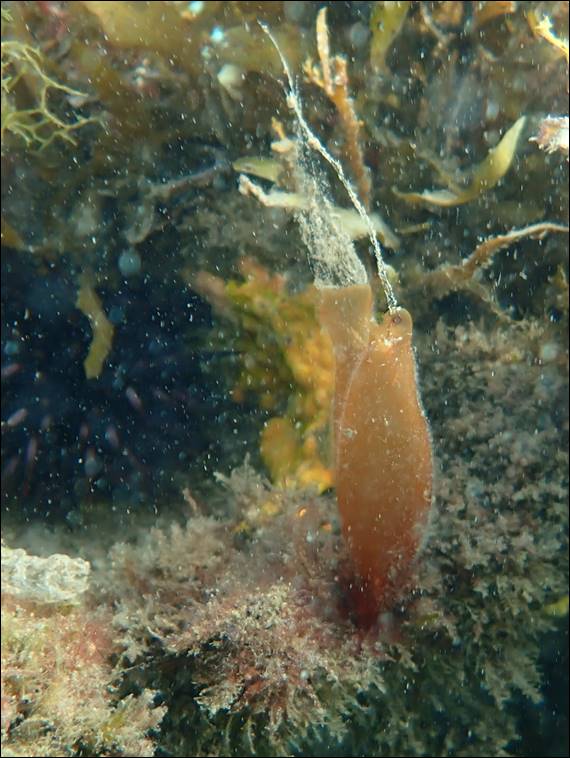
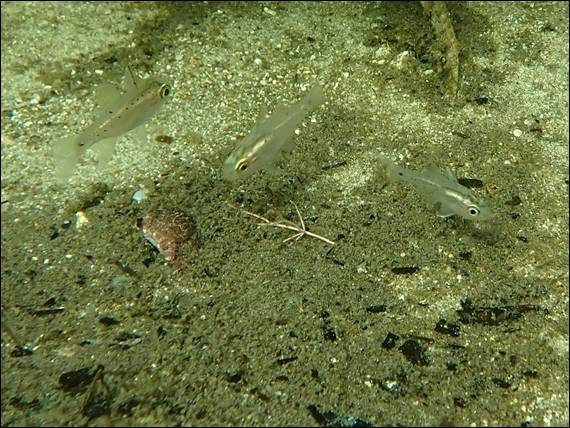
The first underwater image being of Slimy Bags (Gloiosaccion brownii), the scientific name literally translating to ‘glue sacks’.  It looked like they were excluding the thick slimy substance held within the elongated balloon shaped sacs, from which they get their name.  Particles that had been suspended in the water were stuck to the substance, and there was lots more detritus covering patches of sand in amongst the reef as shown above.  The Western Gobbleguts (Ostorhinchus rueppellii) were one of the few species of fish I saw:
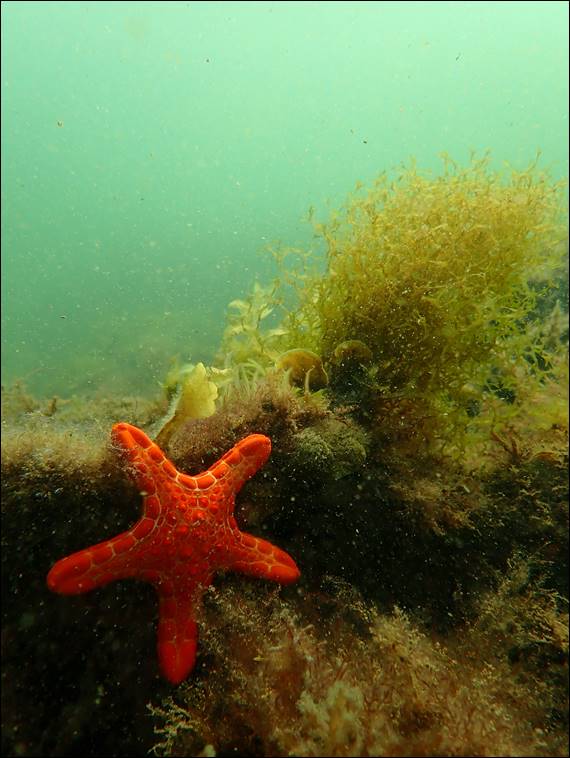
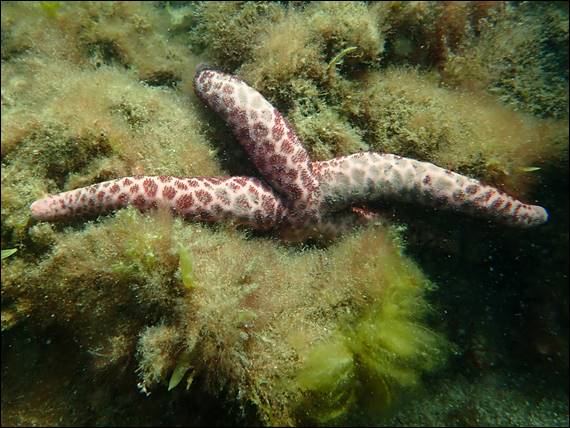
These fish are mouthbrooders, with the male incubating anywhere from 50 to 230 fertilised eggs for about two weeks until they hatch.  Most of my finds were seastars.  The above Mosaic Seastar (Pentagonaster dubeni), easily recognisable with its bright plates separated by thin light lines, has a backdrop that clearly shows how unclear the water was.  And below is a Pale Mosaic Seastar (Echinaster arcystatus).  I’m surprised how often I find what is claimed to be an uncommon species.  It is however one of the bigger species in the south west of Australia:

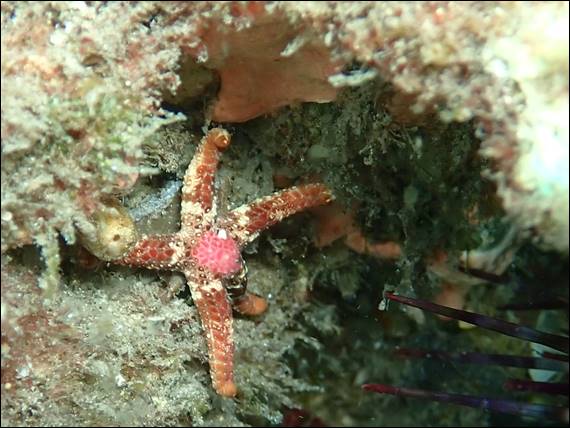
The largest seastar in our local waters is the Eleven-Armed Seastar (Coscinasterias calamaria), reaching up to 50cm.  The Pale Mosaic Seastar isn’t too far behind reaching 36cm, with the Mosaic Seastar normally not growing bigger than 8cm in diameter.  And then I found the below smaller specimen.  You would think the strawberry looking protrusion in the centre of the body would make this an easy identification, but no.  The closest match I could find, which I am not convinced of, is the Necklace or Tiled Seastar (Fromia monilis):

A matter of taste

After today, as we roll into February, the year will start in earnest.  The summer school holidays are coming to a close, which means the usual weekly routine of life for many will resume.  For me, my ease into the New Year continued to the bitter end.  I was not going to waste the last Friday of the first month of the year, and Howsie was more than happy to bag another morning out.  It’s been cooking this week.  Mid to high thirties every day, and this looks to continue well into next week.  We are however not in the throes of a heatwave:

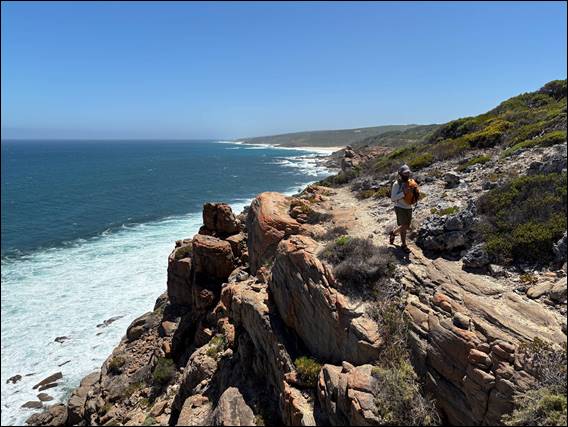
The night time temperatures have been dipping below twenty, providing some late evening to early morning relief.  That still does not stop the day after day of hot weather slowly wearing down the energy levels.  Howsie, was therefore in a quandary when I asked him what he had in mind.  The location was easy.  He wanted to climb, as opposed to have a climb and snorkel which can be quite nice on these hot days.  So we needed somewhere that had a shorter walk in, longer routes, and maximises shade time.  That would be Wilyabrup:

What he could not land on was what climbs to climb.  After having pushed himself in recent trips out his head was telling him to continue to test his skills.  To do that, there are a couple of 25s at the main area that he has his eye on.  His body was however holding him back.  Weary from several days of working outdoors in the heat.  Reading the tone of his voice, as well as his body language, I suggested that maybe a fun day was in order somewhere that only had lower grade routes.  The place that sprung to mind being Driftwood Bay:

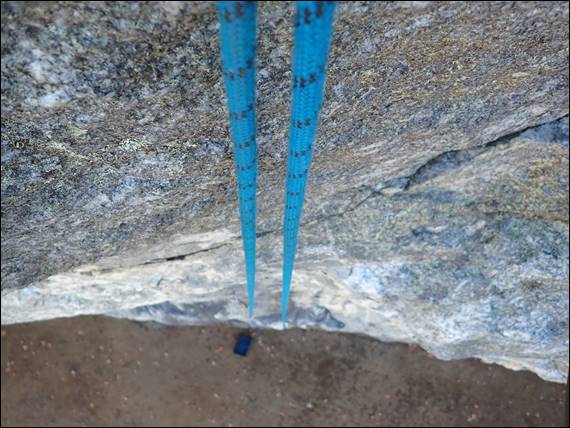
There’s nothing hard here, allowing his mind to relax into the fun of the traditional and slightly adventurous climbing.  I would normally bring a rap line for this place.  But seeing we hadn’t decided on the precise crag until we had walked to the top of the Wilyabrup cliffs we would have to make do.  It made us pay that bit more attention to our rope work when we belayed from above.  Coiling the lead rope, as the second came up.  Enabling it to be ready to be hurled over the edge, before we once more abseiled back down:

As we wandered toward the top of the cliff I asked how often Howsie had climbed here.  I could only remember one trip with him.  That was with Rongy and Josh, and we only managed one route before things went amiss https://sandbagged.blog/2022/05/28/chased-away/.  He had a vague memory of having had a second more successful visit with Mikie sometime.  Then looking up at the lines on offer, he couldn’t recall what they had climb.  That is not a bad thing because everything today would feel new:

This place gets very little attention and I have never seen anyone else climbing here.  We did however find the tell-tale sign of chalk on two routes to indicate recent visitors.  My last visit here was five months back with David, so the chalk was not likely to be from then..  Not unexpectedly we had the place to ourselves today.  Allowing us to enjoy the peace, and pick the lines as we pleased.  Although I have to admit to steering Howsie toward two lines in particular, as I doubt either of them have had an ascent by anyone other than myself:

We were not entirely alone.  I was hoping to come across a Carpet Python today, but it was not to be.  We did however find a juvenile Mallee Grass Mantis (Archimantis sobrina), a bit under half the size of the full sized adult we spotted at Cosy Corner just a week back.  Growing up to 4 inches long during their short 9 to 12 month lifespan, this species can be either green or brown.  This one, unlike last week’s, was nervous.  Keen to get away from us it adopted a technique that young mantises have before they grow wings, and that is to jump:

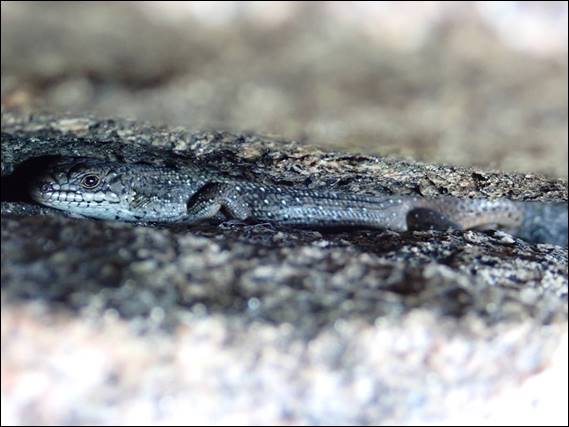
I first spotted the mantis while Howsie was relishing the crag classic.  Part way up he paused for longer than normal, due to spotting a Southwestern Crevice-Skink (Egernia napoleonis).  Skinks of the Egernia genus only occur in Australia, and are mid to large sized with a snout-to-vent length (SVL) of approx. 4 to 10 inches.  The SVL includes the head and body, but not the tail.  The two common species in our area being the little fella below and the King Skink (Egernia kingii), which can be up to 22 inches long including the tail:

Southwestern Crevice-Skinks are reported to often be curious.  Even after initially being disturbed, they can be quick to pop out of their hiding place to check if the coast is clear.  This one however didn’t move, not even after Howsie left it and continued on his upwards journey.  When I came up on second it was in exactly the same spot, only being able to squeeze into the tight crevice by depressing it’s body.  We went lead for lead today, and when I got to the top of my next climb the sun hit us:

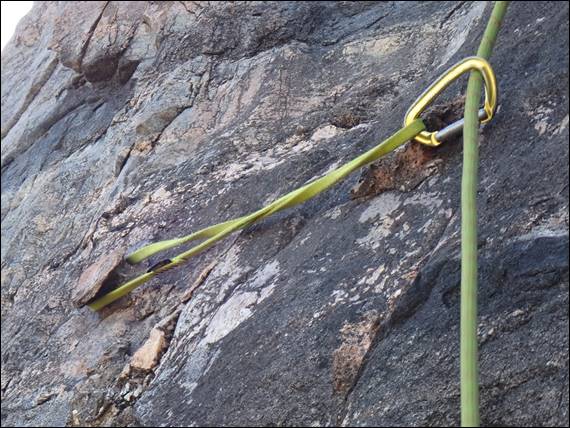
We could feel it bite, and were only four routes in.  Fortunately the west facing wall below us was still in shade.  As such it was time to encourage Howsie to consider a route that if he climbed, I am sure would be only the second ascent.  A face climb with no cracks for gear, so it is a little run out.  There is also a very unusually sling placement low down, on a not overly inspiring small plate of rock somehow sticking out from the main face.  It’s a nervous climb, and I can’t think of very many people I would ever suggest such a route:

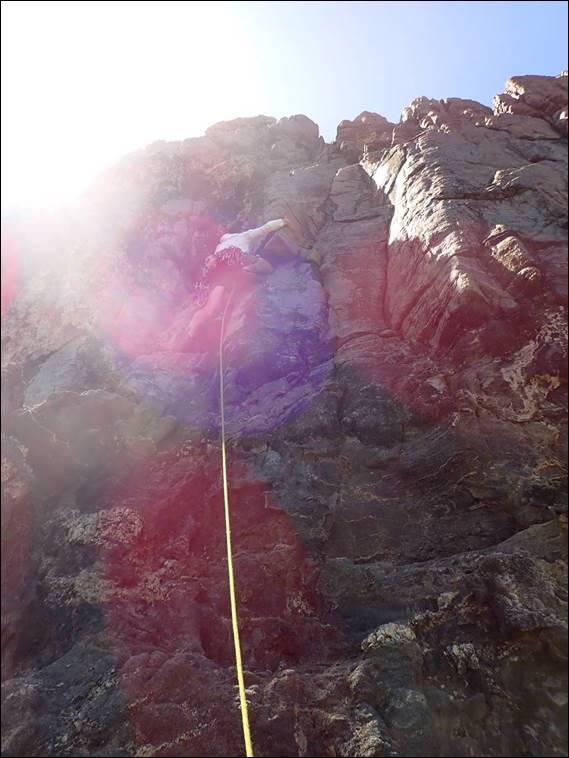
It is however exactly the sort of climb that Howsie enjoys, so I thought he would go for it and that he did.  The other line I was keen for him to have a bash at was a little more sane in relation to protection, but as with most routes here it looks scrappy and a little disjointed.  I’ve led it a few times since establishing the line, and really enjoy it but was keen for a second opinion.  Despite the sun starting to inch over the top of the cliff, making it hard to look up, I could hear sounds of delight as he worked his way up.  Suggesting it was a good choice:

This was confirmed as such, when I made my way to his belay on high.  It was time to even up the numbers, so the rope got thrown over the edge one last time.  It was my turn to make sounds of delight, as I led us out on the last route of the day.  We agreed that Driftwood had been a great choice.  With eight climbs under our belt we were feeling a little weary but thoroughly satisfied.  Despite the at times runouts, loose rock, and rambling lines it was a worthy place to visit, although our opinion on that is probably skewed by our climbing taste:

Weighing up the choices

I dread to think how many times I have walked into Wilyabrup.  Hundreds for sure, but how many hundreds I have no idea.  And for a great many of those trips we have been the first people at the crag.  If you haven’t already guessed from my posts, I like early morning starts.  Today Seb and I walked down a little later than usual, but we were still the first to wander to down the track.  With a car already parked up before we got there, you may ask how we could be sure that no one had gone down for a hike, run, or just to get their Instagram image:

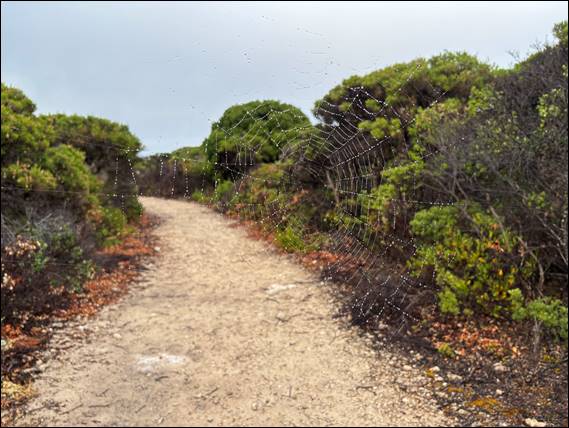
The evidence was clear.  Not one but three cobwebs stretched between the vegetation on either side of the track.  Unbroken, and looking extra stunning as a result of beads of water generously drizzled over them.  The spiders were out of sight, no doubt hiding in the vegetation.  We didn’t trace the trigger lines to see if we could spot them.  Instead ducking underneath and leaving their webs intact behind us.  I remarked to Seb that in all my time of coming down here I cannot recall ever seeing webs across the track like that:

The beads of water should give an indication for the slightly later, but not by much, start.  It had been raining overnight and the threat of more hung all around us.  The forecast suggested we had an hour or more before the risk of precipitation should ease to nothing.  The day could have felt very wintery with messy waves crashed in, a threatening cloudy sky, and wet rock.  The temperature is what gave it away, there was no need to rug up not even when we first arrived:

It was great to see Seb was not put off getting out this morning.  In fact I doubt wild horses could have kept him away.  He was keen, very keen.  As such I had already formulated a bit of a plan for the day, and it all started like yesterday with a trad line on a wet traverse.  Quite a few grades easier, so while the conditions may have made the heart beat a little faster I felt it was well within his ability.  It certainly had the desired effect and the section, which many people find tricky when the rock is dry, had him on edge:

Pulling through the crux, Seb went on to establish the belay.  Perched halfway up Steel Wall with a great view.  This is where one of Lou’s cams, which I recently bought of her, got its first use.  The trad leading teaching continued, as I assessed each placement and I made suggestions.  Noting the spacing between gear, whether it was the best selection of nut size, the angle a cam had been set, etc.  For the most part the gear was bombproof, and even those I could pick a fault with were reasonable it’s just they could have been better:

As a dive instructor Seb gets the safety aspect, and takes it seriously.  Eager to hear what I had to say and keep learning more.  Each time I reminded him that he should also assess and provide any comment he had on my placements.  Not that he had much chance to do that.  I sent him up the second trad pitch to the top, during which he found not one but two great pink tricam placements.  Another person has been converted to paying homage to the use of the pink tricam.  You may laugh but there is a bit of a global following:

An ode to a pink tricam (https://www.swarpa.net/~danforth/climb/sinkthepink.html) exists.  I don’t know why but many people are drawn to wanting to place this piece of gear.  After two fine trad leads, which had him beaming, it was time to turn it up a notch.  This time on bolts.  We rapped back to the halfway ledge and I was most disgusted, as a few others who read this may be, when Seb casually reached up to clip the first bolt.  Not needing to pull any of the start moves.  Tall people have the advantage on most routes:

Being able to reach past sections shorter people need to work.  There are the occasionally routes that have a section that has compressed moves, which taller people struggle with.  But they are few and far between.  Seb ate up the sports line, and then we rapped back down.  This time I had a lead, up a rather nervous trad line that I would not have suggested he lead just yet.  I laced the bottom half with six small placements all of which were pretty good.  I think each time I climb this line I find more gear:

After that however it gets run out, and there is only one other piece of gear way up on the wall near the top.  A narrow slot that most people, not that I’ve seen many people want to try this route, don’t find.  It was the perfect place for one of Lou’s smaller cams, so it had been a good buy.  Seb watched on nervously, as I inched my way up.  Probably thinking I was a little mad when I would stop to fiddle my camera out of its protective case.  Then after taking an image of the gear, fiddle the camera back in the case:

He lapped the route up, stating he was glad I had led it.  While I have thrown him on a few trad lines some of which I’ve known people get scared on, each line has been carefully considered.  And a bit like Sam from work, Seb has a hankering for trad.  With a calm head, an eye for how to place protection, and gaining far more satisfaction from popping gear in than just clipping bolts.  Not everyone has it or gets it as quickly as I’ve watched them progress.  It’s cool to observe and I’m lucky to have the time to help them on the journey:

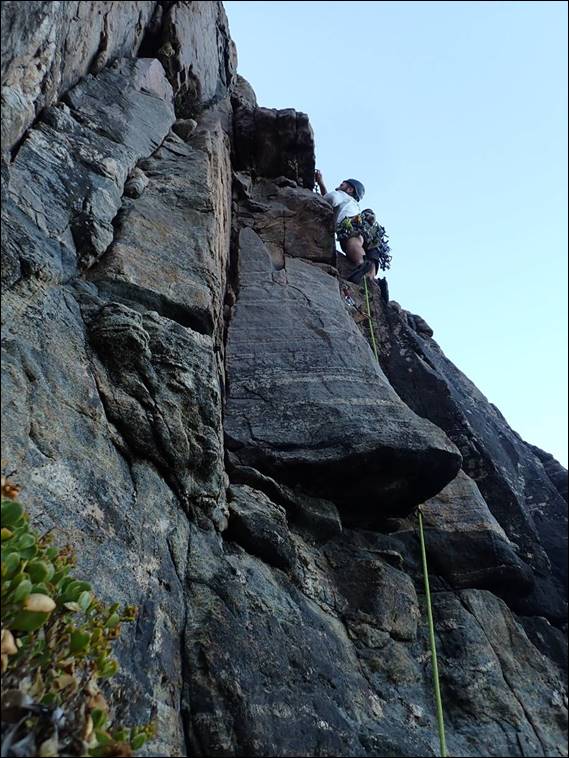
Time was catch-up with us and there was a choice.  Another lower grade trad line, a real peach of a corner.  Or a sport line that was going to be at the upper end of Seb’s current ability, but would see him scale the mighty Steel Wall from top to bottom.  The images give away his choice.  While he had really enjoyed today’s the trad climbing, he just couldn’t resists pushing himself.  As suspected it was a battle, but one he preserved with and conquered.  Which I was pleased about, otherwise I would have had to jump on the sharp end to finish it off:

Taking it in

After our failed attempt to get to Cosy Corner, Howsie and I decided we would try again.  Last week we changed our plans at the last minute and went to Bob’s Hollow.  This was due to a front heading south.  Possibly being driven by a tropical low forming off the coast of northern Western Australia, over the Indian Ocean.  During the week the front continued to strengthen, resulting in Tropical Cyclone Sean.  While it never made landfall, a few days back it wreaked havoc along the Pilbara coast and inland.  And our usual summer weather in the south west took a dive:

Every day this week has felt hot and heavy.  I leave for work at 5:30, by which time the temperate had already reached the mid to high twenties.  Then on the way home around mid-afternoon the mercury hit the mid-thirties, and at times tippled over forty.  Having lived in Alice Springs for quite a few years, I can tolerate these temperatures.  However, the relative humidity has also been driven up and has sat round 70-90% all week.  And this is something I really struggle to deal with, and I am not alone with this:

It is claimed the majority of people can manage a relative humidity level of 30% to 50%.  Anything above will start to get uncomfortable.  Relative humidity is a measure of the percentage of moisture air can retain without condensation forming.  Therefore, at higher humidity levels the ability for our sweat to evaporate reduces.  This is the key way our bodies cool us down and when it does not work it results in us feeling hot, even if the temperature may not be considered high.  However, relative humidity does not take account of temperature or pressure:

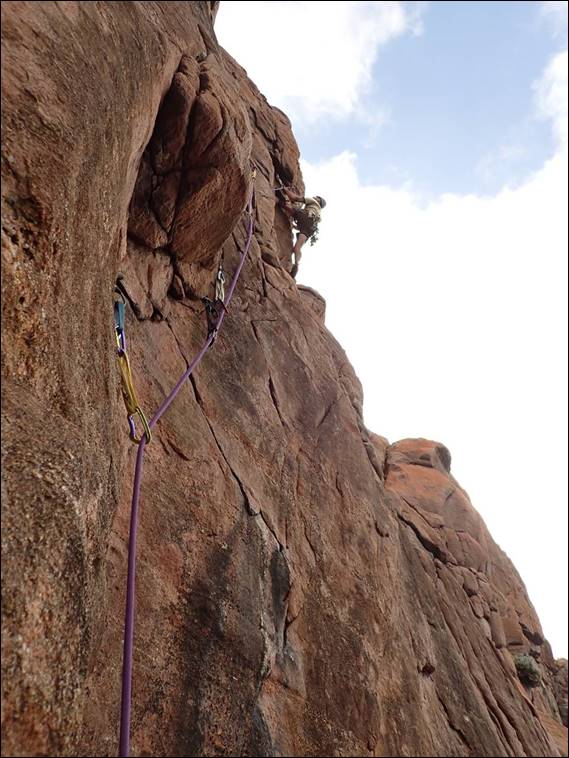
Therefore, and because temperature and pressure can affect the ability of air to hold moisture, relative humidity can be misleading.  A more accurate metric, which does take account of temperature and pressure, is the dew point.  Interestingly, it is not a value that most weather apps will provide.  Regardless of the metric you use, and don’t be fooled by the clear looking skies in the images so far, today was muggy.  Very muggy.  In addition to sweat not evaporating this led to damp conditions, making the holds on the permeable rock we were climbing on today feel very slick:

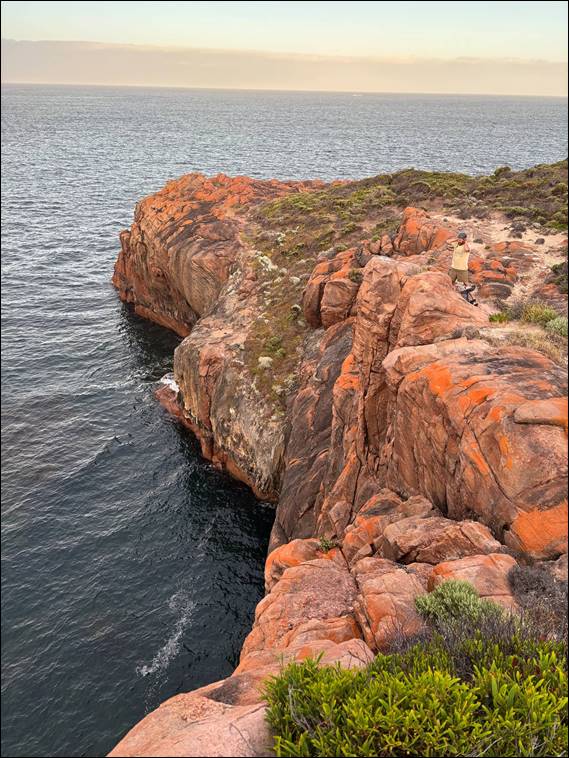
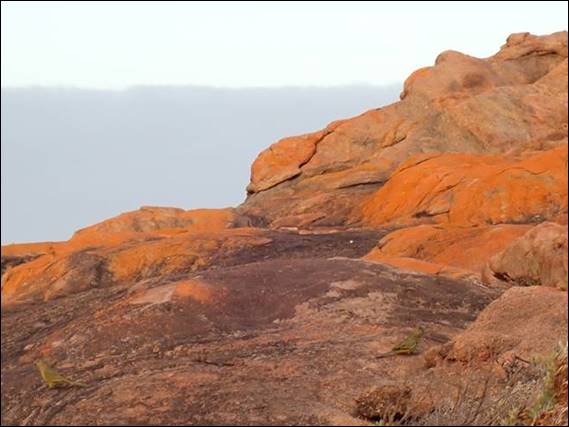
As we walked to the first route we spied a pair of Rock Parrots (Neophema petrophila), two images up.  These birds favour rocky islands and coastal dune areas, and unlike other grass parrots they nest in burrows or rocky crevices mostly on offshore islands.  The name petrophila comes from two Ancient Greek words of petros and philos meaning ‘rock’ and ‘loving’.  It would be a good name for Howsie and I.  Despite the mugginess, we were stoked to be out climbing once more.  And it is a good job, as the first climb proved to be very challenging in the conditions:

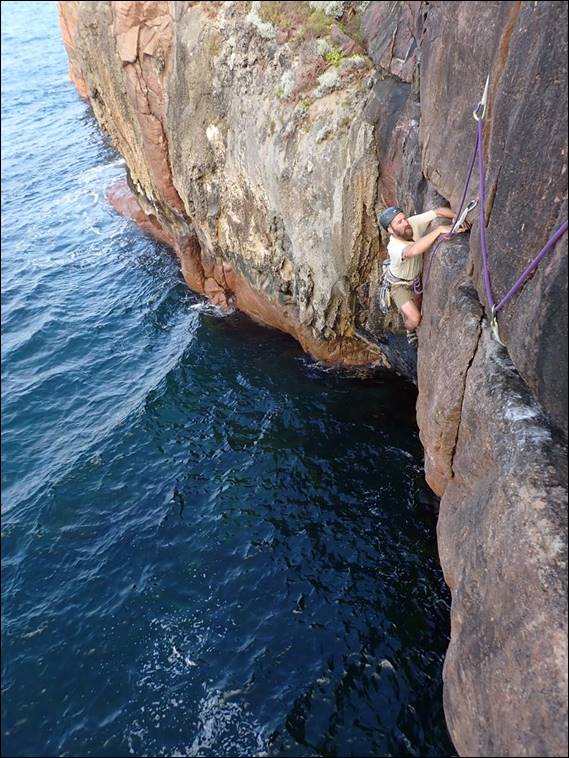
Sink and Swim is a climb that Craig put up just over eighteen years back.  I feel confident to say I have climbed it more than anyone else, but every time the person I have been out with has been frothing to lead the route.  As such I’ve always been on second.  It may be reasonable to say that on a traverse the second is at just as much at risk, due to the rope not being above you but to the side.  However, on this route there are a couple of higher placements that protect the second.  Plus the energy required to find and place the gear makes the lead more demanding:

Today I was keen to get on the sharp end, as Howsie has lead it before with me on second.  This 15m horizontal traverse has lots of slopey hand holds and smeary foot holds, and today they were very insecure.  This played with my head, and the sweat seeping out of my palms just added to the insecurity of the already insecure feeling holds.  I wasn’t going to give up and pushed on, but did concede to needing to have a rest along the way.  Both to sort my head out and let my forearms recover.  It was by far the worse conditions I’ve been on it:

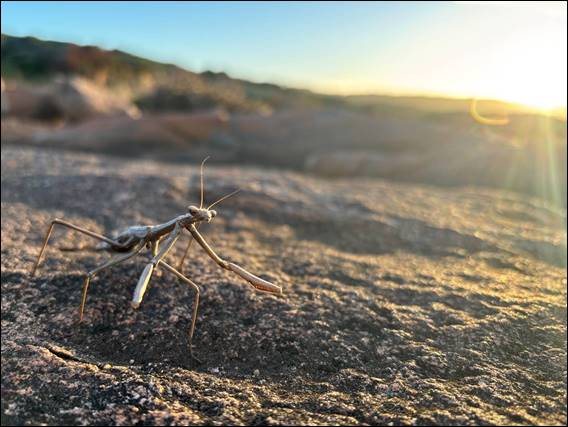
As such I’m keen to jump on it again when the air is drier.  The conditions today dictated what we did, and as the day wore on the grades of the lines we did dropped.  No matter as we really are both petrophila.  The routes were great fun and the positions were epic.  The extra damp air did however draw out a few more insects, being attracted by the moisture.  In the first image, and as we walked in, we came across a Mallee Grass Mantis (Archimantis sobrina).  It watched us carefully, as it stood its ground while swaying gently back and forth:

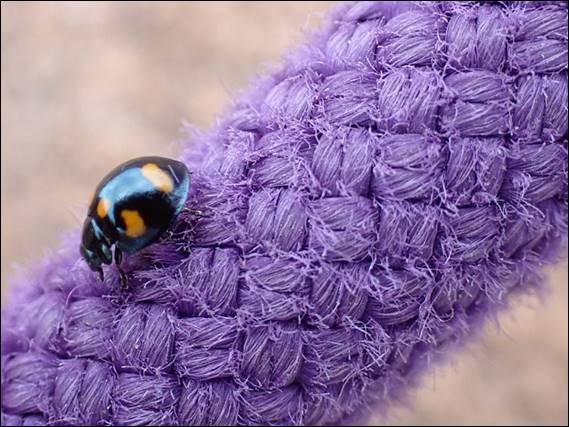
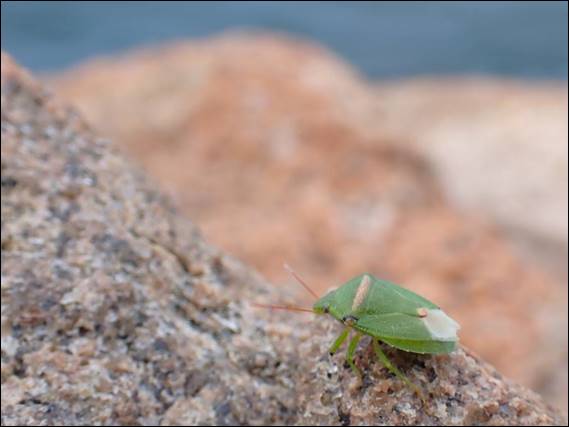
The next bug is an Orange-spotted Ladybird (Orcus australasiae).  Distinguished by what looks black, but is in fact a dark green wing covers with six orange dots.  The cover acts like a helmet, should predators come along such as ants.  Pulling its legs and antenna under the protective cover, and dropping its body to the ground.  The final insect being a Shield Bug (Ocirrhoe unimaculata), these are also known as Stink Bugs.  This name is given to them due to the unpleasant odour they can emit from glands in their abdomen should they feel threatened:

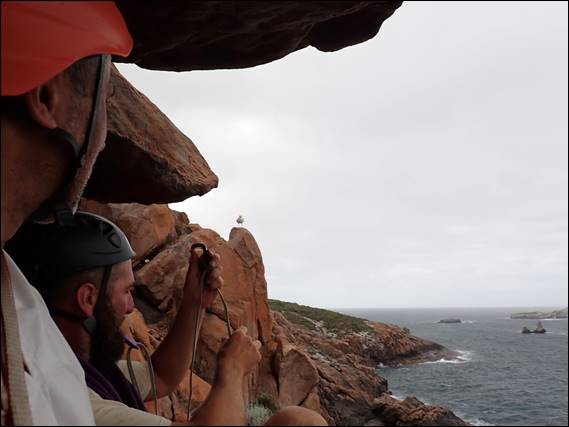
Clouds rolled in and with them came the occasional shower, and while we didn’t feel threatened by this we did seek shelter at one time.  Hiding under a capping rock with our feet dangled over the edge.  Just to the side a Silver Gull (Chroicocephalus novaehollandiae) perched and watched, maybe wondering what we are up too.  A good question as with the swell, occasional showers, and water hanging in the air we were going to, and did, get wet.  Our perch did however provide us with a wonderful view, and a moment to take it in:

The second play date

A few weeks back one of my camming devices fell afoul of all the climbing I do along the coast.    Or more truthfully it fell afoul of my lack of washing off the salt residue, which is nearly always present after having climbed on the ocean’s doorstep.  The trigger wire, which is used to pull the opposing camming lobs together, snapped.  So mechanically it was still sound for holding a fall, but it made it impossible to close the cam up when retrieving the piece after using it.  As a result I hit upon the idea of possibly buying some gear of someone who no longer uses theirs:

It has been many years since Lou has been out on rock.  In part as she is still scarred by a nasty fall, but to be fair she is also extremely busy with life and other pursuits.  When I popped over to check out her gear, she was ‘yeah you can buy the lot’.  Then after several days of mulling over the idea, and having once more got her hands on the hardware she started to have second thoughts.  Over the years I have offered to take her out, and seeing the Stormtrooper’s interest had been rekindled I took advantage of the situation:

To understand the Star Wars reference you’ll have to read a past post https://sandbagged.blog/2023/02/19/ice-creams-all-round/.  We hatched a plan for a very cruisy day out at Castle Rock, to ease her back into the idea of being out on rock once more.  I knew this would be more of a mental than physical challenge for Lou, and patience was the key.  She isn’t the only person I know keen for a reintroduction to climbing.  I liaise with Jo heaps through work.  Sometime back it came up that I climbed, and she said she would be keen to get back into it:

There is a bit more to this.  Because I build up a fair chunk of flexi time, I have become accustomed to taking a few Fridays off to allow a climb with Howsie as well as the occasional weekend away.  This has resulted in the illusion that I’m always taking holidays, or so Jo and her work colleagues have hinted at.  Whereas, I am merely managing my hours to the advantage of my outdoor activities.  Seeing Lou and my visit to Castle Rock was a non-work day, not that I am trying to make a point, Jo happened to be available and was keen:

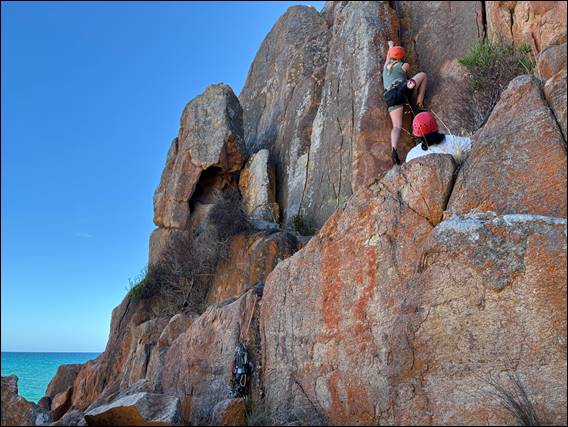
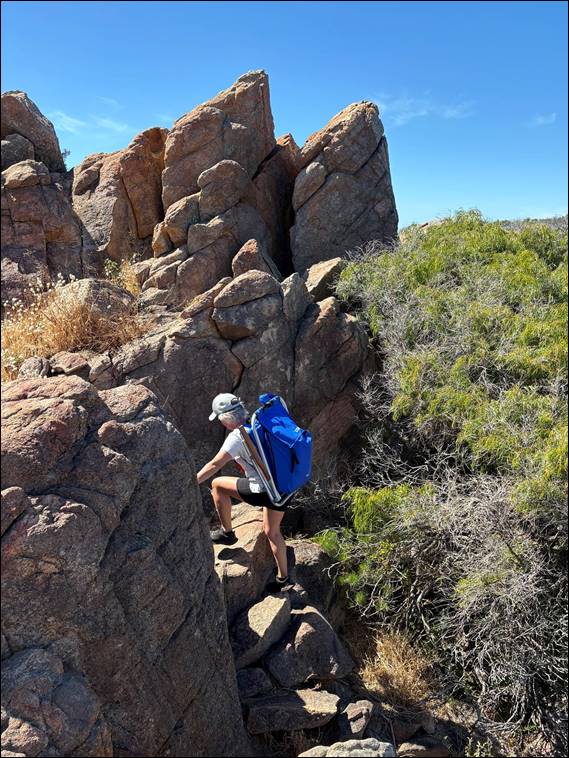
The last person to join us today, was Lisa.  Lou is not an early starter and in view that we would only do a few easy climbs I was happy to accept a slightly later start.  This allowed Lisa a more reasonable morning before we had to be out of the house.  Lisa however was not joining us to climb.  Armed with her backpack beach chair she followed us round finding comfy spots to kick back and watch the action.  She was a complete armchair warrior, and at one point took advantage of where we were to sneak off for a 20min run along the coastal track:

As indicated above Jo has climbed previously, but this was mostly indoors with only a bit of outdoor top roping.  So we started with a few top ropes on some easy scrambly routes.  These are not recorded lines and people are very rarely, if ever, likely to go up them.  This meant loose rock could be present.  And was indeed encountered on just about the first move of the first route, when a flake Jo was standing on came away.  I felt really bad about this, and while it rattled her nerves to her credit she pressed on regardless:

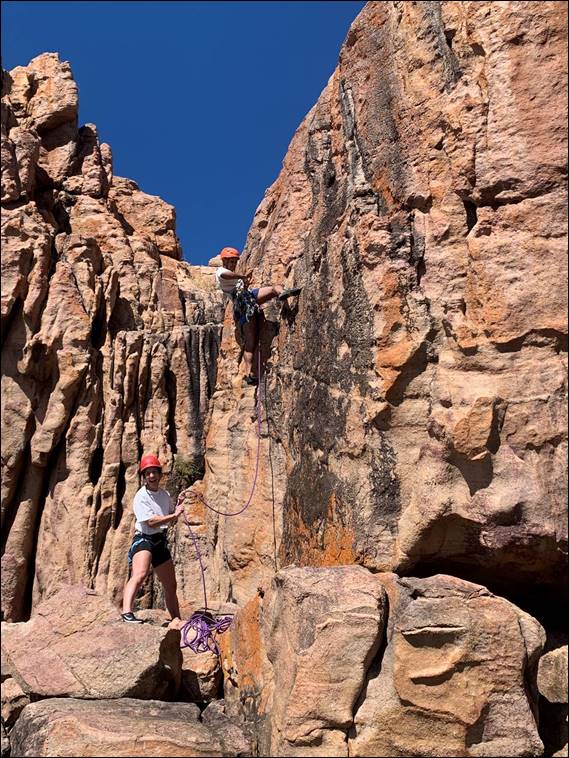
I was pleased Lou was also there, as she provided pointers and assisted Jo when things felt a bit on the tricky side.  Needless to say for Lou the lines proved straight forward, and she scampered up in a flash with ease.  Not a hint of her head holding her back, which was great to see.  Our numbers dropped from four to three when Jo had to head off to do some kid wrangling.  It may have been a short session for her, but on the plus side she had a great time and with luck I can get her back out.  Next time it will hopefully for a bit longer:

This left Lou and myself to climb, with Lisa watching on from the comfort of her chair after her run.  We managed two more routes, this time on the sunny side of the little castle.  By which time things left like they were warming up a bit too much.  I led the two routes of Lou’s choice, which she followed up with relative ease from a climbing perspective.  Better still her head stayed on straight.  A very encouraging sign for more trips out.  In fact we already talked about where we will go next, and with luck Jo can join us:

Before we headed off, I was keen to see if the Western Rock Octopus (Octopus djinda) was up for a second playdate.  The visibility was sadly worse than our last encounter, although not so bad that I couldn’t see the bottom.  There it was in the same spot as before, pulling in the shells from its last feed round it for camouflage.  Other than one tentacle reaching out to say hello, there was no further interaction to be had today.  So after a few dives to make sure it really didn’t want to come out, I started swam back to shore.  Spotting a few fun fish along the way:

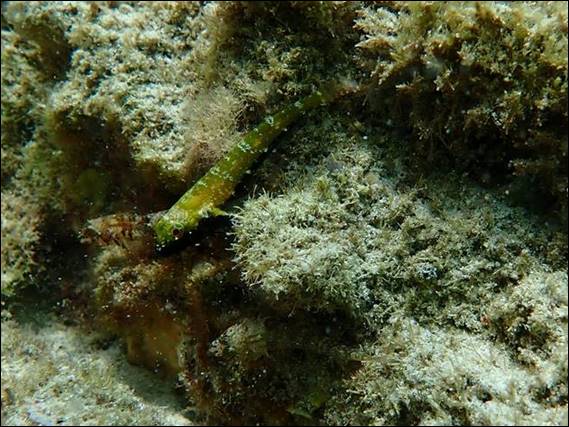
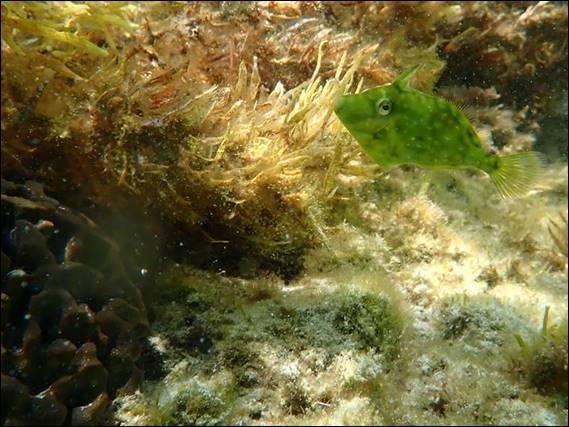
The above is a Blackthroat Threefin (Helcogramma decurrens).  If you look carefully you will see this cheeky fella was hanging out with two females, which being of a much more drab colour are very well camouflaged.  And following on with the green theme, I have had no luck in identifying the below fish.  Likely to be Triggerfish or Filefish, and maybe a juvenile.  Back on dry land, Lou, Lisa, and I packed up and headed to an aptly named café called Occy’s for a feed.  Here Lisa spied the grilled octopus, and after my brief playdate I’m glad she didn’t order that:

Nick Lowe

My slumber was disturbed by the sound of the pitter-patter of rain falling on the veranda, well before the alarm was due to go off.  Peter, Howsie, I were heading out and while this sound may not be a good start, it was expected.  I’d been storm tracking.  A front was to bear down on us from the north, and the forecast for this one had remained relatively stable all week.  Meaning we were likely to be in for a sprinkle, so we had to pick our location wisely, based both on when it might hit and how it would feel on rock when it arrived:

Systems from the north at this time of the year are usually driven by the remnants of tropical cyclones.  Western Australia, particularly the northern half, is more prone to cyclones than the rest of Australia.  The long term averages suggest Australia experiences 11 cyclones per year, with approximately half of the these being in Western Australia.  My reference to cyclones may bring fearful images of howling winds and torrential rain.  While this can be experienced when they make landfall.  In the south west we are only getting the tail end:

These are much weaker, but can bring unseasonal rainfall.  We are however blessed with a variety of geological formations. Some are better suited to damper conditions.  Moses Rocks is the obvious one, and I have often mentioned the friction is still reasonable when the rock is wet.  Smith’s Beach is also good.  However, the way the front was tracking the further south we aimed for the better.  Added to that after Peter’s delight of climbing at the more broken and adventurous traditional style crag of Lost Buttress, the obvious choice was Cosy Corner:

This is the furthest crag to the south, so a bit more of a drive.  But a short walk, and lower grades so it might make it work.  One of our tin pot crags, meaning a helmet is essential.  It is rarely visited, and with less traffic on the routes there is a higher risk of loose rock.  Plus being right on the coast with abseil access, an accident can result in the need for a serious rescue mission.  The rain had woken me up at three, and I had a quick peek at the radar.  It seemed to be doing what was expected just a bit early, so I tried to close my eyes for the next hour:

A little after four, driving out I watched the drops sparkling in the headlights as they seemed to dance when they hit the road.  I was also trying to avoid the small frogs hopping across the road, which had been encouraged out of their burrows by the wet conditions.  The thought of how damp I might get and need to meet Howsie, made me think twice about stopping and trying to get a picture of one to identify them.  At the carpark I quickly checked the forecast, and the front was now predicated to track south a bit quicker than previously indicated:

Howsie and I drove on and didn’t even talk about the conditions, even as the rain persisted for more of our journey than desirable.  It wasn’t until we got close to picking Peter up in Margaret River that we conceded a change of plan may be required.  The other option being Bobs Hollow.  Hoping the steep overhung cliffs would allow us more climbing time, even when the rain came.  So it was that we changed our plan.  Before the walk in we reorganised our packs for bolt clipping, as opposed to trad climbing, as the clouds looked to be were brewing:

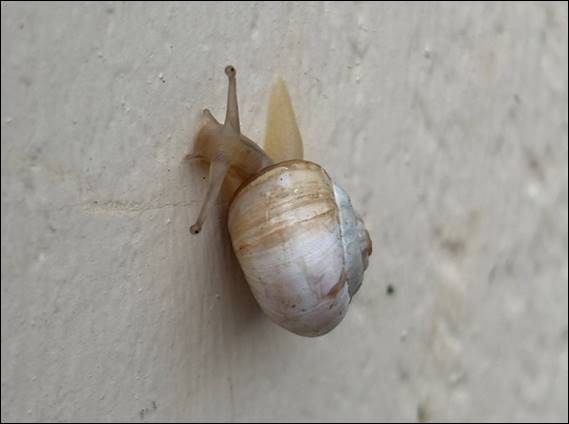
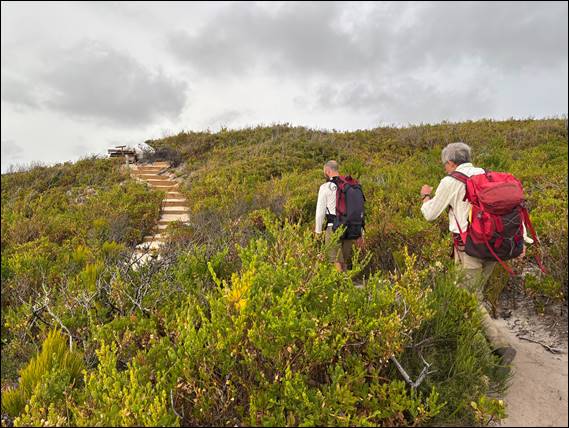
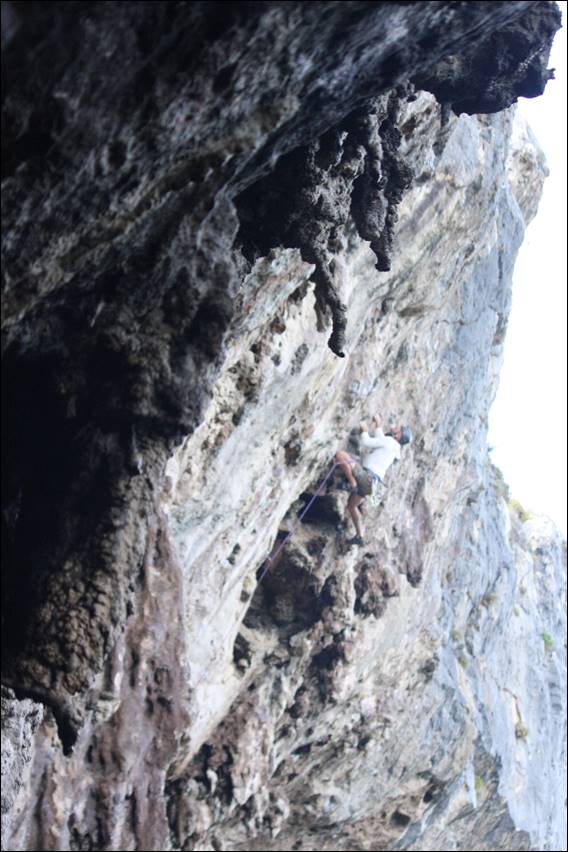
Despite the low pressure bringing rain our way, it wasn’t a cool morning.  Half an hour later we were walking along the top of the cliffs, just as the first drops of rain fell.  Warm air and rain can only mean one thing, humid conditions.  Making Howsie and I think of Pontus, a friend that recently shared some images of his climbing holiday in Thailand.  Enjoying the spectacular scenery and limestone cliffs, in a true humid tropical climate.  Our brief mini tropical period had also brought the White Italian Snails (Theba pisana) out of their aestivate state:

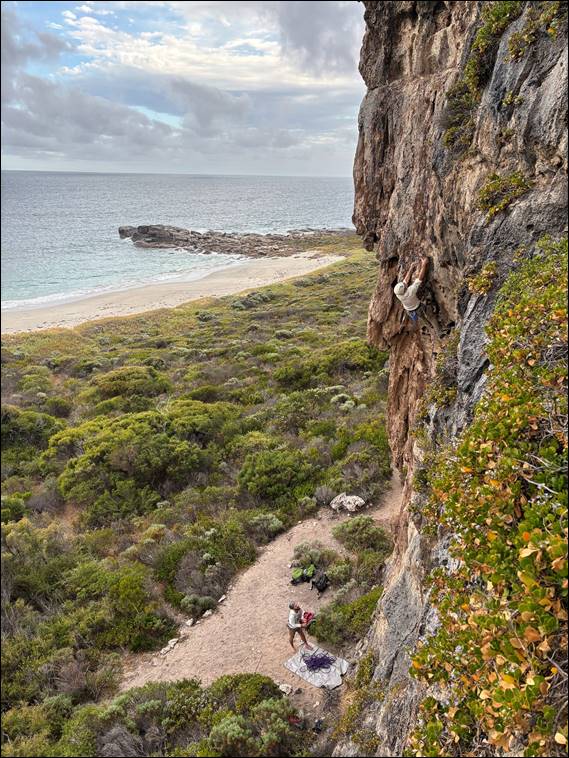
You’ll have to read last week’s post to find out more about the snails.  We did however make like a snail and start the session slowly.  Picking a few lower grade lines to see how the weather, rock, and we would fare.  As I have fallen way behind the images on show, it was clear that the weather fared really well.  Other than the drops that fell during our final approach, there was no more rain.  The system tracked further inland and we were left with high broken clouds and a reasonable breeze.  Opening up the chance to climb for longer:

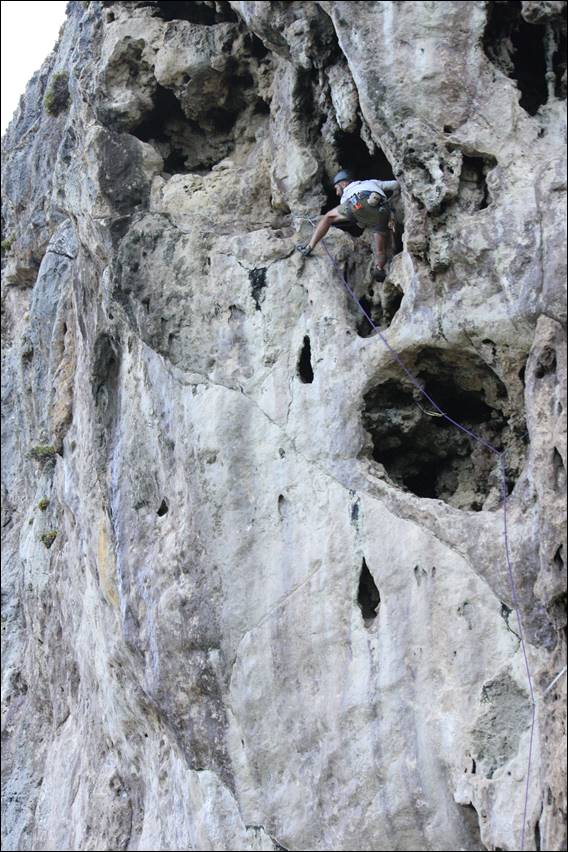
The rock in places was wet.  Certainly not from rain.  We only encountered this on the routes where there were calcite formations of stalactites, columns, and flowstone.  As such it was seepage, an essential part of their formation.  Taking advantage of three of us being out, I ran about and take images from here, there, and everywhere.  I watched drops form and let loose from several stalactites, but was not able to capture the moment the drops fell.  It was still a little surprising, as I thought these seepages would have ceased this far into summer:

The seepage areas were fortunately relatively isolated on the routes we picked, so it all came down to how we were going.  On our trip out last week Peter said he was not climbing too strong.  And true to his word we didn’t hit as many higher graded routes as we did the last time he and I came here.  However, like that time we hit eight routes and doing the sums it seems our grade average was only down by one from 20 to 19.  Peter climbed in his usual slow and steady way, hanging on holds with seeming ease as he scoped the next moves:

We pulled the rope each time, and I managed to clean all the lines.  The others commented that I looked to climb in a controlled and smooth way.  However, during the leads my mind would not have agreed with them.  Battling with my thoughts of wanting to let go and rest on the rope, with forearms pumping.  It was certainly a physical and mental challenge, but not as much as it was for Howsie.  The steep and powerful climbing here gives him a sense of forbidding, putting him on the back foot before he even ties in.  And it showed:

When it looked like he wanted to falter we encouraged him to keep going.  He started well.  Until we encouraged, and ‘gently’ nudged, him into being the first to jump on the only grade 22 of the day.  A route he had not been on before, and it worked him hard.  To his credit he got to the top, slipping and falling his way up.  Coming down shattered, and content to climb with a rope above him after that.  It was a good move as Peter’s next choice had some spicy sections that Howsie’s forearms were simply too far gone to able to manage:

You may think that would have been it, but the increasingly clearing blue sky above us resulted in some sections of the crag still having a bit of shade felt.  And Peter, of course, was keen to make use of it.  Accepting that we should probably dial back the grades, which we did.  Howsie managed the next line, and then tried to avoid the last route.  That was however something that he wasn’t going to get away with on my watch.  So being cruel to be kind we forced his hand, which he was grateful for when we he manage a clean ascent, but only just:

A ‘kid’ in a candy store

‘Two days’ is a phrase I learnt and used in Ghana way back.  Meaning it has been a while since we have been in touch.  Peter is someone that I do not get to climb with all that often, so I could have used the phrase when I received his message.  Although he isn’t Ghanaian, so it probably would have been confusing for him.  Instead the way things went, as we messaged each other on Friday I used a different phrase of ‘tomorrow next’.  Just to make sure we had a common understanding of which Sunday we were talking about getting out:

Another Ghanaian term, so it took a bit more messaging to allow Peter to understand what I meant.  It was worth the extra explanation required, being nice to pull the phrases out of my memory bank and use them.  Peter said he was happy for a morning of moderate routes, then suggesting the Northern Blocks at Wilyabrup.  The routes there are pretty sustained.  This brought back memories of the last time we went out.  He said he wasn’t climbing strong, and we then proceeded to hit multiple routes at Bob’s Hollow that were far from moderate:

As such I threw in a curveball and suggested if he really wanted an easier day we could head to Lost Buttress.  This tickled his fancy because he had not been there before.  We made the right choice.  There was a forecast of a late shower today, making for a cool change that brought moisture in the air.  Walking in, the boulders we were rock hopping along looked a little damp, clouds hung in the sky, and the air had a slightly heavy feel to it.  The routes at the Northern Blocks would have felt even harder in these conditions:

Added to the humidity, we had a westerly wind that was blowing the salt spray our way.  The gear soon became salty, and the rope felt damp after just one route.  Both Peter and I have had our fair time of climbing in less than ideal conditions, so none of this stopped us.  Mind you like Friday’s trip out I offered up the leads, and today I didn’t even lead a single route.  So Peter was the one that had to tackle the greasy gneiss rock on the sharp end, for which at times chalk didn’t assist in making the friction feel any better:

I wasn’t sure how he would find this place.  It is not what some people would regard as a nice clean crag with sustain lines.  I had purposely sold it as more of an old school trad crag, and a little bit adventurous despite its short height.  It does however have plenty of good gear, and this is something Peter is particularly keen on.  There were also lots of White Italian Snails (Theba pisana).  I have seen them plenty of times before but have never checked them out.  Unlike a bomber bit of protection, these snails are an unwanted invasive pest:

They arrived on Australian shores from the Mediterranean region in the 1926.  Bringing with them a trait similar to one that comes from one of the Mediterranean countries.  Hatching in autumn and spring they aestivate through the following summer, meaning they go into a state of dormancy similar to hibernation.  A bit like a siesta people take during the hottest part of the day.  They just take it to the next level by doing it for the hot part of the year, not just the day.  While the snails snoozed Peter kept moving:

I suggested the routes in a particular order.  Advising the grades, as we moved from one to the next, were increasing mostly in increments of one.  At least that was what I recalled.  Peter didn’t seem to disagree with what I told him, after he completed each line.  Better still he was pleasantly surprised, finding all of the climbs interesting and fun.  Not everyone I bring here would agree, but that may be a result of what they want to get from climbing.  If you treat it as a sport, this place isn’t for you:

If you treat it as a way of experiencing the great outdoors, this place really should not disappoint.  As the morning wore on the routes got harder and the greasiness got worse.  Not the best combination.  Peter however pulled on his climbing skills to work round the additional difficulties presented by the conditions.  Climbing that bit more cautiously, and possibly placing a tad more gear than he would have on a drier day, when the friction would have been better.  Maybe that is why he didn’t question the grades I said each route was:

We hit the best six lines at a grade he was comfortable to lead.  After that neither of us were game to try the hardest, but very cool, route here on the floppy end.  But it did draw his interest, so we threw a top rope on it.  Howsie was not able to get up the climb in 2022, when it popped up on his list as part of his challenge, and when it was in perfect dry condition https://sandbagged.blog/2022/06/25/as-the-crow-flies/.  Today was no different for us, with no amount of chalk helping to make the very smeary holds useable.  We kept slipping off:

Packing up the gear we were not quite finished.  Peter had his eye on one more route at The Playground.  Being the last route Mikie climbed to complete his 10,000m challenge.  This time I belayed from below, you’ll have to look at the previous post to see what I did back then https://sandbagged.blog/2018/01/12/new-shoes/.  Today I wanted to shelter from the sun.  Peter was however still not done.  Wanting to taste a bit more, he tackled a couple of boulder problems before finally accepting it was getting uncomfortable hot and was time to walk out: