Winter brings cold mornings that often feel all the colder at our only local inland crag of Welly Dam. We knew the start would be a chilly one. We were however hopeful for good conditions after a lovely warm sunny Saturday, followed by a clear sky on Sunday morning with a glorious sunrise. While we had driven up in sunlight, from separate directions, on arrival Mikey and I were greeted to a mist clad quarry. The grass, vegetation, picnic benches, tarmac and every other surface were wet… other than the rock faces:
After sitting in the warm car the body hadn’t quiet energised, and the blood wasn’t circulating at a rate required to keep all our extremities warm. Steve has a trick of jumping and running about before he starts to climb to get the blood flowing, and there is a lot to be said for his approach. Mikey and I talked about the idea but instead jumped straight onto Pocket Knife. For both of us on that first route the coldness of the rock sucked any heat from our fingertips, and we could feel the numbness creep up our fingers towards our palms:
The blood started to flow that bit faster after the first route, and neither of us felt as cold as we hit route number two, which is when Steve turned up. He made the trek down from Freemantle, obviously missing the idyllic regional south west lifestyle. For some, the city life is a buzz and full of joy whereas for Steve I get the feeling he would liken it more to the cold touch of the rock as it numbs you. He wasn’t too keen on our second chosen route or Victim of Authority, so instead clattered about with the contents of his car boot:
Mikey and I were pulling the rope so we could both lead each route, and when we were done and ready for the next line Steve was keen to take the pointy end and insistent on using his ramshackle selection of extenders. Before he started the routine of getting the body fired up and blood pumping was initiated. He made short work of his favourite route here, and as Mikey led it next I could see him starting to tire only just holding on for the final reachy, thin moves. My lead was soon done too and as I pulled the rope on Raging Torrent the fog was hanging a little higher than before:
Mikey was all too aware he was tiring so he decided to hit the route he was really keen to climb before he was toast. As he sorted himself out I pulled out the tea kit and got things ready to make a cuppa. The sky above was brightening up just a little and for the first time wrens and robins started to hop about the place. Most times we come here we get to see quite a bit of bird life, but not this morning. Their presence was short and fleeting, it seemed that as soon as they had arrived they were gone and they didn’t come back:
It was probably a good thing as I would have got totally distracted taking more images. I’d brought my SLR today in the hope of seeing our feathered friends. So with the camera back in its bag I left Steve to sort the tea while I belayed Mikey. It was soon obvious that we should have called the tea break before he attempted route number four, and eventually he came back down from Taj Vs the World even more worn out. Rather than run up it myself we had a well-deserved cuppa with Anzac biscuits, baked the night before by Lisa, and a selection of chocolate chip cookies Steve had brought down:
The tea break continued for some time until I got itchy fingers and encouraged the proceedings to recommence. None of us had anything special in mind so wanting to jump on something I hadn’t played on for a bit I headed for the crag classic. Any coldness was well and truly gone by now, and there was even some blue sky above us. Which is how the place looked as Craig rocked up in the big bus with Oyukha and the boys. Wanting to give the boys a bit of a play on rock I belayed Craig up the slabs, as Steve was desperately tried to pull the crux on Ear for Fear:
It was a little too much to ask of his body, and eventually he admitted defeat coming back down and handing the rope to Mikey. He promptly pulled the rope wanting to try the route on lead, which I thought was pretty brave after he had been smashed by Taj. He did however qualify his intent as being based on making use of my extensive knowledge of these routes. So I was on standby ready to point out the holds should things get desperate. It didn’t feel like it ever did until the final sequence, and the encouragement Steve and I offered him gave him the confidence to push through:
With the fog well and truly banished, the sun was streaming down on us. It felt like a different world. It is also possible that the throngs of tourists that were now coming and going had also changed the feel of the place. Cars parked up and as soon as they left more turned up, the BBQs were fired up and the sound of kids running amuck filled the air. Since the completion of the mural on the dam wall this place has become insanely busy, a bit like the once quiet sea cliffs we play on, this place is now sadly instafamous:
In the shadow of the walls we seemed to be in a bit of a bubble where the tourists didn’t venture. So we stayed put with Steve all fired up and declaring he wanted to completely trash himself, as he eyed up the stiff opposition of a rarely climbed route. He soon began to imitate a yoyo going up and rapidly back down, too many times to count. For those following his recovery you may have twigged this was his first, second, third, fourth and so on lead fall since his treatment and operations. He was certainly fearless in his approach and all his body parts looked to be staying in place, which was a relief:
Like Ear for Fear, the crux of Wingspan was just too much so he came back down, to another cuppa courtesy of Oyukha, and handed the rope to Mikey. While he smashed his way up the route, proving that his earlier defeat on Taj was probably more due to not resting enough, I belayed Craig who also got a clean ascent, on Ear for Fear. Steve was then insistent he would follow up after Mikey, and so he did with much swinging, falling and sweating. He certainly achieved his goal in trashing himself and also did “get up the route”:
Steve swung about madly for so long that Craig and I squeezed another line. Then to wrap things up I couldn’t resist but run up after Mikey to see what all the fuss was about. Below us Craig pounced on a BBQ as soon as it became free, cooking up some nosh. The tourists poured in and out of the quarry as Oyukha poured more tea, to help wash down the food. And one by one we drifted off, after a splendid morning of contrasts starting in the cold and damp fog and finishing in the warm and bright sun:
It feels like it has been a while since I climbed at Moses Rocks, but it has only been two months. That was with Tomski, who had asked at the time “where’s Jaime and why didn’t she come out with us”. So it seemed fitting that this time I headed out with Jaime, and no Tomski. I can’t recall the reason Jaime hadn’t joined us two months back, but yesterday Tomski had a pretty good reason for not tagging along seeing he is back in Israel. The morning was more than a little damp back at home but I was confident that it would be OK down at Moses in the afternoon:
Unlike our trip to Welly Dam where Alan and I only did a single climb, due to the persistent rain, this time the forecast was spot on. The clouds started to break as we walked in during the early afternoon and we were climbing mostly in the sun. We also chose the north facing walls which meant we were protected from the moderate south westerlies. There aren’t heaps of climbs above grade 10 on this section, but enough for us to have a bit of a play. An allow me to feel like I was going back to my climbing youth:
Our first climb was Stanage Youth. For those not aware Stanage is a four mile long mega cliff in the heart of England and is one of the many famous gritstone crags. A place I cut my teeth when I started climbing (https://sandbagged.blog/2017/07/30/part-4-the-peak-district-learning-the-ropes/) and the place we used to camp was a pub called The Plough in a small village called Hathersage. The name of the village is the name of the route I’m on above, and you may be wondering with just the two of us how we got the image. Well Lisa joined us today, not to climb but just to soak up that great Moses atmosphere:
I knew we wouldn’t have too much time on rock, as Lisa and I had a few things to get sorted on the way home. So next up was a Classic Thrash, the idea was to make sure Jaime would at least feel like she had to work on the few routes we would get in. It’s a steep, in fact slightly overhanging wall, which provides a strenuous outing. That is as long as you don’t make use of the opposite wall of the chimney. Each time Jaime wanted to lean across and use the other wall to give her arms a rest I simply gave her a heap of slack, which meant she would have fallen further if she slipped. This was the perfect encouragement for her to get back on the wall:
I could see Lisa watching in the back, and I got the feeling that she was looking at the lines wondering how she would go on them. One day we will find a climbing shoe in which she can fit her fused toe, most shoes make the toes point downwards but her toe points upwards. So far we’ve had no success, so if anyone has any ideas of good shoes for fused toes let us know. Back to the days climbing and as I went up Classic Thrash I spotted this tiny exoskeleton, which we guessed had been left behind after the unknown creature had moulted:
There weren’t too many other creatures to spot. I did find a lizard that had found the perfectly angle crack allowing the sun to stream in and warm it up. Other than that there were only mossies, and we only found out about them from Lisa. Jaime and I were on the move and they never seemed to settle on us, but Lisa was getting munched. She didn’t complain about it so we cracked on, and I decided on a short but fun traverse climb. Jaime was all smiling, as she belayed me from the corner in the sun and away from the wind:
However, once she started to follow me out the realisation hit her of just how rounded the crack was, with no other options for hand holds. I think the Classic Thrash had done its job in making her work, and this route just added to that. There was also a good incentive of not falling, and landing in the sink. The waves hit the rock shelf below and sent spray flying upwards before the main body of water engulfed the shelf below. It was an exhilarating position for sure and despite finding it hard work Jaime was all giggles and laughs.. after she’d completed the route:
We squeezed in one more line called Fish Food. Like the one above called Nothing too Serious, it was a route that Craig and I established three years ago, when we had also enjoyed a winters afternoon at Moses rocks with the sun on our backs. A day when everything we did was a new route https://sandbagged.blog/2018/06/24/new-stuff/. After that line it was time to allow Lisa to escape the mossies, and I reckon I walked out most of the way out looking backwards. Not to see the crag in the sun, but to watch the waves. They had been full of energy today, with the promise of even more energy tomorrow:
Today was an earlier start, and I met Mario in Capel at 6:30. An hour plus later we were walking back to Moses Rocks watching the waves crash into the headland. It was Mario’s first time to hit rock for six months. Back then he had been training at a boulder wall and after down climbing most of the last problem of the night, he jumped down to the mat a mere meter below. On contact with the mat he heard his meniscus pop. One surgery and months of rehab later he was finally ready to test the knee on real rock:
So with a good selection of mid-grade routes on offer, and being a place Mario has not climbed at before, we headed to the most southerly section, Rumploes Rocks. To be careful with his knee we decided it would be better to rap in, this also allowed us to look down from above to scope the conditions. The rock was feeling good and there was a ledge below from which to belay, but with the bigger swell some of the waves looked a little threatening. The crag is not in the direct firing line of the open waters but we wanted to make sure the belay ledge wasn’t being flooded:
In view of being Mario’s first time here I was happy to offer him the floppy end, and see how things went. We started at the left-hand end and worked rightwards, leaving a few lines out for one reason or another. We bypassed the most left-hand route, Rude Awakening, as it isn’t really a warm up route. Mario started on and sailed up Rarely Wild, but had to stop and think before getting up the mid-section on aptly named Hexed. I often feel people may be disappointed with this crag, the difficulty of the routes is often short lived, but each line has character and Mario certainly seemed to be enjoying himself:
Moving rightwards he decided not to lead Burning Both Ends. The gear is sparse and the moves up the mid-section are hard to read. So not wanting to risk a dodgy landing he skipped it and instead ate up Yogurt, which provided ample protection and fun moves. After following up he suggested I should jump on the pointy end for Burning Both Ends. He seemed keen to try it with the rope above him, so one small RP and an interesting cam placement later I committed to making the moves so he could follow. We really should have taken an image of that cam placement, it’d be interesting to see what other might have to say about it:
I then went back to belay duties, and I have to say I was really enjoying them. The waves were stunning to watch, occasionally crashing into the protective blocks sending spray high in the air and water cascading down into the pool between us and the blocks. The consistent and rhythmical sounds was both soothing and energising, each sensation washing over me in a positive way. The rope followed us along the base and we found dry’ish places to lay it, at times just a foot or two away from the water lapping below:
Most of my time was spent looking out to sea. As Mario soldiered on above me I felt the movement in the rope to tell me how he was going. He really enjoyed Chillies and Garlic, then Jugs Galore and next up was the best line of the place Olive Oil. There was little rest in-between each climb, and with a rap line to avoid the walk down we were moving pretty quickly. There was no sign of his knee playing up or complaining as he gobbled up route after route. On each climb I came across his favourite piece of gear, his No.4 cam, and it was clear he was having a lot of fun:
The No.4 cam is a big piece of gear and I was impressed that he found a spot for it on every route. And as he climbed, climbed, climbed I watched, watched, watched. Both of us absorbed in our respective situations. He kept going, ticking Finger Licking and then making short work of the thrutchy off-width of No Spinach for Popeye. I took heaps of video clips of the waves and included a couple below so you could get a sense of atmosphere, made all the more intense by being so close to the water’s edge. I reckon I could have stayed there all day soaking it in:
I got the feeling we might climb every route but by the end there were two we missed, one being a variant and the other a bit of a walk in the park. Before we wrapped it up, we headed back to the far left-hand end to finish on the route we decided not to start on. Kym you may be interested to know that we reckon Rude Awakening is a bit of a sandbag, and it was the only line Mario struggled on. I think it is fair to say he had a stonking first day back on rock, and better still no niggles or pains in the knee. My only concern now being that Mario will just keep getting stronger and then I’ll struggle to keep up with him:
For the second week on the trot when the weather goddess had decreed that the better weather for climbing would occur during the week. With a 100% chance of rain on both Saturday and Sunday only Alan showed any interest in getting out, and was only available for Sunday. As is so often the case things were not too bad when the weekend arrived. I’d go so far as to say Saturday was lovely and Lisa and I had a long walk along our beach. That afternoon Alan messaged me hinting that it wasn’t looking great for the morning to come so we could head to the climbing gym in Mandurah to pull on plastic:
While this might have been entertaining, I always prefer to be outdoors and with charts hinting we could snag a dry window mid-morning the decision was made. For me the morning started about 3am when the rain came down hard and woke me up. I don’t recall it easing up, nor me getting any more sleep, right up to when the alarm went off at 6am. This is when the messages started, and it was a tough call one that could go either way. Until Alan said “Ah it’s character building”:
As I drove up the escarpment the rain eased. However, as I continued towards Welly Dam it got heavier again. We arrived at the same time and Jaime, Alan and I stood under the shelters watching the rain come down. The walls were proper wet, water was running down and the black streaks felt slimy to touch, which wasn’t a huge surprise. Walking along the base there was an option of two climbs, both of which had less black streaks on them. Alan was however wavering, in part as there are no easy climbs here and certainly none when they are running with water:
After much chatting, admiring the autumn colours the deciduous trees were displaying, and checking of the radar that hinted at a break heading our way we racked up. Alan had a game plan for today, but all that changed now it’s not surprising he wasn’t keen to lead anything. So it was I started climbing, as the rain reduced to just a light sprinkle. Not that this made the rock any drier, and each move was slow and careful. I’ve climbed Raging Torrent in the rain a few times, and it gets a tad tricky so I gingerly made my way up and went even more slowly up the lower and then upper crux:
Unlike the more textured rock of the coastal crags the hard granite of Welly Dam loses all friction when wet. So holds that would normally be reasonable become completely useless, unless there is an edge to them. Today after a few days of rain and low temperatures the rock was also cold to touch, and the longer you hold on the more you lose sensation in your fingers and toes. So you end up doubly over gripping, to compensate for the lack of friction and because you can’t tell what you are holding onto:
While I really enjoyed the route I was pretty happy to reach the top. It was a slow decent as the rope wasn’t playing nicely, so Jaime came to help and untangle it as Alan lowered me back down. Once Alan was tied in I could hear him give himself a little talking too, this started with comments “like why did I agree to this”, “what are we doing here” and “it’s so wet”. Then as he set off he reminded me to “keep it tight” and “give me any hints of where the holds are”. This made more sense to me after I found out he had only climbed this route once before:
The grade of the route, as I have probably mentioned once or twice before, is hotly contested on The Crag. Indicating most find it more of a grade 20, as oppose to the grade 18 Kym and I gave it. So with this, plus the conditions and lack of knowledge of the route, I could understand why Alan would be nervous. I gave him instructions, not only where the holds were but also the order to go for the holds and the best body positions. He was super focused as he soaked up the instructions, so much so he didn’t notice the flakes he knocked off from half height. It fortunately missed Jaime and I, before impaling itself in the turf:
It was soon after this that sky darkened, the temperature dropped and the rain set back in. With pumped arms and numbing fingers and toes, I wondered if Alan had it in him to finish the route, as the water started once more to run down the face. Sadly it was while he was in a comfortable and controlled position that he slipped, completely unexpectedly he found himself in space and the rope stretch resulted in him coming down a few meters. It was the only fall he took, and after refocusing he got back on and finished the job:
At the crux, near the top of the route he was in auto-pilot and chalked up his hands. Only afterwards remembering it would (and did) turn to slim once on the wet rock. So to prevent the same instinctive action reoccurring he dropped his chalk bag before finishing the route. Well Alan was right it was a character building experience, and he felt his character had been built enough for one day. Needless to say Jaime didn’t feel the need to build her character today. So with the rain continuing to fall, we packed up. When the next damp weekend comes I think we might head to one of the coastal crags, where there are more reasonable options:
Steve was back in town. Making use of the relaxing pace of the south west to escape the rat race of Perth, collect his thoughts and recharge for the onslaught of the next stage of his hectic lifestyle. He’ll confess that the multiple and carried demands on his time are mostly self-initiated, so he has no complaints it is just a case of balancing things. While it was great to catch up and hear where he is at and where he is heading in the coming months, it was equally fun to get out with him on a day that most would have written off before it started. But in matters such as braving the elements, both Steve and I are of equal mind:
While there was a hint of hesitancy from both us, as the promise of a wet weekend was consistently forecast as the week progressed we decided we would not be put off. Arriving at Wilyabrup the same time as Ash and I had last weekend the clouds made it feel a bit darker. To counter the lower light Steve set off up the first line, beaming light in every direction he turned his head. Was the head torch truly needed, well maybe not but the novelty factor is something that makes Steve thrives on. When he and I climb we are rarely serious, and some might even frown upon some of the antics we have got up to:
Today I had suggested I would bring my rack and rope, after all if we got drenched I didn’t have the long haul back to Perth with all that wet gear to steam up the inside of the car. I was impressed and Steve’s rucksack was indeed, as he put it, the lightest it has ever been for a morning climb. He had however snuck in the above hex and this became the focus of our climbing. He claimed his mate back in the homelands, Ross, would be chuffed to bits of an image of this hex being used. So we took it to the next level and decided we had to use it on every climb that may be lucky enough to squeeze out of what was predicted to be a wet day:
I won’t bore you with an image of every hex placement, but will say that we did indeed manage to find a worthy placement on each line. Not just some token placement that was so sketchy that we felt we had to back up. Taking the time to find not just a bomber placement, but ones that varied in nature. Then of course to marvel in its glory before taking the obligatory image, as proof of its use for Ross. All the while keeping an eye on the clouds, as we had no idea how long we had to climb and every route was a bonus. The wind was coming in from the west and the morning certainly started well, with no real storm clouds brewing out over the ocean:
You may notice that Steve is on the floppy end. He has been given the all clear to lead climb, which means he has healed enough inside to take lead falls. Not that there was any desire to test that theory just yet, and we took a very chilled approach to the climbing today. Picking off lower grade routes that we knew to be fun. Some may recall he led Murky Corner at Welly Dam recently, which was technically his first lead but we count today as special being his first trad lead in over two years. I just had to include this hex placement of Steve’s, he doesn’t think it was the best of the day. I however really liked the contrasting textures of the granite and quartz band, with the perfect sized hole to thread the hex through:
For those new to these posts, you’ll need to scroll back a few years to understand the enormity of where Steve is at health wise. The linked post is close to the start of the journey in mid-2019: https://sandbagged.blog/2019/06/08/perfect-timing/. Today he was his usual cheeky self, and had smuggled in his tricams. Some are pretty sizable but they don’t weigh much, which may be why I hadn’t suspected what trickery was at play when I’d tested the weight of his rucksack. I have to say I didn’t mind. Any good gear placement provides a good feeling, but there is something more satisfying in placing a good tricam. And when the big ones slot in it is hugely satisfying:
Needless to say between the hex and tricam placements, Steve and I were like kids in a candy store. Giggling with extreme pleasure over most of them. It may seem that we dawdled a bit with all the fuss we were making over the gear but we were actually moving quite quickly today. In part we knew that we could get washed out at any point, although the sky out west wasn’t indicating that to be the case. Regardless of the what the sky was showing we were not taking our chances, setting up rap lines rather than walking down and being quick an efficient with swaps of lead:
While the clouds didn’t have the threatening look we were expecting, just more of a dull grey undertone the wind was ever present. Up on the top of the crag it whipped round us, and we on occasion stumbled under the pressure it delivered. The air was alive and we were buzzing with it, while keeping our focus when needed on the sharp end. For those that know the area you may realise that we had knocked off three of the four routes on this particular wall, and it felt only right to polish them all off. So I climbed the last line, ensuring the hex was placed and digitally captured:
Steve then hoped I would be up for him jumping on another climb, his words I might add. Of course he was rewarded for his positive thinking and outlook, leading up a real classic on the hunt to find more fabulous hex and tricam placements. I’ve not included an image of that route, and I wonder who will have picked the line from Steve’s words. As I followed up I heard something unexpected… voices. We looked across and a small group had thrown a static line off Steel Wall, but it didn’t hit the ground and was instead blown almost horizontally sideways and landed in the gully:
Another rope came down Steel Wall, again blown horizontally. Then after I’d rapped down to get ready for our next route, I could hear screams of excitement and enjoyment as someone abseiled down at rapid speed. No it wasn’t Steve, but the abseiler hooning down Steel Wall. To be honest we didn’t expect to see anyone else out today, so much as I don’t understand abseiling for abseiling sake I thought good on them for getting out despite the forecast. As Steve came down at a more gentle rate, we were discussing whether we were right in thinking the wind was picking up speed:
The clouds out west started to take on a more menacing look. No matter it looked like we had a good hour before the distant belt of rain would hit us. As I climbed I could hear another abseiler whoop and holler their way down the mighty Steel Wall. I waited till close to the top of my line to get that trusty hex into another sweet placement, and as I was looking down to get the all-important image I could see Steve taking images of what was out west. I didn’t need to look out to sea to check what had caught his attention, once the image of the hex was taken I felt the first drop. Then the next and next and with each one they became bigger, and soon the dry rock we had been enjoying was running with water:
I’m still not sure how the rain belt that looked to be so far out to sea got to us so quickly, my guess is it took five minutes. Not only had it reached us quickly but it seemed to have grown massively in width and intensity. One factor for sure was the wind, blowing so hard now that the water trying to run down the slabs at the top of the wall was actually going upwards. Droplets occasional breaking away from the tension holding it to the wall making it look like it was raining upside down. A magical sight but one that just can’t be captured in an image, especially when the camera lens was getting just a tad wet:
Steve climbed up with the full brunt of the rain descending on him, what fun! In moments like this there is nothing to do but enjoy the moment for what it is. We looked across the abseil ropes on Steel Wall had already been pulled and there was no sign of anyone. As we prepared to walk back down the rain eased and I watched the last of the water seemingly defy gravity as it flowed up the rock face. We were both sitting on the fence about bagging a few more routes, deciding eventually that we had scored such a great morning but it was time to head out. The timing couldn’t have been better and we made it to the car before the next band of rain hit, and this one continued to come down all the way home and then some:
On Thursday we had a delivery of firewood. Many people have used their fires a for a bit now but we seem to either have a bit more resilience or a better insulated house. But even for Lisa and I Friday felt bitterly cold, and that evening we finally lit the fire. It didn’t take long for the house to become toasty warm, and in the early hours of Saturday morning it was still smouldering away keeping the house a lovely temperature. But I had committed to heading out and stepped outside into the darkness, away from the comfort within:
I arrived at the car park of Wilyabrup ten minutes early, in what seemed total darkness. The good news being that the bitter cold of Friday seemed to have been vanquished and I wondered if I was overdressed in my Buffalo and a beanie. Ash was chauffeured in bang on our agree time to meet, and first light seemed to be hot on his and Darcy’s heals. Darcy, who doesn’t climb, was down from Perth for the weekend visiting Ash and I felt a little guilty that we were heading out for a climb. But he was happy to chill out and take in the beauty of the area, while Ash and I bagged a couple of routes:
Ash was keen to get a few more trad lines under his belt. He said the thought of trad climbing scares him but he also gets a huge sense of satisfaction after the event. The first time I went climbing with him and hoped he would have a bash at leading on trad, we went up Sirius. I led the first pitch, which when he followed had him on a knife edge with nerves almost in tatters by the time he got to the first belay. So much so that I led a bolted line up the face, hoping to leave the second trad pitch of Sirius for him to lead one day. Today I had in mind for that day to arrive:
There seemed to be some humidity in the air resulting in the level of friction that we would normally expect not being there. This meant we felt a little insecure on the holds and held on a little harder than we should. Ash was very focused as he followed up and looked a little nervous, but compared to last time was much calmer and looked to be kind of enjoying himself. So much so that I didn’t really give him a choice of leading or not. We sorted the gear and talked about the process for him to follow in setting up the belay when he got to the top. Then he was off, reaching for the sky:
In his words, he scared himself up the route but really enjoyed it at the same time. Talk about conflicting emotions! Most of his gear was solid. One or two pieces could have been improved but that is all part of learning the trade, and he was keen to hear what I had to say. Darcy watched on the whole time in wonder at what we were doing, and maybe also wondering just a little bit why we do it. We were taking our time today, but it felt a good pace for an overcast grey day. It was my lead next and I had already decided what I would climb, but what grade it would be was unknown:
I can’t recall how long ago, maybe a year and a half or more, Glen told me of a potential new line he had spied. And as of today it was still unclimbed or at least to our knowledge unclaimed. Way back then, Glen couldn’t resist from telling me about it but also made me swear I wouldn’t climb it until he had the opportunity to lead it. I was fine with this but did suggest a timeframe and we agreed that if he hadn’t climbed it by the 1st April 21, I would be allowed to. So today I did just that. It was almost a no go, as first moves were very bouldery and bold with the promise of a pretty average landing:
It took me a while to figure out the start moves and once I nailed them I thought it would turn into a ramble, but I was wrong. The difficulty eased slightly, after the do or die start moves, however the wall remained slightly off vertical. The wrong way off vertical and it kept me honest. My arms were pretty pumped by the time I got to the ledge. Then to ensure the line was independent of the existing climbs, of Gutted to the left and Slapping the Fat to the right, I fired straight over the overlaps. A long reach and high step got me to great underclings resulting in a great climb of two half’s. Well worth the time it took to work out the start:
Much credit has to go to Glen for spying the line, and if I was honest I have to say that with the way the start went I’m not sure he would ever have led it. Ash and I discussed grades and we struggled with what to give it. Now that I’ve consider how the routes to the left (16) and right (17) climb, I’m going with a tough 17 and will wait and see if anyone else tries it to confirm this. Glen while you didn’t bag the first ascent, I’ve decided to call it The Sullivan’s. Credit also has to go to Ash, not because he followed the gnarly route clean but in being able to remain calm, especially when he realised where I was intending to belay from. The images above should give you a hint as to what I mean:
Ash and Darcy had to be on the road by 11am, and while I had dallied a bit on my route there was still time to get one more line in. So Ash took the pointy end for a second time and headed up Hope. He sailed his way up, the crux didn’t seem to slow him down and I am safe in saying he really enjoyed himself while climbing it and this time only scared himself up it a little bit. His gear was again mostly bomber and all of it would have easily held a fall, but being mister picky did have a few tips for next time. I was however not able to find any fault with this piece, which I feel the South West crew will really appreciate:
Darcy kindly carried Ash’s pack up and also offered to take mine up. I was however happy to climb with a pack, and for some strange reason actually quite enjoy it. Today and very unusually since the pandemic hit, we had the place all to ourselves. We didn’t really pick up on this until voices could be heard, as I followed up the last route of the day. It wasn’t climbers but a few families walking along the base of the cliffs. What a great thing to do, going for a walk with the family I thought… until we realised the cheeky buggers hadn’t really gone for a walk and had parked their cars at the toilet block just above the cliffs(!):
In case you were wondering why I had not written up a post last weekend, it wasn’t intentional. What was intentional was not getting out for a climb, but I had hoped for one last snorkel near Castle Rock. The water would probably have been OK there, unlike at our local beach where the water is turning blue-grey. For many reasons the snorkel didn’t happen, and now it is probably fair to say that my snorkelling season is over until later in the year when summer starts to return. While Autumn maybe the time when my snorkelling ceases, it is however the best time to head down to the Stirling Ranges to climb:
Howsie and I had been talking about a trip here in Autumn since last year, and the weekend was finally upon us. This was one of the reasons I had not been out climbing last weekend. As the Stirling Range trip approached we nervously watched the forecast I often wondered if I should have climbed last weekend. It was looking wet and as we drove down the roads were showing signs of recent rain and the salt lakes that should be dry this time of year were filled with water. All those negative thoughts were put to one side as we drove up the final gravel road to the carpark at the base of Mount Trio under a clear blue sky:
Our big day was to be on Saturday, but if you are going to drive all this way you might as well make a bit more use of the time here. So we had organised to meet Kym at Mount Trio at midday Friday, and he rolled into the carpark no more than minute ahead of us. We had a quick bite to eat before we hauled the packs up the access track. The track is steep with steps that feel to high leading up the side of a gully. You then cross the saddle and to get to the crag you need to climb almost to the top of Mount Trio. It’s exhausting work with a climbing pack and we were all feeling our relatively low levels of cardio fitness:
Our aim was to climb at the Mount Trio crag proper. I say that as low down near the carpark there is a boulder that has a number of sport routes on it. Fun but a bit short and the rock is also very flaky, so flaky that the routes seems to be different every time I have climbed there. The real crag sits high up and I have only been here once before, with Dan. But I can’t find any images of that trip and maybe it was before I had been documenting all my adventures. As a result of that previous trip I wasn’t holding out much hope for this crag, Kym was however psyched but then I thought to myself when isn’t he:
Dan and I had rapped in from the top and only climbed on the upper tier, the reason being that the climbs there were lower grades. And the grade 19 and 20 we had done were OK but nothing special. If anything they were a little inconsistent and even scrappy, so might thoughts were still on the less excited side. Today we didn’t rap down, Kym took us down the gully. As we scrambled down we had to be careful to avoid the wetter rock and slippery mud, as water trickled down the same way we were heading. We stopped part way down, and from here you could see the right-hand end of the upper tier:
There Kym pointed to two new lines and they did look good, far better than the two lines at the far left-hand end that Dan and I had climbed. After pondering about those routes we continued down and finally found ourselves at the base of the lower tier. The bush was still recovering from the fires just over a year back, and our clothes were blackened from remains of the former scrub. Underfoot we trod carefully to avoid the new scrub that was starting to sprout, small and delicate patches of green slowly bringing a spot of colour back to the landscape. It is sad to see what has happened, but amazing to see what is coming:
Climbing with Kym is infectious, Howsie and I had considered what routes to tackle as we drove down. Not surprisingly we had looked at the lower grade lines mostly on the upper tier, but Kym has a way of bringing out the best in your abilities like no one else I know. He isn’t over the top with it, but gentle yet extremely positive in his approach. That is how Howsie found himself tied in and leading Carpe Diem, a long 30m three star grade 21. For those who have tracked his grade 20 and 21 challenge over 2020 and 2021, will know that this is pushing his limits:
Yet Kym somehow convinced him it was a good idea, and I’m super pleased he did as Howsie on sighted the route. Climbing it in a controlled and smooth manner, even making it look easier than I found it as I led it. The rock offers small edges, some fingernail narrow, so you feel like you are in tension most of the time and unable to fully relax except for the one no hand rest I found (above). Kym decided to top rope it, as he hadn’t climbed on rope in ages, and we had to laugh and become inventive when it was obvious the 50m twin ropes weren’t quite long enough here:
It was a great route, and super tricky at the crux. Very deserving of the grade, but the routes on the lower tier only got harder. No problem, and Howsie and I were happy or was it relieved, when Kym came back down of the first line declaring he was all revved up for leading Fuelling the Dancing Bear. Grade 22 and again three stars. Howsie belayed allowing me to run round the crag getting a few different images. As Kym climbed low clouds started to drift over the saddle we had crossed to the east. A few droplets came down as he approached the steepening section that had looked so imposing to Howsie and I:
We are still not sure if Kym was aware of the weather, he was fully focused and seemed to be working hard. Looking tired and fighting to keep any strength he could muster flowing to his arms, forearms and finger tips. Finally managing to surmount the off-vertical wall. Even then he seemed to be having to work hard. Eventually as the angle looked to ease he slowed down putting his head against the rock. Willing himself to keep composed and get up without falling, which he managed. Only to then ask if we were going to lead or second the route. Howsie and I stuttered an stumbled over our words, 30m below him, unsure of what to say:
Kym whooped and raved about the climb, claiming we would be disappointed if we didn’t lead it, it’s a classic, you can get this one, and many more words of encouragement… so we both lead it. I went second and it was only just as I was starting that Kym began to hint at some of the tricky moments where he had only just managed to get through, without giving away any details. It was on from the start, blank sections with the tiniest of edges on near vertical walls led the slightly overhanging wall. Jugs Kym had mentioned and here they were until the top when they disappeared, making the exit powerful and long:
I almost fell off as I exited the steepest part, I could only just reach the small edges that you had to bear down on to haul yourself over. It was epic and continued like that for the full 30m. Like Kym I came down raving that it would get the full five stars in the Blue Mountains. Howsie also loved it, he looked to be moving faster than Kym and I had, making it look easy. It wasn’t till the crux move that Kym and I had almost not made that he stumbled. Finally getting up and super happy with the lead, also beaming with the quality of the route. Great varied climbing that really kept you on edge and guessing and working hard the whole way:
All my reservations about the quality of the climbing at Mount Trio had been well and truly dispelled. Kym started to encourage me to attempt the equally good looking grade 23 but while we had only climbed two stunning routes, time had caught up with us. The days are getting shorter, allowing for less daylight hours, and today it was easy to make the call and head down. But it was something that Howsie and I needed to factor in for our next day out. The image above was taken a mere 15min before the one below, it was a sign of how quickly the weather can change here and that was also something on our minds for tomorrow:
It was, as it always is, such fun catching up with Kym and while the climbing was done with for the day, we still had the walk out. Scrambling below towering walls from which water flowed over or seeped out of high above, showering down on us, all the while looking out at the magnificent views. Ahead we could see the track with its countless high steeps that our legs, or more importantly knees would have to endure. There is no rushing in the big hills, and it is certainly not all about the climbing. The walk in and out is equally part of the adventure and this trip had certainly started with a very big bang:
On most if not all of my climbing trips to the Stirling Ranges I have camped at the Mount Trio bush camp, and I can’t talk this place up enough. This time however we didn’t, and I can only hope that John and Margot forgive me for not even popping in to say hello. Instead we stayed at The Lilly, which is owned and run by Howsie’s wife Nadia’s grandparents. Not only owned but built by them, quite literally brick by brick. It has been a place I have wanted to check out for a long time so the offer of a bed, hot meal and shower was just the icing on the cake:
I’ll tell you a little bit more about Pleun and Hennie’s stunning place at the end of this post. For now all I will say is that we rocked up there as light was fading and we were warmly greeted, had a beer thrust into our hands and hot food placed on the table in front of us. There we sat chatting as I took in the amazing collections all over the place until the beds were calling us, or more so me. Howsie and I still had to sort the gear for the next day so we didn’t hit the sack until 9:30, with the alarm set for 4:45. We both had a restless night’s sleep, possibly due to the task that lay ahead:
We rose, got a brew on, made breakfast, made another brew and then got ready to head out. The early wake up was to allow me a couple of cuppas before heading out, it was only a 20min drive to the carpark of the mighty Bluff Knoll, the tallest peak in the Stirling Ranges. We arrived soon after 6am and there were heaps of cars already there. We had been told that over the last year this place had become very popular, not only in the daytime but also for people to hike up to watch the sunrise. As we approached we could see the beams of torchlights, as people plodded up the 3.1km trail to the summit:
We started up the summit trail as first light hit but only followed it for a sort period. Once at the gully, which was flowing with water from the recent weeks of rain we headed up a goat track. This took us steeply up the ridge towards the towering north face. Our legs were feeling yesterday’s hike up Mount Trio, the summit trail had felt hard but once we hit the goat track it got steeper and harder. The sun crept over the horizon and the impressive face lit up, while we continued our upward trudge on ever tiring legs:
We had donned our harnesses and helmets, and had worn our warmer clothes. While it had been cold when we started, we were now far from cold. Sweat dripping off us, but we continued as we were. There was no room in the rope bag I had, nor the small rucksack Howsie carried. We had to take everything we took with us up the climb, so had packed light with the heaviest items other than ropes and climbing gear was the three litres of water. Despite that the bags felt heavy, puling us down as we worked our way up:
Finally we were at the base of the cliff, looking back down the last remnants of fog on the land below us could be seen. The rising sun had been burning it off gradually, and now only pockets remained. As we had driven in the dark we had encountered a lot of mist making it hard to see what lay ahead. We had intensified our stare, as if that would make us see better and allow us to spot any roos that might jump out. We also wondered if the face would be shrouded in mist making the conditions damp:
As we ascended the road leading up to carpark the mist was left below us and we were happy to see a clear sky. Standing below this mighty wall, it was pretty intimidating looking up. High up the face the path seemed to be blocked with huge roofs, making the thought of a grade 14 route seem highly unlikely. Howsie, knew otherwise. He had climbed Hell Fire Gully many years back with Dazza, and this helped with route finding which can be challenging here. At least we knew we were at the right place with the initials HFG etched into the rock to tell us so:
Six pitches and 250m of climbing lay ahead. I’ve attempted this route twice before, once in 2006 when my climbing buddy from the UK came to visit. Gareth and I loved the big mountains and weren’t afraid of epic days, but as I said route finding can be challenging here and with no prior knowledge we got off route and bailed. I’m not even sure if we ever got on route to be honest. The next time was with Dan, the day after we had climbed on Mount Trio, on that trip the crag was shrouded in mist and the wind was howling. The rock was dripping wet and while we found the line we got less that ten metres up it before we knew it was a crazy idea to continue and backed off:
Today we basked in the sunlight. Howsie reckoned pitch five was the primo pitch, one he led the last time he climbed it. So this time I would have that pitch, meaning I would kick off proceedings on pitch one. That would allow us to leapfrog as we worked our way upwards, I’d lead the odd pitches and Howsie would take the even numbers. The rock was dry and felt great but the gear was small and spaced, similar to what I recalled from my one and only time of making it up Bluff Knoll which was with Rongy when we climbed Right Anti-Climax. To add to the excitement there is a high chance of coming across loose rock on the Bluff:
As such every move was made with purpose, careful and calculated with slow movements well thought out. It had me on edge and I was definitely feeling nervous about what lay ahead. It’s only a grade 14 route, but when the gear is so spaced and the consequence of a fall is so high things change. You climb in a more intense way, being ever conscious of the risk. This in turn slows you down, makes you check things with a lot more care and ultimately makes a grade 14 feel harder than it really is. The only way to avoid this is to climb these routes more often, get used to the rock and become familiar with what to expect:
The belay perch was OK but felt a little insecure, or was it my nerves and that I just needed to settle into and relax a bit more. At each belay we had a routine. It was set up so the second could easily tie in and take off the rucksack, which was heavier bag due to the food and water in it. Next we sorted the gear and finally the light rope bag was handed over so the second who would then become the leader. We were efficient and organised, which on long routes where escape while possible is not so straight forward, is important. Howsie set off up pitch two, the crux pitch, while I watched a millipede solo the rock next to me:
In hindsight a 60m rope would have been better. Two pitches were recorded as 50m long and they were rope stretchers, with one being more than 50m. However, the twin 50m ropes were also extremely useful. Especially for pitch two on which Howsie traversed a fair way left to avoid wet rock, before coming back into the crux corner. Having two ropes allowed this to be done without creating huge amounts of rope drag. With one rope protecting him as he went leftwards and the other as he climbed on the right, such that the ropes ran in a straighter line:
Following Howsie up the crux pitch, I felt like I eased into the route a bit more. Having the rope above helped for sure, but also the familiarity with the rock was now increasing. There were only a few areas with seepage and we managed to avoid those, and we also didn’t encounter all that much loose rock. I found him sat on top of Prickle Traverse, from here it is possible to walk off but we had no intention of doing that. With a large terrace at our disposal we had a break and got out some snacks and had a drink. I then set off up pitch three, with Howsie below camouflaged in his green waterproof:
Cloud had come over the top of the ranges, it comes from the south and you don’t know it is upon you until it hits you. Another aspects that makes climbing this wall a more serious proposition. While the cloud came, no rain fell but the temperature dropped and the bite of the wind was more noticeable. That was why Howsie put his waterproof on, making use of it as a wind cheater. I sat on a narrow but very comfortable belay ledge as he followed me up what was a brilliant pitch. We both agreed it was the best yet being consistent, steep and having enough gear to make it sane:
We had a quick change over and soon Howsie was heading up pitch four, the second rope stretcher. And we hoped this time that the rope was long enough, as the chances of simul-climbing like we had done on the previous rope stretcher, were reduced. For those who haven’t heard of the term before, it is when both climbers are climbing at the same time. Not a normal rock climbing technique but I have used it in the big mountains in the UK. The moves off my ledge while not crazy were certainly tricky and if I slipped I would have fallen into space and pulled Howsie off with me:
Howsie disappeared past the roof and went onwards out of sight. I shouted out as he approached the halfway mark on the rope and then expected to have to shout out and hope he could hear me, as I guessed there were 10m, 5m, 3m and finally 1m of rope left. But he stopped at about 40m and didn’t go any further, unable to see him I wasn’t sure if he was in trouble, had hit a wet area or was at the belay. Based on the route description the last was unlikely, but all I could do was wait as the building wind making it impossible for us to communicate:
We had accounted for the lack of communication, making sure we both understood what to do. As it was in this instance he had reached the belay, and as the wind lulled I heard him shout safe. After checking I heard correct and getting him to repeat his call I took him off, waited for the ropes to go tight and only when I heard on belay and could feel the ropes go tight did I start to dismantle my belay. It was another fine pitch, great moves past the roof and up the steep wall. It eased a little towards the top and I found him sat on a large sloping ledge, where we decided it was time for another snack and drink:
Pitch five, the supposed best pitch of the route. It is hard to see how this one could trump pitch three, but there was only one way to find out. I set off and established myself on the famous traverse, with nothing but space below me. I was now traversing above the lip of one of those huge overhangs that we had seen from below. It was an amazing position, nothing but 140m below me and the ground. The traverse goes for about 8m with no gear for protection but it is never hard, so feels fine:
At the end of the traverse came a bottomless chimney, a great bit of back and footing up this while looking down into emptiness. Good rock with spaced but great gear made this so much fun, eventually popping out the top of it with another large roof looming above me creating a cave. The description of the pitch was embedded in my brain, exit the cave left up a steep wall. Up to a gully and move left to an airy stance, on and on it went and getting to the airy stance felt more exposed than the traverse. It was an absolutely stunning pitch full of variation, exposure and length and I loved every inch of it:
There was but one pitch left, and Howsie set off after absorbing the belay stance I was on. It was totally brilliant, small but secure with magnificent exposure and great gear to keep me safe. He then started upwards, it was supposed to be a 45m pitch and again he stopped short, maybe 30 or 35m tops by my reckoning. I heard the faint call of safe, waited for it to be repeated and the same sequence as six times before followed. As I neared his belays stance the rock got wet. It was clear that it had only recently been like this as no slim had formed, this meant that while wet the holds were still positive enough and soon I was stood next to him:
We could hear voices above us, but with the wind they were unaware of us. From here it was a scramble up a vegetated ramp just below the summit. We passed hats, water bottles, cans, beer bottle, plastic bags and other assorted rubbish, all of which the vegetation on the ramp had prevented from continuing it’s downwards journey. We were both gobsmacked and disheartened at the sight, while the people above and no doubt countless people before were oblivious of the litter that was being left behind in an otherwise pristine environment:
Sorry that may have seemed a bit like an anticlimax, but both of us were really shocked at what we saw. On the plus side the route was amazing and it felt great to have finally, on the third attempt, bagged it. Every pitch had its own unique element making the route both engaging and varied. We topped out at 2:30 approximately 7 hours after we had started to climb, which may sound like a long time. We checked the log book as we were about to leave the park and the last group to have climbed the route was in October last year and car to car it had taken them 14 hours:
We had another bite to eat and drank some more water to lighten the load before the walk down. It wasn’t overly busy and we only passed a handful of people as we made our way down. While we had never felt tried climbing, our legs once again started to tire as we made our way back down. About three quarters of the way along the trail we could hear music, and as we got closer an unmistakable sound filled the air. There stood in the carpark facing Bluff Knoll and with no one else about, a soul man was giving it all on his bagpipes:
We were back at the car by 3:30 making it a 9 hour round trip, one we hadn’t rushed and had thoroughly enjoyed. It was then only a short trip back to The Lilly to chill out, but before then we drove past the log book and signed out and also checked who had been climbing here last. In pages and pages of people doing the ridge walk we only came across two parties who had logged that they were climbing. One in October as mentioned above and one in February who had climbed Right Anti-Climax, and they had taken 12 hours. As we were about to finally leave the park we came across a part of five looking perplexed at their car:
They stared at their new looking Toyota Hilux with the front left-side tyre touching the wheel arch, somehow the suspension had suddenly failed. With no phone reception they were in a predicament, so we stopped and Howsie allowed them to use his phone to organise a RAC call out and arrange transport from friends all the way back to Katanning. This chewed up close to 45mins and we felt a little bad leaving them to wait another 1-2 hours for the tow truck to arrive. We did however top up their water bottle and give them the last of our snacks. Back at The Lilly we were once again handed a beer, and caught up with Pleun and Hennie before they had to head out for dinner with friends:
Hennie had prepared a mountain of food to make sure we didn’t go hungry and we were looked after by Václav when they left. He has previously climbed and was very keen when Howsie discussed the possibility of taking him for a climb in a few weeks when he would be down with the family. We crashed early that night, after packing up most of the gear, and in the morning we aimed to get away at 7. This allowed us have some breakfast and a couple of cuppas, as well as watch first light come in. The rays of a new day were being cast across the land to light up the Stirling Ranges, and also the Dutch Windmill that Pleun had built. During our discussions I found out that the top of the Windmill had come from Limburg in the Netherlands, which is where my uncle Chris lives, it really is a small world. I could ramble on for ages about The Lilly, including the windmill, cottages, Daktota DC-3, and more, but will instead leave you to check out their website http://www.thelily.com.au/:
Similar to Saturday morning, as I drive out of Peppy Beach the sky was thick and soupy. At times visibility on the road was down to mere meters. This soon cleared, as continued my journey inland, and above the mist first light was creeping into the sky. This morning I felt like I could have snuggled under the duvet and gone back to sleep, but it is sights like this that make early starts so rewarding. It was the third and last day of our long weekend, and I had organised a social climb up at Welly Dam:
Welly Dam sits in a bowl in the landscape high up on the scarp, and as such the weather can sit here for ages. Driving up the scarp it was clear and bright, but as I approached my destination the fog crept back in. Tomski was rolling into the carpark, followed like a convoy by myself and then Alan and Jaime. Today was likely to be Tomski’s last climb in Australia if everything goes to plan, which includes him selling his van and then getting a flight home. That however remains to be seen, as some of the lock down restriction in Perth will continue into next week:
We set about climbing, conscious that some would need a gentle introduction to the place. The obvious line was the traditional warm up climb. I suspected that the rock would feel damp or smeary due to the fog hanging heavy in the air. But it wasn’t and the conditions were really good. You could say that this would provide Tomski, on his first experience of Welly Dam climbing, no reason to not get up the warm up climb. However, this place has a reputation for good reason and the first moves of the deck proved that once more:
Steve was next to turn up, followed by Hana then Andrew and Michelle. So being the only person leading, so I made use of the ropes available and popped a rope up on Pocket Knife for them to play on. Tomski had a bash and scared the life out of me as he fell off holding his arm in a position that made it look like he dislocated his shoulder. I’m glad to report that wasn’t the case but an old injury came back to haunt him, so he rested up and did a heap of stretching before trying anything else. Hana, also new to this place, soon realised it wasn’t going to be a walk in the park:
It was a bit of a downer seeing it was Tomski’s last trip out, but as he rightly pointed out at least it happened during the last trip out and not one before then. I went on to pop the next rope up on Murky Corner, which seemed the obvious easier line for people to try. Michelle has not climbed before so it was the ideal route to try, in comparison to everything else this place has on offer. About now Craig rolled in with the big bus and out jumped Henry and Charlie, and they were soon followed by their friends whose names escape me:
As the crew got bigger and the fog slowly lifted we started to spread from one corner to the other. Steve after two successful climbs including a lead on Murky Corner was keen to jump on Savage Sausage Sniffer, so I obliged and went up that. Steve took his time and rested where the route allowed, needing to get his forearms to relax. And managed a clean ascent which was great work. Alan also had a bash but the last two days had left him feeling weary. Howsie and Mikey were next to pull into the carpark with their four boys in tow, and it looked like we have finally managed a social gathering again:
I’ve been attempting to get the crew interested since Christmas but it just hasn’t happened, so today it was great to see a happy mob out climbing a bit, chatting a bit and of course belaying a lot. There was a lot of watching, helping and encouraging for the big people, a number of whom including Tomski and Hana were being introduced to the deceptive climbing to be had here for the first time. And others who have only had a few experiences here, such as Jaime. The more knowledgeable people pointed out the hidden holds to make their first experiences that bit more successful:
The ropes continued to go up as I took Steve up BBQ. Mikey and Howsie also managed to sneak in a couple of leads, including Shock Therapy, as their boys mingled with the other kids about. It seemed at one point that the big people were all down one end and the little people at the other. I often found myself in no-man’s-lands in between on the taller walls, as I provided the more seasoned climbers such as Alan and Steve a few alternative challenges. We then drifted back to where we started and jumped on A Walk in Central Park:
As the morning wore on it was surprising, or maybe not considering the lock-down in the metro areas, at how few tourists drifted in. Also surprising was that the fog started to come back in, that said there seemed to be just a slight smell of smoke in the air too. No doubt the result of controlled burns being carried out. As midday came and went and more tourists rocked up, arms started to tire and the climbing activity slowed down till there were only a handful of people still keen and able. The last climb to be bagged was by Mikey who discovered why you shouldn’t try Silverback when the sun is on it:
As the climbing activity had been slowing down Craig and Andrew had been busy cooking up the snags and there was a mountain of food laid out on the picnic table. I hadn’t really taken much notice of what they were up to, similar to a few others, so it seemed like a scene out of Harry Potter when the table is suddenly and magically filled with food, just when you want and need it. The timing couldn’t have been better, so a big thank you to the house-elves and apologies if there were others involved that I didn’t mention:
After three days of climbing and snorkelling I was getting pretty tired and home was calling me. I was the first to leave and left everyone to enjoy the feast and party on, heading down the hill past the dam wall. The parks management had no doubt expected throngs to turn out, eager to see the huge mural. For the first time I have seen traffic lights were in place to control the cars crossing the bridge in front of the dam and mural. I’d lasted six hours at the social gathering and some will recognise that is good going for me. As I said my goodbyes I’d also wished Tomski well on the next part of his journey:
Sunday morning came in a bit strange. Lisa drove in for her fitness class in soupy fog and it was still lingering when she got back mid-morning. So instead of going for a snorkel I was up for a beach walk with Lisa and the dogs. Blue sky crept in and it looked like it might lift, as we got to the beach but as we walked it became thicker with each step. All the way out and back the eerie fog hung there and hopes of a snorkel today faded, despite the water looking reasonably calm and seemingly clear along the shoreline:
It was mid-afternoon when the sun finally cut through the low clouds and the heat of the day dispelled any lingering patches fog. The sight of a blue sky and high sun raised my hopes of a dip, and my thoughts were on how lucky Nana has been with spotting several nudibranchs when she has had a dive off their local beach. So I drove across to their place with intentions of using their driveway to park the car. They too however seemed up for heading out to see what we might see:
The three of us trouped down to pathway to their spot. I’ve not dived off this part of the beach and as we got in the level of hopefulness was reduced. The water even off the shoreline looked murky and the swell was stirring up not just the sediments, but also the weed. Still there were patches were it improved and so the three of us perceived when others would bail. It was great looking ground, a mixed between the reef down Lisa and my end and the more distinct bommies directly out from the river mouth. Offering lots of nooks and crannies to explore:
Geoff told me later that when they first moved here the reef was teaming with life, but then a huge storm came in and the place was ravaged. He reckons that life is starting to creep back, so over the next year or two it will hopefully get back to its former glory. The mixed terrain certainly looked like it could house a varied and abundant forms of life, but today the swell was making it hard to see much. The fish, such as this Leatherjacket, were few and far between making use of protective holes the reef provided:
I went down heaps checking out what there was to see, shoals of Gobbleguts seemed to occupy many of the more protected nooks and other fish I saw disappeared as soon as I started my descent. We did have some Herring drift backwards and forwards as we scoured the area, and of course the ever present and dependable Banded Sweeps. Other than that it was hard to find much else, and I wondered how long we might stay out for. None of us had donned wetsuits and it felt a little on the chilly side:
In-between the crevices I found a heap of squirts and sponges that looked different to what I would normally find. These looked to be safely wedged and perfectly placed to catch any currents that drifted passed their chosen anchorage, full of food for them to filter out. A few sea stars were also about adding to the occasional sprinkling of colour. From what I saw the area was full of promise and I’m pretty keen to get back here on a calmer day to really explore it:
Despite the turbulent and turbid conditions, and I have no idea how she saw it but, Nana called me over. She had found a nudibranch, and I eagerly swam across to where she was. Sure enough two to three meters below us a small splash of orange could be seen intermittently, as the weed was obscuring it from sight half the time as it rhythmically moved with the swell. It looked to get dislodged for a moment, hanging on desperately by its tail and then reattached itself under in a small pocket out of sight:
Being Nana’s third time of seeing them she soon drifted off, but I stayed popping down to watch it and slowly but surely it started to merge giving me a better view. The feathery gills sticking out of its back were visible, but it never fully came out to give me a full body view. Instead turning round and going back into the hole. Maybe due to my presence or the possibly the swell, no matter I was very chuffed to see this Short-Tailed Ceratosoma for the first and hopefully not last time:
I then joined Nana and Geoff who had drifted of, the terrain didn’t seem to end and seemed far more expansive than the island of reef near our place. We continued to look round but there wasn’t a whole heap more that came out for us. Eventually making our way back and finally getting out. Nana came out last and was dragging a sizeable piece of driftwood out. It looked like it had been in the water for decades, and would now become a decorative piece for their garden:
After a fun session of climbing at Castle Rock, Tomski, Jaime and I walked back to the car and as we walked I pondered whether the water conditions made it worth jumping in for a snorkel. It was hard to say as there looked to be a bit of swell, but the only way to really know was to jump in. So back at the car the three of us swapped our climbing gear over with our swimming gear and trouped back along the track. Jaime didn’t have a mask but said she was content just having a dip, while Tomski and I were keen to put our heads under the surface. We were greeted by clear waters and an underwater landscape full of colours and textures:
Immediately I spotted an unusual looking Combe Jellyfish that looked tubular, above, and as I watched it anchovies darted in all directions. I’m not sure why but the water here seems to be so much clearer than it is at my local spots off Peppy Beach. Maybe it is because it located on the outer edge of Geographe Bay, so it doesn’t get the same swells and currents. Or maybe the coarser sand, on which a small Sand Flathead below was perfectly camouflaged, takes more turbulence to get stirred up? Whatever it is I was pleased about it today:
As I swam between the boulders and looked at the walls for interesting finds, I spotted these Blue Throat Ascidians. While they look like plants they are animals and are closely related to vertebrates like us. They have a circulatory system, digestive system, heart and other organs. And while they don’t have a backbone and ribs, though it looks like it through their transparent bodies, they do have a long nerve running the length of their body in the same way our spinal column does. Amazingly, despite being only a few centimetres long they can pump a hundred litres of water in a single day:
Rounding the headland of Castle Rock there are a pile of jumbled rocks forming slabby surfaces. I spotted an area with five or six of the following fish. My first thought was a Threefin, and while they are not that these Western Jumping Blennys are placed under the category of Threefins in my fish book. They can and do at times come out of the water and can hop across wet rocky surface keeping near the water’s edge. Being in shallow water I was able to sneak up on them and capture a few images, but as soon as I swam below the surface they hopped, skipped and jumped away:
There was an abundance of fish hugging the rocky coastline. We spotted Old Wives, Trumpeters, Buff Bream, Herring, Anchovies, Zebra Fish in big numbers and also many more in smaller numbers. The individual fish that seemed to stand out and caught my eye were these striking black and yellow stripped fish. They stayed in sheltered post and lurked under the rocky overhangs. This image of these Stripeys isn’t the best image of got of them, but I really like it due to the colouration of the rocks and the watchful eyes, of a Zebra Fish and unidentified fish, on me:
Out in the open water it was hard to know where to look, fish swam round us in all directions. Duck diving down made them move away a bit but they soon drifted back towards us. Below the image of these Tarwhine, with a sole Buff Bream , was the view that was all about us. I tried to capture the abundant numbers and variation of fish in video but while the water was clear it wasn’t good enough to allow the camera to pick the required detail up more than five metres away. Needless to say Tomski and I were very happy to have made the decision to jump in:
There were so many other fish to report, plenty that I have not as yet seen off our local beach. But there is only one more that I wanted to include. We both spotted it lurking under a boulder, with just a fraction of its tail visible. Duck diving down it didn’t seem perturbed by our curious gaze and interest, merely lounging about on the edge of the boulder in the shadows. We left it to its hidey hole and drifted off. Once we started to get cold we retraced our path, and on the return trip I stopped to see if this fish was still about:
It was and this time it lazily swam out from under the boulder and seemed to move in numerous directions allowing me a view from every angle I could ask for, before then lazily heading back under the cover of the boulder. I thought it was a puffer fish of some sort, and have narrowed it down to a Spotfin Porcupinefish. These fish can grow to 75cm and I’m guessing this one was just over 50cm. They can inflate their rotund body if they feel threatened but despite us swimming right next to it, so close my camera wouldn’t focus and I could touch it, it refrained from putting on a show:
During the week Tomski hinted that after this weekend he may be leaving the south west and heading up to Perth, soon after intending to fly home to Israel. For that reason, and seeing it was a long weekend, I suggested that we could head out this morning despite also heading out on Monday for a climb. Not surprisingly he was keen as mustard, and so for something different I suggested Castle Rock. My rationale being that the three day weekend would encourage the Perth crew to descend on us, resulting in the more popular spots being busy, but not here:
I let Jaime know of our plans, and she was also jumping for joy to hear of another rock excursion. We almost had to call it off when the Perth and Peel regions went into a snap three day lockdown. Many suggest that we should also have had the same, as all that happened was hordes of the city folk heading down to us before the lockdown came into effect on Friday night. As the days are getting shorter, with autumn building up momentum, we arranged to meet at 7am at the carpark. This allowed both of them a relaxed and lazy start today as they live just a few kilometres from this spot:
Even with what may seem like such a late start we still managed to watch the sunrise as we walked to Castle Rock. Above I continued to enjoy the spectacle after climbing the first route, as sitting on top of Castle Rock allowed me a magnificent 360 degree view. Meanwhile, below Tomski was following up Smear to Glory and I was torn as to whether to watch the light show or him. It was bit of a stiff first climb for the day with a tricky crux move that requires full trust in smooth vertical footholds. Your feet can slide off these at any time if you don’t pay careful attention, and both Tomski and Jaime’s feet did just that:
Despite the slippery start they both enjoyed the climb and we were soon back down ready for number two. Pursuits is Lou’s favourite climb and I had told her of our plans to be here. Sadly, she was to travel to Perth. Thinking about that now, as I type, I wonder if she ended up going what with the lockdown and if not whether she could have joined us? This time as I belayed from atop the sun was above the remaining clouds that were floating on the distant horizon, casting shadows across the landscape. The occasional runner using the coastal track came past but other than that where we were it was pretty quiet:
This is one of the original routes at this place, none of which have been claimed by anyone so it is unclear when they were established. It was graded 17, whereas when Craig and I established Smear to Glory in 2015 we graded it 15. This one presented both Tomski and Jaime with far less problems, so something is definitely amiss. After each route I asked them what grade they thought the climbs were, and the consensus was that the first two climbs should at least be on equal standing. I would hazard a guess that the first line is slightly harder:
As we enjoyed the relative peace of playing about on Castle Rock, the beach and nearby rocky coastline was teaming with people. Many had arrived before us, eagerly hoping to be lucky enough to be here as the great salmon run occurs. Rods were abound, off the rocks and beach and also from boats and jet skis. As we climbed a couple also came along and set themselves up near us. But in the whole time we were there we never heard or saw any signs of jubilation, which indicated that the salmon didn’t run past here today:
The next route on the agenda was Minty Freshness, which is how the air smelt when Howsie and I put this one up. The guide, or more correctly we gave it a grade of 16, so you might think it would have been a good route for Jaime and Tomski. It’s one I can safely say “always” makes me struggle. Steep, being off vertical, with rounded holds, nowhere to rest and a big move to get out of the flake system that protects the lower half. Jaime loved the initial start where she could wedge herself in, but after that it was a struggle and her arms were soon complaining:
Tomski then gave it a red hot go, getting all the way to the place where the big move is required. And it ended up being too big a move, despite him trying again, and again, and again. So began the great grade debate, by far it was the harder of the first three routes. Most people I send up it get a shock, and looking back through images I have similar ones like this one of numerous people flailing about including, Steve, Glen, Lou and Howsie at this stage. It is pretty hard to read the route and the holds are pretty average, so perhaps this one is a true sandbag:
Despite having arms calling out for a rest we marched onwards. Next was Stepping Up another original route of the crag and again graded 17. This one is a slab with small sharp holds ready to slice your fingers. Being a slab it was not a case of climbing with your arms, but balancing your way up on small fingertip and toe holds. While it is not a sustained route, with the crux definitely being the sequence to get up the bottom third, 17 may be reasonable based on the hardest move. While Tomski got very close to cracking the crux sequence it was his fingertips that finally told him to stop:
Castle Rock only has a handful of routes but they are really varied in style and also rock formations. Today Tomski and Jaime were getting a crash course of this on cracks, flakes and slabs and despite arms starting to pump and fingertips getting close to having broken skin we went for one more route. The easiest of the day, Cornflakes, coming in at grade 12. It was a nice way to finish off, with all three of us successfully getting up the route leaving a sense of satisfaction of another fun and enjoyable session:
So what should the grades of these five lines really be? I guess that would depend on who climbs them and even then each route requires a different approach and style. So it is hard to grade routes fairly when they are not climbed by lots of people or you have a preference for one style over another. For me slabs and technical climbing is easier than overhangs and rounded holds, for others it is the other way round. So while we did discuss the grades at the end of the day the tyranny of numbers, created by a grading system that comprises a single number, will no doubt never be truly and fairly be resolved at Castle Rock:
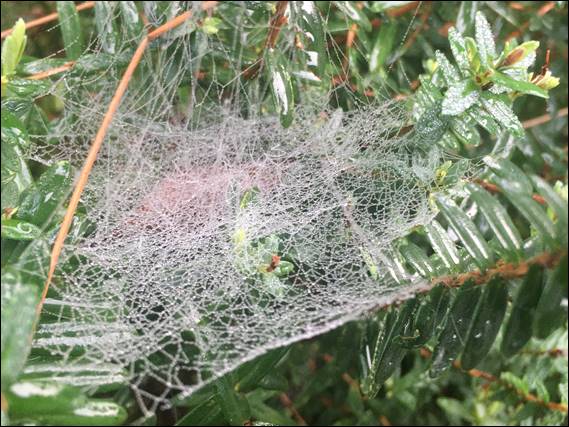
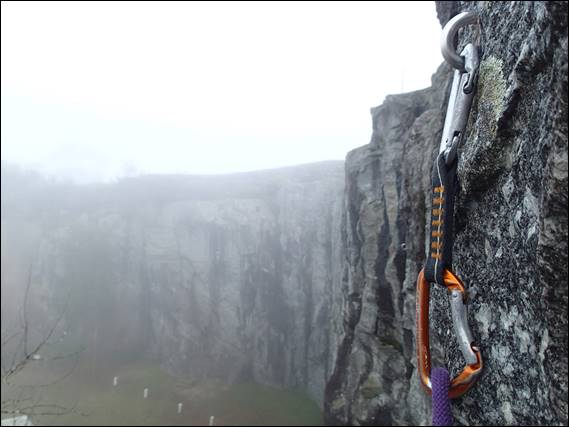
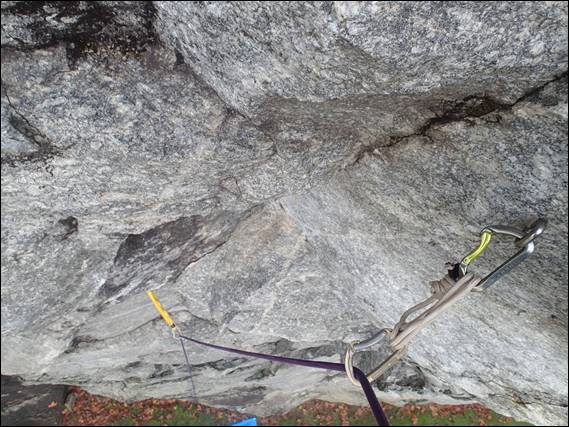
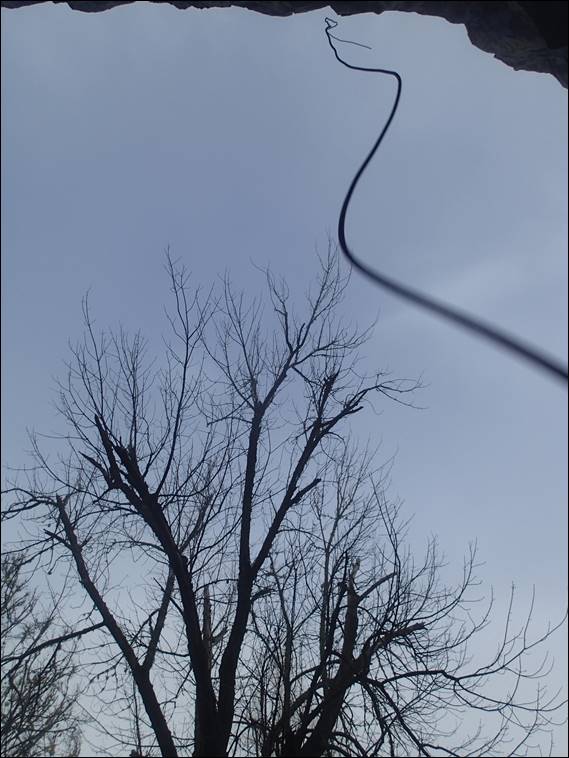
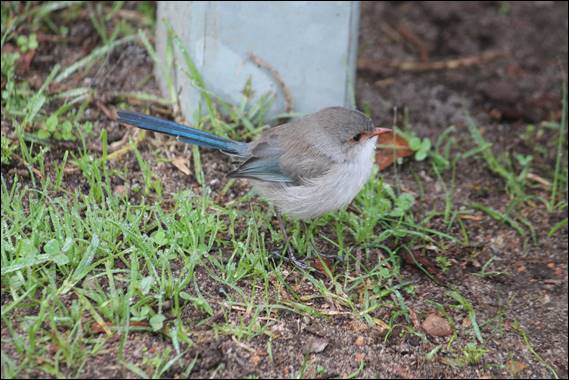
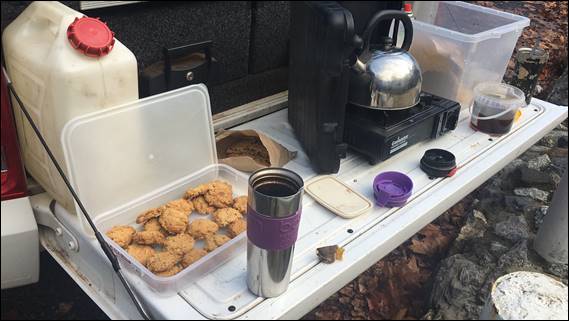
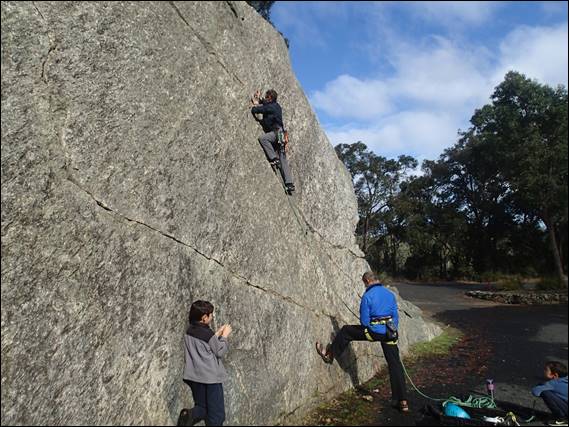

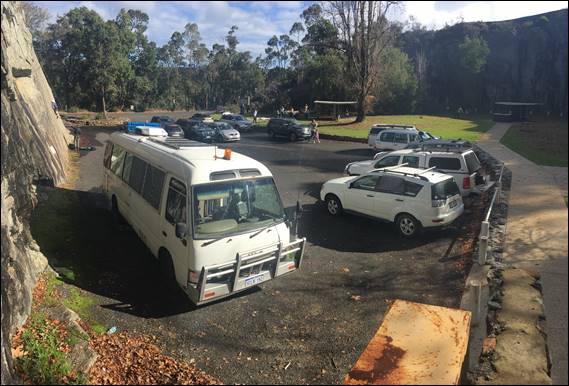
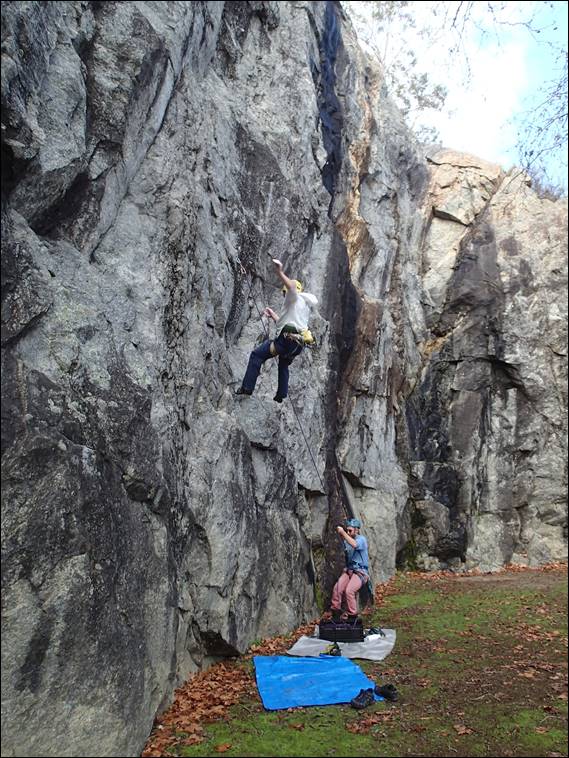
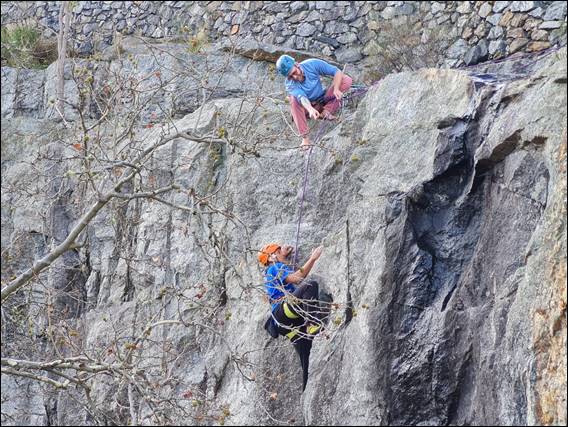

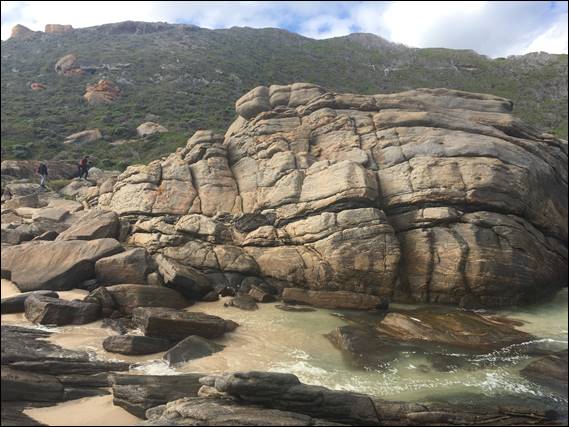
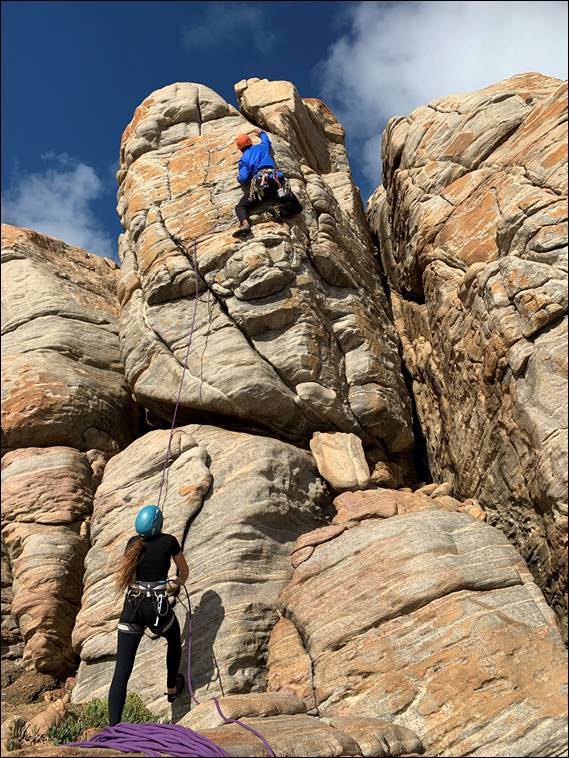
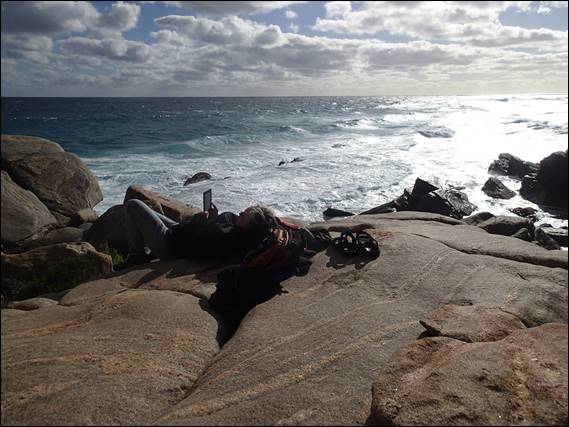
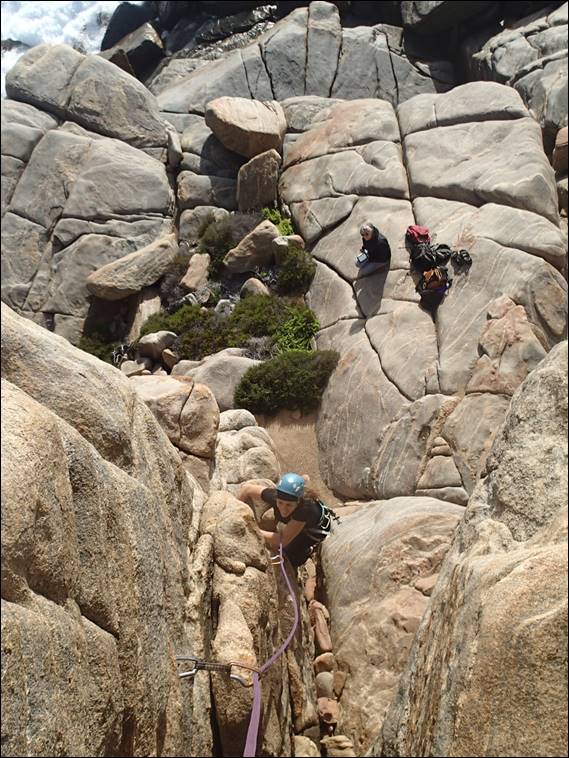
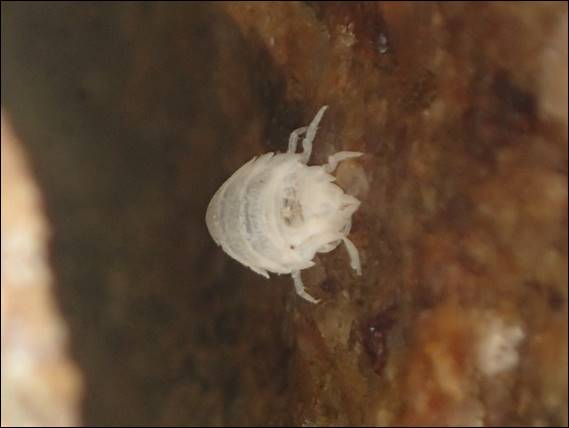
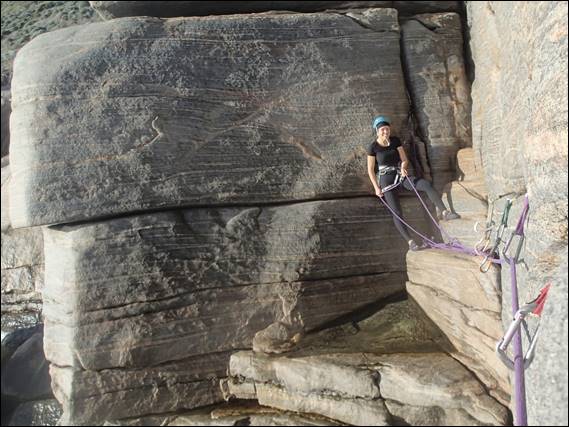
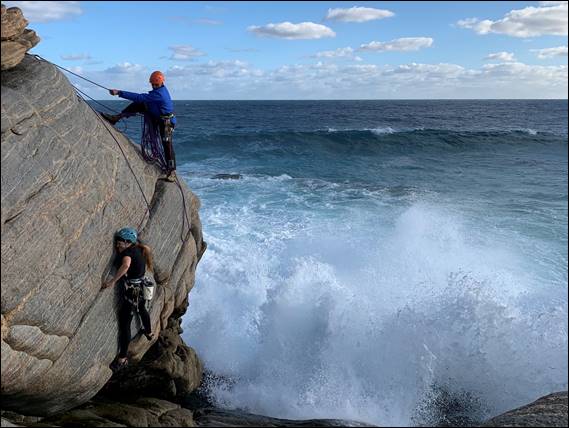
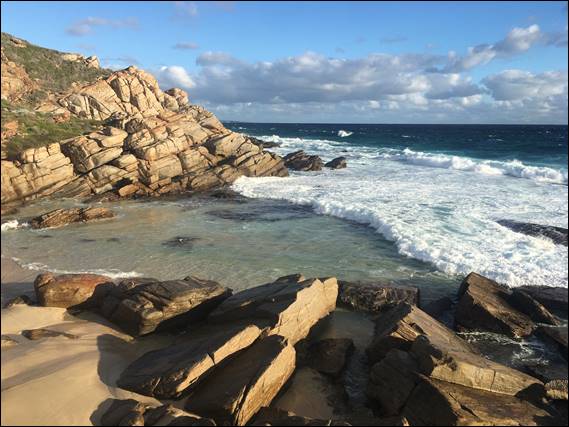
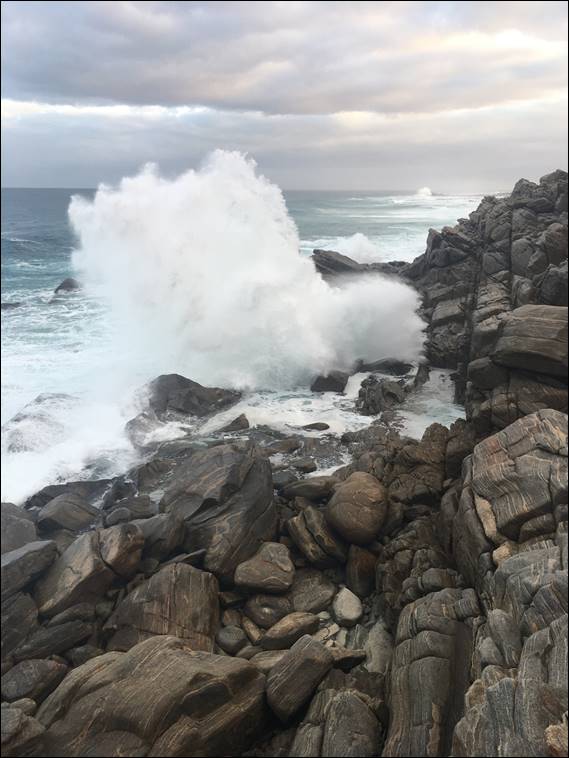
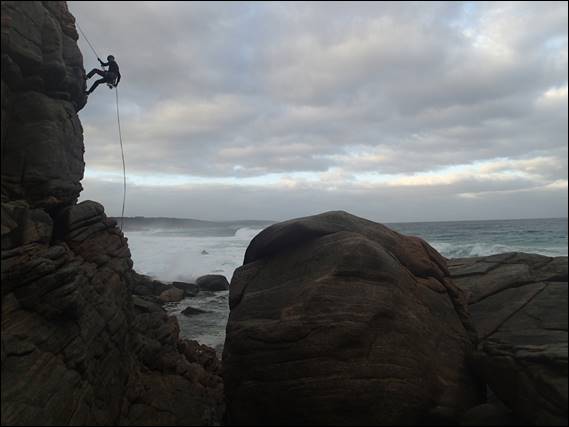
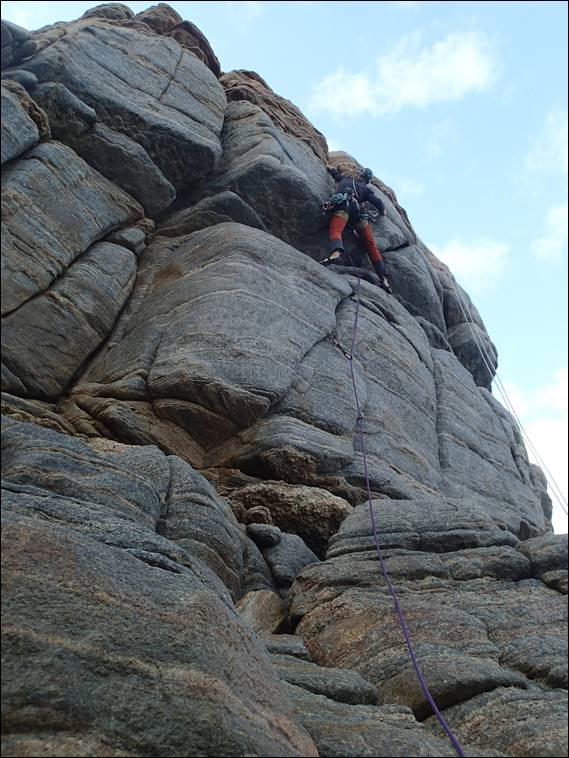
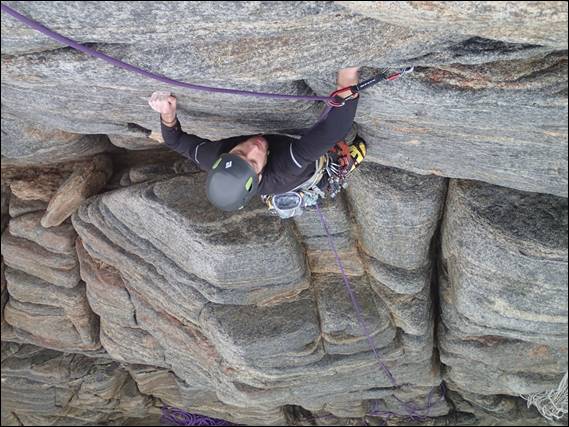
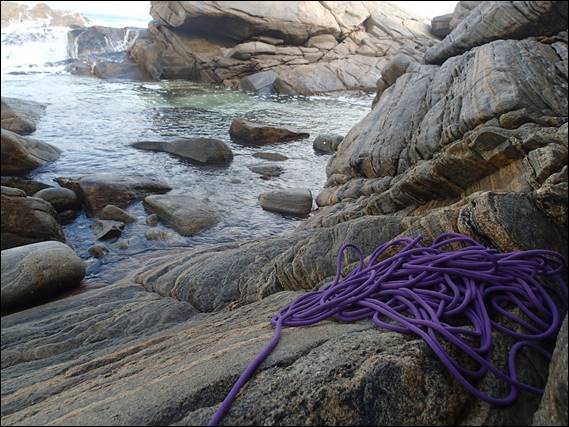
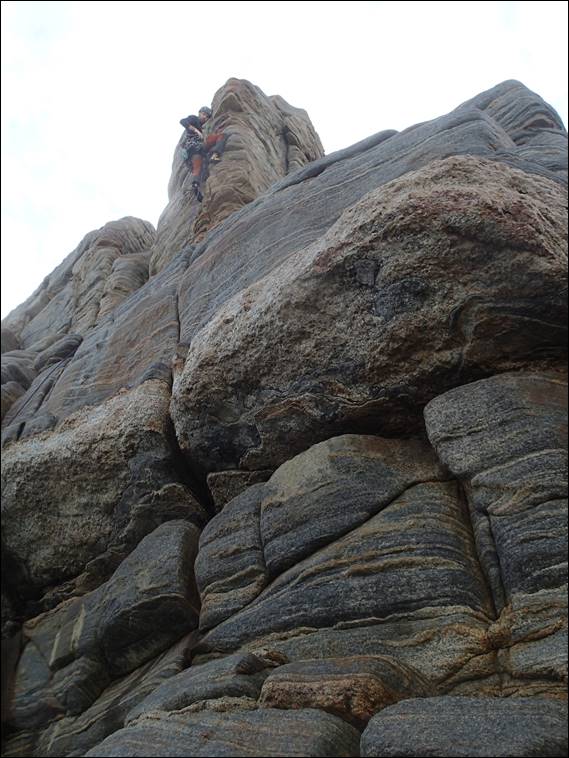
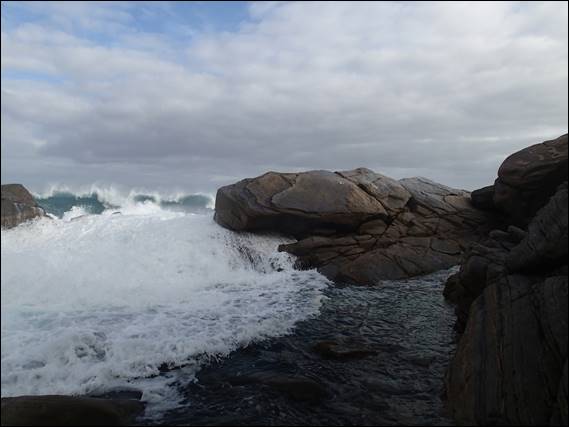
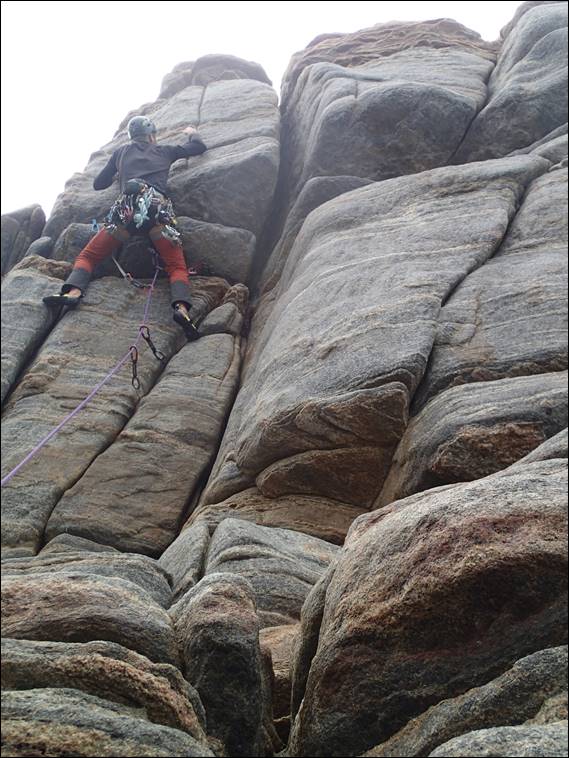
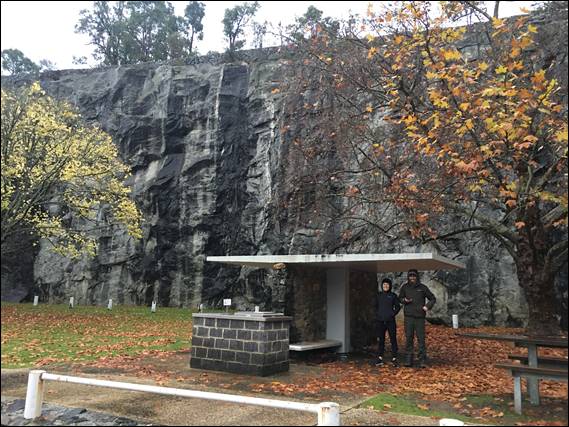
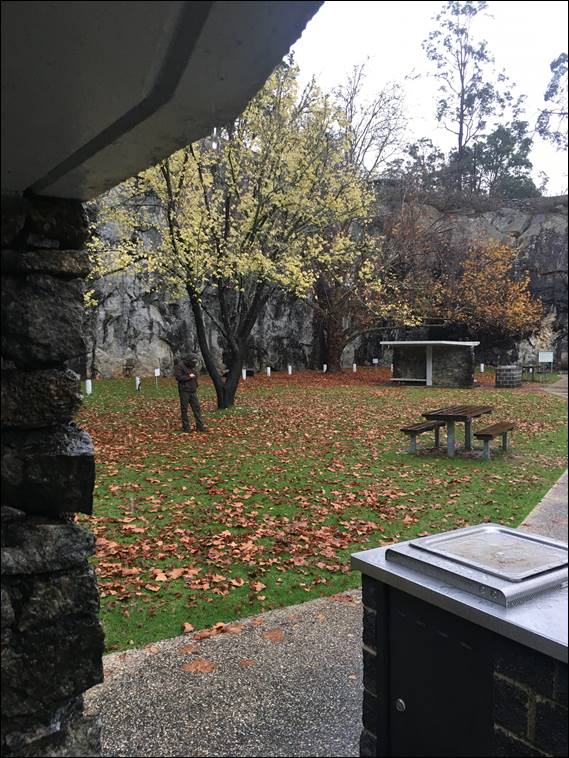
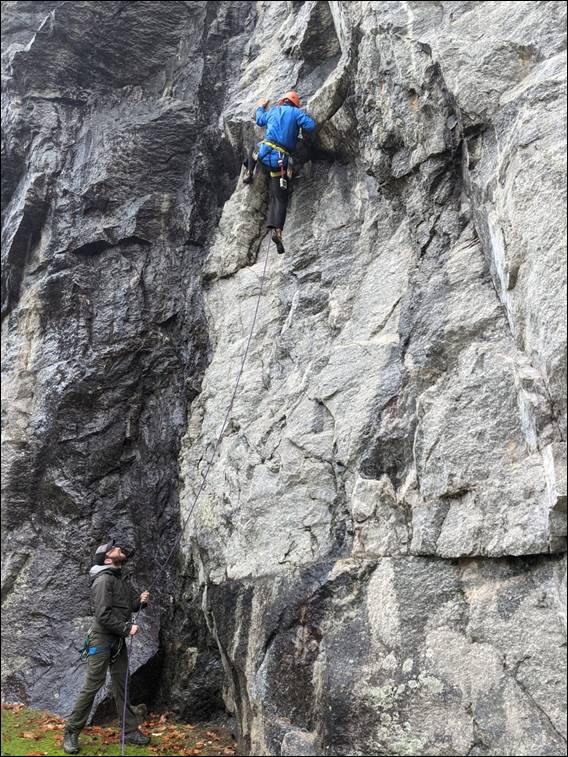
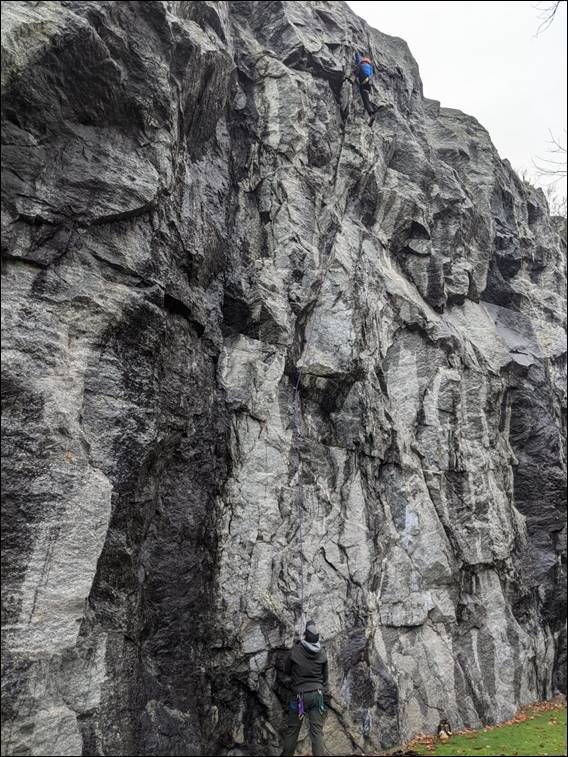
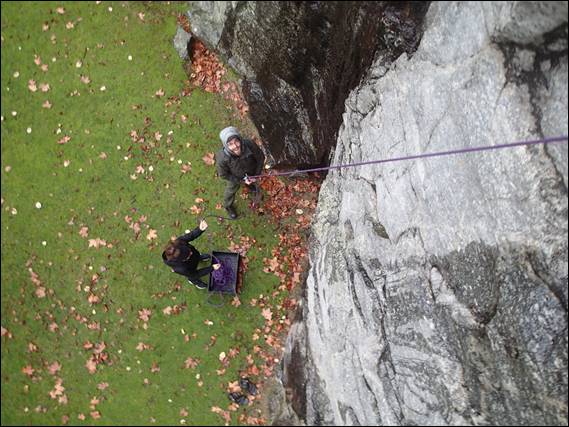
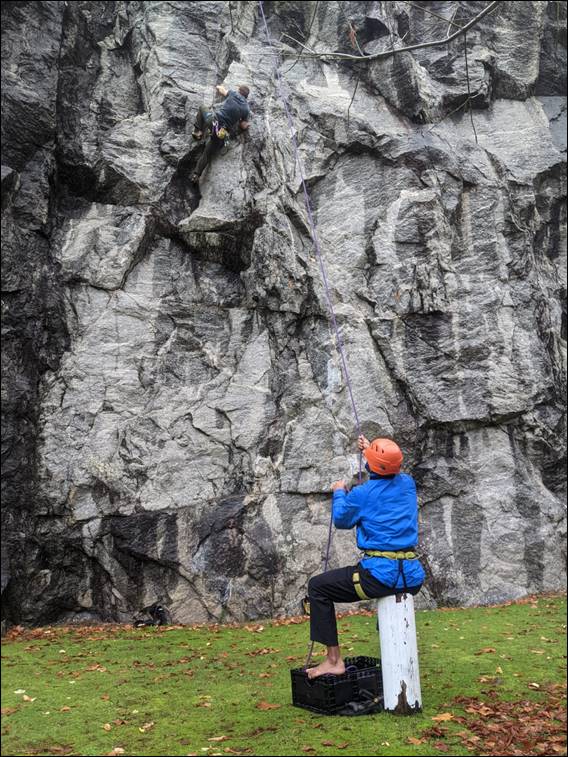
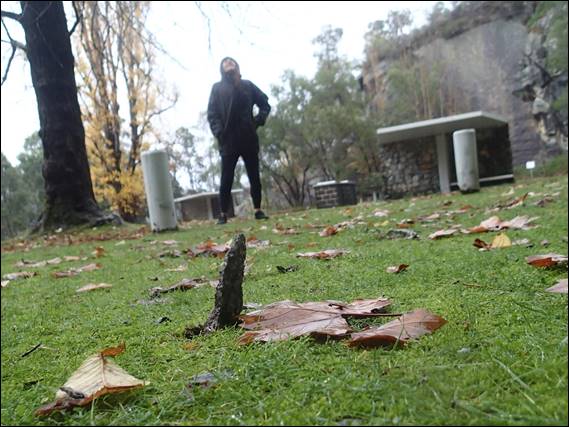
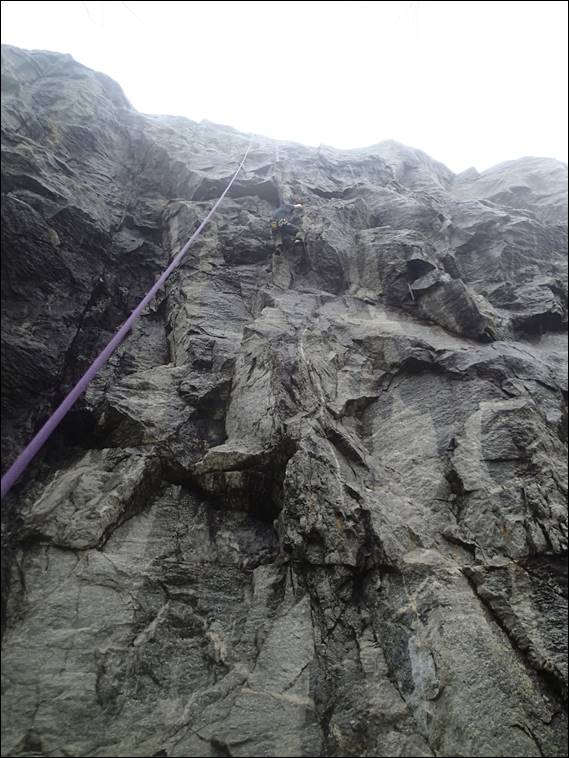
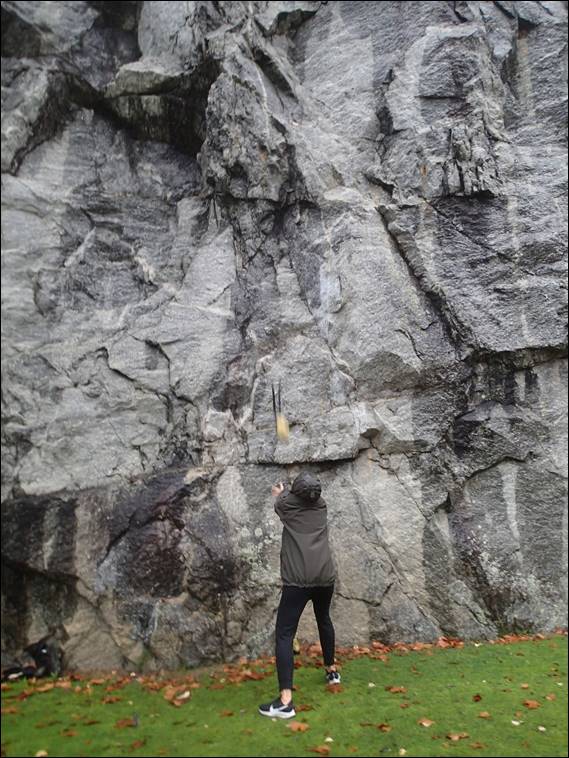
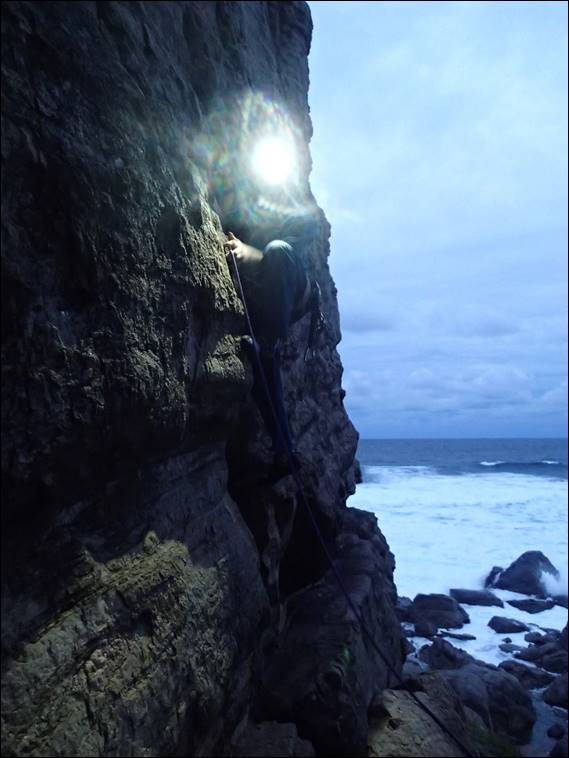
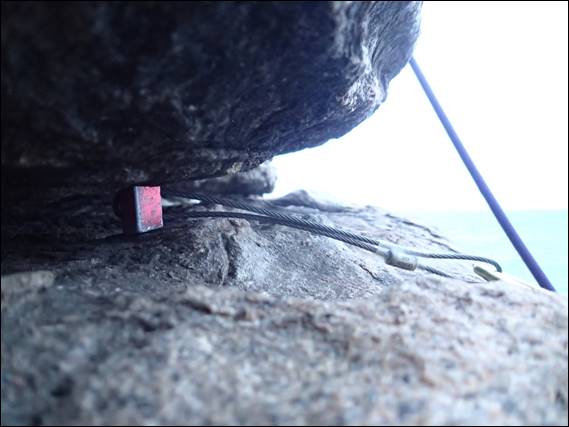
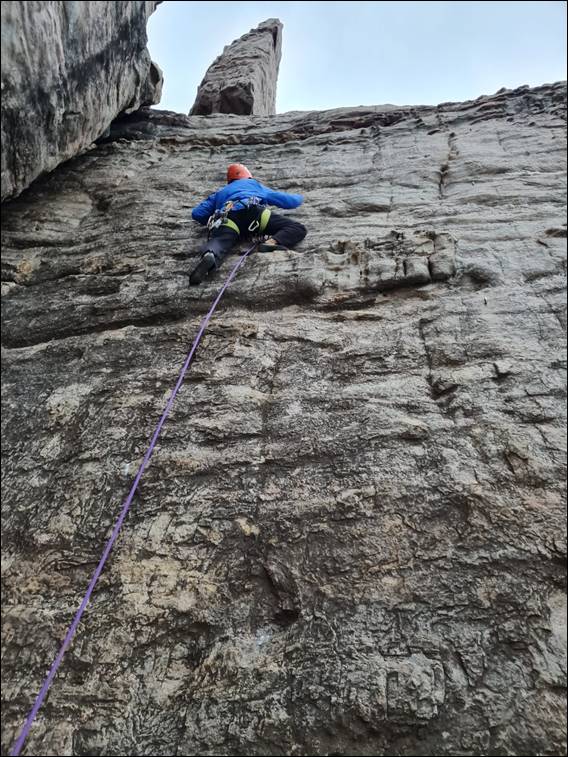
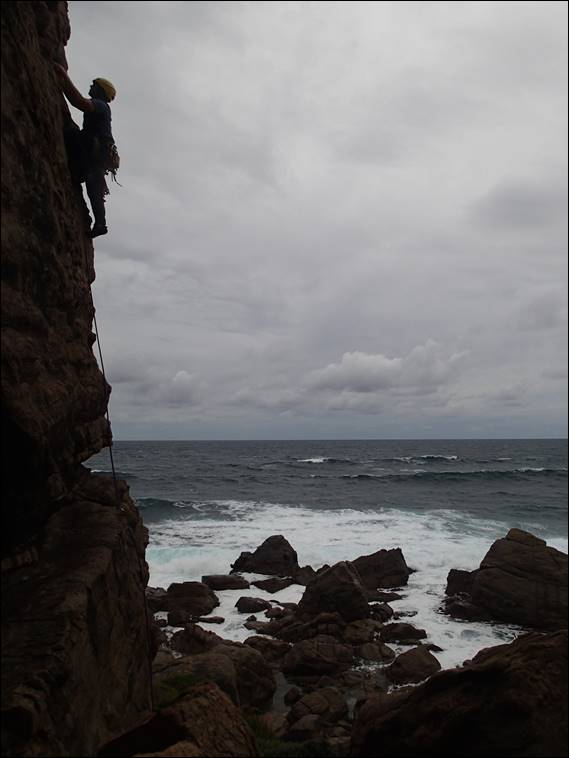
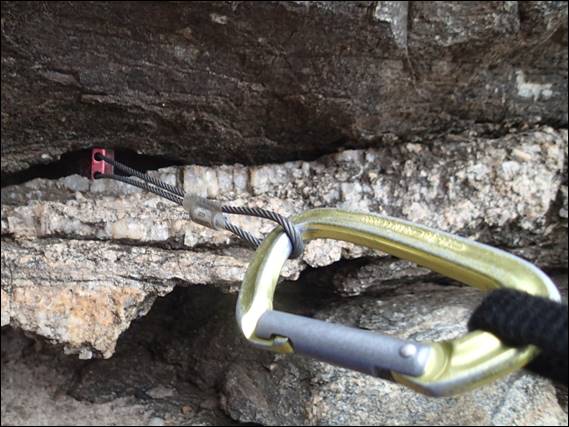
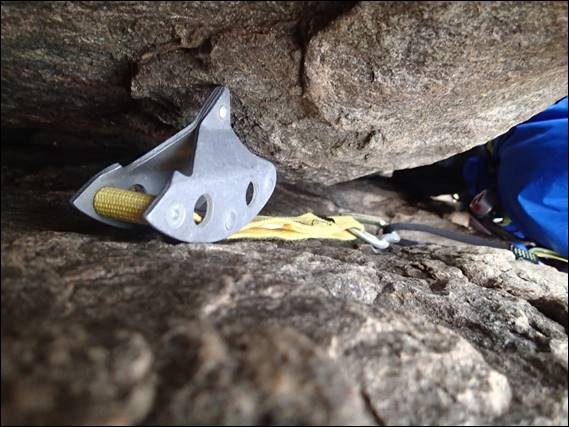
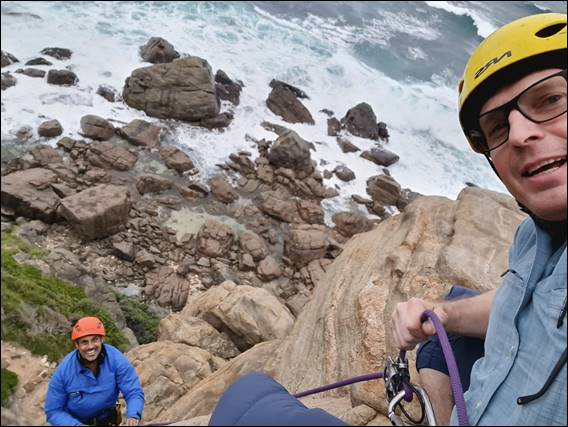
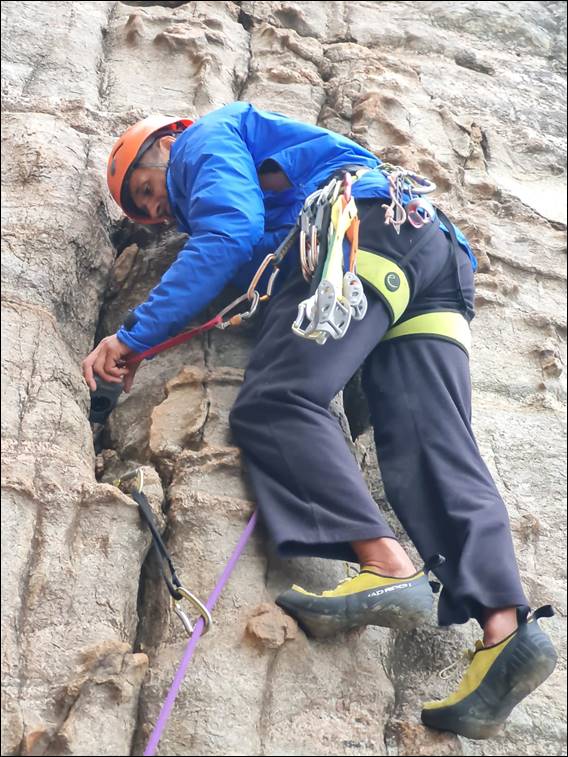
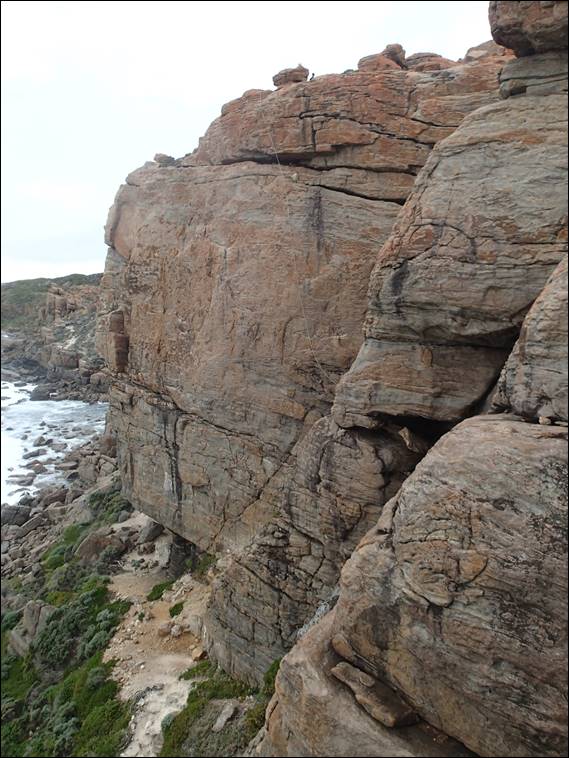
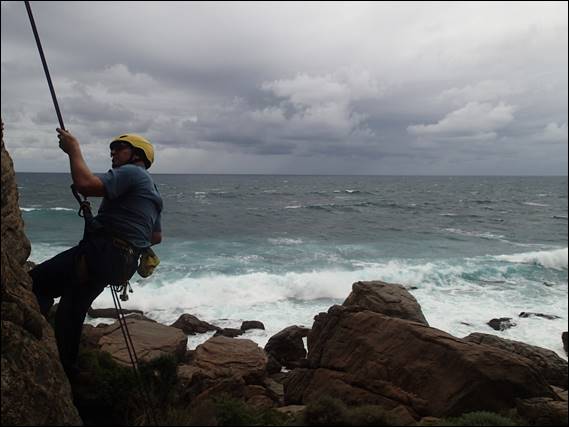
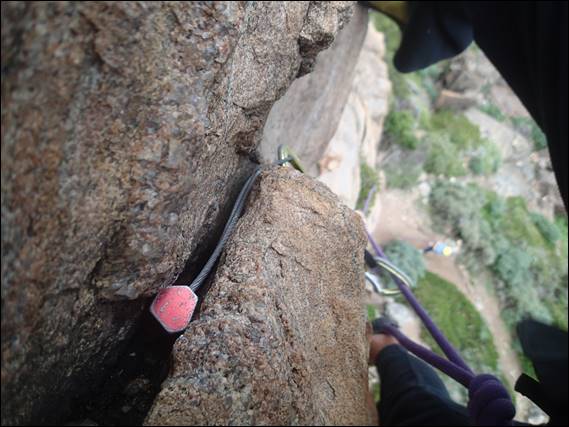
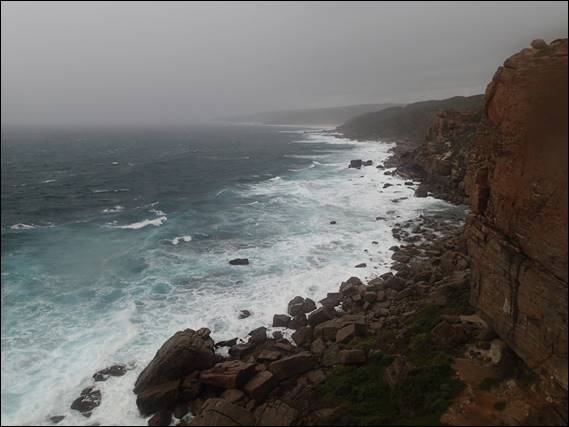
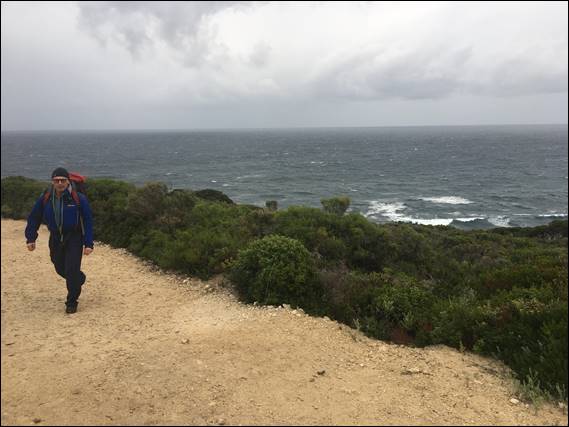
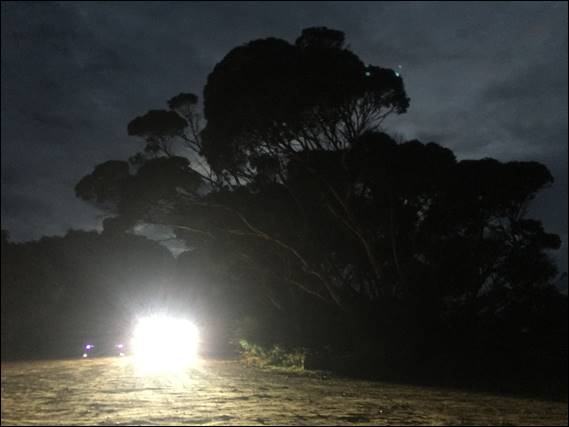
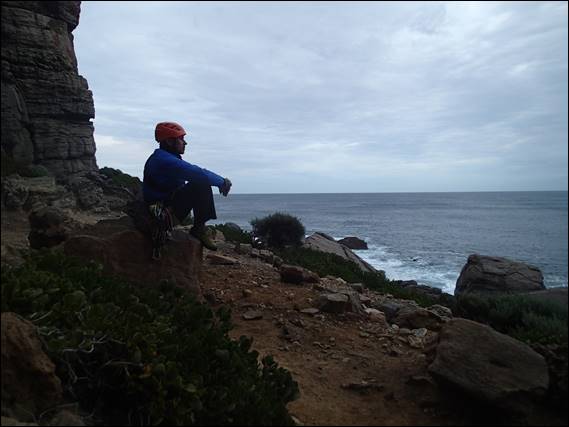
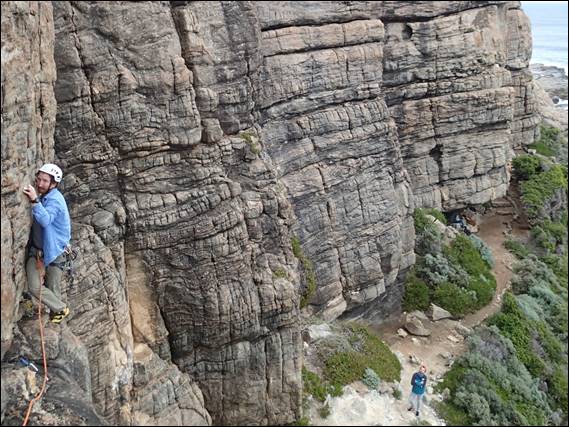
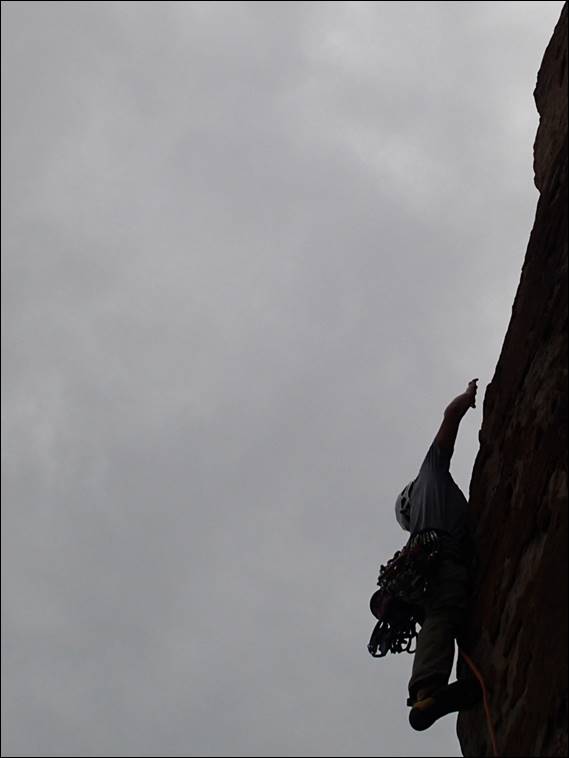
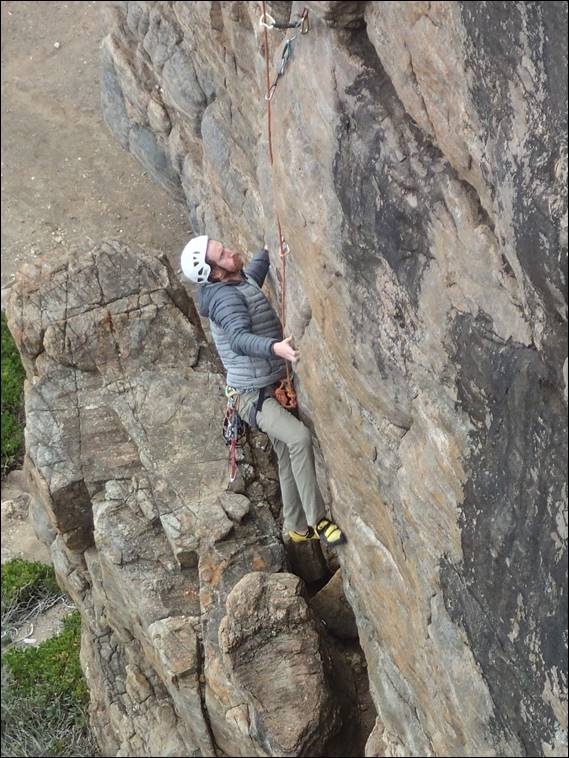
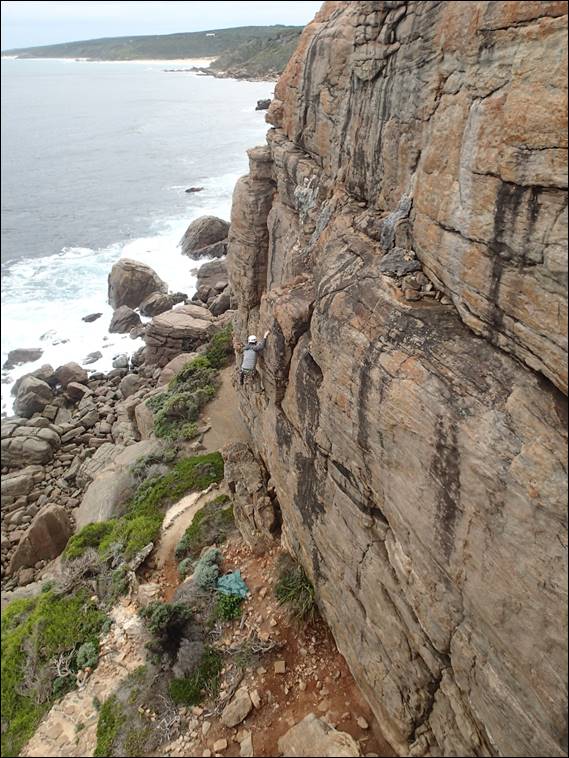
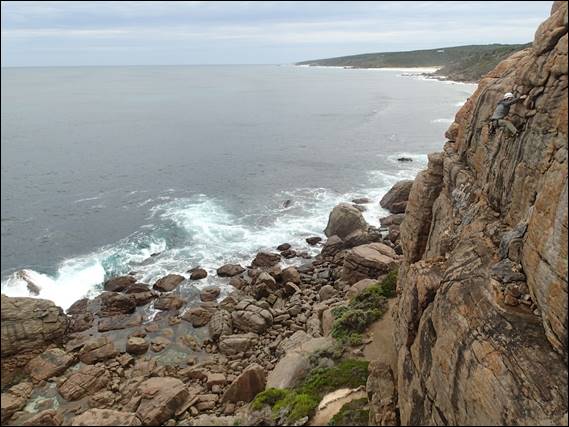
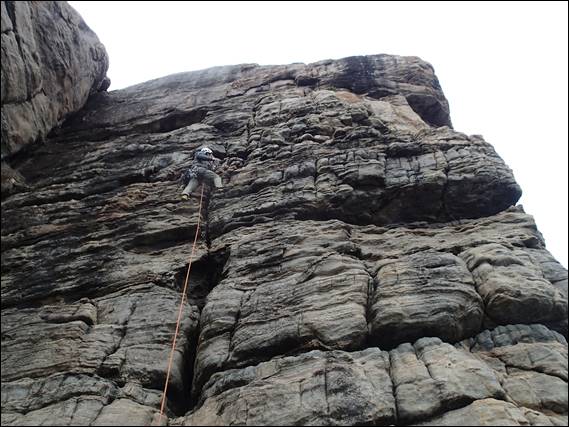
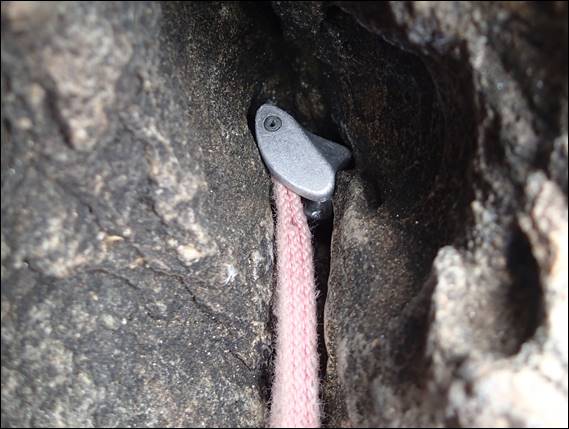
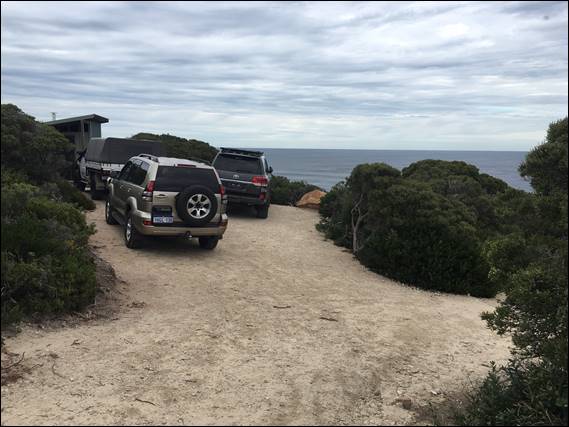
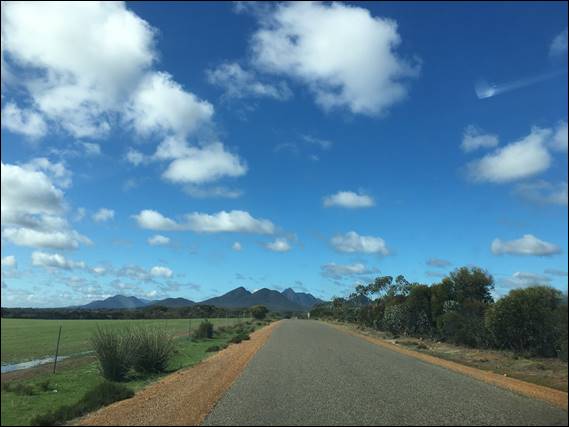
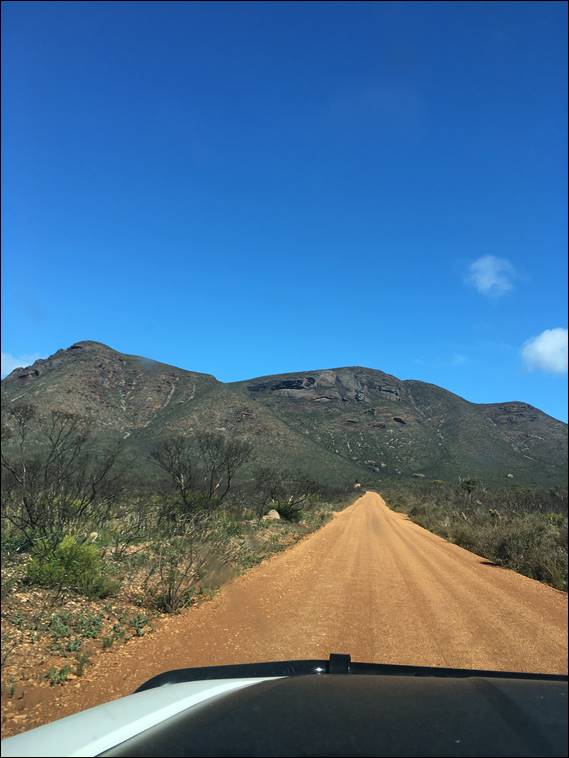
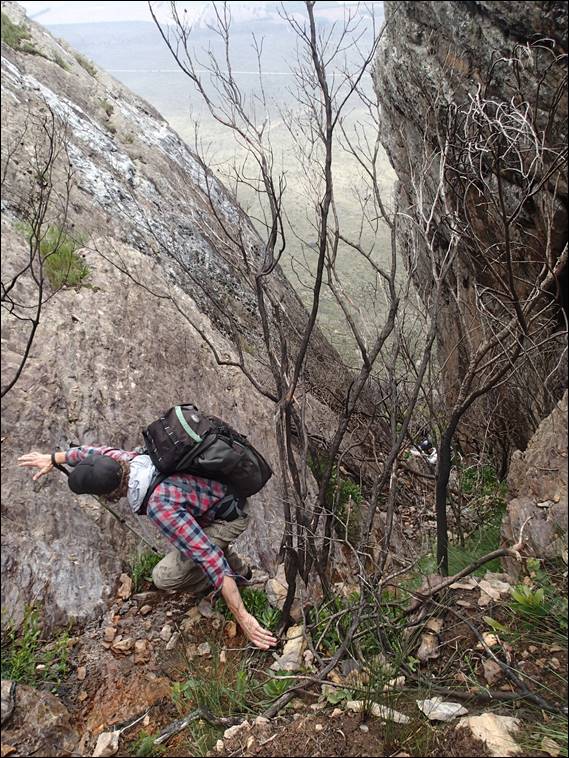
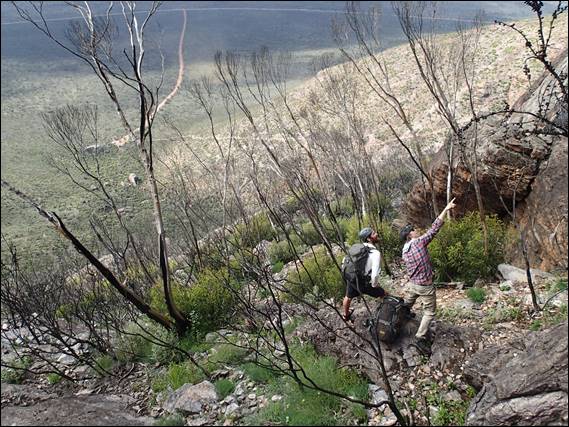
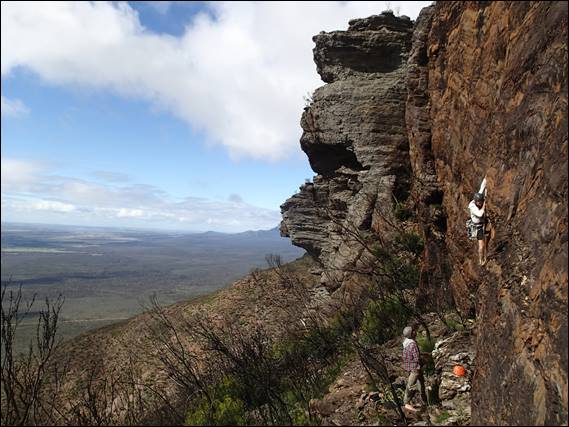
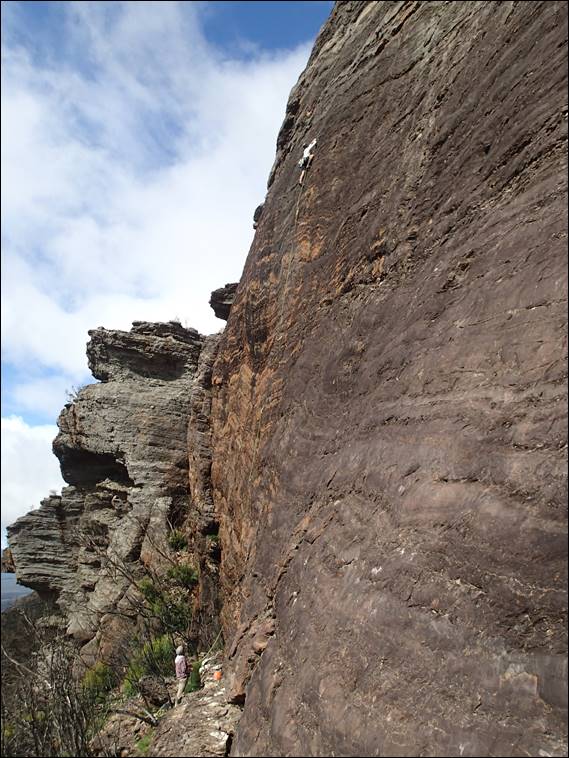

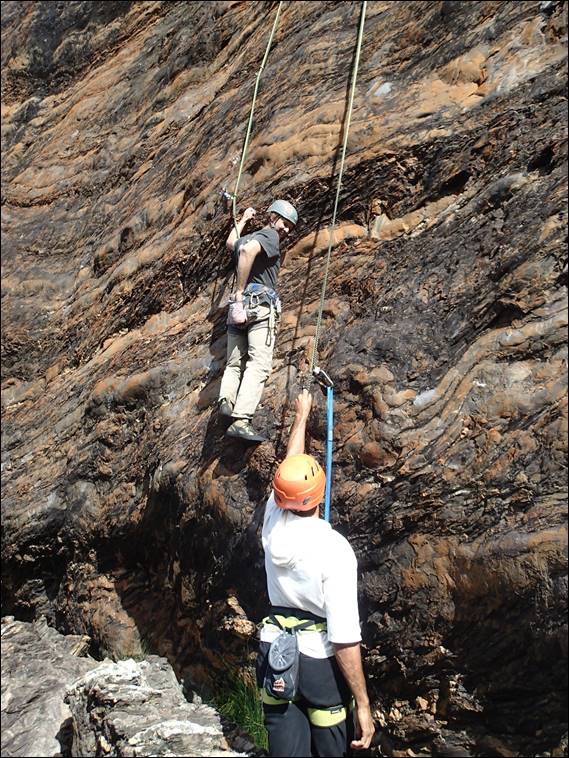
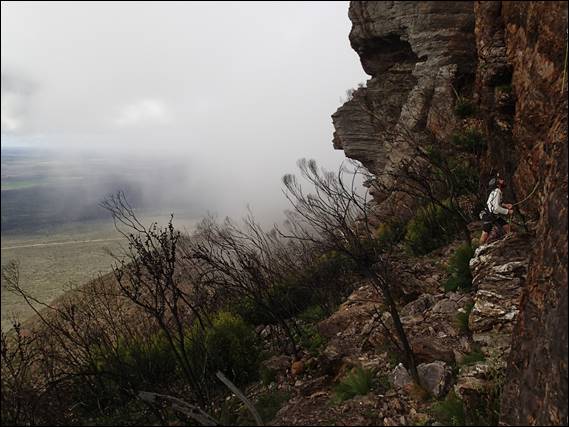
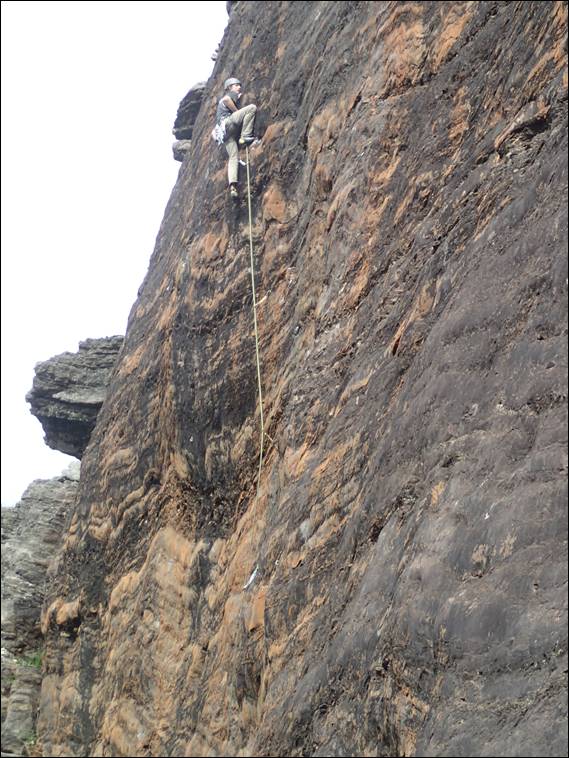
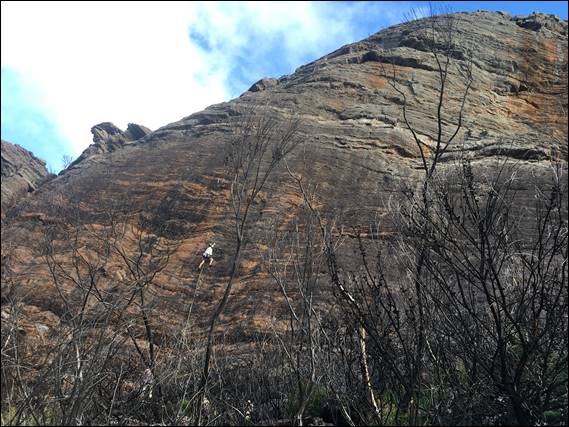
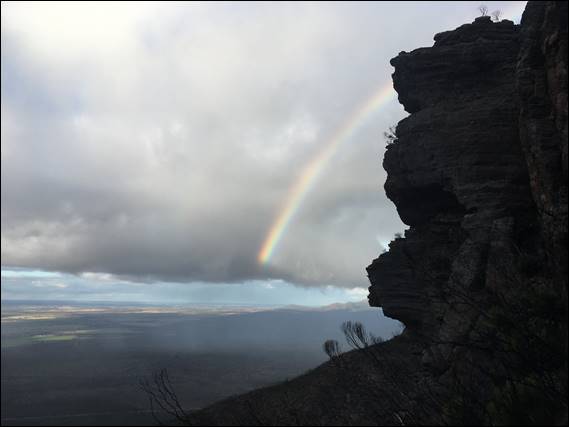
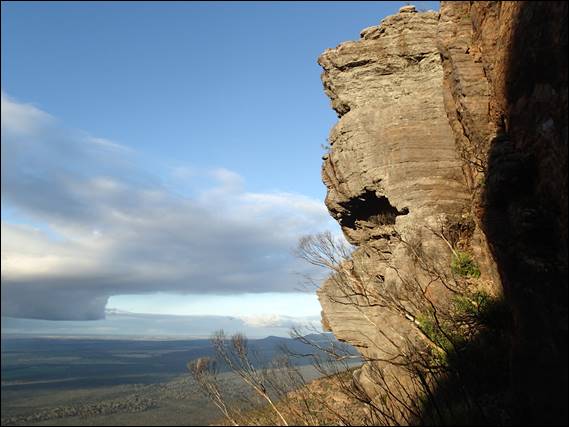
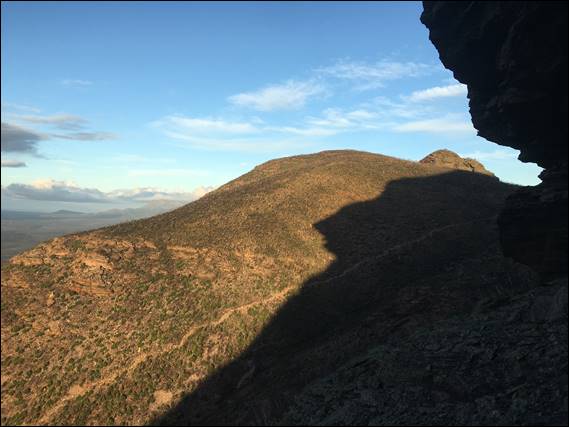

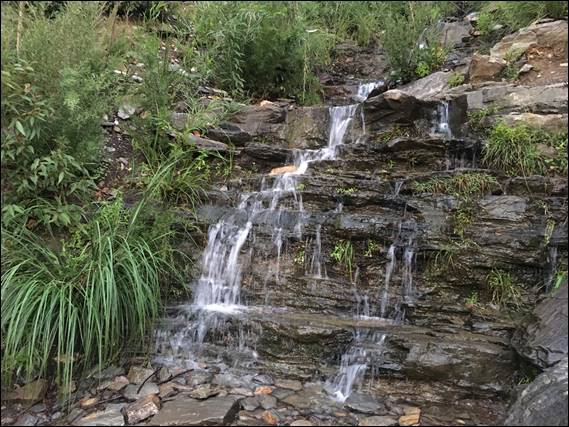
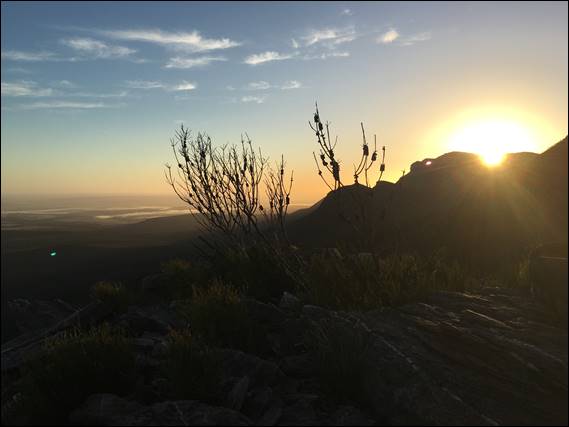
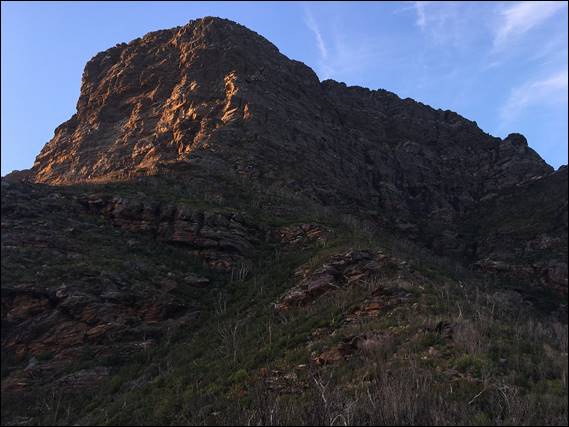
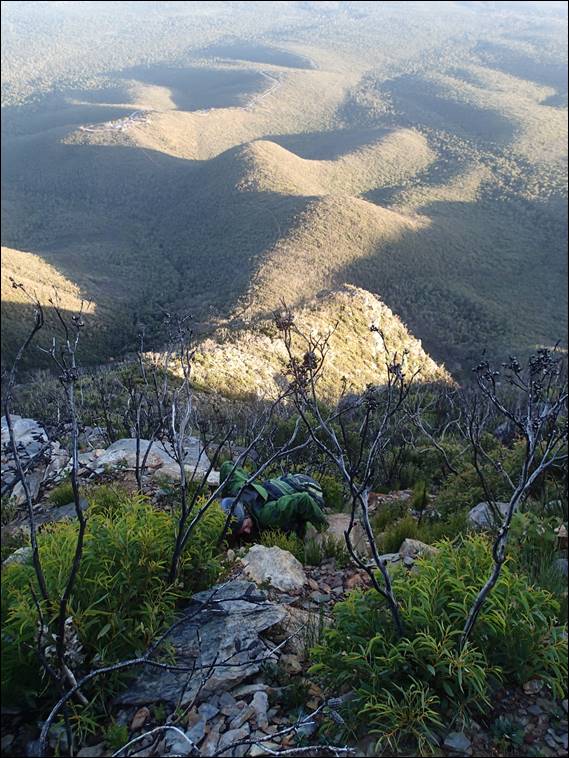
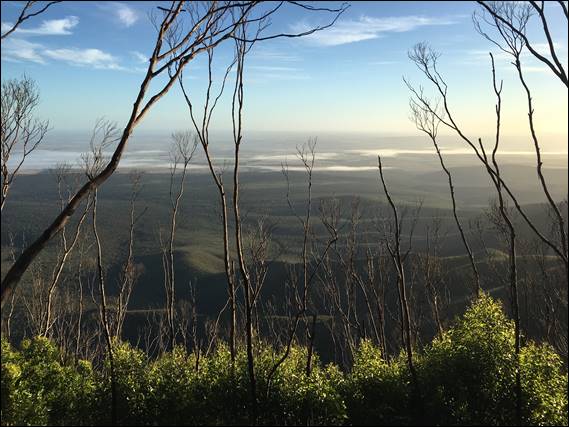
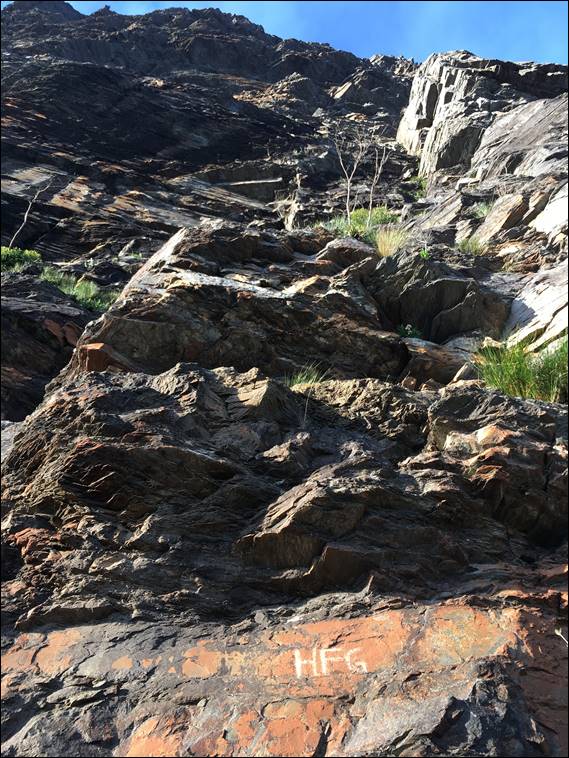
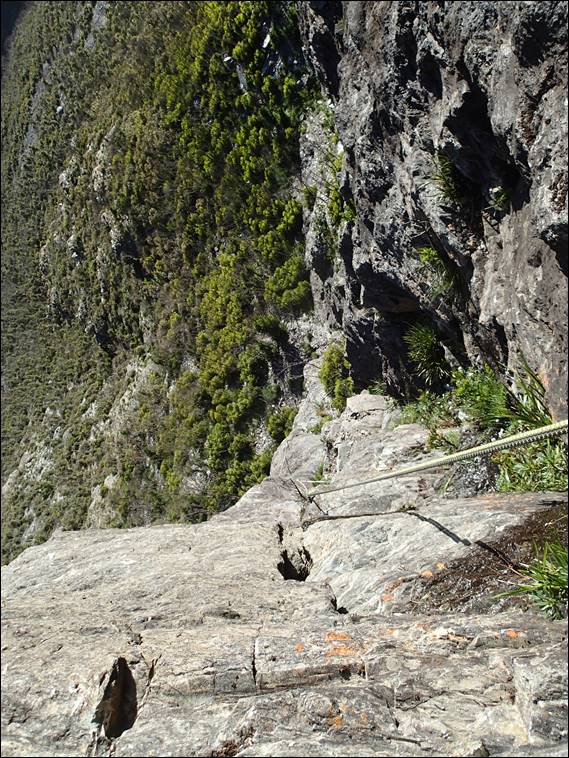
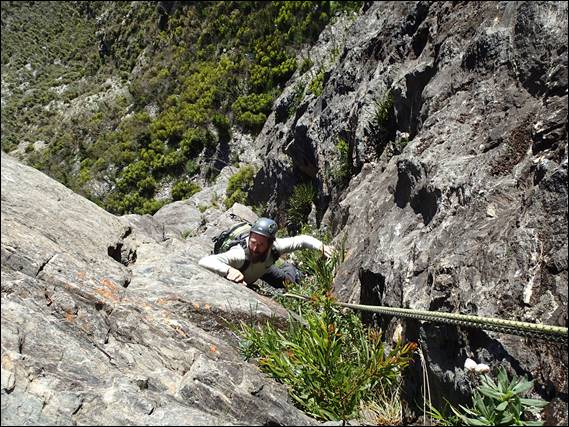

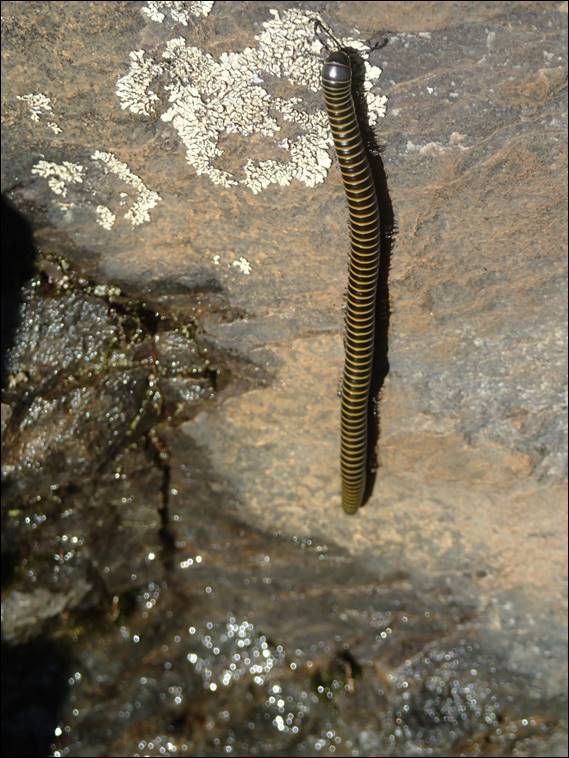
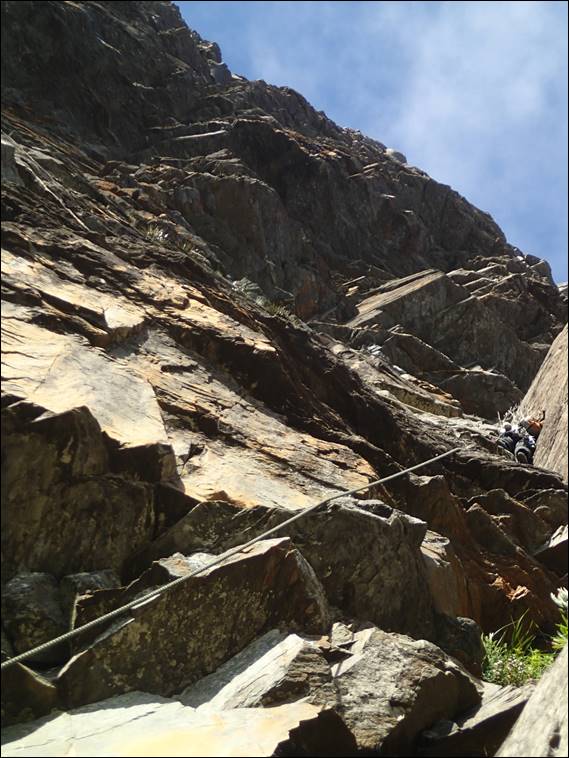
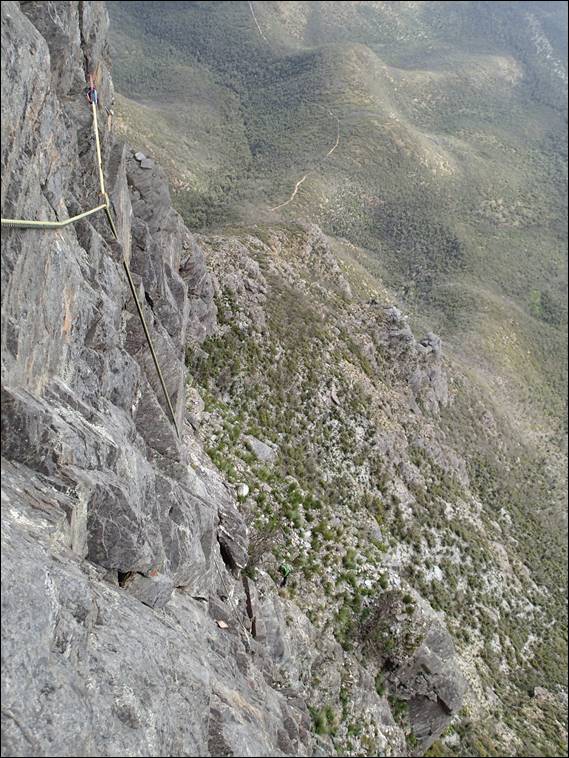
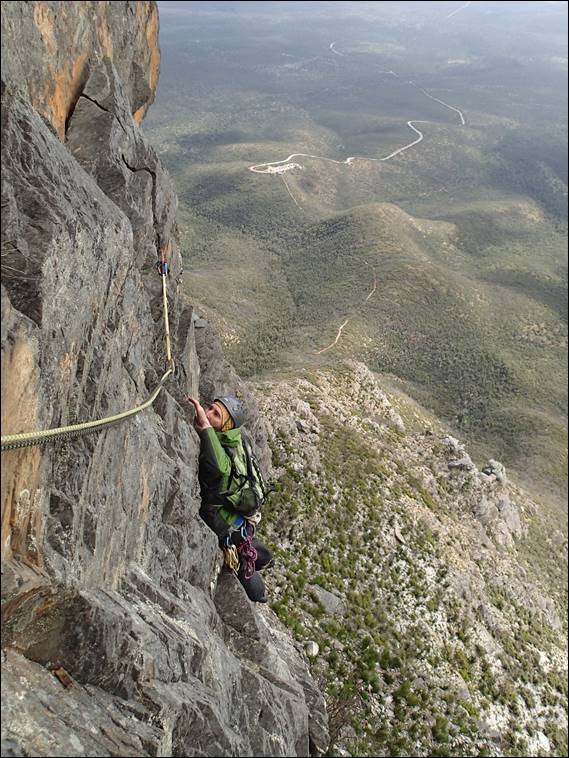
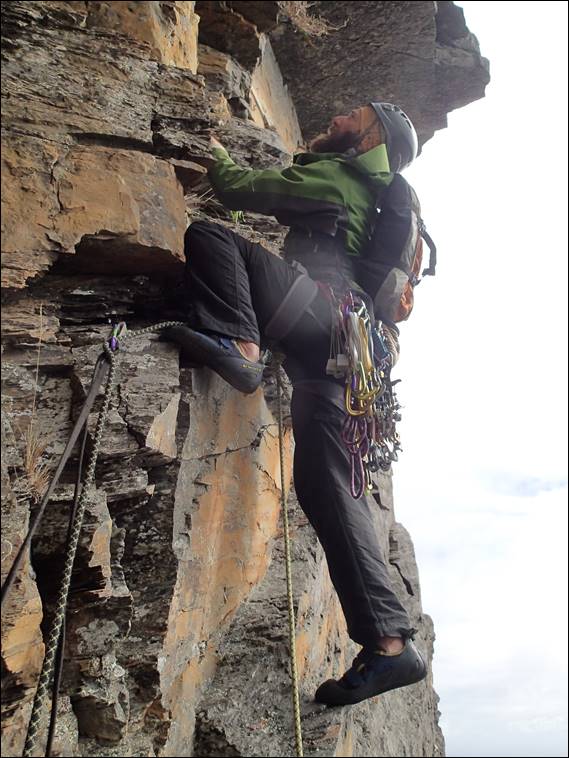
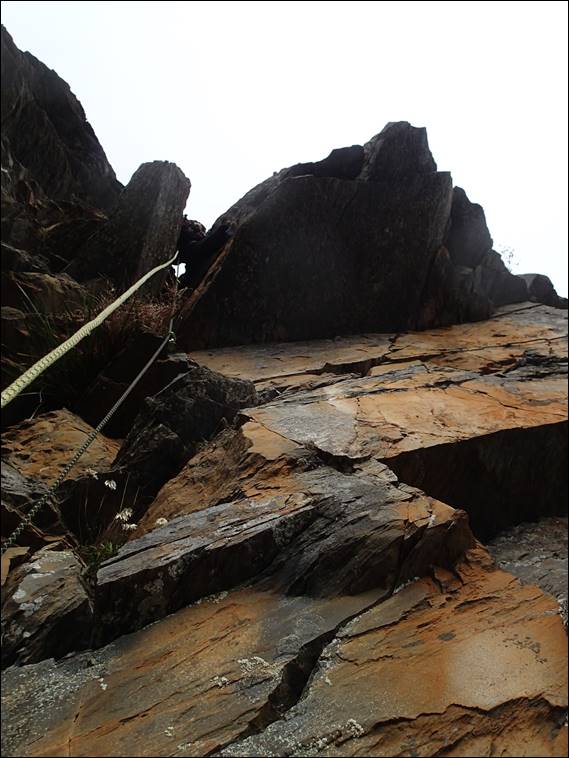
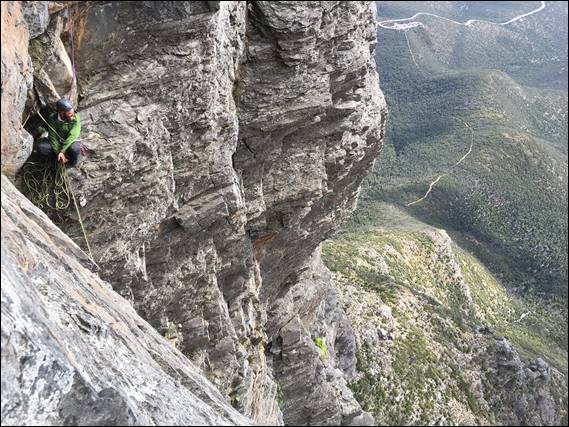
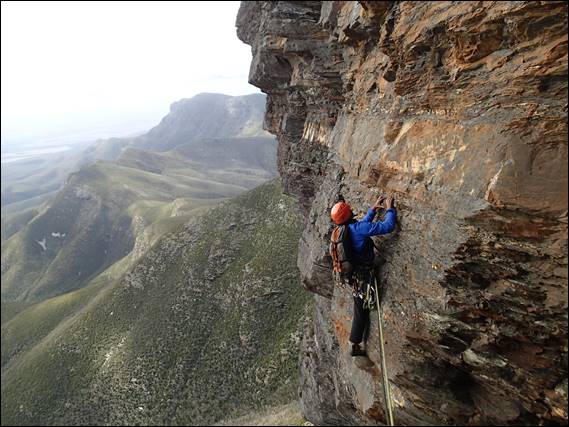
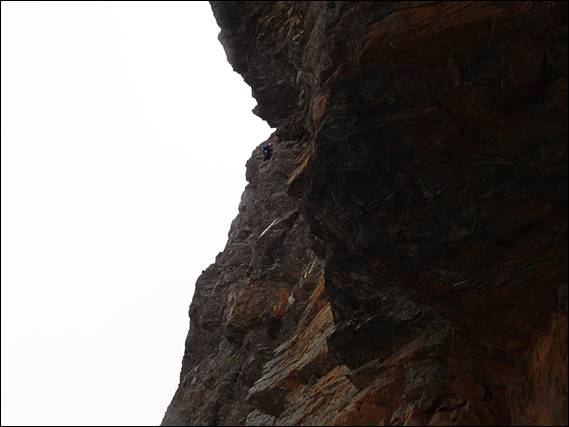
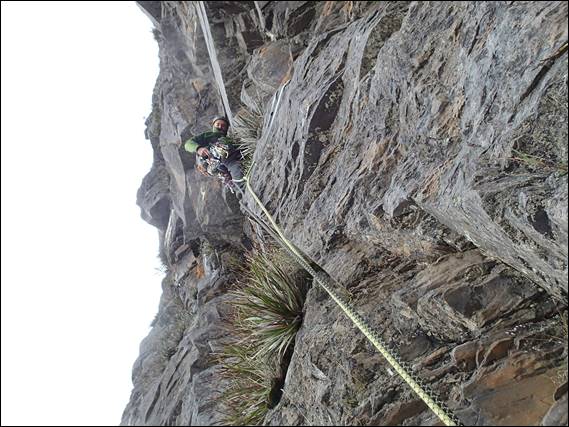
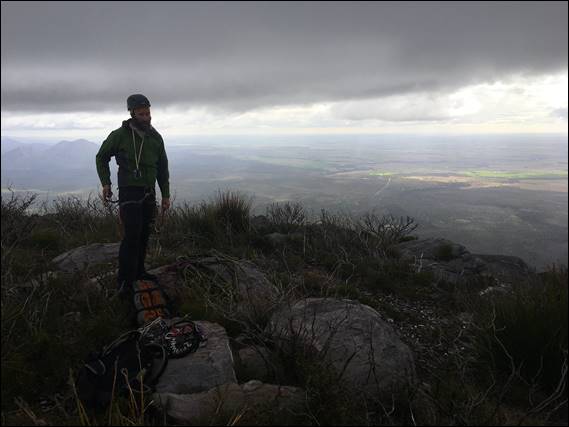
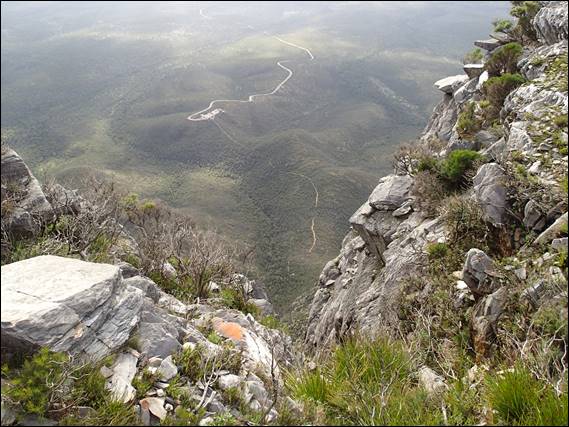
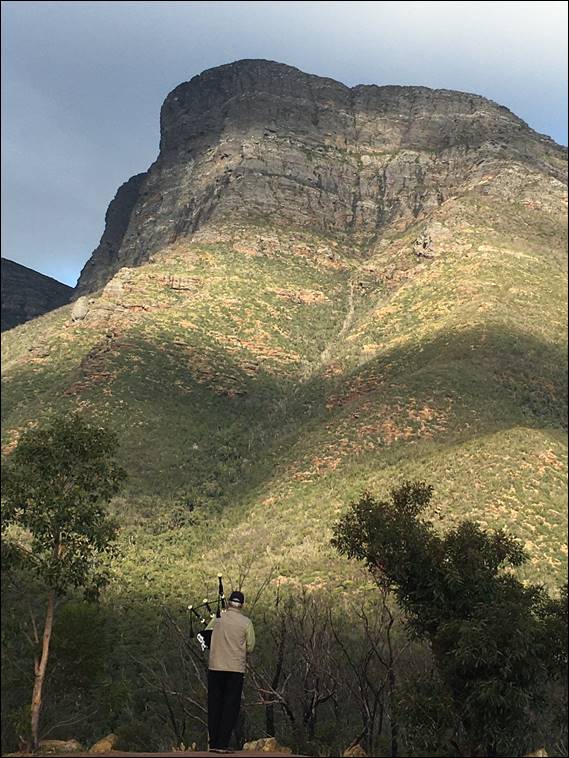
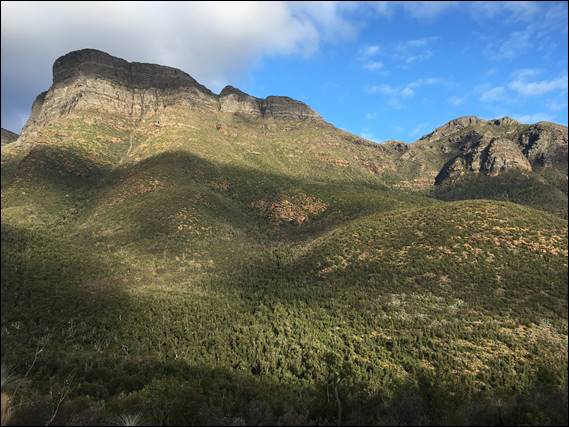
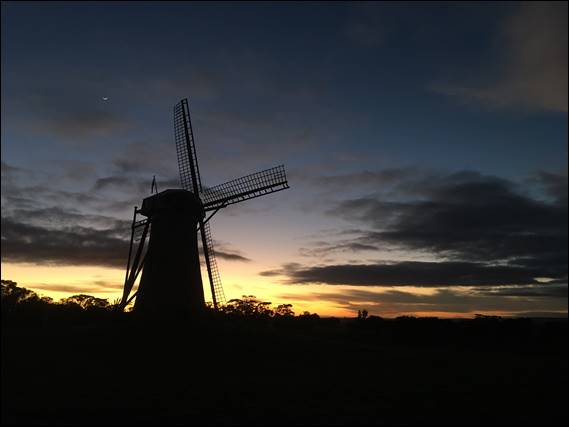
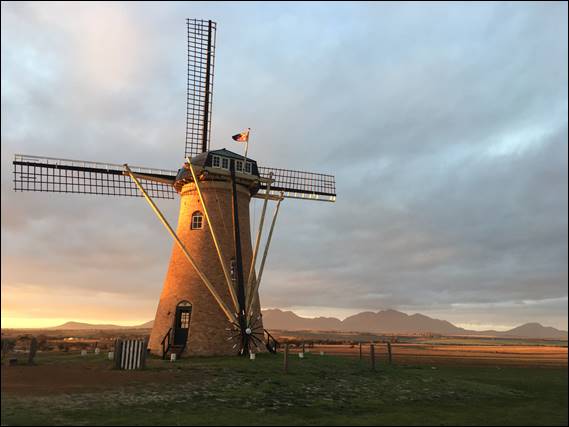
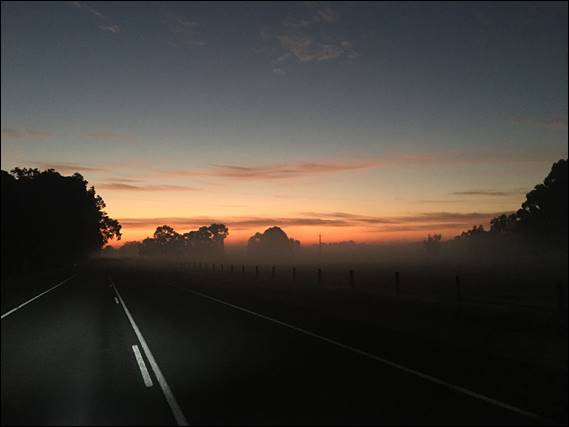
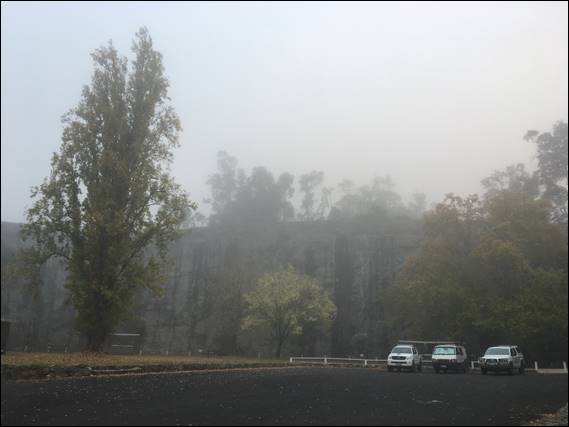
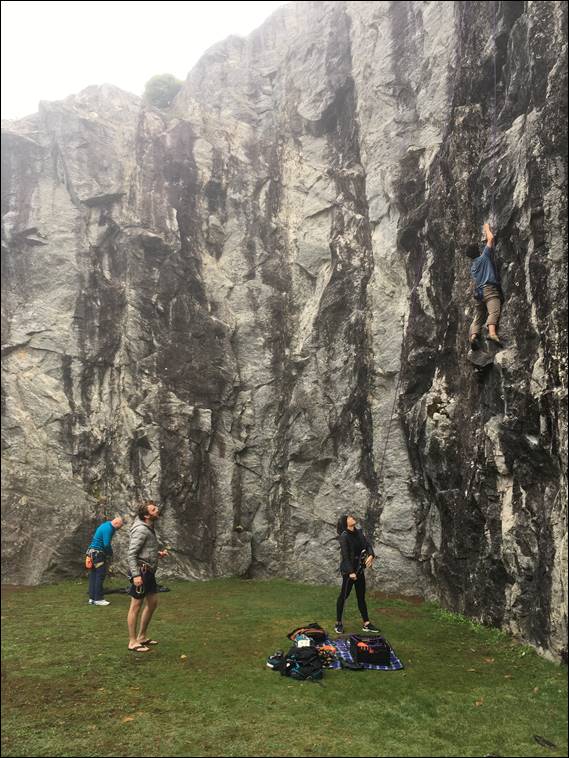
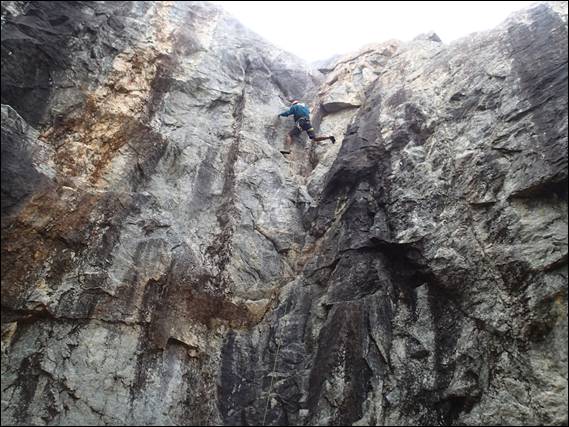
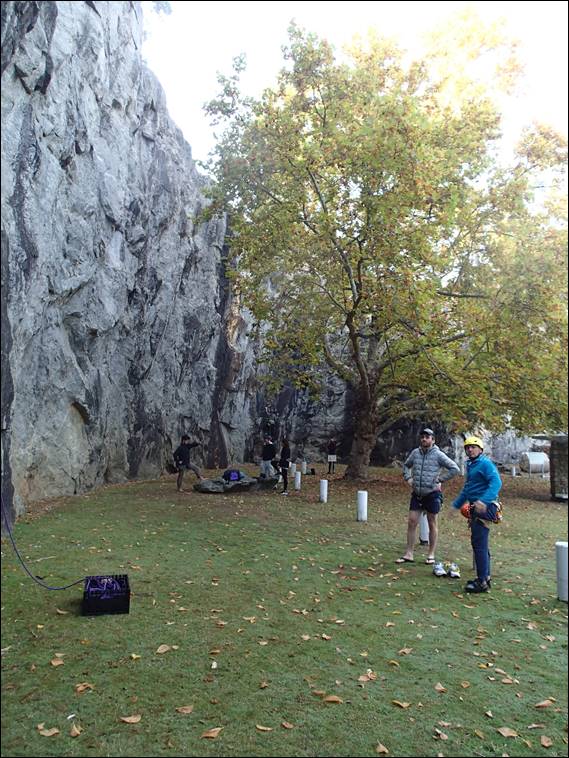
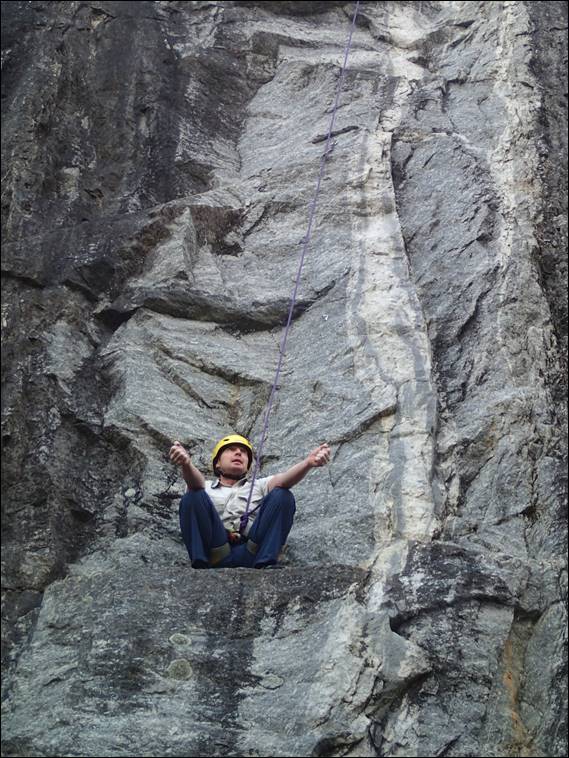
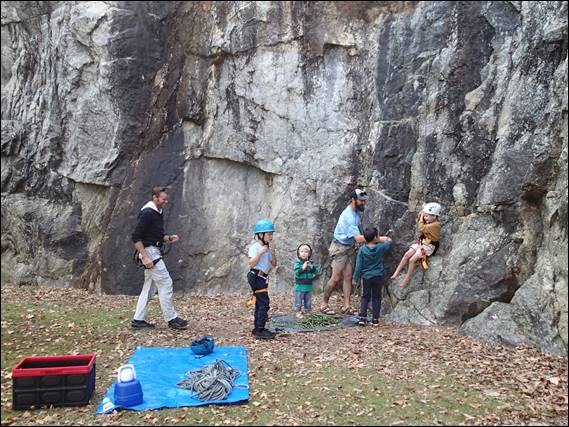
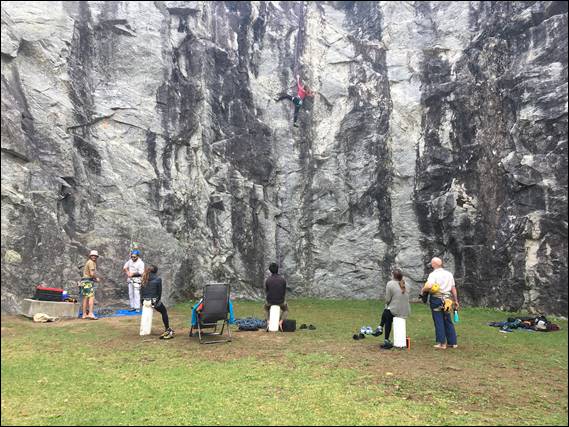
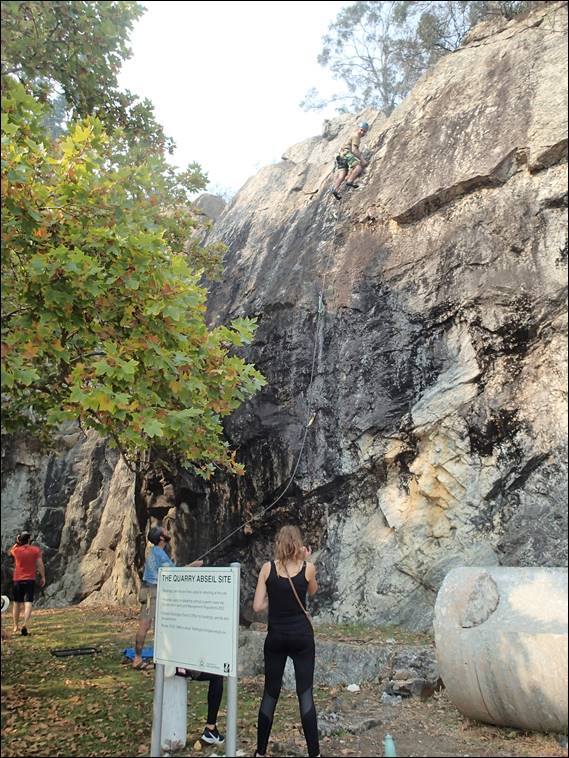

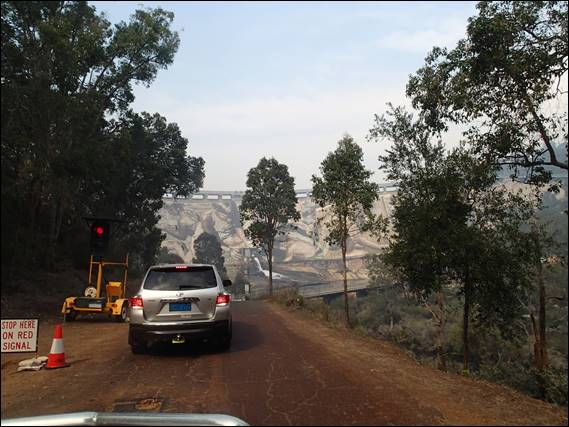
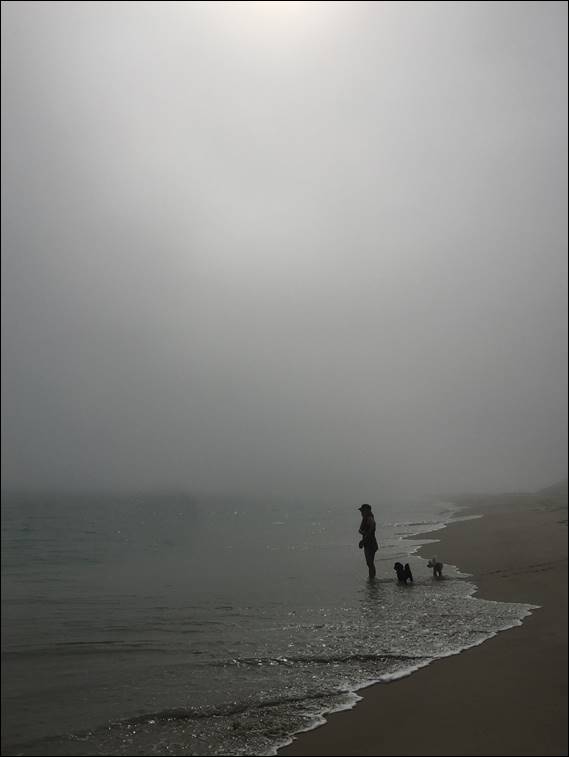

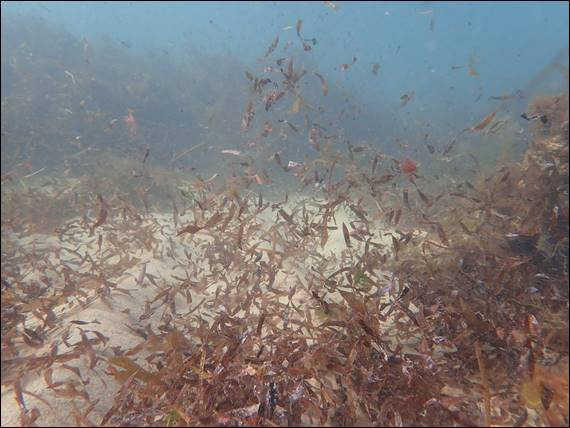
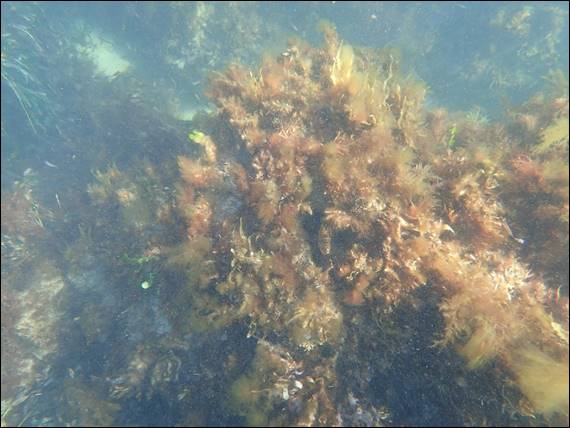
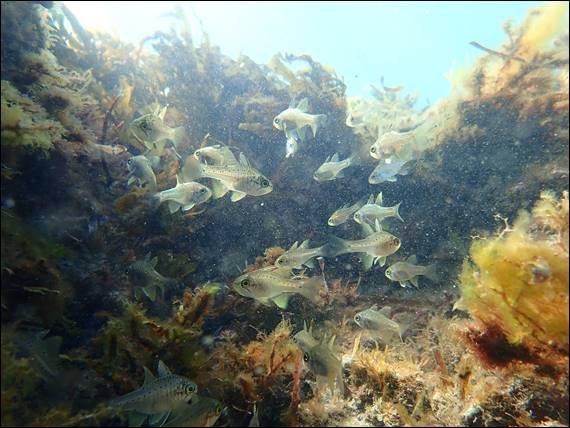
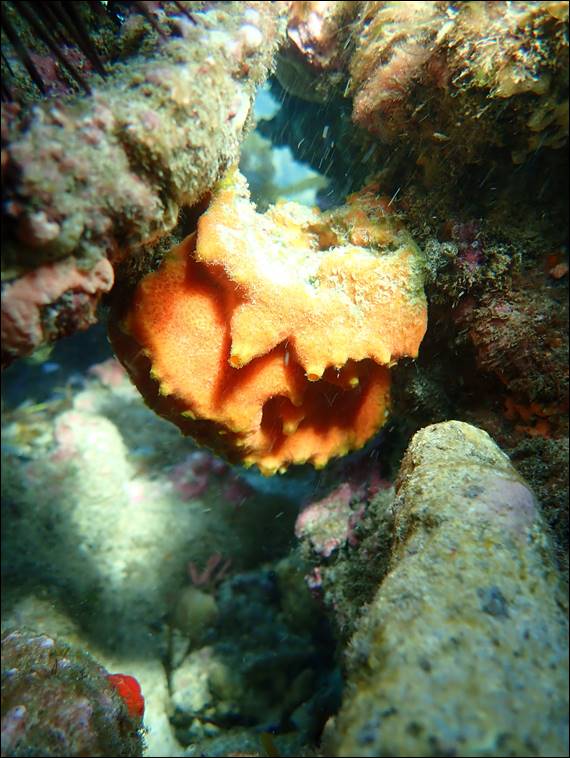
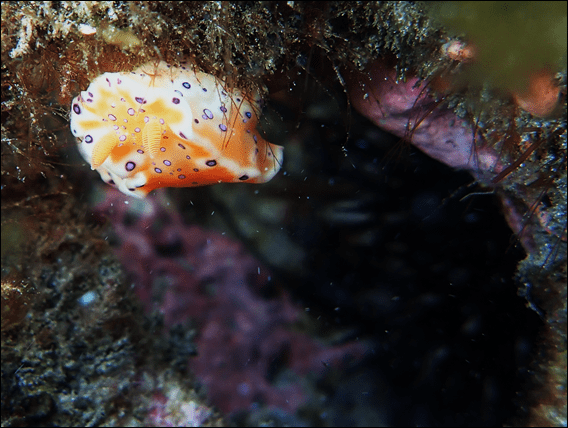
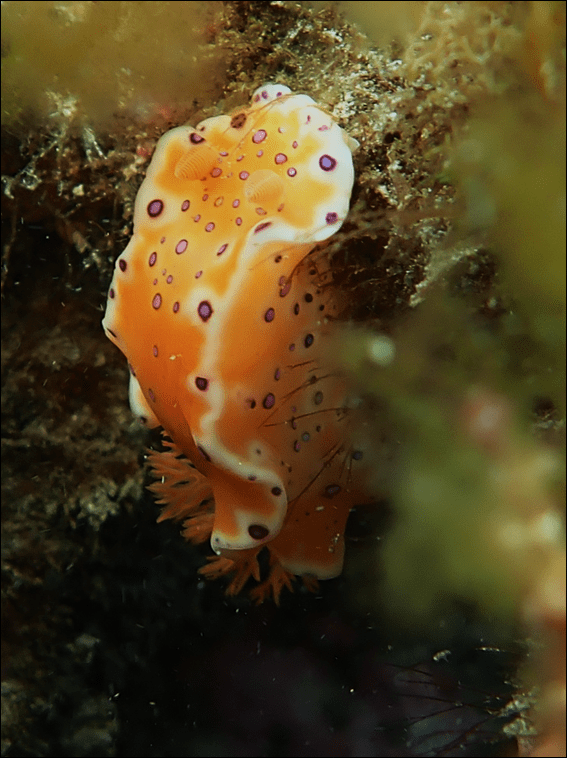
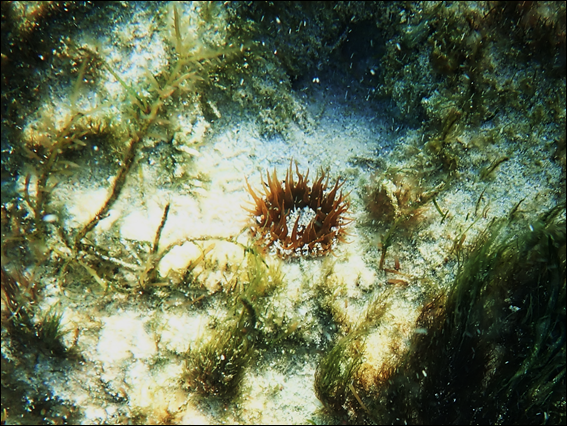
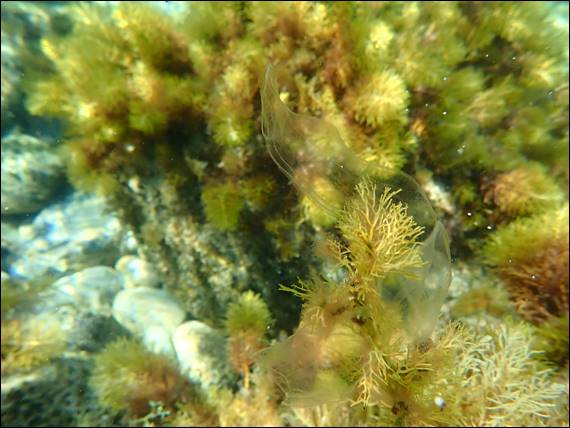
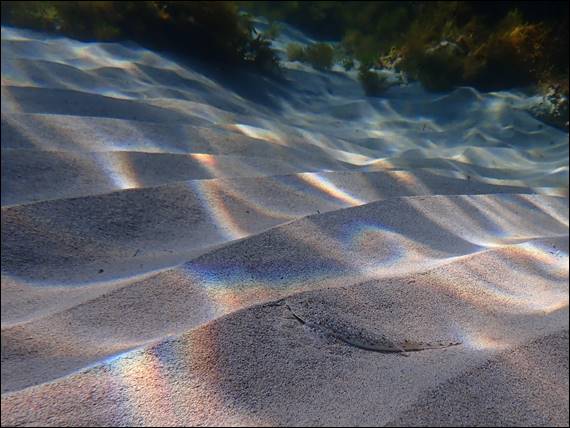
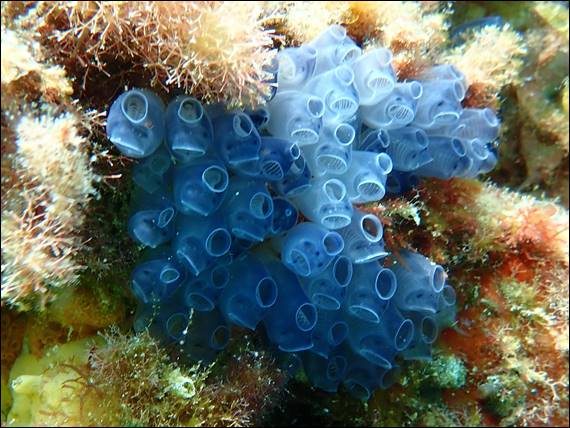
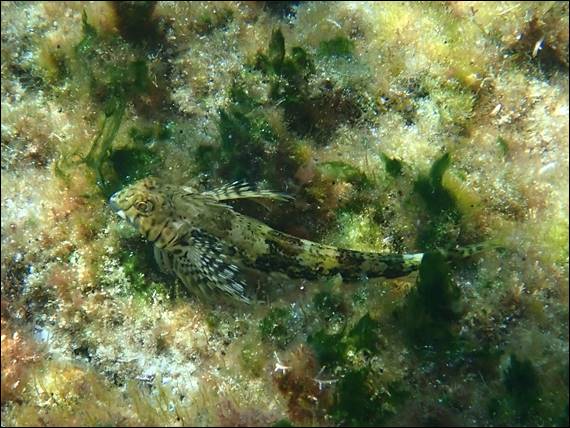
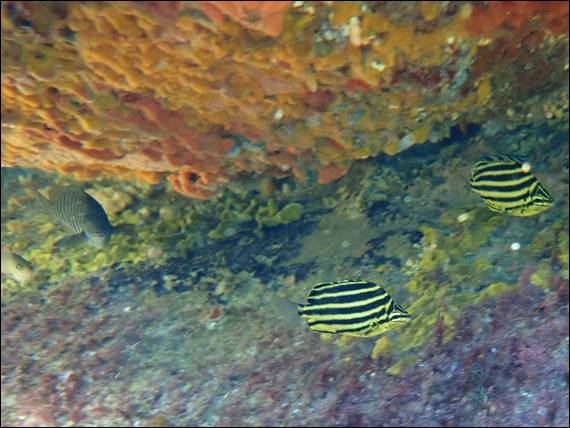
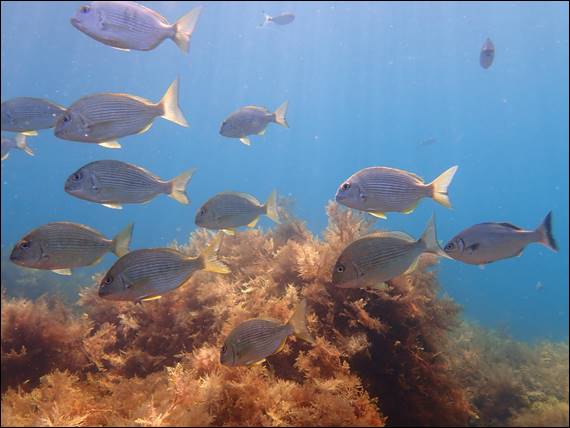
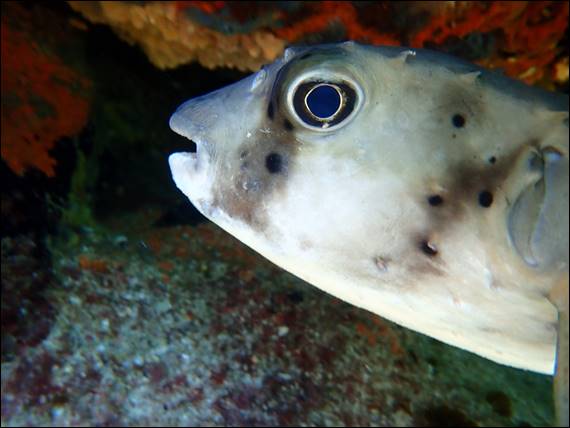
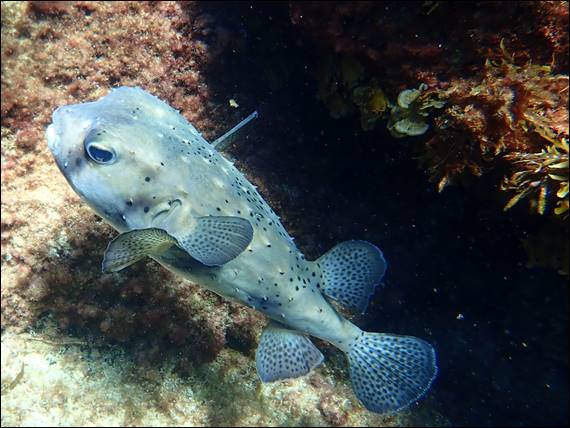


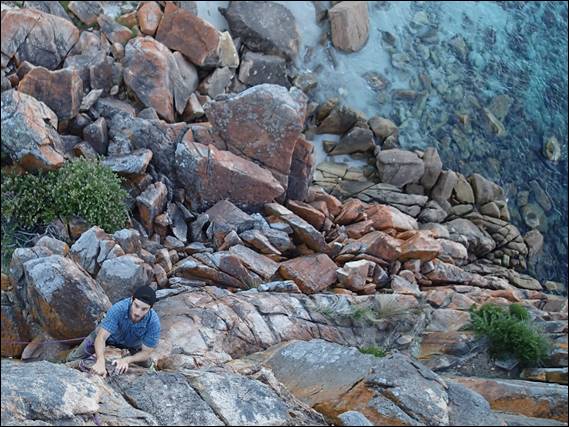
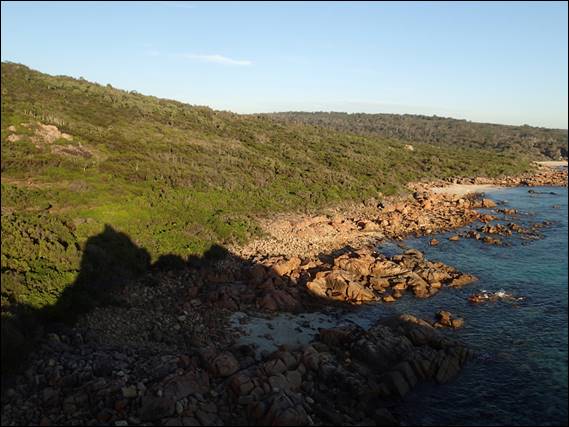
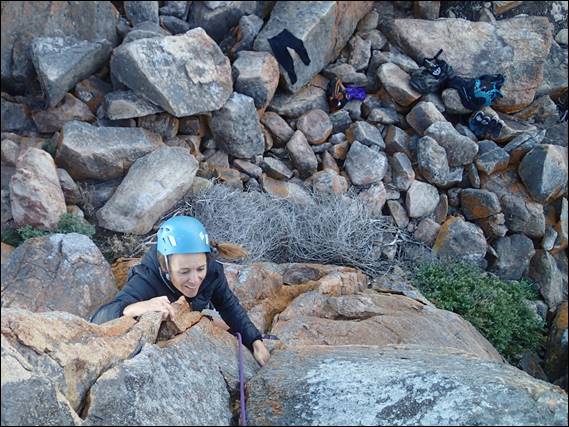
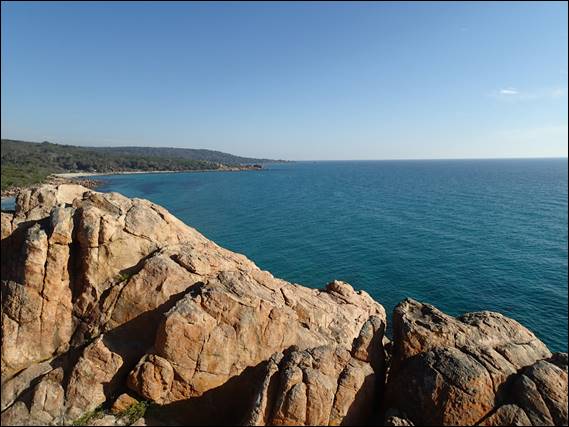
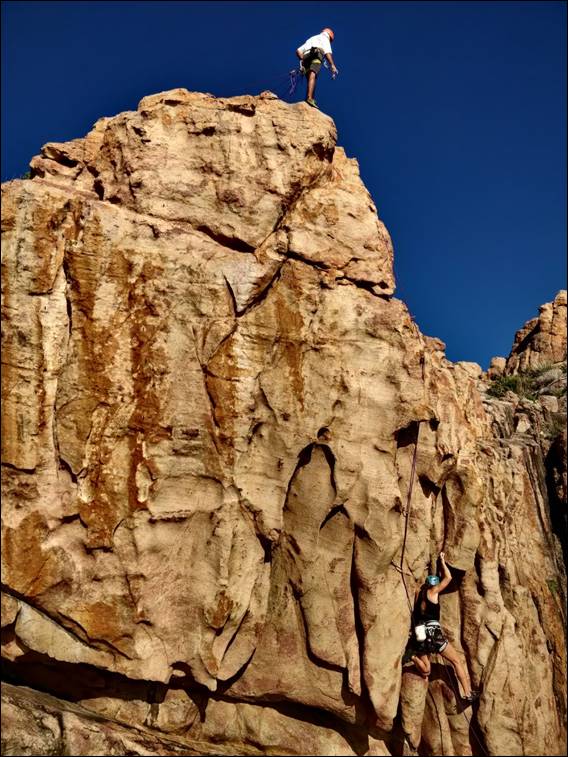

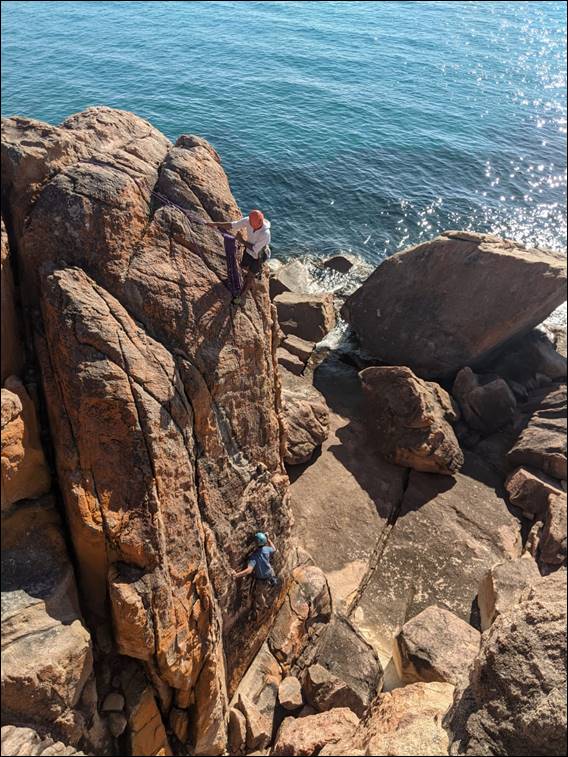
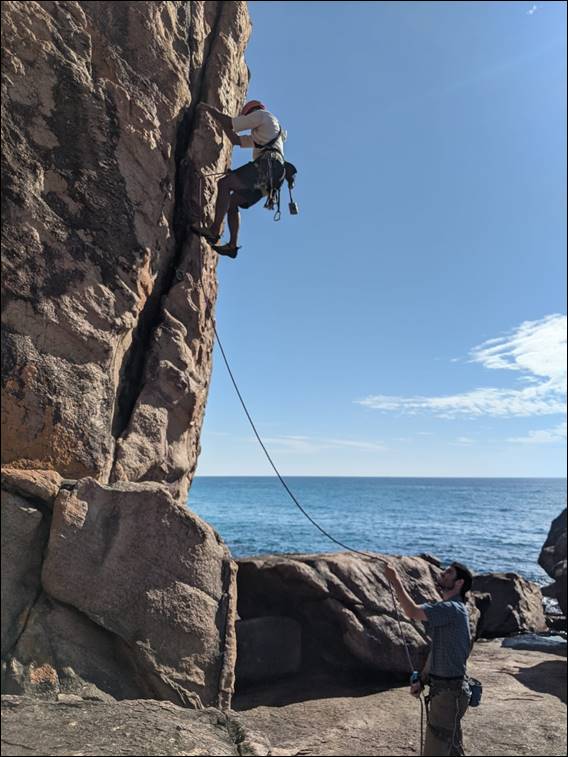
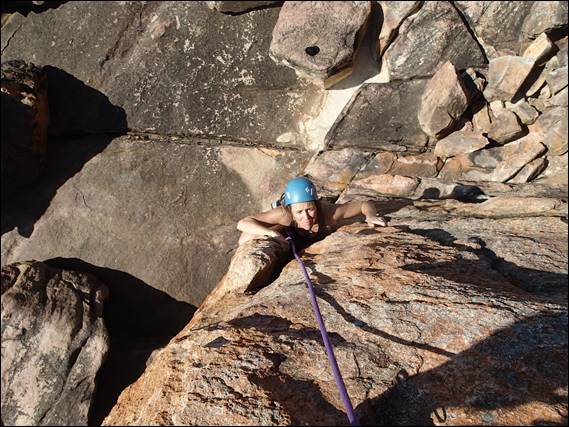
 Sandbagged