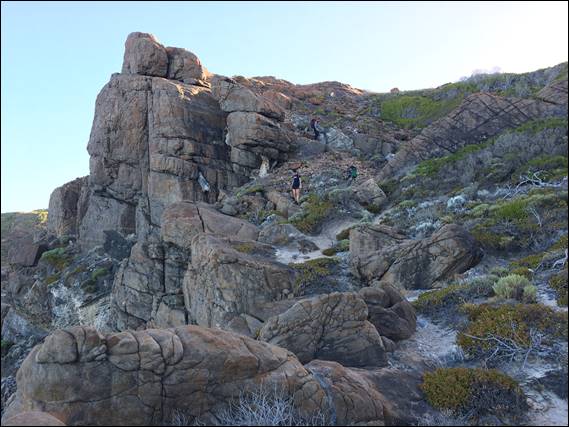
Today we were heading to Wilyabrup with a crowd. Seven of us, which is more than the normal trip out. That said Kellie was, as per normal, would be heading off for a run to leave the rest of us to it. The number sadly dropped before we began, as on arrival at Capel Rongy got a call to say that the shop he manages had just been raided. A smash and grab job. It seems there have been a number of these raids over recent times in Bunbury. This of course meant he had to jump in his car and head back to Bunbury:
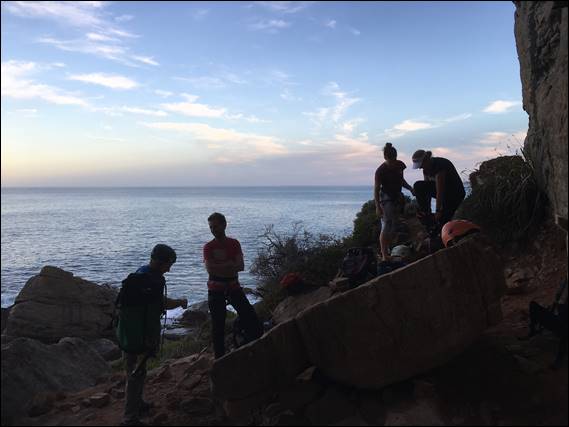
Alana decided that she would still tag along, after all there was nothing she could have done to Rongy out. We headed onwards meeting Rob, Josh, Kellie and a new tag called Shannon, who Kellie had recently met at runners club. Shannon, however, was not joining Kellie for a run. While suggesting she was a little rusty, she was keen to have a climb. Having very recently moved west from Brisbane for a year, she was feeling lucky and very happy today to sample her first taste of WA climbing:
With Rongy being out, it kinda turned the concept of today a little on its head. The primary reason for coming this way started with Rob suggesting the location, as he had his eye on a few leads. But with Josh, Alana, and Shannon we also had to make sure they were kept busy. After organising a top rope for them, we set off. Rob was keen to warm up on a gentle slab route. And as with many slab routes here that meant not much gear, but the grade being low enough not rattle Rob as set off:
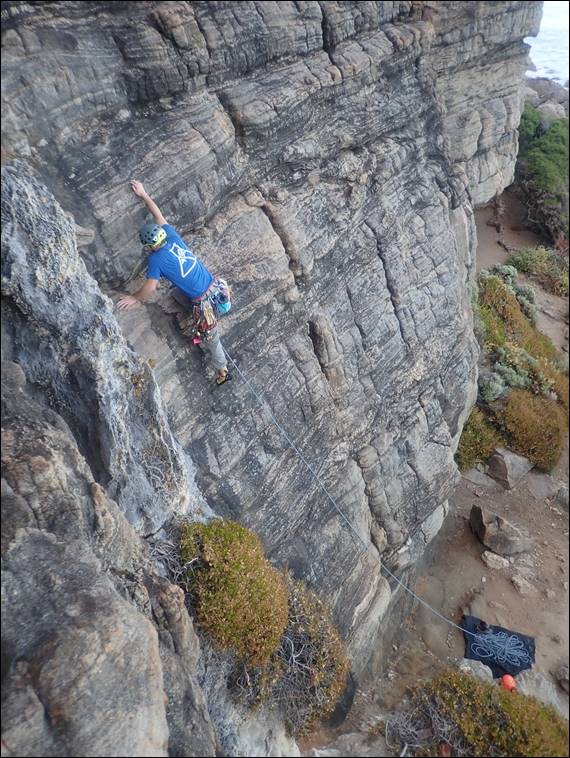
After the warm up it was back to the group, where Rob was sounding a little hesitant about the two leads he had really been keen on. They are not ridiculously hard and have plenty of gear, but in the build up to today he had worked them up in his mind into something else. Managing to shake just enough of the doubt, and with a little encouragement he set off on the first lead. Once the gear started to slot in he became more comfortable and at ease. The others were still working the routes on the top rope, but Shannon was eyeing the route Rob was climbing:
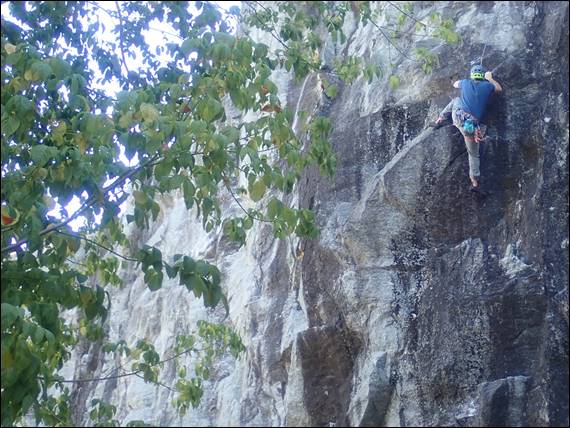
She followed up after Rob and climbed it with relative ease. Even if rusty, her past climbing experience showing through. A dangerous thing for me to see, as this resulted in me suggesting that she should have a bash at a lead. While a little slow to agree and then start, once on the rock she made short work of the next route. This line happened to be the other one Rob was keen to lead, and watching her climb it so well he was encouraged to have a bash himself on lead:
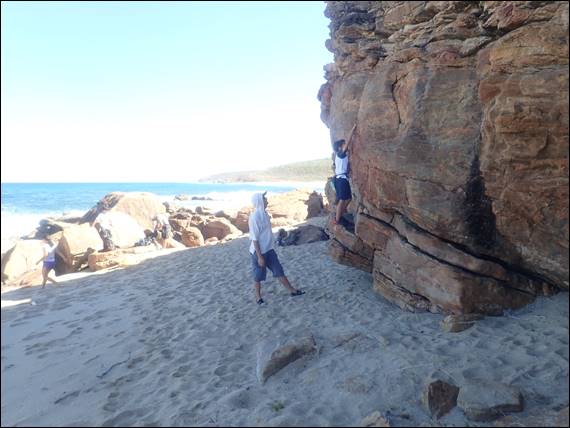
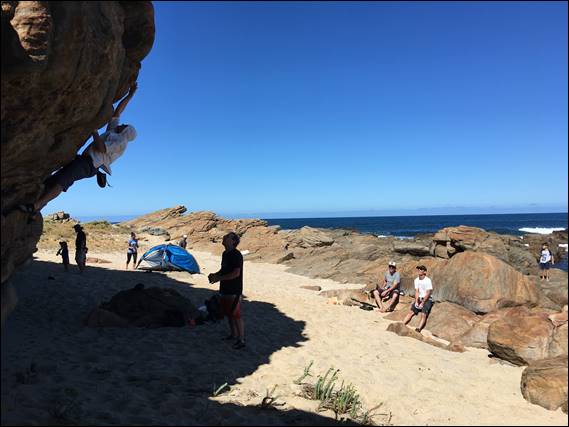
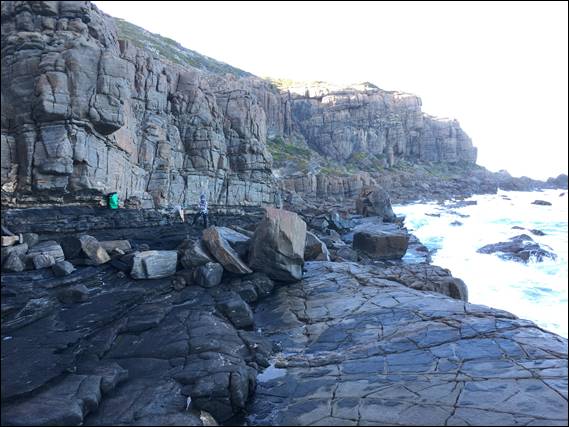
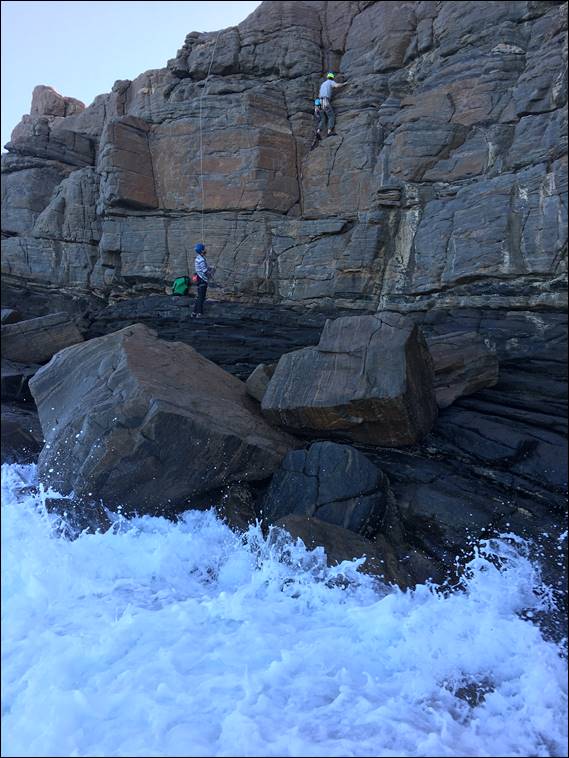
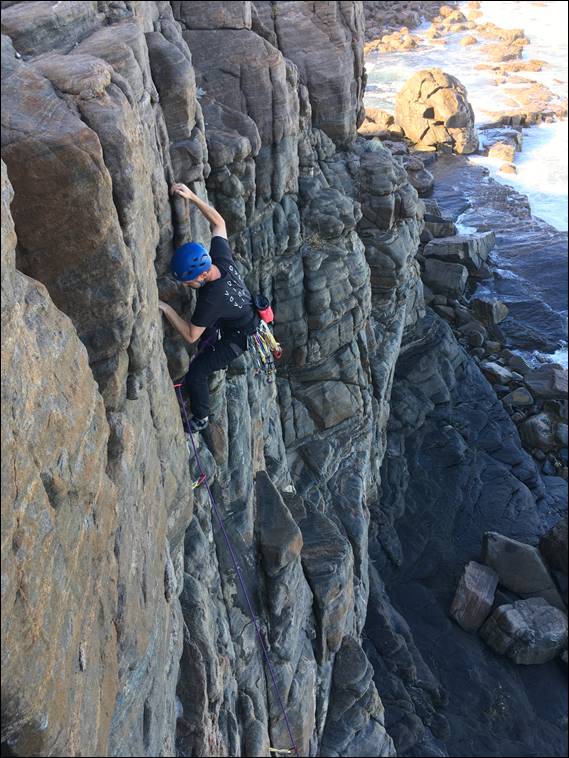
As indicated by the ropes round us in the images above and below, the place quickly packed out making our paltry six people, once Kellie returned, seem small and insignificant. Several groups arrived in addition to a 40-50 strong university group that was practising rescue techniques. While we moved onto two more routes, which was a challenge in itself with all the ropes hanging about, the atmosphere certainly changed. Both in relation to the feel of the busy place, but also the sharply rising humidity making the holds sweaty and uninviting. Therefore, as the sun crept round we decided it was time to call it a wrap:
I should have known that I probably didn’t need two days off to reset my body clock before I get back to work. With a full day, and no need for napping, yesterday I spent my time catching up on mundane domestic stuff, as after a week or so away my OCD tendencies kick in. This results in not being able to turn my brain off to fully relax until things are in order. Today however with everything up to date, fixed, and/or in its proper place, I was keen to get outdoors. My initial thought was to head coastal, to get a climb and snorkel in:
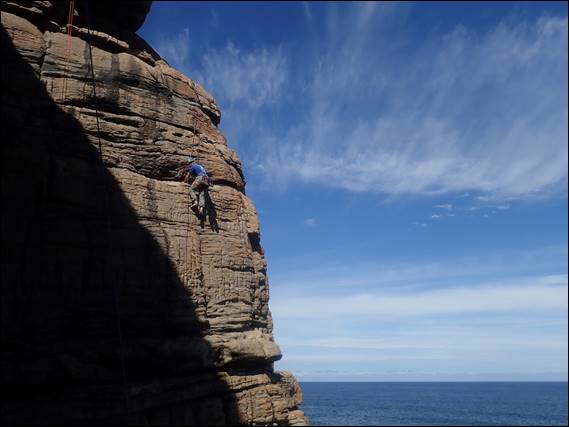
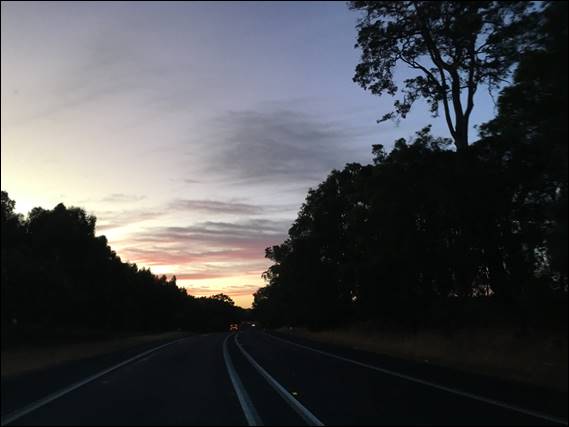
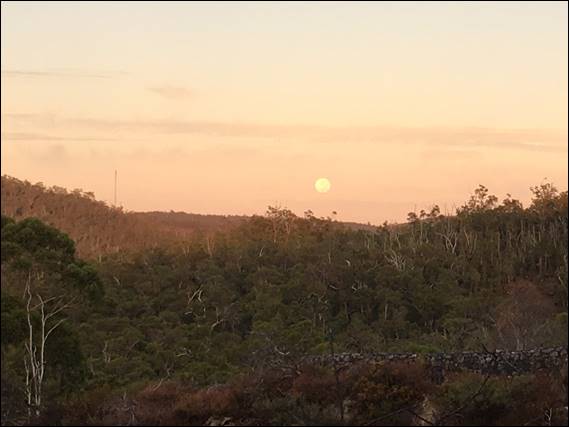
Sadly like most of this season the ocean conditions didn’t look all that great and I also heard the wind howling overnight. So for ease I decided to go inland, not quite making it to Welly Dam for first light. But it did at least allow for a very picturesque drive up the escarpment, watching the wispy clouds changing colours with the early stages of the sun rise. It was not until I arrived that the sun crept into the sky and began to bathe the treetops, while also making the moon fade from sight before it had the chance to drop below the horizon:
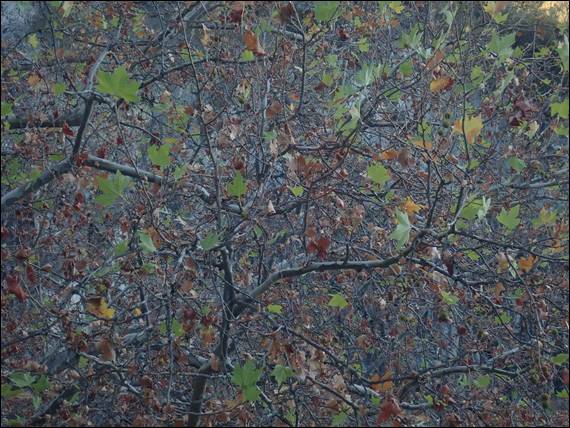
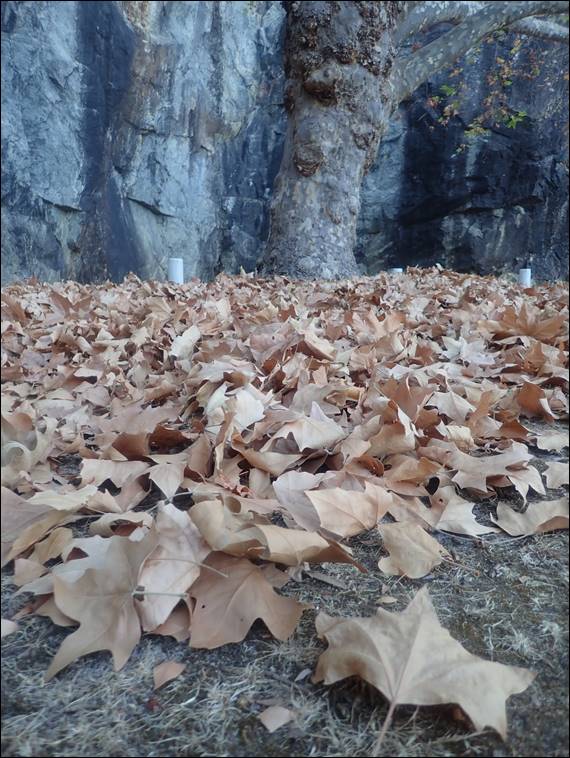
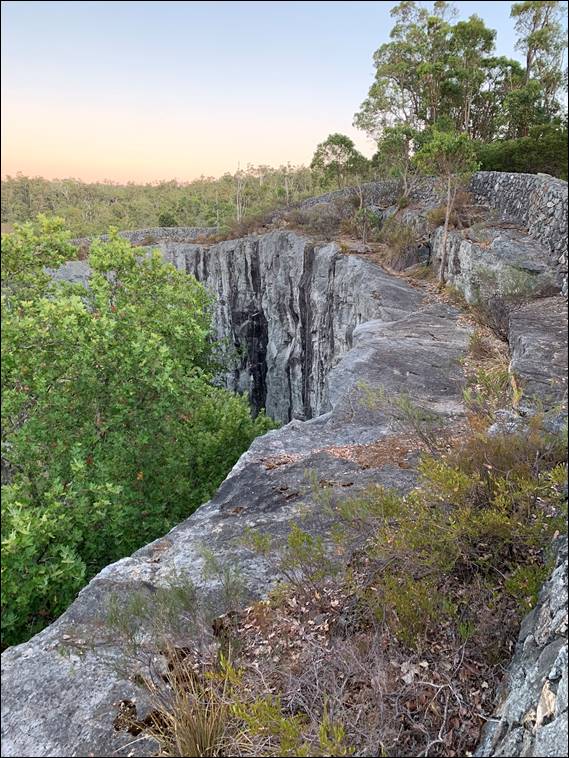
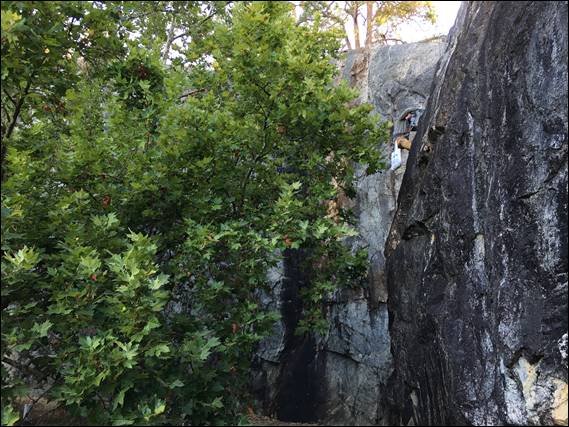
As I wandered about the top of the quarry walls setting up my top ropes, I was surprised to see the large Sycamore (Acer pseudoplatanus) looking a bit on the bare side. Being a non-native deciduous tree I would expect it to drop its leaves over autumn and winter, while on hot days during summer and into the early part of autumn this tree would normally provide great shade. If the leaves were yellowing it could have been down to heat stress, but it really hasn’t been that hot this summer and the leaves looked to be turning brown:
I’ve read up about a fungus called anthracnose. This causes the leaves of some trees including Sycamores to drop and turn black or brown. It is more prevalent in cool and wet weather, but can come on in summer. The good news is it does not result in permanent damage to established trees, but repeated back to back years of infection can weaken the tree’s resistant to the fungus and other pests. Being no arborist I can only assume this may be the cause, for the thick mass of leaf debris accumulating under the poorly looking tree:
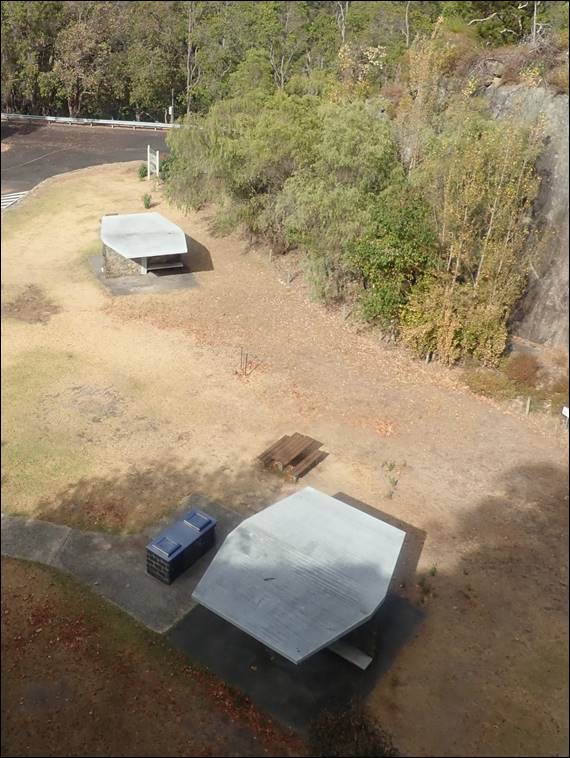
The leaves of the Sycamore were not alone in going brown. It seems that the once green and reasonably well looked after grass was no longer being irrigated and left to crisp up. With some patches being so far gone that they were turning to dust. Before the new road and carpark layout installed last year this facility was well maintained and heavily used by families. Now I do not see many people using the area, and the question is whether this is by design or default. If it has been their plan all along it is a little sad:
Despite the run down look of the area, compared to previous years, I thoroughly enjoyed and trashed myself. Picking six lines, none of which were a pushover, and finishing on a route that I was sure would spank me. Mario just a few days back asked Howsie if any holds had come off midway up, as he had been playing on this line last Friday. The response was ‘no’ and he was right it all looked to be in place. That was until my second lap, when an important hold popped as I stood on it. Maybe Mario has second sight:
It felt more than six months since my last trip back to the homelands to see the folks, but that is all it had been when I once again popped over for a cuppa or two. More frequent and shorter trips is the way of it, and some may think a week visit is too short when you consider the 27 hour door to door travel time. But at the ripe ole age of 90’ish the chance of both folk’s health taking a sudden turn, and not for the better, is not surprisingly a higher likelihood. And both my Mam and Dad have given us a scare or two since my visit in August last year:
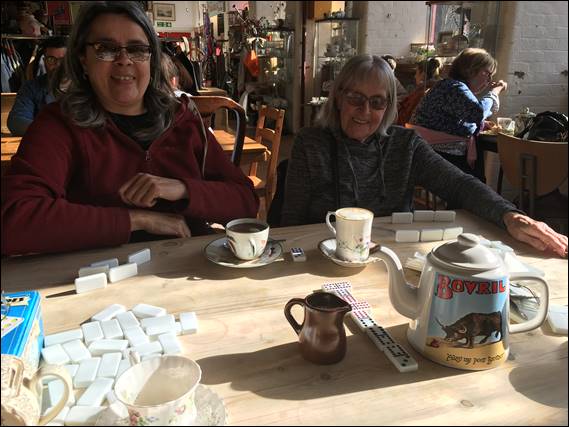
Just six months back, with the help of Seeta, we had almost daily trips out. Focused on country car rides, a hearty meal, and a little wander. For me also the chance to revisit a couple of climbing haunts, where I was afforded the luxury of a few hours to relive a few lines: https://sandbagged.blog/2022/08/01/time-to-head-back/. And for that trip I was picked up from the airport and the first stop was to Pear Mill, which I provided a bit more historical detail about in the previous post. I really like this place, not least for the many great teapots they use:
We didn’t do too much on my first full day, but not due to jet lag. That is something that I do not seem to suffer from regardless of which direction I am travelling. I put my ability to avoid that by getting into my usual routine quickly, comprising a reasonably early night and getting up at 5:30am. The reason for not doing too much is my Dad came downstairs in a very confused and unsteady state, he had for the third time in four months become unconscious. The first time was in November last year, and the second was just a few weeks back:
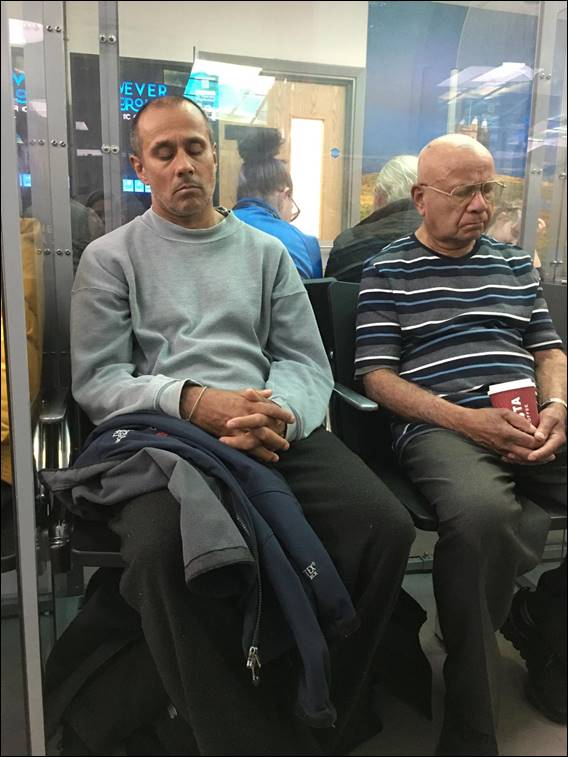
As such we managed to get a late afternoon appointment with his GP. The aim was to bring forward his appointment to review the observations being recorded of his blood pressure, which is scarily erratic with both highs and lows. This resulted in a referral to the accident and emergency department, which Dad, Seeta and I sat down in at 7pm. Here an urgent ECG, was followed by a blood pressure check and then blood tests. Each item occurring after a minimum hour wait in the waiting room, where we sat for a total of eight hours:
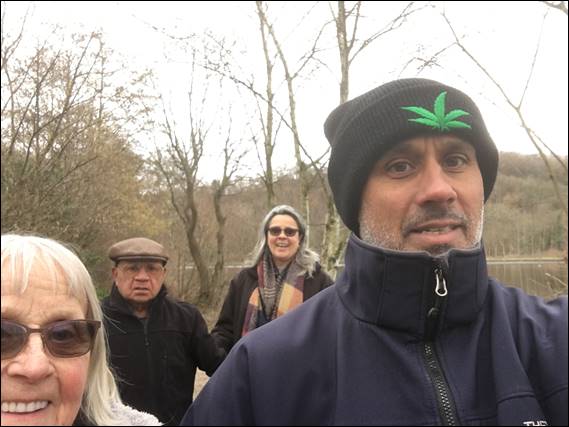
This resulted in Dad being admitted, but with no beds available he was put in a temporary bed in accident and emergency department. And Seeta and I headed home at 3am, longing for our beds and sleep. Despite feeling pretty weary during the day I was determined to get out for a walk, and did so but it wasn’t an early one and I kept it short. A walk in the woods and fields of the British countryside, taking full advantage of the universally accepted ramblers rights, is such a tonic. I was not sure if I would be able to experience it as much on this trip:
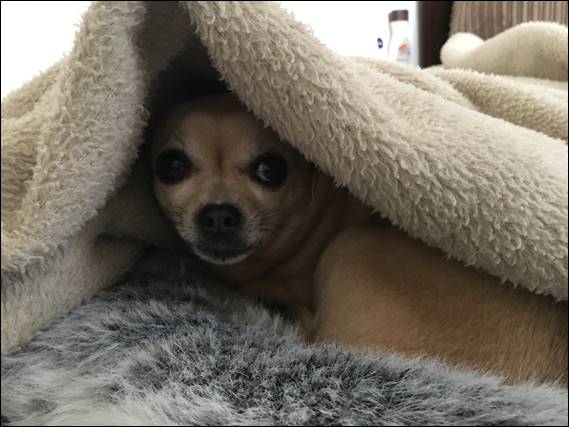
The average temperatures for this part of the England in February is pretty low, and added to that the newspapers were predicting an “arctic blast” for the week I arrived. This didn’t eventuate, and the forecast changed to suggest the snow and ice would arrive the week after I left. The temperature still didn’t rise above 8 degrees Celsius for my entire visit, and rarely got above 6 degrees. Regardless of these temperatures and as will become apparent, while Seeta’s pooch Friday cowered from the cold, I braved it:
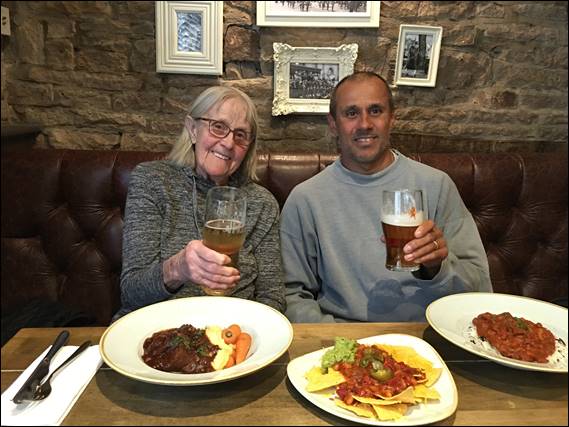
Seeing Dad was in hospital, we decided we would head out and grab a bite to eat before popping in to see how he was going. As it was this was the only pub we visited, and what a pub to go to. One that the folks and Seeta hadn’t managed to get to yet, and one they will undoubtedly go back too. Scrumptious food, good beer, great service, and a lovely interior. Once we had our fill and felt completely satisfied, we popped in to check on Dad armed with a few treats from Costa coffee and grapes. Not quite the feast we had, but appreciated all the same:
Only I popped in to see Dad, as there was a one visitor limit in the accident and emergency department. He was still wait for a bed in the acute medical unit to become available, and despite very little sleep he sounded in good spirits, but still a little muddle headed. On the plus side, as I arrived they indicated a bed had just become available and he would be moved in the next ten minutes. And similar to the experience the night before, this stretched out to well over an hour. But it did happen and while the ward had a two visitor limit the three of us all managed to get in to say hello:
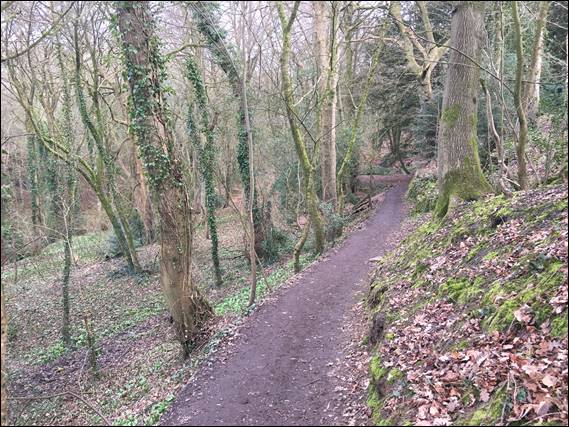
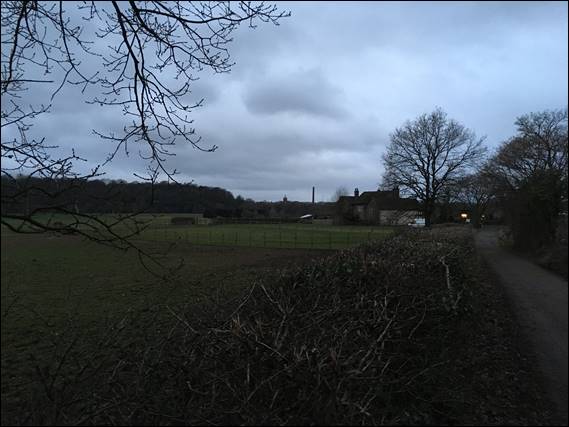
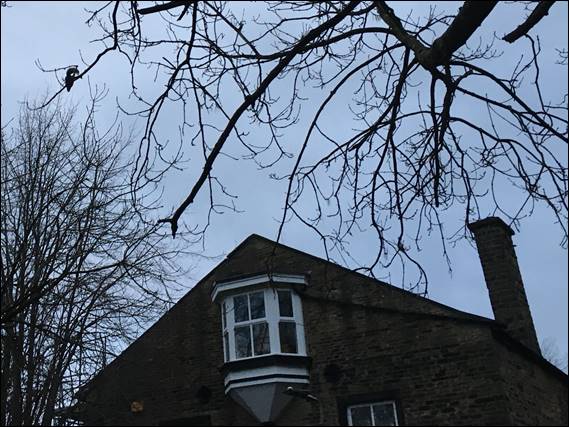
The next morning I got back into my normal routine, and with first light arriving at 6:30 I was up and out the door at 6am for a wander. While it was dark, as I started, it was a lovely and peaceful time of the day and I hardly saw a soul for the two hours I was out. In the middle of the image above the pear shaped top of the main tower of Pear Mill is just visible. This was a walk I didn’t get to last time, as it was detailed as being very muddy in sections. I was however advised it had been reasonably dry of late, and despite being the end of winter it was fine:
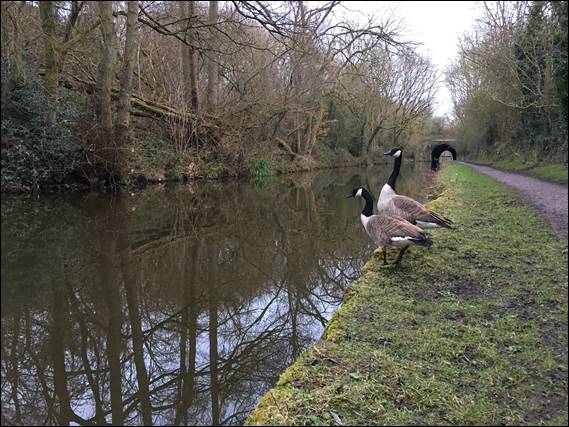
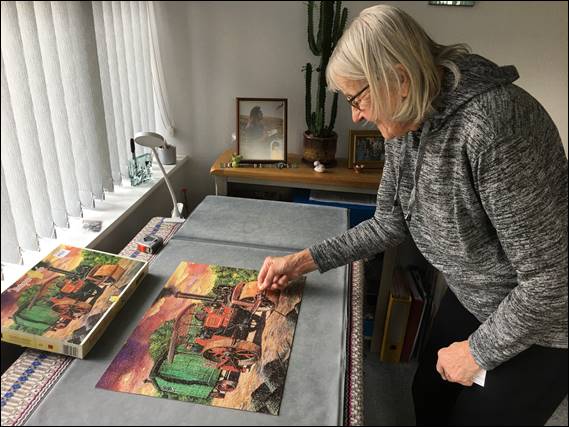
Back at the house and after a few cups of tea, it was time to crack on with the next puzzle. The second image of the post is of the first puzzle we completed. That one had sat on my Mam’s puzzle board for weeks if not months. The main reason being that her ability to stand over the table for any period of time is no longer possible. So I spent a bit of time polishing that one off, only to be disappointed to find two pieces missing despite the label on the box indicating it was a complete puzzle. A risk with second hand puzzles:
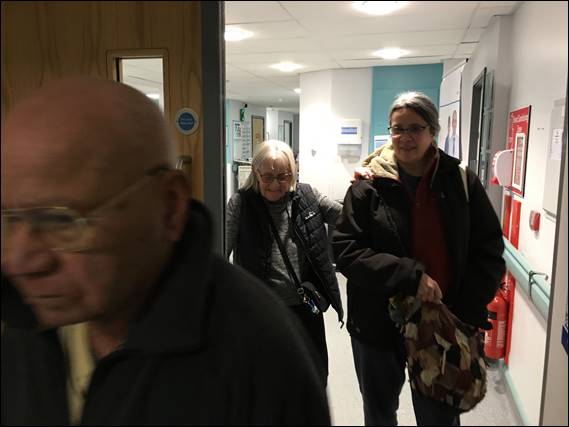
The above puzzle, was a quick and easy one by choice. Fewer and bigger pieces, and an easier image with a greater variety of colours and patterns. And this time complete, with my Mam popping the last piece in place. Then it was off to the hospital, a place that Seeta along with Mam and Dad have spent a lot of time. Both for appointments and also due to admissions. This time the three of us had lunch in the canteen before the customary stop as Costa Coffee, where I left them and headed in to see Dad ahead of them:
He was doing much better today. We purposely hung about until the doctor came round, and had a great chat about the situation and options for reducing the risk of blacking out. Some known, and others new including a slight tweak to the medication order. I was amazed when I first saw the medication list and number of times a day they need to be taken. I can recall as a kid watching my Opa in the Netherlands take his pills. We called snoepjes (Dutch for sweets). Well my Dad could open a full on candy store:
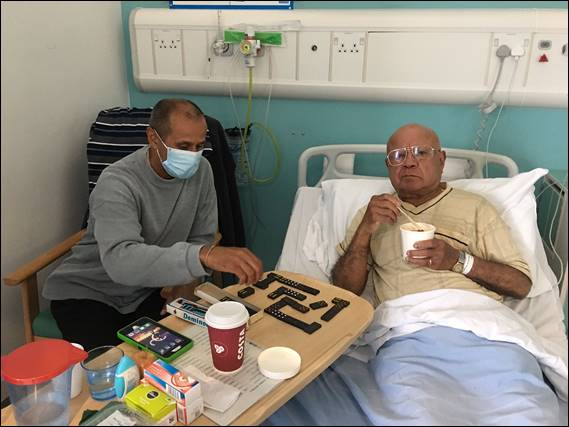
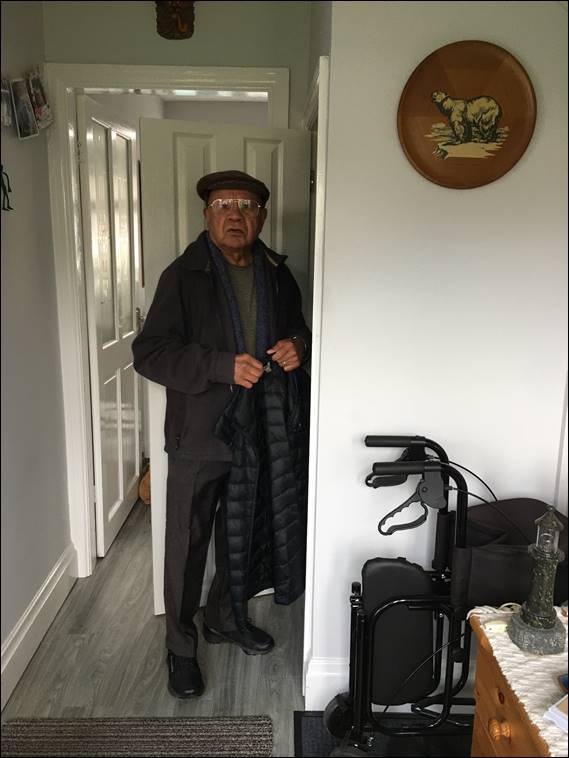
The good news being that other than a single change in medication timing, and some basic good practises there was no more they could assist with. Other than a need to follow up with the Parkinson’s specialist, which might take a while as they are rare as hen teeth at the moment. So it was that after more hours than we expected, but should have been prepared for, Dad was finally discharged. And as the above image shows he was pretty keen to get out and back home. Where it was time once again to rest up, as any suggestion that being in hospital gives people a chance to rest up is nothing short of a fallacy:
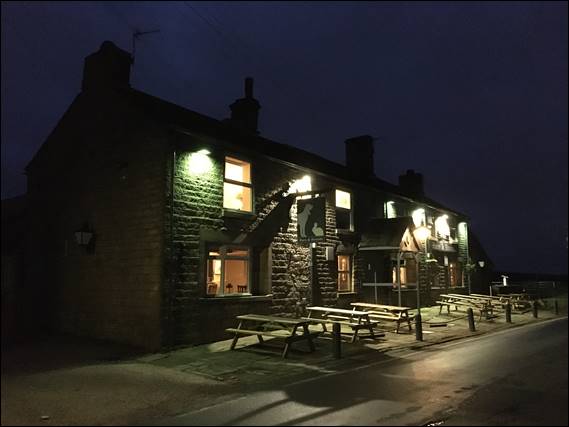
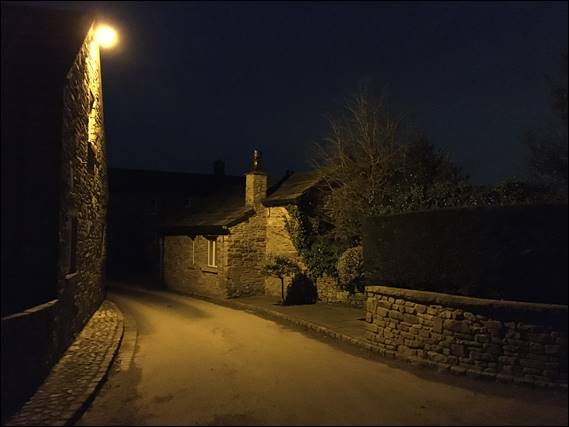
Thursday morning came and I was up and out half an hour earlier, in part as the walks were getting longer but also as I was awake anyway. I walked up one of the higher hills providing a great view of the city lights below with staff inside the above pub, atop Werneth Low, milling about preparing for the new day. Being the end of winter the deciduous trees looked like skeletons against the early morning sky, stripped of any leaves. This allow the spotting of squirrels much easier, as they scurried along the branches:
When I got back my Dad lay in bed not feeling entirely rested and unsure if he was up to joining us on a trip out. But after working through his morning routine, being served a few cuppas, and having breakfast he perked up. So we wrapped up for the day and headed out, this time managing to avoid the need for the trip to be focused on a hospital visit. As such we headed into the Peak District, and to the famous Bakewell. The reason being that on a recent trip here the three of them had found, and very much enjoyed, a café:
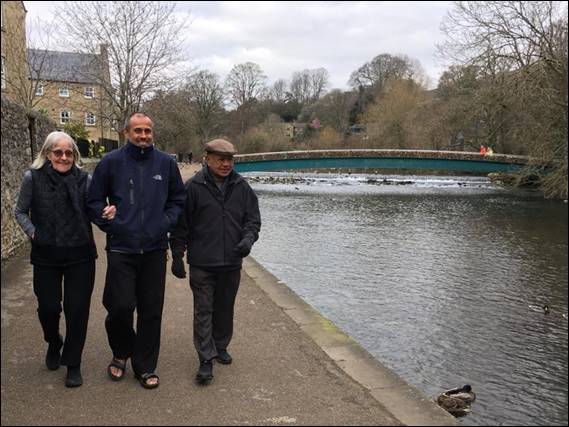
So we headed straight for the café for a hearty meal, followed by a traditional Bakewell pudding smothered in custard. None of this modern take on the Bakewell pudding, but how it should be from when it originated from this small town. This set us up nicely for a short stroll round the River Wye, with its bridge adorned with thousands of love locks. A tradition that started in World War one in Hungry, not in Paris as many people think it did. Despite finding the early morning 3 degree temperature fine during my walks, somehow the daytime temperature felt colder:
Probably a bit to do with walking slower, not wearing my boots, nor a woolly hat. It did mean our walks together were short. This was also due to the sciatica issue my Mum is dealing with. Added to that and since my last visit she has also managed to break her elbow and then when that was coming good inflicted an avulsion fracture on her ankle that left her bed ridden for seven weeks. They are more common in children as part of growth spurts, although adults undertaking sudden and high impact sports also get them. So it was a bit of a surprise when the doctors realised what she had done:
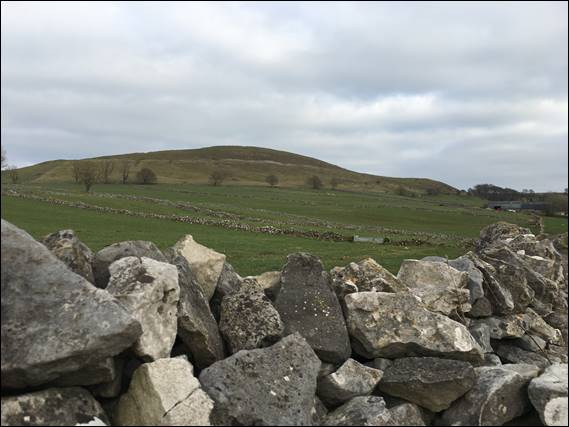
Despite the pains and aches, lethargy and at times of lack of motivation that I keep referring too we all had a lovely day out. Topped off when we returned via a slightly different route to come across the hill with England written across it just below the crest. It may be a bit hard to read it in the above image but it is there. I was however more taken by the stone walls dissecting the fields, hence the focus of the image. With a decent breakfast and lunch, evening meals tended to be light if at all. At 90’ish the body didn’t need nor desire to much food, and that also suited me:
Even with my early walks I really wasn’t expending as much energy as I do back home. There was plenty of relax time at the house spent catching up on the papers, puzzling away, playing games of Yahtzee, Triominoes, and Rummikub, and the occasional bit of television. The routine of the day was reasonably well set, when not interrupted with hospital trips or more enjoyable excursions out for a meal and potter. The latter not being quite as frequent or long as my last visit:
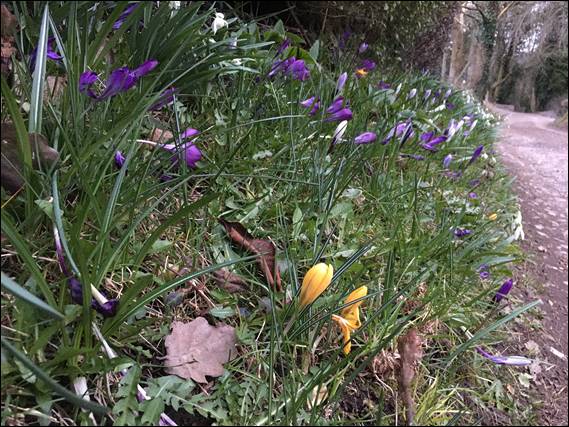
Friday arrived and there was just enough time to squeeze a trip to Etherow Country Park for a bite to eat in the café, and short walk round some of the paths. The almost daily trips out were taking a toll on my Mam’s level of comfort, which was obvious to see today as we slowly walked along. Although she didn’t want to miss out, and today enjoyed seeing signs of spring creep in. The wind felt especially bitey and we were pleased to be back to the warmth of the house, when it was time for me to say goodbye to Seeta:
She was heading off the weekend celebrate a friend special birthday. This left the three of us to fend for ourselves, although I only have one full day left. That one started a wee bit earlier and I was out at 5am, as it was the longest walk. Starting along the canals in true darkness, which felt a little eerie and where the path narrowed my footfalls were extra careful to make sure I didn’t accidentally slip into the icy water. This circuit was to take me back to Etherow Country Park:
I almost didn’t get there, and when I came across the footbridge over the River Goyt it was closed for repairs. I could see no other way over the river that wouldn’t take me quite a long way off course. So I did the only bit of climbing I was to do on this visit, managing to scale the barriers on both ends of the bridge to get across. It was still too dark to take a picture of the obstacle I’d overcome, with light only starting to encroach as I made my way up and out of Etherow Country Park. From here it was uphill back to Werneth Low:
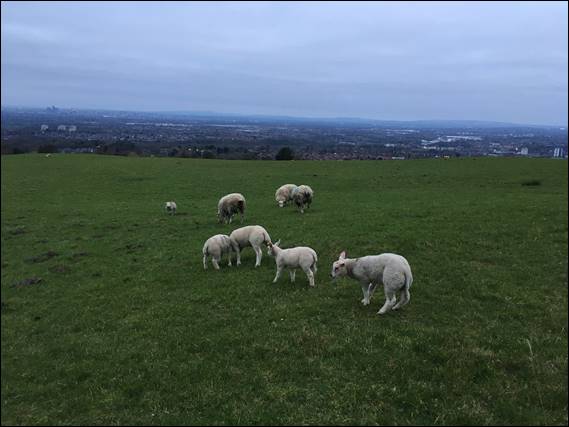
While the view of the city was clearer, it was the lambs that I enjoyed watching as they bucked and played. Another sign of spring being round the corner, along with a few green buds appearing on the shrubs and trees. Not having the luxury of Seeta to chauffer us about, we had intended to go into Romiley, a mere few hundred meters away. My Dad wasn’t feeling up to it, so it was only Mam and myself that stuffed ourselves with a late breakfast at her favourite café. She’s a bit of a local here and even gets a special cup for her coffee:
I’m pleased to say that my Dad perked up a bit and being the first Saturday of the month, a film was being shown at the local Methodist Church. He’s being going there for a while now, and during February’s showing he had another episode. So at the end of the film when they realised he wasn’t, as they thought asleep, he ended up in hospital. He was understandably a little apprehensive about going back, but he and I went along all the same. The usual crowd here was nothing but very welcoming, and very happy to see him back and well:
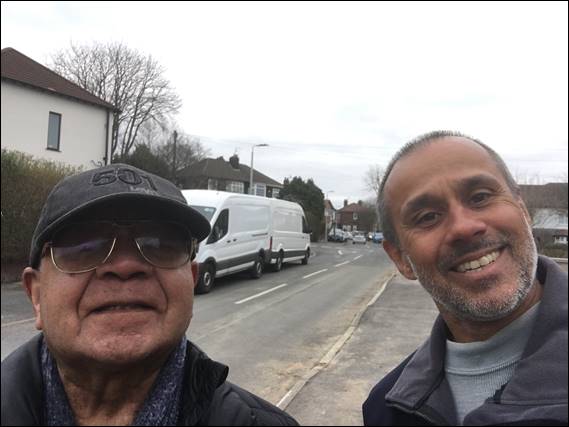
It was lovely to have had a bit of quality time with both Mam and Dad on that last day, doing something that each of them enjoyed and are still capable of doing. And for our last night together, not having stuffed ourselves silly with a big lunch, we felt like we deserved a nice evening meal. We plumped for a Chinese takeaway and had a lovely final evening. Early next morning I was once more packed up, and after getting the taxi driver to take a final image was ready for another journey half way round the world:
Domestic duties can at time get in the way of getting out into nature, but today it was quite the opposite. It’s been a reasonably busy and long couple of weeks at work, in part as there was a need to wrap things up today. Watching the extra hours build up each day, and as I work to live, I decided to grab a few back this morning before I hit the computer again. Putting the word out, Rob was keen for a quick morning session at Welly Dam. And while it may seem that I have been there a bit of late I had a need to get back:
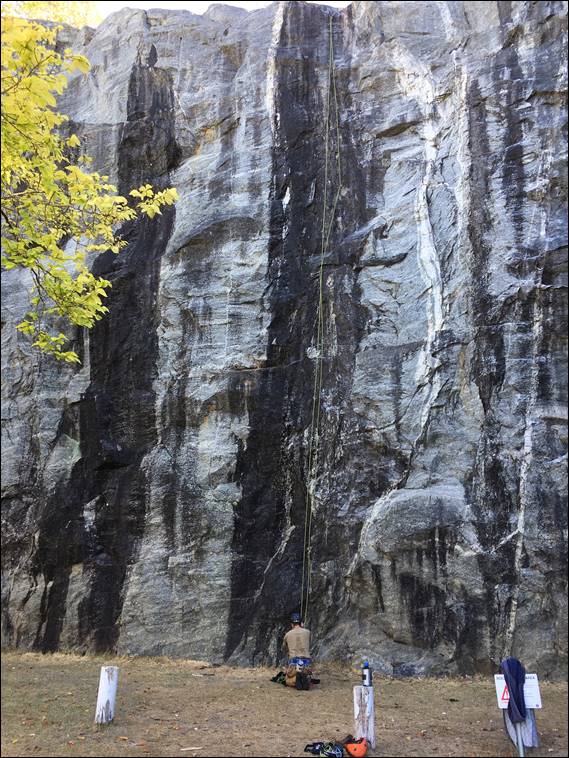
Before I got onto my routes, which were a bit harder than what Rob wanted to lead, I wanted to allow him to have a good crack at his chosen routes on lead. So we started with three leads for Rob, and he really wasn’t sure how he’d go. Suggesting that of late he has allowed his brain take control, resulting in fear creeping in. So as he led his three routes I talked him through finding good stances, getting comfortable even when the rope is below you, and most importantly remembering to breathe:
To his surprise he bagged three clean leads and in great style, he really was not expecting that. He was also not expecting me to make him top out on one climb, just because the moves are fun, before encouraging him to then down climb back to the anchors. His head took control and filled him with fear, but with gentle persuasion I got him to give it a go and again he surprised himself to find that it was actually not that bad. Down climbing in my view is the best way to build confidence in your ability, so Rob expect to do a bit more next time:
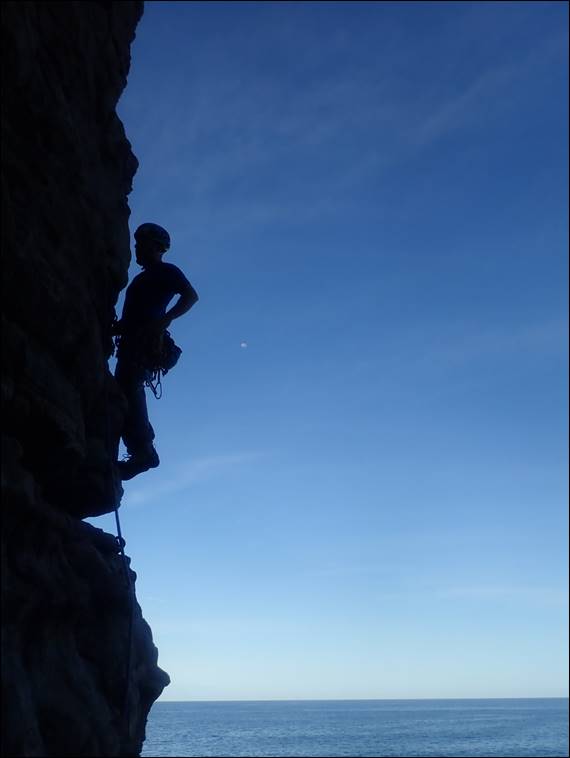
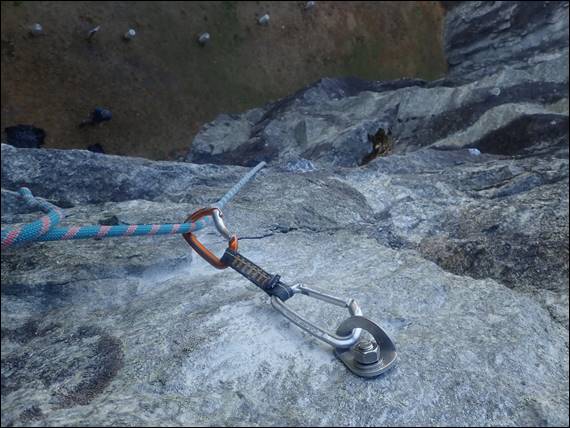
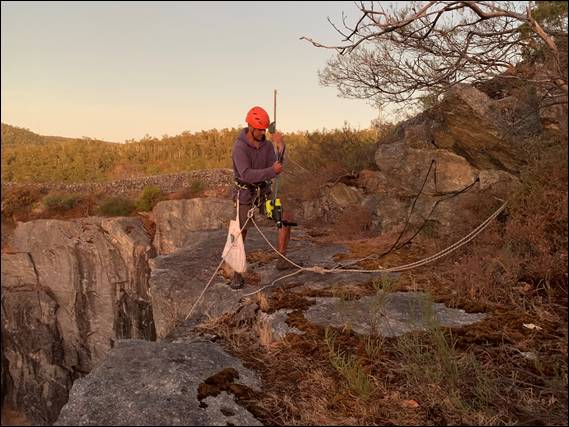
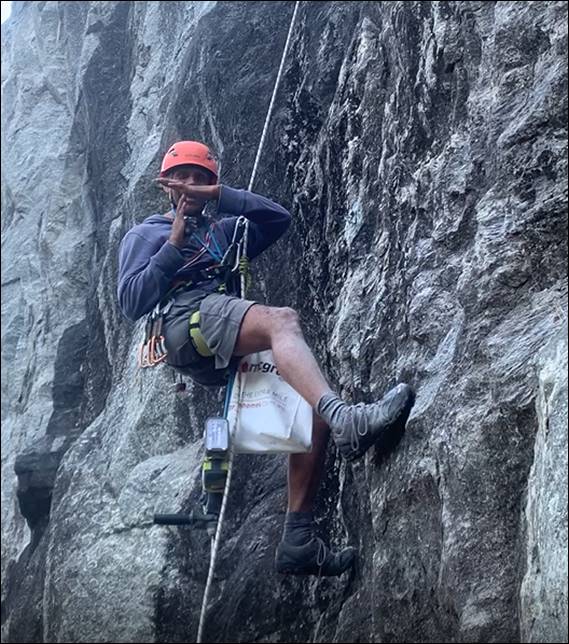
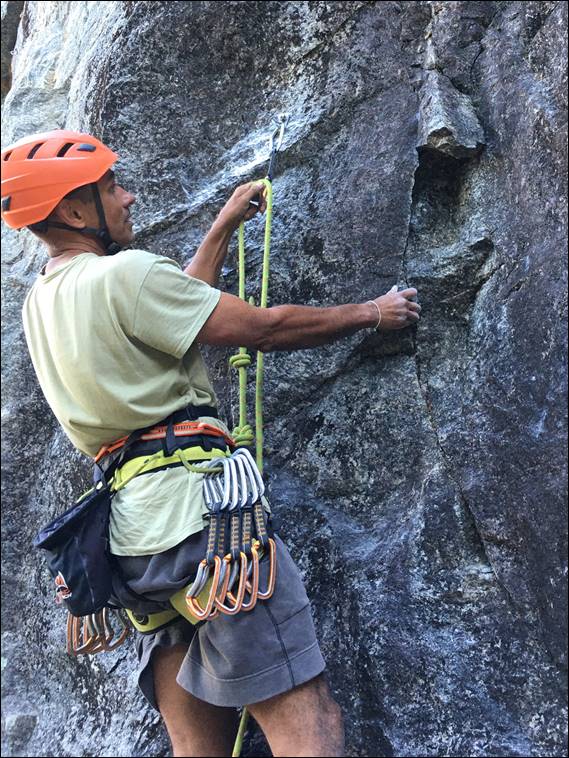
Then it was my turn and as you may notice in the above image I had a bit of equipment hanging off my harness that I would not normally carry. Mario had been here last weekend and climbed two of the new routes, which he thought were good fun. But… he did pick up on the fact that I (and Howsie) had not cleaned up after ourselves. So today it was redemption time, and I gave the rock a good brush to remove the dust created from drilling the bolt holes. It was also an excuse to jump back on the lines to see how they felt on lead second time round:
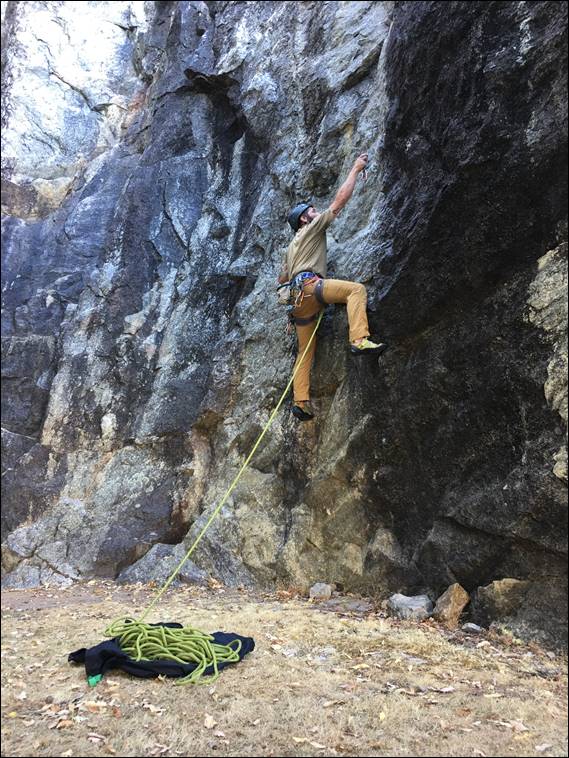
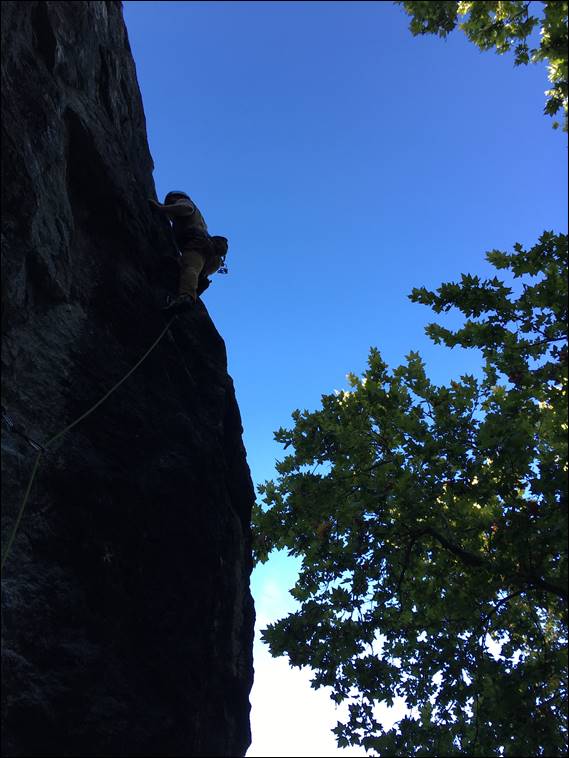
Storm in a Teacup was excellent, and I found another way to unlock the crux section. I was pretty at ease and brushed as I climbed. Then Rob followed up, with a rope above him this time, and was stoked to get up it clean. Next was Building Bridges, which proved to be a bit trickier to brush as I climbed, but I managed it and even found a better way to climb the bit that had on previous occasions when working and then leading the climb given me a bit of grief. This route being a grade Rob had not climbed before was a bit more of a challenge:
While it puffed him out and he had to take a few rests, he managed to unlock all the moves. It was a great effort! One that left him very happy but a bit weary for anything else. I had one last line to clean, as in brush down, so started up that. Brushing round the second bolt, on lead, Peanut Brittle lived up to its name and a hold came off, sending me flying. Coming back to the ground I decided I would lead it dirty, before rapping back down to clean it. So Mario my housework is done, if you care to inspect it for quality control purposes:
I am not the best in social situations, especially where there is small talk. That said I have tried to encourage the social aspects of our local crew. Back some years there was pretty good social element going and we’d meet up at crag, to watch climbing films or flick fests, or at someone’s house. I could usually revert any conversation I had to climbing, snorkelling or orchids so it was all good. However, I feel that I may bow out of endeavouring to keep such events going. The group is changing and so are people’s lives, that said today we had a big mob out:
But before I get to that. Lisa said to me the other day that when she had headed down to the beach with the poodles the colours and feel of the beach felt autumny. I also felt that last weekend at Beginners Wall, when the ocean had that slightly more tumulus feel to it. And you may have noticed that I have not been in the water for an age. I did pop down to check the conditions at the local beach yesterday but the water was a bit choppy. Maybe I’m being a bit too fussy but it really didn’t entice me, and I do wonder if I will go back in this season:
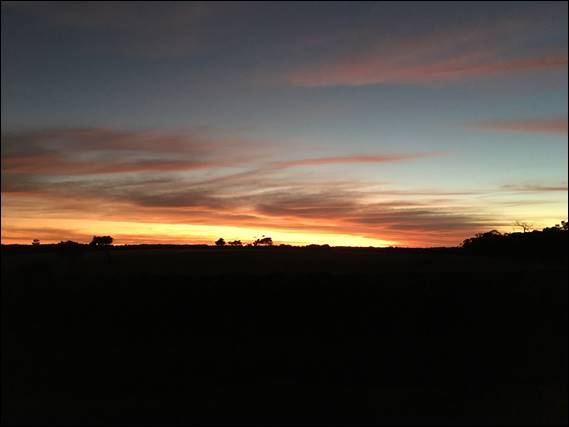
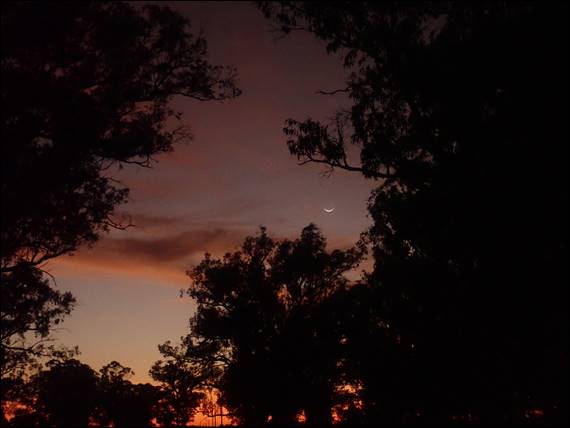
Back to today’s trip, which was going to be a gathering at Craig’s house to play on his recently completed boulder wall, have a feed, and catch up. Instead this ended into a catch-up outside, and seeing there would be a fair few kids in two the decision was made to head to The Playground. Being kid free, Rongy and I headed out a bit earlier to hit a climb or two before the mob turned up. And as I drove out to meet him in Capel, the autumn colours filled the sky with just the tiniest slither of the waning moon visible:
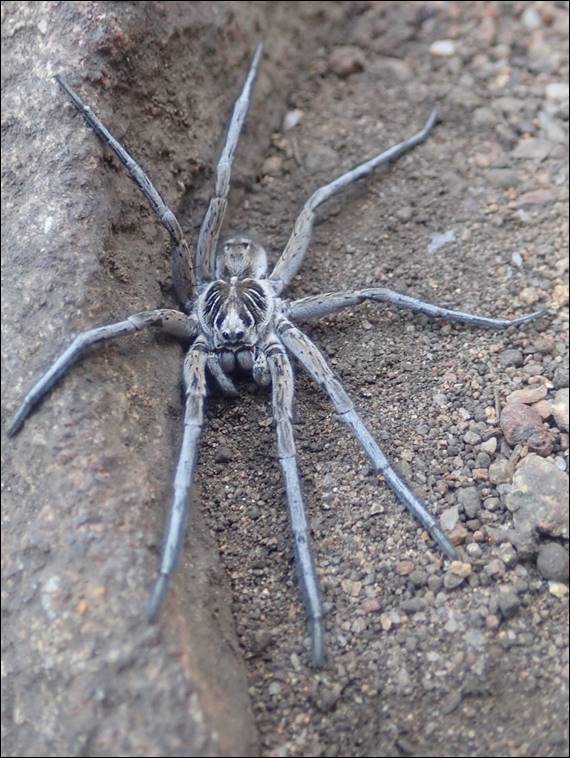
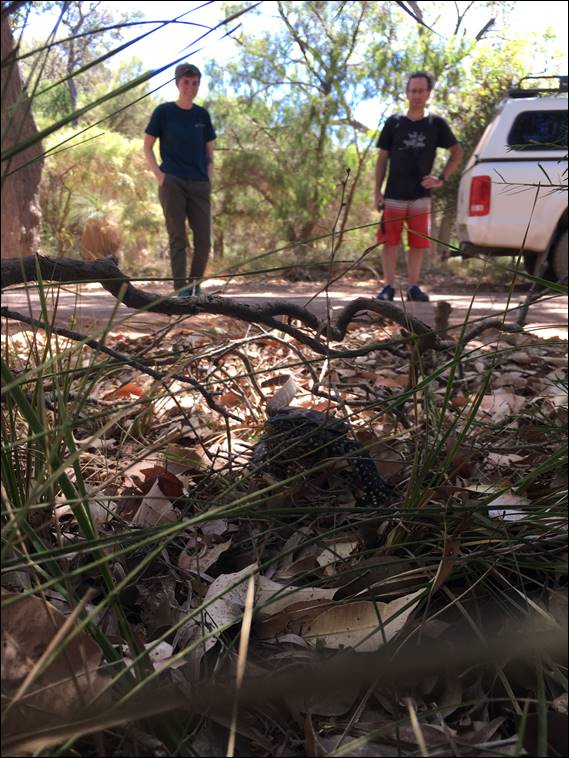
Sarah and her friend Sophia met us at the Wilyabrup carpark, after having had a camp out. Sophia said it had been a cold night, and it was still too cold for the above Wolf Spider (Lycosidae). Rongy pointed it out after I had nearly stepped on it. And despite its near death experience it was happy to sit there and allow me to then get some close up images. There are approx. 2,400 species worldwide, and one Australian pest controller reckons there are only two species in Australia, but I have found a 2018 paper that claims we have 34 species:
The route we took to get to The Playground was to walk in by rock hopping along the coast, which in my mind is the best way. This also allowed us to pass The Bookshelf, and as we were going to have an hour or so before anyone else would turn up I was keen to check out some possible first ascents. Many years back Lou had a bad climbing accident that resulted in her needing to wear a spinal brace, which looked a bit like white body armour. And at the shops one day a kid whispered to his mum that there was a Stormtrooper in their midst:
So it was that while I have known about this route for many years I have been waiting for Lou to grace rock again, so we could climb it together and name it after her guise from back then. But that isn’t likely to happen, so today I led the climb and as you may have guessed I called it The Stormtrooper. While the face and rock looked, in Rongy’s words, a little scrappy it was a fun line. So much so he then put up a second first ascent just to the right, from which Sarah promptly knocked off quite a number of large blocks. So that got called Demolition Girl:
After we had completed the two new routes, Glen rocked up with Jason and we moved round to the shorter walls of the Bookshelf. Glen has not been out for quite a long time, but jumped straight into leading a route. Jason was having his first taste of roped climbing, as such there was a bit of tuition going on about the art of belaying while Glen started to get disco legs above us. Fortunately, Glen avoided becoming a causality again, and if you want to understand why I say that check out https://sandbagged.blog/2020/04/21/glen-the-casualty/:
The first of the family crew to arrive was Craig’s mob. They had like Glen and Jason had driven to the top of Lost Buttress, walking in from the north. A much shorter distance, but nowhere near as much fun. This did however signal it was time to move again. At The Playground the ropes and gear were packed away and it was time to boulder. And shortly after Howsie, Josh and Kellie also appeared. They like us had walked in, and enjoyed checking out the rock pools along the way. Howsie had even been lucky to spot a snake, making Sarah a little jealous:
By then we had eight kids running amuck checking out the ocean and playing on the rocks. And The Playground became, well, a playground. The numbers didn’t stop the fun, and while at times it felt like we may have lost a kid or two they were generally all within earshot. Allowing the grownups to also make use of the delights of the area. Sandy landings making it a perfect place to boulder, with some fun problems many of which I help establish ten years back with Kym. Problems many people have played on and questioned the grades we assigned them:
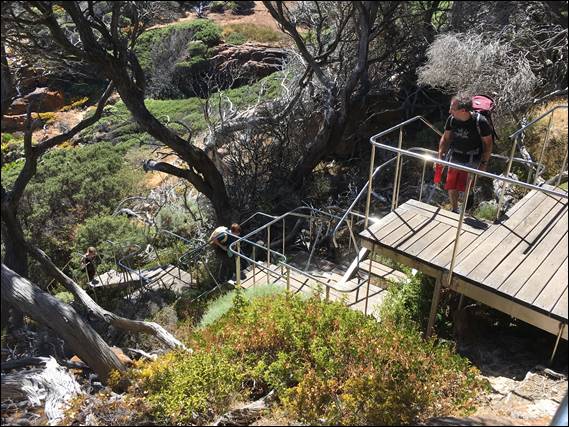
A number of them certainly did feel a little tricky for the grade Kym and I had given them back then, but that was also true of the lines we had jumped on at The Bookshelf. My reputation of sandbagging people may, as such, have some merit. Although when bouldering, failing is as much a part of the fun as succeeding. By 11’ish our arms were feeling weary and the bite of the sun was telling us it may be wise to head out. So Rongy, Sarah, Sophia and I walked out, which included the dreaded stairs, which for some reason always make my legs burn:
As we drove out Southern Heath Monitor (Varanus rosenbergi) ran across our path and I had to brake pretty hard to avoid it. It was definitely much warmer now and, unlike the Wolf Spider, the monitor made a dash for it but only into the bush by the side of the road. Allowing us to get a great view of it, before it then showed off its tree climbing ability so it could really get away from us. The rest of the mob only started to walk out from The Playground at 2:30, which would have been very toasty. And I feel that the kids will have well and truly earnt an ice cream on the way home:
The Stormtrooper (13, 8m) A steep start up and over an overlap at half height before entering the sentry box that protects the headwall. Consistent and fun climbing. Krish Seewraj, Sarah Hutt & Ryan Doe 19/02/23
Demolition Girl (13, 8m) The right facing corner, to the right of The Stormtrooper. Up the corner until the arête to the left can be accessed, proving some great exposure at the grade. Straight up from here being careful of the loose rock just below the top. Ryan Doe, Sarah Hutt & Krish Seewraj 19/02/23
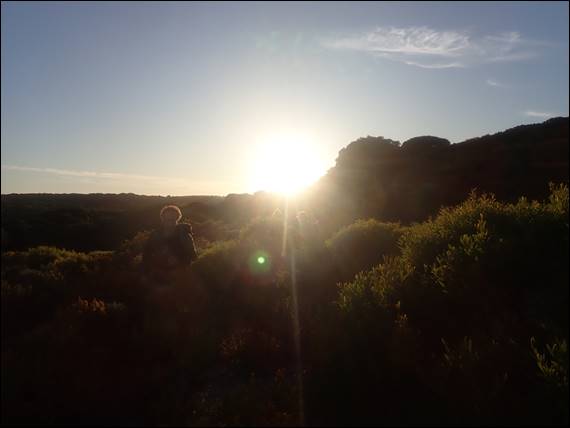
At twenty six degrees we were not intending to feel like we were getting cooked. Maybe that was what led Josh to try his luck and suggest a 5:45 meeting time in Capel, by which time the sun had well and truly risen into the sky. As it was I didn’t object to the time, and Rob indicated he was OK with it too. So there were no excuses for feeling tired before we began, and added to that we aimed to find a place that had a bunch of routes to suit both Josh and Rob. While they are not novices, Beginners Wall at Wilyabrup was our destination:
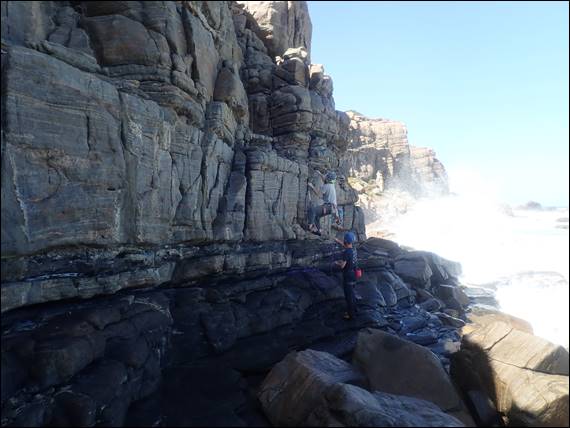
We walked in past the mighty northern blocks, definitely not the place to head when you are building your confidence in leading. Down a rubbly slope on which you can at times feel your feet slip forward in an unsettling way, as the rocks roll underneath. Then meandering through the sharp limestone features standing proud above the cliffs, like a castle or watchtower of some dark lord. Kelly had joined us today, but as I am becoming to expect she donned her running shoes and headed off shortly after we had arrived:
Her journey was to take her south along the Cape to Cape track, aiming to get some 20km of running in. That sounds way more impressive than us scaling the short 10m walls at this scrappy coastal location. A wall that looked to be dwarfed by the main cliffs of Wilyabrup to the south. Scrappy is a word Rob use to describe the cliffs of the Organ Pipes and Driftwood Bay, which lie between where we were and the main cliffs. It is a good word to use for those and this location, but it doesn’t mean the climbing isn’t fun:
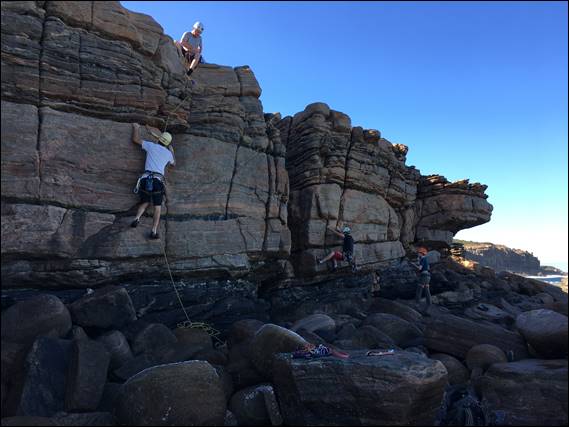
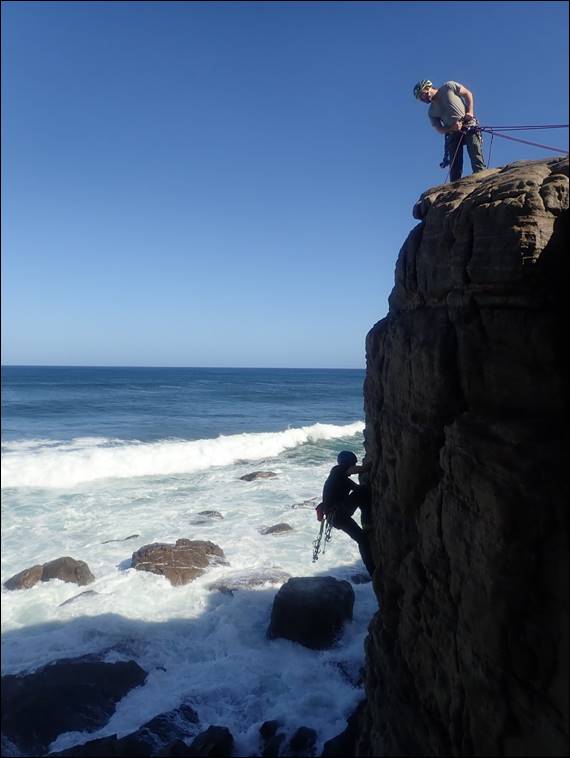
And it also belies the great situation we found ourselves in, with the 3m swell resulting in us looking over our shoulders every so often to see what might be heading our way. I was happy to allow the boys go lead for lead, so they could rack up a few ascents on routes they felt looked good and appealing. To start with there was no looking at the guidebook, it was a case of picking the lines that drew their attention. This resulted in allowing them to warm to this place, which despite its short nature is very well featured with ample protection:
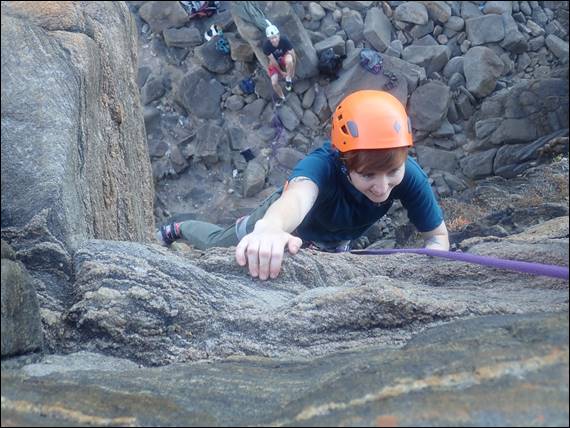
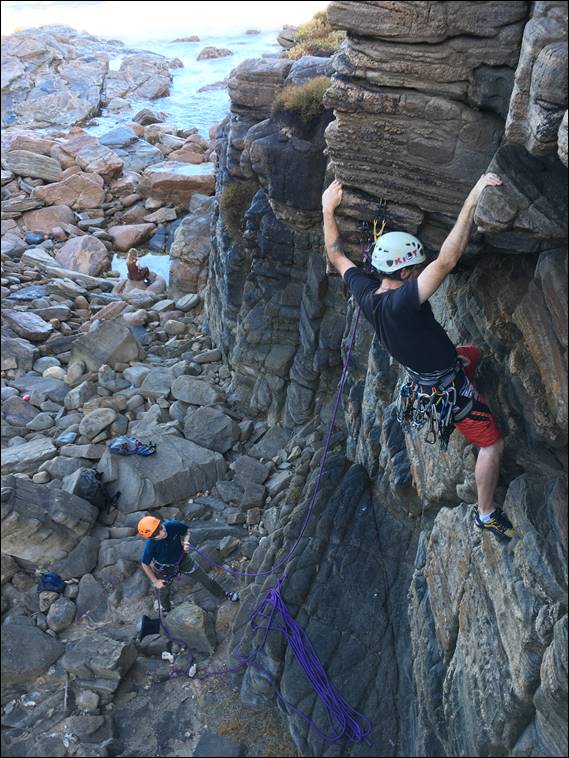
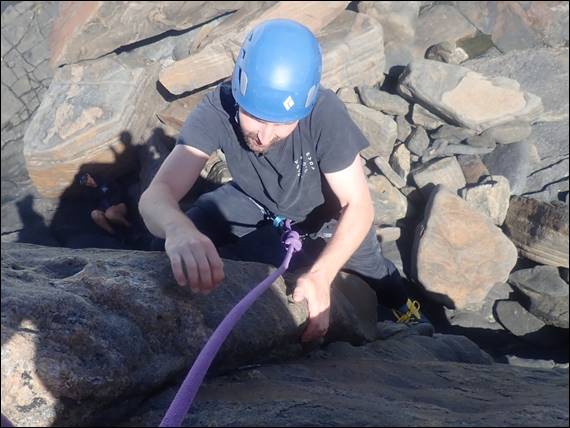
Having felt comfortable on their initial leads, and finding plenty of solid gear Rob decided to jump on an interesting looking grade 14. While there was one moment he stopped to consider what next, it really didn’t worry him too much. Although he did think it was somewhat over graded, and I made a suggestion that he should have picked up on. As I felt the original climb didn’t go up the relatively easy flake, but a flared crack to the right. One I have tried before and backed off due to lack of gear:
This was relevant, as after Josh notched up another enjoyable and relaxed lead and having had a boost by the above ascent Rob jumped on a second grade 14. For this one the line was obvious and inescapable, and this time it felt considerably harder. He went for it, but not before placing some solid gear, and promptly slipped. This was his first lead fall on trad, which surprised me a little as he has over the years done a fair bit of trad climbing. At least this time I couldn’t be blamed for sandbagging him, as I didn’t establish or grade the route:
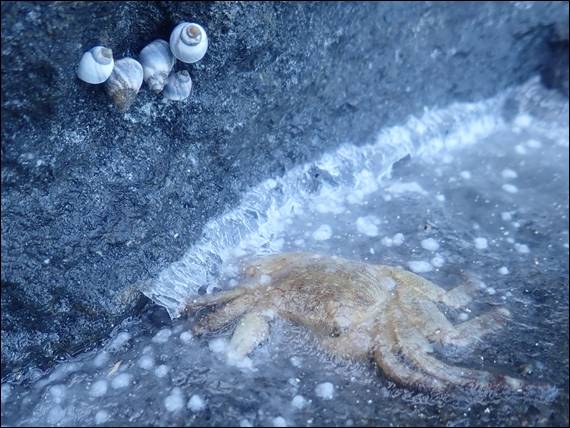
After a couple of attempts he came down and offered me the lead, and I have to confess for a grade 14 it is pretty spicy. And he was very happy with the decision to allow me to finish it off. They were both a little weary after that climb, but Rob was still keen for another lead. Sensibly dropping the difficulty, but he still left tired on the steep start. And was probably made a little nervous by the rising tide. The water at times lapped just a few feet from Josh, and also filled the above pool to release the crab’s carcass from its salty tomb:
Kellie returned from her 20km run as we racked up nearly 60m of climbing, not that it is a competition. Still I felt like we could jump on another route, this time it was clear that I would be leading and it might feel a little spicy. Seeing the climb is called Spicy. Being one of my creations, if Rob had led it he may have been justified in saying I sandbagged him. While he forced his way up the line, his body really didn’t want to pay attention anymore despite his mind understanding what he had to do. It was clear that Josh was now cooked:
But before we wrapped up, I knew that Rob had really liked the look of a short steep face. So I suggested that should be our final climb, and he seemed keen. Kellie watched on thinking I was a little mad, as I climbed the route. Other than one piece of gear it is effectively a solo, but I knew this so it didn’t faze me. Then it was Rob’s turn. Whether it was weariness from all the climbing and leading, nerves of watching me solo it, or that he felt it was yet another sandbag his goose was also now well and truly cooked:
We finally managed to get the pest control booked in for Thursday last week, to spray the house and deter spiders from cohabitating with us. We have this done annually, this time being delayed and we had noticed an increase in White-tailed Spiders (Lampona cylindrata). These were the biggest concern, as bites from these can cause swelling and itchiness. Something all three of us had experienced recently. The other common spiders were not so much of a worry, such as the Black House Spider (Badumna insignis) that like the in White-tailed Spider is native, and of course the introduced Daddy-long-legs Spider (Pholcus phalangioides):
We have the house sprayed with pyrethrin based chemicals, which is naturally found in some chrysanthemum flowers. That said, these chemicals can affect humans and dogs alike, mucking about with the normal operation of the nerves and brain function. Therefore, the poodles had gone with Lisa to school and, as I was working from home, I had to get out of the house for a few hours. A trip to the post office to pick up the mail only chewed up half an hour, so I took my snorkel gear with me and went in for a swim at Wave Walk off Peppy Beach:
The flat looking ocean looked inviting, with small rolling waves on occasion washing the shoreline. But as soon as my head went under it was clear that it wasn’t clear. Far from it and the under toad, for those familiar with The World According to Garp, had stirred up a storm below the surface. Needless to say it was a pretty ordinary snorkel, and I saw very little. Come Saturday and driving back from my morning out climbing with Ash at Wilyabrup the ocean once more looked very inviting:
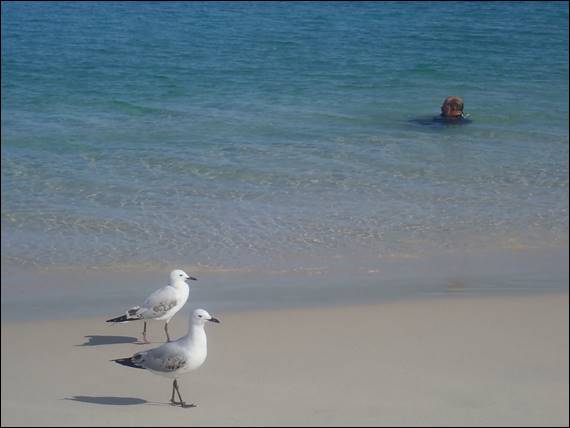
Not completely put off by the deception from a few days back, I planned to tag along with Geoff and Benny for a dive, again off Wave Walk, on Sunday morning,. It turned out to be a fair crew, with Nana, Moni, and Gav also joining. At 8:30, as we stood on the beach it already felt hot, as we waited for Benny who seemed to forget one thing after another. Gav had to cool down and bobbed in the water, watched on by a couple of gulls. And as Benny continued to faff, the rest of us went in ahead of him:
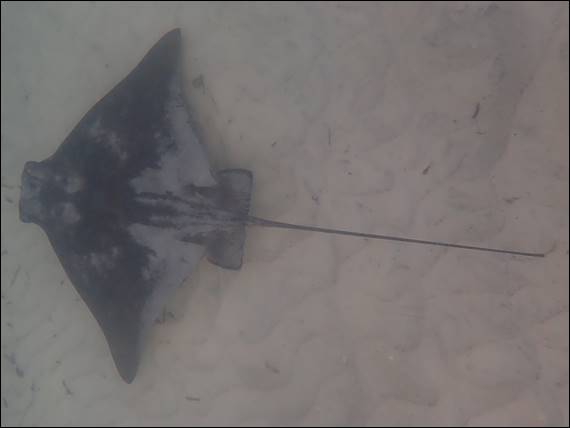
The visibility over the near shore reef looked a bit better than it had on Thursday, but only marginally. I was however encouraged by a Southern Eagle Ray (Myliobatis tenuicaudatus) that seemed happy for me to swim with and above it, as it led me out to deeper waters. Here the visibility definitely improved, with the swell being distributed over a deeper column of water so it did not have the force required to mobilise the bed sediments. The reef was fairly plain and flat, but the occasional feature provided an opportunity to explore:
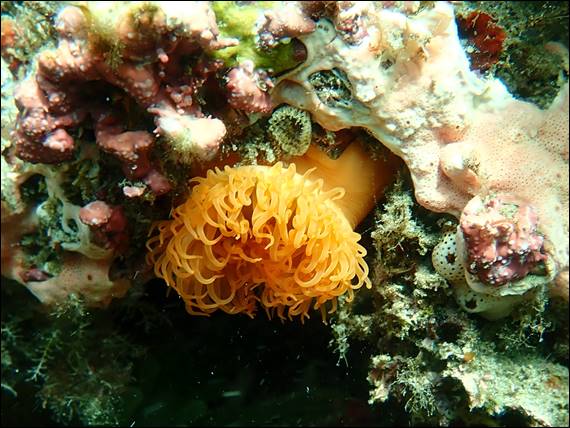
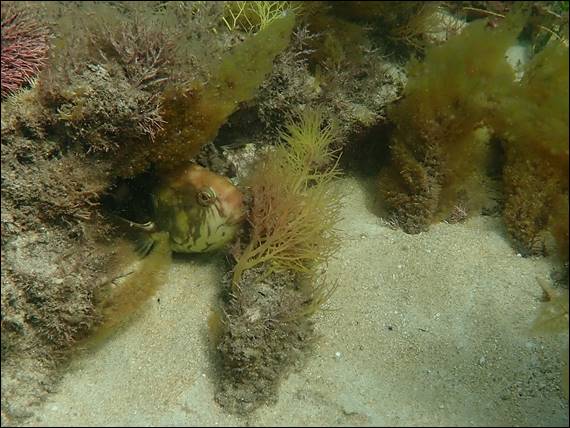
While there were plenty of fish about, I didn’t spot anything unusual or new. Not all of them were hiding from me like the above Brownspotted Wrasse (Notolabrus parilus), and no doubt someone new to the area would have marvelled over the many species I saw. I was however very happy to find the fully orange anemone shown two images above. It seemed a bit of a coincidence, after finding and getting so excited with the Sea Anemone with an orange body last weekend while diving the reef off from the Capel River mouth:
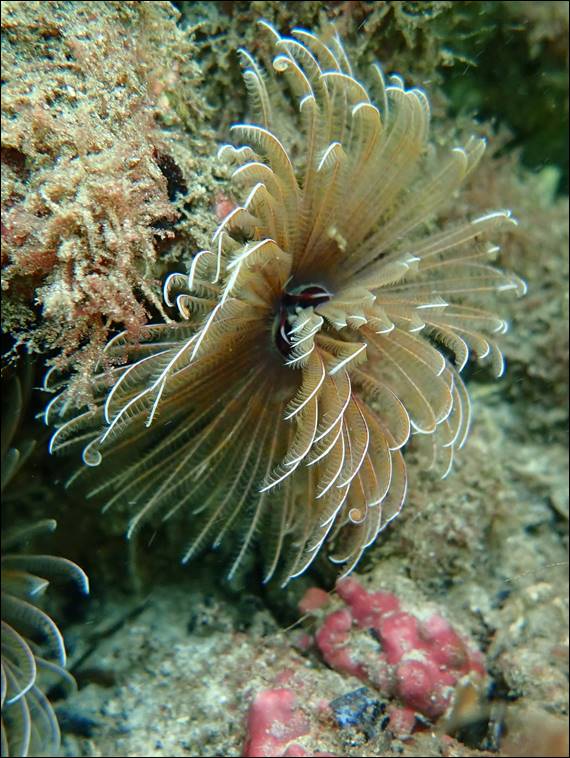
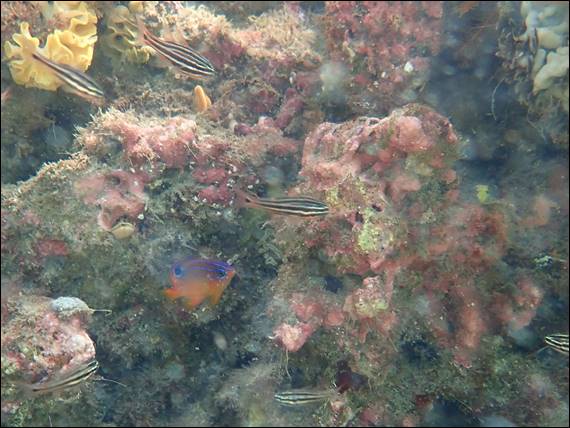
Similar to that last dive I also came across yet another species of Feather Duster Tubeworm (Sabellidae). The colouration of the delicate radiole, which swayed gently with the water as they filtered out food, was distinctly different to the ones I had seen before. It is this that I am assuming indicates it was a difference species, but I could be wrong. The below colourful find is however an easy one to identify, the electric blue lines and spots covering the bright orange body meaning it was undoubtedly a juvenile Common Scalyfin (Parma victoriae):
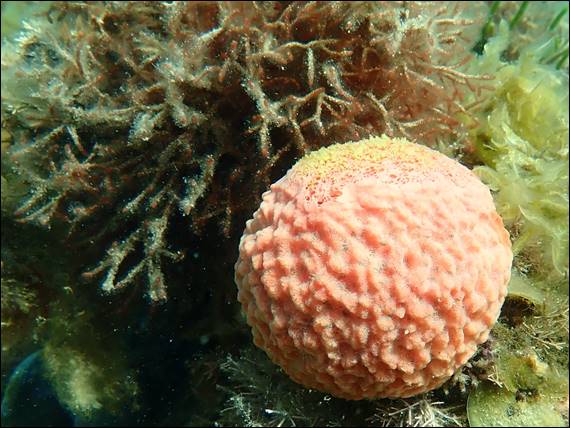
One more image of a Golf Ball Sponge (Tethya). While there are fifteen species found in southern Australian waters and despite the pinky looking colour, which may be partly an optical illusion created by the way the light was refracting through the water, I’d hazard a guess at saying it is an Orange Golf Ball Sponge (Tethya ingalli). After an hour plus in the water, one by one we headed back to shore. And as we got closer we were once again engulfed in sediment and weed unable to see the seabed:
It seems a few of the local crew may be heading off for travels this year, some with a stint of climbing in mind and others not so much. Ash is soon going to have a climbing trip, so he was keen to get a bit of his climbing fitness back. Missing out last weekend at Castle Rock, his last trip out was again with me. And that was some time back when I introduced him to the delights of the Organ Pipes. As such in fairness due to his absence from rock, his climbing fitness has not been particularly high for a while. And so maybe my idea for the day was a little ambitious:
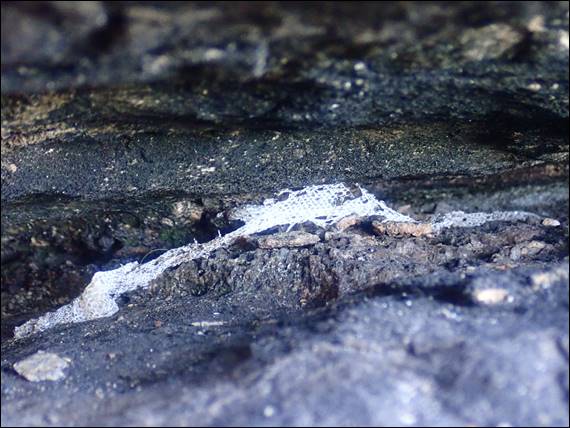
We decided on longer routes, and the obvious place round here for that is Wilyabrup. I had also thought about the sort of climbs that were a little longer, slightly more sustained, and would push him a bit. As we talked about the selection I was thinking he seemed keen, but also a little wary. Before we got to those we jumped on a pleasant warm up, and the joy getting out early was that no one else was about so we could have a pick of the classics. I was hoping to find a snake but it was not to be, with the only evidence of them being about was a discarded skin:
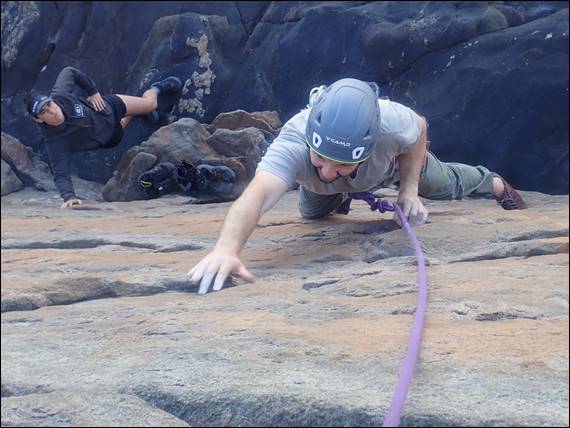
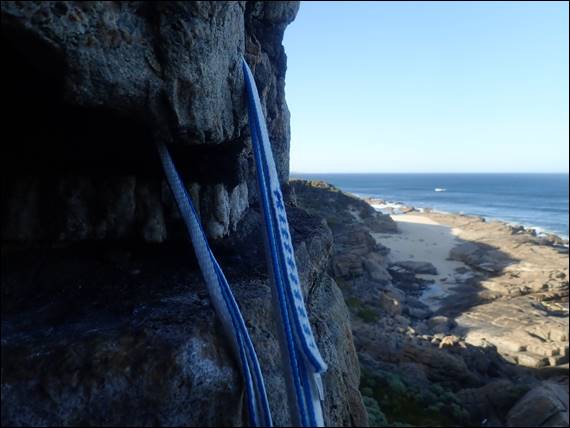
Warmed up and feeling pretty good, we moved on to a slightly harder line. And after my bolting and sport climbing session yesterday, I was keen to place some trad. Bob I thought you would appreciate the above thread, placing slings for gear always makes me think of climbing in the Lake District with you! While I had in mind for higher grades still to come, I have to admit I was still feeling a little weary from yesterday’s hugely successful morning at Well Dam. But not as weary as Ash was looking as he followed up after me:
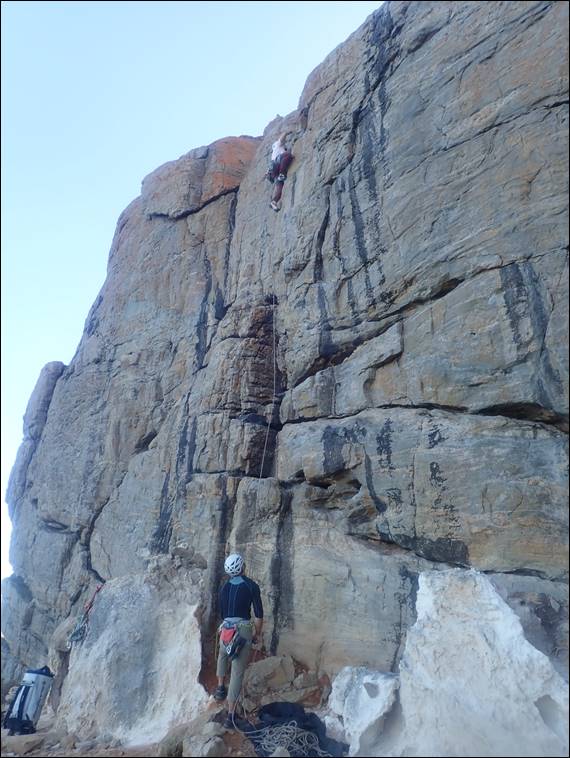
His forearms were already complaining to the point they hurt, but he held on to get a clean ascent, for which he had to dig deep. It was clear we may not get onto those trickier lines, there was no point in burning Ash out. After all we were after endurance, and that can also be built up on the lower grades. It may have also been a blessing for me, as I do wonder how worn out I might have been with my intended tick list. The first other climbers for the day arrived, and it happened to be Julian who I have met a few times before:
The chance of a chat broke up the usual back to back pace of jumping on routes that I would normally be keen to keep going. Allowing a bit more recovery time, but not quite enough for Ash before our third line. I was aware it would probably push him a little too hard with its steep and physical start on which it is hard to take the weight of your arms. Still I knew Mario would appreciate me placing the No.4 Camelot, so we did it anyway. And sure enough the start was a little too tough, but after a rest on the rope Ash battled on to the top:
As we walked back down he resorted to stopping for another chat with Julian to extend his opportunity for recovery. We dialled it back a bit and racked up a couple of shorter and easier lines, which were still good fun and made him work. Having to the pull moves, as his body was starting to wane and his mind wavered. But by digging deep he got two more clean ascents, and we were rewarded by a huge pod of dolphins that looked to be feeding in the bay, and then later during our last climb ambled right off the coast in front of us at a very leisurely pace:
A few more climbers arrived, and the first area of Wilyabrup started to look like an indoor gym. Julian and Conner were leading their chosen lines, while everyone else that turned up resorted to top roping. But it was touch and go as to whether Ash had anything else left in the tank. The morning was also moving along and the hot sun was creeping onto the northern faces, a sign for both of us it was time to bail. So I subtlety suggested climbing out with packs, which would save hiking back out. We didn’t pick a silly line, but it was still one I was expecting Ash to finally just say no:
But he didn’t. So we wrapped up the morning with a sixth route made all the more interesting by the changed centre of gravity that a backpack creates. A great way to end the session and after another clean ascent fo Ash. It was warming up considerably, and neither Ash nor I enjoy climbing in the heat. So we left those now crawling about the cliffs to it. Hopefully, today will help Ash with building up a bit of fitness, but ultimately it doesn’t matter. He’ll enjoy his climbing trip regardless, as like many of us he is in it for the experience and just getting out:
Today was take 2. My lack of experience, and to a degree observations, led Rongy and my last attempt to bolt the three new routes at Welly Dam come to a grinding halt. What was lacking was grunt in the equipment we had, but also the fact that there is a difference between a hammer and rotary hammer drill. It made perfect sense to me when this was pointed out, as I sheepishly admitted to overlooking the difference. Today however, Howsie and I came appropriately armed, again starting early so the noisy drilling could be undertaken without anyone about:
We had twenty bolts to place, and only one drill. Howsie has never been bolting and my experience of mechanical bolting extends to only one route, again at Welly Dam, in 2012. Yes I have hand drilled bolts in true alpine style, but only two. While I have watched Kym bolt quite a few lines over the years, I wasn’t sure if the granite here would be a tougher opposition and may take longer. As such we had no idea how long it would take and were pleasantly surprised to see the drill bit bite and sink into the grey granite with relative ease on the first hole:
The first line had a few steep, slightly overhung, and off line sections which made getting behind the drill at times interesting. Requiring a little bit of acrobatics, holding on, toe hooking, and body tensioning. This line took seven bolts and I was pretty puffed by the end of it, so I offered the drill to Howsie. He was more than happy to bolt the second line, a slabby route that thankfully allowed more straightforward access to the bolt placements. But there is still a fair bit of paraphernalia to carry about, and all that weight takes its toll:
Howsie came down, like me before, claiming that a desk jockey job is not good for fitness. Handing the equipment back to me, there were eight more bolts to place on the last line. I wasn’t sure if it was me or the battery wearing down, as progress seemed to be slowing down. Then I popped a new bit into the drill, and the holes once more became easier to sink. All up it only took us two hours to place the bolts and clear up, so not too bad really. The downside being that we were both fairly weary, and I could have killed a cup of tea:
Luckily my sippy mug still had some tea left, still hot, from when I had walked out the door at 3:45am. I eagerly supped that, savouring every drop and taking my time. Feeling sore and achy, which is sad to admit but truthful, I wondered how we would go on the routes. I started on a climb I called Building Bridges. The name comes from the fact that the bridge at the base of the dam is being rebuilt, the route uses a technique up part of the corner called bridging, and the fact that this route has seven bolts:
The last point being relevant as Kym and I developed to the climb to the right, which is bagged for its first high bolt. So this one is to appease those not so keen for a possible high ground fall before the first bolt. It’s a physical route, steep, and a tad strenuous in places, and I was feeling it. Almost coming off at what for me felt like the crux, but somehow just managing to cling on. One route down and I was happy as, but worried about the next two. We moved across to the route Howsie bolted, and I offered him the first ascent:
He gratefully accepted, but as per the name it was given he made a bit of a Strom in a Teacup of it. Pontificating on the crux move, yo-yoing and pumping out on arms already hurting from the bolting and last climb. Eventually falling and grateful his bolting seemed to be of a good enough standard to hold him. Exhausted he handed me the rope and I bagged route number two, calling it the name given. But for another reason to that above, being a statement that it isn’t worth blowing things out of proportion to the determent of friendship, life is too short:
One more route, and this was the toughy. Rongy, Howsie and I all felt so based on when we were trying the lines and setting bolt placements. It weaves a path up good rock to the sides of one of the blast holes, used to literally blow the rock out of the quarry. As such some of the rock is a tad fragile in places and prone to coming off. So quite simply I named this one Peanut Brittle, which describes the rock and is also in keeping with the food, BBQ, and picnic theme of names of the adjacent climbs. While I was worried about this one, I do not feel that I am boasting when I say I floated up it, and it was divine:
The new route names and descriptions are given below, as described online (https://www.climberswa.asn.au/topic/welly-dam/), but I think you may agree the above background detail provides far more context. And I have purposely not given any hints away about how the routes climb or what the cruxes may be, so those that may want to try to get the on-sight lead can go for it:
Building Bridges (20, 20m) The left wall of the black gully between Go Go Gadget Arms and Raging Torrent. A steep line with some unusual features and moves for the dam, finishing with a rising rightward traverse to the anchors of Raging Torrent. 7BRs & DBB Krish Seewraj, Chris Howe 03/02/23
Peanut Brittle (21, 18m) The black streak between Hole in the Wall and Savage Sausage Sniffer, a straight line that takes in the best rock with an exciting finale. 6BRs & DBB Krish Seewraj, Chris Howe 03/02/23
Storm in a Teacup (18, 14m) The unclaimed wall between Taj vs the World and Full Tiller has been claimed. Try not to make a meal of the thought provoking move midway up. 3BRs & DBB Krish Seewraj, Chris Howe 03/02/23
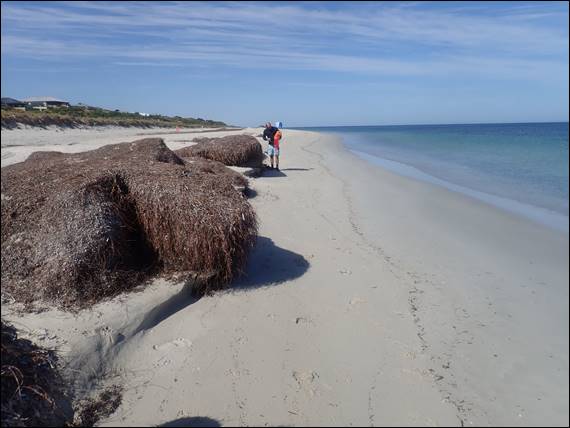
After a successful dive yesterday I was keen for a second dip before the usually relaxed start to the working year, during January, would come to an abrupt end on Monday. You may be pleased to know that this also signals a likely slowdown in posts, as my time to get out into nature will be mostly limited to weekends. Geoff was keen to join and suggested going in from the northern most beach access, near the Capel Rover Mouth. I have not been to this part of our local beach since last snorkelling season and was surprised to see seaweed piled up:
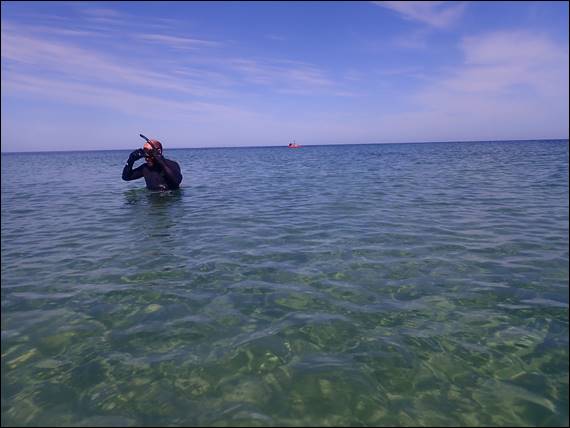
This accumulation of weed is common in winter and is usually buried under the sand as summer comes on, leaving the pristine and inviting sandy beaches the tourists flock here to use. Being the last weekend of the summer school holidays, many would be on their way, or preparing to be on their way, home making for quieter beaches for us. That said there seemed to be one or two out and about, including several paddlers. Thankfully there were no jet skis. Like yesterday the water looked flat and calm so fingers crossed the visibility would be good:
I will confess up front that I took a lot of images, and we saw heaps. Not that life was swarming round us, we had to move about to find the many treasures we did but we stayed in the water for just over two hours. Plenty fo time for us to explore lots of nooks and crannies for quite a way along the reef towards and just past the Capel River mouth. As such from this point onwards I will attempt not to type so much this time, allowing the pictures to do most of the talking:
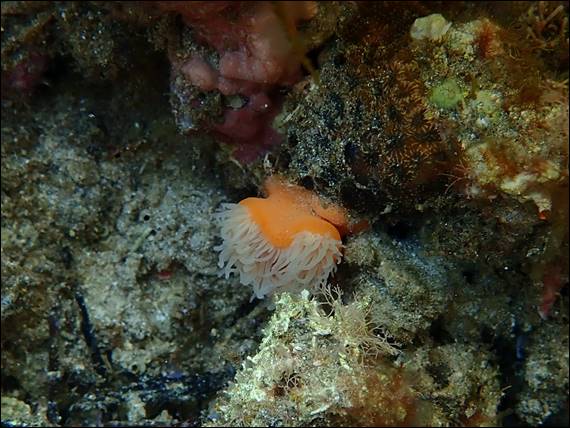
I almost immediately spotted a Short Tail Nudibranch (Ceratosoma brevicaudatum), and then thought I saw a second a bit further along. But as the weed parted in the low swell it was Sea Anemone, and it was the orange body that had caught my eye. I do not recall previously seeing one with this coloured body, not that it has helped me one bit in trying to identify it. Sea anemones are named after a terrestrial flower, although these underwater beauties are not plants but predatory animals of the order Actiniaria:
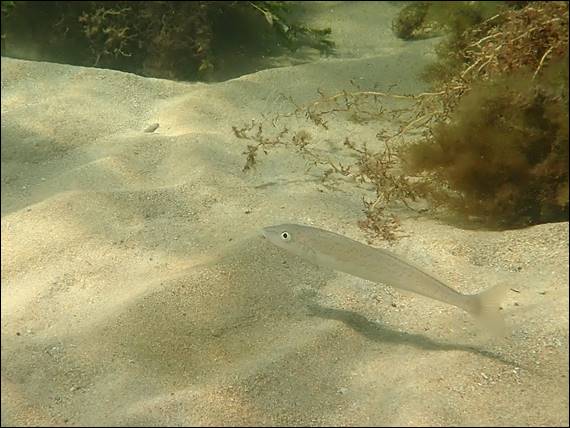
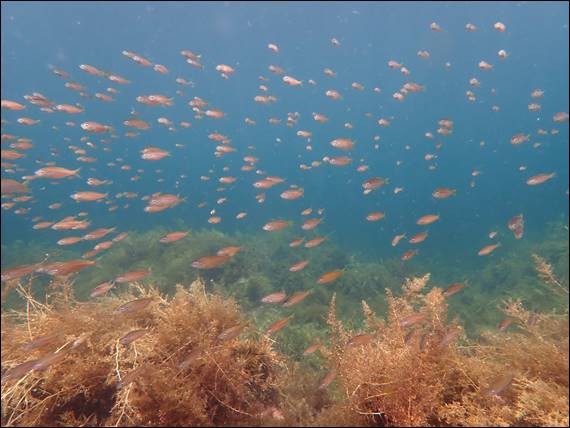
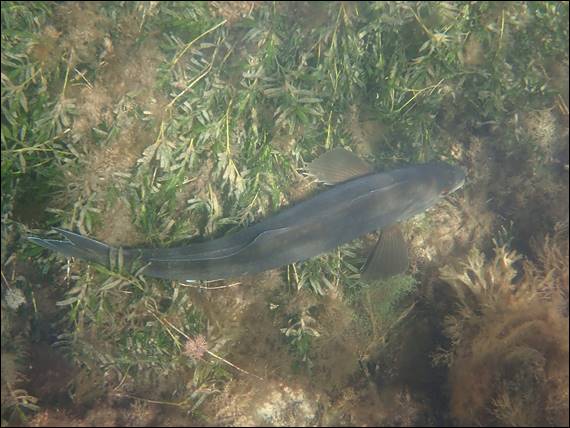
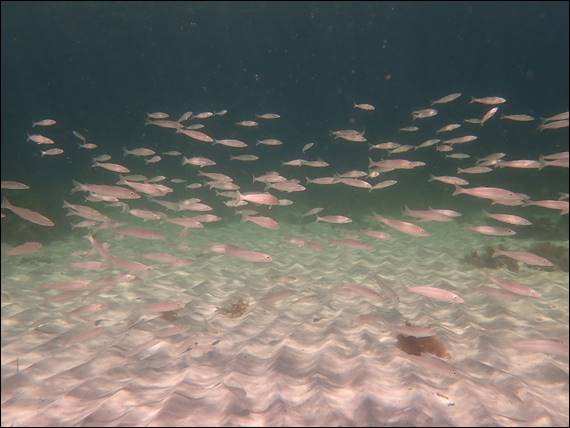
There were plenty of small fish in reasonably sized schools, some discrete species and others mixed. The above was a cluster of possible juvenile Western Pomfred (Schuettea woodwardi) and Western Gobbleguts (Ostorhinchus rueppellii). The larger fish were also about, with a few that I do not see at the spot where I can walk to the beach near our house. They are probably there, just more prominent here due to the more extensive reef system. Below was a solitary King George Whiting (Sillaginodes punctatus):
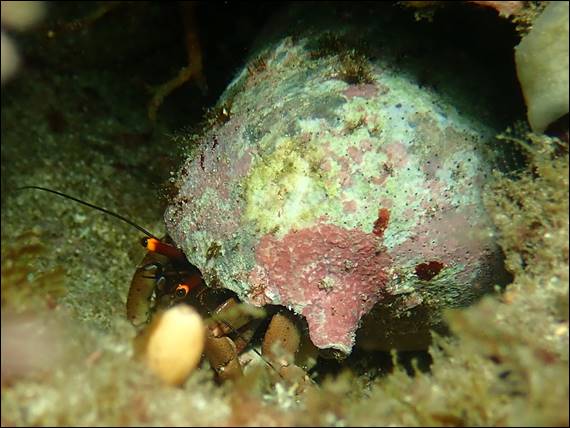
There are 13 species of Whiting in Australian waters, and the King George Whiting has spots along it’s body and small sized scales that are clear-cut ways to distinguish this species. It is a highly prized table fish but a little pricey, maybe because of the need to catch it by line or only by specific netting techniques. In addition to being the largest of the species, it is the only member of the genus Sillaginodes. My next find was hidden in a small hole in the reef in which I saw some movement, being a Hermit Crab (Pagurus) having a feed:
Despite trying I was unable to narrow down the species any further. Hermit Crabs are unique in the crab world as they do not have a hard shell, resulting in their soft bodies being exposed. To overcome this they borrow whatever casing may be suitably sized, until they outgrow it. The term hermit is used to describe someone who does not yearn for or need company, which is ironic as Hermit Crabs are known to be a social creature. There was much diving to check out caves and ledges, and under one I found this:
I got all excited about finding another species of nudibranch. And while this may be a Pustulose Wart Slug (Phyllidiella pustulosa), which is a nudibranch. It could also be a Mimic Flatworm (Pseudoceros imitatus). The Flatworm looks very similar, neither have external gills and the two antenna look almost the same on the two creatures. The only difference I can think to use to differentiate it was the amount of volume of its body. Unlike the one I found in Dec 2021, which looked flatter (https://wordpress.com/post/sandbagged.blog/7293):
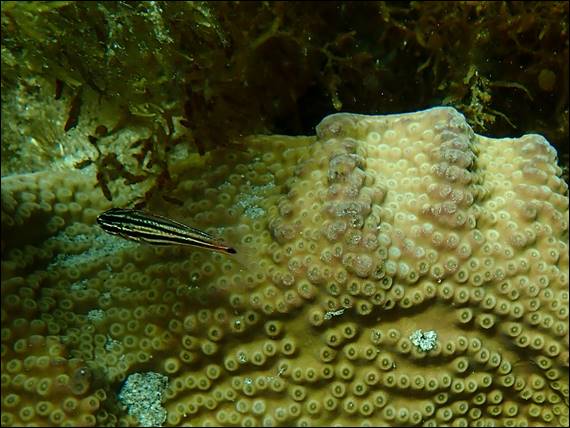
So taking a punt back in 2021 I probably found a Mimic Flatworm, which I incorrectly identified, while the one today was a Pustulose Wart Slug. I was also pleasantly surprised during this dive to find a few corals, and on several separate occasions I spotted a single small striped fish swimming about in the bowl that these corals made. The coral was a hard coral of the Astreopora genus and I believe, but am not completely convinced, the fish was a juvenile Western Striped Cardinalfish (Ostorhinchus victoriae):
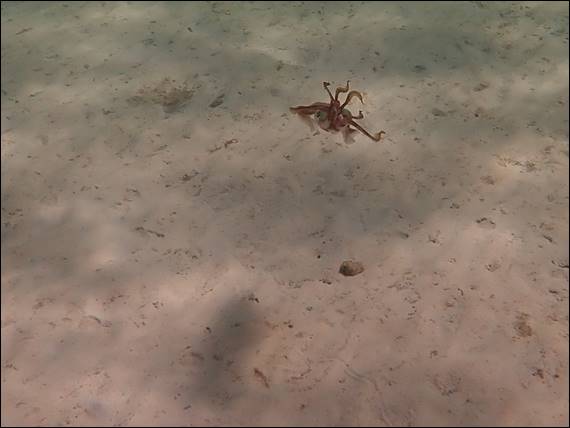
There was no end of discoveries on our dive, way too many to include. Some of the nicer finds that won’t get shown today include one or more Rock Lobster, Western Rock Octopus, Cuttlefish, Boarfish, and Stingaree. We also spotted a few Southern Calamari Squid (Sepioteuthis australis), putting on their usual defensive display to make themselves look more aggressive and dangerous, before using their incredible speed to simply disappear:
We also heard the familiar noise of Bottlenose dolphin (Tursiops truncatus), and were lucky enough for them to pass us twice as the cruised up and then back down the coastline. Unlike the squid and many other fish, they were in no rush and slowly swam past us. With a second day of favourable weather the water was a little clearer, and the visibility was helped also by having the sun higher in the sky to allow more light to filter through the water. Instead of an image I have included a short video:
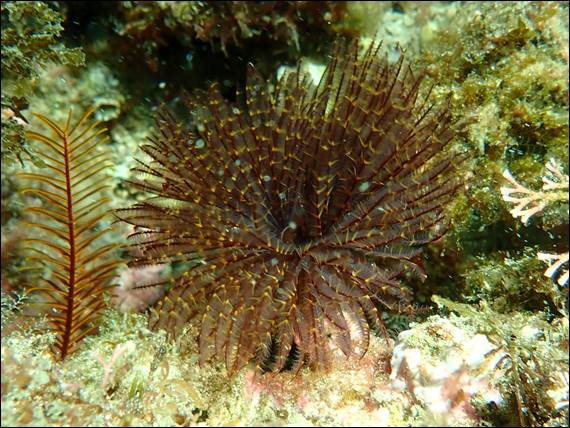
At one location I spotted two types of Feather Duster Tubeworm (Sabellidae). The first is a repeat find what I reported a couple of years back further along the coast past the River Mouth and the coastal feature called The Point (https://wordpress.com/post/sandbagged.blog/5843), and then there was this other species. Information on these seems to be sparse and I have not managed to dig any deeper into the names of the two types I found:
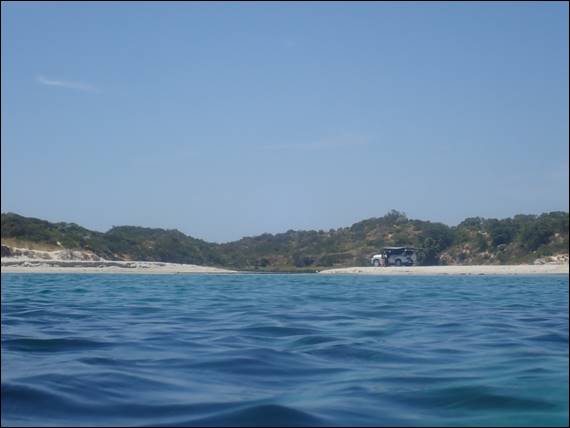
Below is an image of the Capel River mouth, as we saw it today. Geoff had told me someone had recently opened up the river mouth to allow a connection between the river and ocean. I doubt it was to allow water from the river, which doesn’t flow in summer, out. So there are two options. Either the trapped river water was at risk of forming algal blooms and becoming smelly so they let sea water in. Or someone wanted to prevent all the holiday 4WDs from crossing this point and going past The Point by digging a channel in the beach:
It sounds as if there may have been some disgruntled holiday makers as they attempted to get a quiet bit of beach to celebrate Australia Day, so the latter possibility may not be so far-fetched. Snorkelling with Geoff is good as he thoroughly checks every spot hoping to find Rock Lobsters. In one cave he spotted a big Dusky Morwong (Dactylophora nigricans). Calling me over, I went down and saw the fish as it escaped out the back of the cave. Whether it was the same fish or not, a Dusky Morwong later swam past Geoff before settling in the weed to rest up allowing me a great birds eye view as I swam over it:
One last image, which was taken as we were on our way out. Another species of Whiting, being the Southern School Whiting (Sillago bassensis). A fish people are often seeking to catch fishing of the beach, along with the Australian Herring (Arripis georgianus). We finally exited the water with toes and finger tips just starting to tingle, but we were not at the point of our teeth chattering. The timing was however good as the winds soon changed to an onshore, which meant the water would soon be not quite so calm:










 Sandbagged