Dan is back in town. He somehow managed to escape the clutches of a lockdown life in Melbourne to join us in Western Australia and the freedom we have been enjoying here. With no work opportunities back home he made the decision to find work over here, which he did and after fourteen days of quarantining himself he was finally allowed out to play. It was a crisp and cold morning as I drove towards our designated meeting spot of Capel and the morning sky was looking particularly lovey, so I stopped to capture what I was lucky enough to be seeing:
As I got out of the car with just a t-short on I was surprised at how comfortable I felt, even though it was only 5 degrees. Maybe it wouldn’t be so bad down at the crag without my Buffalo jacket after all? As we rolled into the carpark near the crag it was still only just over six degrees, so I loaded my layers on with a t-shirt, fleece and finally a wind shield. I would normally only need to pull on my Buffalo and that would be that, geez how faffy all these clothes were. I promise now to keep quiet about clothing and get down to why we had come here:
The reason being is that Dan had chosen it as the preferred location to climb. More so he had indicated a few lines that he was keen to jump on, ones that he had previously not been on. The scary thing being that a number of them were pretty stiff routes, and none were below grade 20. Luckily Rongy had joined us and that meant we would have a bit more of a rest in-between each line, as it felt like we might need it. We being myself and also Rongy, who had foolishly spent three hours trashing himself in a boulder gym in Perth just yesterday:
All of Dan’s keyboard bravado before this trip, about these lofty climbs, was soon dispelled. He was keen to ease into the day with some more moderate routes. This started with him taking the rope to lead Glory, almost ten grades less that what we were thinking. But grades don’t really matter, it is being out here that counts. That and the opportunity to meet old friends like this Carpet Python that was tucked behind one of the flakes on Glory, which neither Dan nor Rongy spotted. Mind you they did get to spot the dolphins cruise past, which I missed:
Rongy came down off the first route indicating he could feel the results of his indoor plastic pulling session at the boulder gym. So I was a little surprised when after a bit of procrastination he decided to lead Dolphins Smiles, which is not exactly a walk in the park. With three of us out today I brought my SLR camera along, and it got more of a workout today than during yesterday’s hike. I ran about the top of the cliff getting varied angles, and my legs were feeling the workout they got during yesterday’s hike:
Despite feeling weary Rongy managed a clean ascent, and then it was my turn to follow up the line. My legs felt a little tree trunk like and my arms were also tired. I blame Alan for the latter, due to him coming round on Wednesday last week for a boulder in the shed. It had been the first time in some ten weeks that I had jumped on my wall at home, and I fear it will take a few more weeks before I can say I am feeling any benefit from the midweek training sessions. That is assuming they will continue. But what was on my mind more, was it would be my lead next:
I had already decided what I would climb, and this was in part due to Rongy bumping it up a notch but mainly thinking I needed to make sure Dan was properly warmed up for whatever he might do next. Just thinking about Simply Suicide made me nervous, and I was definitely rethinking my decision as I set off. A pumpy bottom half followed by a fingery and runout second half. Strangely however, as will often happen, when you get on the sharp end you become more focused and just get on with it. This was exactly what I did, as Rongy laid back in the sun on the big boulders below:
So once we were all atop the cliff and pondered what next, Dan plumped for Stainless Steel. Not quite the lofty grade 23 we might have been up for, but still a solid route and after the last two it would be enough. Opting not to be a mountain goat for a second time to get images, I took over Rongy’s position and lay on the boulders in the sun. Geez it was lush, kicking back and almost feeling like I could have had a snooze. In front of me Dan was strutting his stuff on the wall and behind me I could hear the crashing waves, it’s a good life for sure:
The last time Dan climbed this route would have been at the end of 2017, when he and Jo were over and we headed out (https://sandbagged.blog/2017/12/30/a-winters-day/). On that occasion my words were that “he didn’t seem to stop and hesitate at any point, the gear was placed fluidly and he made every section look very smooth”. I’d be interested to know if he felt it was the same today, the route certainly didn’t seem to worry him too much but with all the lockdowns they’ve had over east I don’t think his stamina was quite what it was back then:
As Dan climbed I occasionally forced myself into a sitting position so I could also watch the waves. And it wasn’t until Dan had finished the route and Rongy was close to the top, before I finally felt like I needed to break away from my perfect rock sunbed. Rongy confessed to being toasted and not up for another lead, so it was up to me after that. I was undecided about what to climb so Dan suggested I jump on Golden Buttress, and a proper and classic mid-grade trad climb to finish the session off. It seemed good idea to me, and after that route we were all satisfied or incapable of climbing anymore, so we wandered out:
Dan’s here for a few months so hopefully a few climbing session and maybe trips will be had. The way he went today I’ve no doubt that those more gnarly routes he had in mind will fall before he heads back. At the car I had a mini-panic when my phone wasn’t in the car, which is where I thought it was, as it is something that is a bit more fuss to replace than a jacket. It wasn’t until I had turned everything inside out that Dan found it on the bonnet of the car, no doubt where I had put it when we had first arrived. Um, it’s been a bit of weekend for it but hopefully that will be the end of my scatter-brained moments for now:
Lisa and I, encouraged by a lovely but short walk last weekend, headed out today for a longer hike inland. Neither of us had been to Greenbushes before, and I have only ever know it as a lithium mine with a town site tacked on. That’s a bit harsh as Greenbushes has been round since 1888, and has been a mining and timber town ever since. But we hadn’t come here to wander round the streets of the town looking at the numerous information boards on many of the buildings telling us what they had been used for in years gone by:
We had come here to hike round the fifteen kilometre loop walk, which started right in the centre of the town. Being a small place it didn’t take long before we got off the tarmac and headed into the forest. This comprises both old growth and rehabilitated areas. While signs of former mining were evident, which gave us a hint of areas that were probably rehabilitated, I have to say that we really couldn’t tell which was which. One thing was however very clear and that was there were heaps of mosquitoes out:
As a result Lisa was less keen to stop, as I found little treasures to capture. This included many Pink Fairy Orchids that seemed to be scattered along the path almost from the very beginning. I had also brought my SLR camera today, as this walk would take us past numerous dams of various sizes. I had in mind that I would today spot a few birds and get some good shots of the numerous water birds that are reputed to be found here. The first dam was Greenbushes Pool, and was a day use area equipped with play equipment and jetties:
With more regular use I wasn’t surprised that there were no waterbirds to see here, but it was still a lovely spot. As we walked round the pool, and as a consolatory prize we spotted New Holland Honeyeaters flitting about in the bushes. We managed to somehow get a bit side tracked and missed the signs resulting in us having a self-guided tour of the campsites here, before we got back on the track. Leaving dam number one behind us we entered the forest once more:
The track was lovely, a meandering path working its way through the trees. Wattle bushes were in full bloom, and some had started to go past their due date. They filled the air with a fragrance that is very distinctive, and so loved by many that it is used in oils and candles. I’m not going to try and identify which wattles we saw. Most had the familiar pompom type flowers, but others were more of an elongated cylinder shape. I scoured both sides of the path as we went along and spotted the very occasional Banded Greenhood Orchid, as well as Pink Fairy Orchids:
For those that read every post, you may recall that when Lisa and hiked the Bridgetown Jarrah Park (https://sandbagged.blog/2021/07/25/bleedin-trees/) we came across a plant that looked exotic. However, Howsie advised that it was probably the native Tassel Flower and also that the flowers, which were not out at the time, were supposed to be beautiful. Well today we came across them again and this time they were in flower, and indeed they were amazing to see and very much not as I expected. With many tendrils full of colourful flowers:
I continued to look intensely down at the sides of the path, remembering to occasionally also look up and take in the bigger picture of where we were lucky to be walking today. At first I thought I spotted just another Banded Greenhood Orchid, but this one was solitary and only had one flower atop the stem. Not being one I have come across before I took a punt and suggested to Lisa it was a Pitcher Orchid. They don’t however seem to be native to Australia but I wasn’t far off with the idea, and can confirm it was a Jug Orchid:
I wasn’t only taken by the orchids that were out, in fact other than the Pick Fairy Orchids there seemed to be very few about. There were plenty of other flowers, but it was hard to capture the spectacle that we were seeing. Many of the flowers were small and spread out, so the photos just didn’t do them justice. And with the light of the day becoming steadily brighter, as the sun was getting higher in the sky, the background of greens and browns took over. I did like this flower, which was quite different to the others both in shape and colour and is the brown or scented Boronia:
Soon we were at the second dam, a much larger water body than the first. This was one was called Schwenke’s Dam and was advertised as being a great bird spotting location. As we looked over the still water all we saw were the dead trunks of the trees that had been flooded out when they built the dam. Not a hint of movement and again there was no need to pull out my SLR camera, as no birds were to be seen. The sound of frogs was however delightful. But we know better than to try and find them, it would be a hopeless task:
We carried on back into the forest and here we came across what was probably the best shot I got to capture the colours. The perfume of the wattles came and went as we walked through the forest and the Pink Fairy Orchids were still about along the side of the track. Almost like a series of guiding lights showing us the way to go. We did hear a few birds as we walked, the familiar Ring Necked Parrot and Red Tailed Cockatoo, but all too distant to be seen. There were a few small birds, but they moved so fast that it was hard to make them out:
Soon we hit dam number three, this one being called Mount Jones Dam. Before we got here we passed Flat Rock Falls, and the sound of the cascading water caught our attention and we stopped there for a bit. Listening to the frogs and watching the water bubbling over the rocks. At the dam it was time to have a cuppa, this was the third-way mark of the walk and provided a lovely outlook. Thankfully as the day warmed up the mosquitoes started to disappear, and as we sat drinking our tea we also pondered where all the birds had disappeared too:
As we crossed the dam wall I finally found a bird worth stopping for and spending time to observe. It is the first Bird Orchid I’ve come across and it was stunning, and looked to me just like a little humming bird. Everything about it looked delicate and perfect, and I took heaps of images from all angles, as I doubt I’ll get to see one again for a long time. Needless to say, having found this bird I wasn’t so worried about trying to find the real thing anymore, and wasn’t disappointed that we didn’t see any birds after this:
Passing the third dam the track joined up with the Bibbiblium trail, which goes from Albany on the south coast all the way to Perth. I continued along this path with an ear to ear grin, and while we didn’t see any new flowers or orchids, other than Pink Fairy Orchids my mood could not be dampened. The track remained small and meandering, but the soils changed from gravel to sand as we went over the ridges, and then returned to gravel as we came back down. As the soils changed the vegetation also changed:
Through this section the wattles seemed to disappear, and the Banksia’s took over. Overhanging the track with branches leaning heavily with cones that had already flowered, but still look amazing. When we stood still the forest was almost silent, other than distant birds and it was a wonderfully peaceful place to be. The amount of flowers in this section also seemed to reduce, but that didn’t worry us any. And of course there was the occasional Pink Fairy Orchid, just to indicate we were still on the right path:
Something that was missing from this walk, which we had seen plenty of in our walks this year was fungi. Despite all the dams and creeks here, the landscape through which we walked seemed reasonably dry underfoot. I could count on my fingers how many times we came across fungi, and most of the species were similar to what we have seen before. This little collection was however too nice to pass by, and might be my last fungi image for the year unless we come across some really spectacular:
Just before we left the Bibbiblium trail and got back on the Greenbushes Loop walk we came to the edge of the forest and had a great vista across the farmland. This was the two-thirds mark of the hike and a bench had been strategically placed here, making it an ideal time for our second break. Out came the flask proving us with another lovely cuppa, as we looked out across the lush green grass. A sign that there was still plenty of water about, despite the lack of fungi on display:
As we hit the trail again I spotted a single orchid, one I wasn’t able to identify while out on the walk. I knew it wouldn’t be too hard to work out due to the distinctive cluster of deep purple calii on the labellum, which looked a little like an overflowing plater of caviar. The sepals and petals also had a distinct deep purple club at each of their ends. This was the only orchid I found that wasn’t of the greenhood genus, other than the Pink Fairies of course. And it is a Leaping Spider Orchid, another new sighting for me to add to my list:
I mentioned the greenhood genus of orchids. They are distinguishable by their mainly green colour, also the dorsal sepals and petals being joined and forming a hood. This is true of the Greenhoods, Jug and Bird Orchids we had seen today and then also these Tall Snail Orchids, which we found soon after. It was clearly the Tall Snail Orchid as the plants stood some 250mm or more high. However, the flower itself is quite small, and to give an indication of size the flower above is approximately 70mm tip to tip, whereas this snail orchid flower is no more than 30mm high including the tall antenna:
Soon after leaving the Bibbiblium trail the meandering little path became a wide dirt road. One that was under construction, and it looked like they may have been laying a water supply pipeline. There were dieback spray stations for the vehicles, the track was wide and disturbed, survey pegs lined the side and the feel of the walk completely changed. At this point it seemed we might need to wade through the water, until Lisa spotted the original path with a small wooden crossing:
The wide track continued for most of the way back into Greenbushes, and we sped up the pace. It was harder to watch out for flowers on this really wide track with the sides all disturbed with gravel piled up. But the ever present Pink Fairy Orchids stayed with us till the end, right up till when we popped out of the forest and back onto the tarmac. As we approached the car the signs had proven right and it had taken us close to five hours to complete the loop. And it had been five very well spent hours:
Before leaving Greenbushes we drove a short distance to take a look at one of the now disused lithium mines. A deep pit of near vertical walls, making you wonder how they had managed to construct and mine from it. It was then time to jump in the car and head home. It wasn’t until we were back on the highway heading north that I realised I had left my buffalo jacket on the roof rack to dry out. Sadly despite retracing our tracks it was nowhere to be found, but I wasn’t going to let that dampen another great day out:
Lisa and I haven’t been out for a walks of late, and with each passing weekend there has been one reason or another as to why we didn’t get out. But with each passing week it seems to be harder and harder to get motivated, and get back into the swing of heading out for a wander. This morning however, while the motivation didn’t seem to be there, I suggested we nip out for a quick local wander. With the hope that a short trip out to Meelup Beach would be just the kick start we needed to start getting out again:
There was a limited window of opportunity today, due to other commitments for the afternoon and evening. But enough time was available for a short loop walk we did last October. When the sun was out, the relatively calm waters in the bay turned a beautiful aqua blue. Our local beach has small patches that will turn this colour, but here it feel like the whole bay lights up and it is a stunning sight. Not having had anything to eat before we left the house, we stopped after a short distance and parked ourselves on the rocks for a snack, as we looked out to sea:
Our timing was great and within minutes we spotted a number of whales. Far out to sea a couple were playing. One was lifting its tail high out of the water and smashing it back down, the other swam one way fully breaching out of the water before going back towards the tail display and breaching again. This seemed to continue for ages, as we sat there long after our snacks were consumed. We also saw a third whale that swam past at a leisurely pace, much closer to shore, but all we ever saw was its rump:
Eventually, and only after the show had come to its natural end, we got back on the track to head up to the Meelup look out. There were heaps of flowers out. Small displays of purple, yellow, white, pink, blue, orange and more were scattered around in individual patches, and I could have taken numerous individual images of each of them. However, I thought I would wait till the real wildflower display arrives. With such a wet winter we might be in for a flower extravaganza, it is already happening up north and as the weeks go by we hope it will extend further south:
During our walk today we talked about the need to make sure we manage a trip or two out to see this year’s wild flower display. It is starting to move southwards far enough to be worth a day trip, and will get closer as spring starts to arrive with its warmer weather. I couldn’t however resist the above image of a Banksia bud. I’m not going to try and identify what Banksia it is, but all the new growth was lovely to see. Lots of shoots and leaves were popping out of the ground, with that fresh almost vibrant colour and vigour that new growth seems to bring in a plant:
As we reached the top of the lookout it seemed rude not to take a load off and look out to sea, just in case the whale show was about to begin again. After Lisa had caught up with me we munched on a mandarin, watched a couple of half-hearted breaches and then decided that the sudden drop in temperature was a sign we should keep moving. Sure enough the drops started to fall, just as I spotted a small clump of Cape Spider Orchids. This species is only found in the granite hills near Dunsborough and the Ludlow Tuart Forrest and was declared as rare flora in 1991:
Back then it was also listed as critically endangered with less than 250 identified mature individuals. More mature plants have since been found and so it is no longer deemed critically endangered, but is still at the mercy of us humans with the key threats being recreational activities, weed invasion, inappropriate fire regimes and grazing. I was pretty chuffed to find the orchid, as I’ve not seen this variety before. I even checked my post from our walk here last year just to make sure, which was aptly call Creepy Crawlies:
A bit uncanny as my next and last find, as we made our way back just in time to miss the biggest downpour, was this caterpillar. It was showing evidence that the rain was falling with its matted hairs and being covered in droplets. I’ve had a bash at figuring out what it is and the closest I can get to is maybe a Gum Moth caterpillar. If I am right it was lucky that I kept my distance. The hairs are both brittle and barbed, and can be extremely irritating and painful once embedded in your skin. While I avoided this I’m hoping that this little hike has been enough to get the walking bug back under our skin:
The plans were all set for a foray up to Welly Dam last weekend, but they fell apart. I instead had a very unusual day, for me, of lying on the sofa and watching TV. This lasted the whole day, as my body resisted any notion of getting up and doing anything. This made me even more keen to get out this weekend, and no this is not a Deja-vu post in which I have recycled images of my trip two weeks back with Mikey. Ash was keen to get out and he chose the location. We almost went for a boulder at Redgate Beach, which some will be surprised to hear I had suggested, but that didn’t transpire and so we stuck with Moses Rocks:
I got to the carpark a little early, so wandered up the dune for a different view before heading to and sitting on the beach. Here I watched a pair of Pied Oystercatchers go about their business, burrowing in the sand. They didn’t seem too worried about me creeping closer and closer to them, and I can only assume it was due to my slow and steady movements. That was until a wave almost caught me out, and as I scrambled to avoid getting soaked they were off. The timing was good, Ash walked over the dune just as I was getting back to my feet. He had been here before to boulder but had not climbed on, nor even looked at, the main cliffs:
It was another angry ocean day. The waves were not coming in as clean barrels, which Mikey and I had been lucky to watch for the whole morning. Today the waves were messy, and the ocean was a white, boiling and relentless mass that continually nibbled at the coastline. As we walked in, I was trying to figure out if more of the beach had disappeared. With the luxury of being able to cross-reference my images from two weeks back, sadly the answer is yes. Less of the beach exists and more worryingly, parts of the dunal system that the beach once protected were now showing signs of being eroded away:
The beach can and will be replenished with the changing seasons, but the dunes once they start to erode will not be replenished. And with a couple more fronts to hit the western coastline over the next week, more damage may yet occur. We walked past what was left of the beach and once at the rock our, or at least my, thoughts focused on the more positive side of having come out here. The obvious place to come for a first visit is Hand’s Up Wall, and while I was happy for Ash to have a bash at leading any of the routes, I was keen not to lead any repeat lines from my recent trip two week back:
Now I am fully aware Ash hasn’t done a lot of lead climbing, and even less trad lead climbing. But there are some well protected mid to low grade lines here I thought would be good for him to lead. However, he hinted about the limited amount of climbing he had done in recent months. Going on to indicate his climbing fitness may not be sufficient to take on the mental challenge of leading. I offered for him to take the floppy end, after each lead, but he was more than happy have the safety of the rope above him. It felt like a role reversal from the previous trip, but that was all good. And we took a slow and steady pace, allowing lots of time to soak up the joy of just being here:
It will not be obvious from the images, and it really wasn’t planned, but I ended up picking one type of protection and only using that for each climb. The first route of Hands Up is always best climbed with tricams due to its shallow and super flared crack. The second line was Wheely Things and its very fun, mostly parallel, crack eagerly gobbles up cams. It was after this line that I decided maybe I should climb a line with just wires, which is probably the most challenging type of protection to use here. The weaknesses in the rock tend not to suit their use, at least not for an entire line and certainly not with confidence:
However, on Gothic Streak they worked surprisingly well. Each wire was so well set that Ash needed to tap each with the nut key, before being able to get them out. Seeing I was leading, I’d stuck to my plan and the three climbs so far were not repeats from the last trip here. And next I considered going fully bolted on Twist Until You Lock, again not a repeat line. But having enjoyed the trad leads so much I decided on a route I had done with Mikey, Johnny Fartpants. This time however I intended to, and did, climb it gritstone style. This meant not clipping the two bolts and instead placing trad. This made it a more runout climb, but the available trad gear high and good enough to avoid the risk of a ground-fall:
Ash was certainty enjoying the lines at Moses Rocks. As we walked out he admitted he had been a bit sceptical about coming here, with such short and lower grade climbs. But due to the lack of positive in-cut holds, these short routes require you to stay focused all the time. And with no true rests they are engaging the whole way up and feel longer than they actually are. Added to that he said several times that the rock felt really good, with great friction even when it is not completely dry but not sharp and painful. I think it is safe to say Ash had been converted and was already talking about wanting to come back, and not just due to the great climbing but also the situation and atmosphere:
To avoid repeating lines we moved to the Northern Blocks, which are the faces that can be seen behind the Pied Oystercatchers in the second image. Ash was still enjoying going second and made no indication of wanting to lead anything. So in making my decision of what to do, I was swayed by my gritstone style ascent of Johnny Fartpants. As such it seemed appropriate to climb Hathersage, which is named after the village in the centre of the Peak District in Britain. Where the infamous gritstone can be found. After Hathersage I had in mind to continue with the theme and climb The Plough, the furthest buttress in this image:
I suggested that Ash could anchor in from our vantage point and I scramble down and traverse into the base before climbing the route. But with all the white water bubbling away below the base, the idea didn’t sit completely well with him. I might add that The Plough is named after a pub located in Hathersage, and we used to camp in the paddock out the back of it during our climbing trips to the Peak District. If you are keen you can see an image of The Plough pub, which also has white all-round the base as well as roof, in this post https://sandbagged.blog/2017/07/30/part-4-the-peak-district-learning-the-ropes/:
My backup plan was bumping it up a grade with Kami-kaze Catfish, a route with a name that is pretty bizarre and I would be interested to know the history of it. The first ascentist is however unknown, so I will probably never find out. It has been ages since I’ve been on it, and it was an absolute cracker to finish on. As ash followed I see his climbing fitness was waning and reaching its limit. But with a bit of beta at the critical moments he managed, as he had done all day, a clean ascent. We both agreed it had been another wonderful day on rock! And thinking about gritstone style trad leads and memories of the Peak District, where I learnt the ropes, it felt a little like I was going back to my roots:
The exciting news is that yesterday Lisa and I headed to Perth to pick a few bits up, and maximised the use of our time there by going to Rock Face indoor climbing gym. Where Lisa checked out some climbing shoes. With one big toe being fused and the other having bad osteoarthritis, it has been hard to find shoes that fit and are comfortable. They need to have enough room for the sticky up fused toe and have a stiff enough sole so as not to put too much pressure on her slowly deteriorating arthritic other toe. And she found a pair:
You might now think that armed with new shoes and excitement that would bring this post would be all about Lisa and I out on rock, but also no. Firstly after weeks of being knocked about by a virus and also not being able to exercise for a few months due to stuffing her back up, Lisa’s energy and stamina levels are pretty low. Secondly she is keen to first play on the indoor wall at home to build up a bit of climbing fitness. So instead of Lisa, it was Mikey that joined me on a trip to Moses Rocks, which was his choice of location:
Despite there being a four meter swell today the light offshore would no doubt make it a great atmospheric day to be here. Only last week the swell had got higher than I can recall it ever being, at a lofty nine meters. All the signs were there that the coast had been smashed, as you can see in the first image the loop road at the carpark was partially filled in with sand, then above most of the beach was gone. With so much dune eroded and bedrock exposed it seemed extreme, but looking back at my images we have had somehow similar situations before:
However, it does still feel worse. The signs for me being the way the dune had started to erode, with visible signs of the dune vegetation being spread across what remained of the beach. Another sign was the mineral sand, with black flecks, again something I can’t find in any previous images. Other parts of the western coastline with more formalise structures, such as seawall and stairs, were severely impacted with reports of the worst erosion people could recall. I guess with the latest report on climate change we can only expect the situation to worsen:
If you are keen to flick through a few past images to see what the main beach has looked like before, both during summer when it is at its fullest and winter when it has been eroded here are a couple of posts worth checking: https://sandbagged.blog/2019/03/25/couch-potato/ & https://sandbagged.blog/2020/07/25/learning-new-skills/. As I checked my image bank before writing this post it hit me just how many times I have climbed here. It is amazing that I haven’t got bored of the climbs here, and I can honestly say I haven’t:
The last time I came here with Mikey, was with Craig and Rongy and we headed to the southern end at Rumpoles Rocks. He hadn’t been to that area before so I let him take all the leads, and today I had the same idea. He already had a few climbs in mind that he hadn’t been on before, or hadn’t led. And I was more than happy to be on belay duties, kick back and watch the waves roll in. It was also great to listen to the thunderous sound, as the clean barrels collapsed in on themselves. I had in mind to video the scene but we never got round to it:
Mikey jumped on Many Hands to warm up. The rocky was a little damp and a bit of salt residue could be felt under our fingertips, so I was glad he was on lead and happy to have the rope above me. Some of the lines he had in mind were a bit goey, so I suggested that rather jump on another easy’ish route he should bump it up straight away just to see how he was feeling. And feeling good he was, as he on-sighted Billy the Fish. A smeary and slippery grade 20 slab with a couple of tiny millimetre thick opposing wires protecting him from a potential ground fall, as he topped out:
As the morning wore on the rock did improve, and that was a good thin as the next route has a high first bolt with tricky moves down low. It is not a place you want to be falling off from if you miss the clip. At the start Victor and his Boa Constrictor has small crystal holds for your fingertips and smears for feet, and if the rock is slippery it would have made it a bit of a dodgy climb to jump on. I didn’t give anything away by saying where holds or gear was, and it was cool to watch someone climbing the route with no prior knowledge. Being so used to the routes and knowledge them so well it also made me appreciate the grades a bit more:
Today was blue, blue sky and it made a big difference to many recent trips out. The day was well and truly awake now and the more gentle hues of the morning were now taken over by brilliant bright colours, almost too blinding to look at. This location, particularly on days like today, provide a sensory overload but one that you just can avoid watching and listening too. We took advantage of the times when we were belaying to absorb it all, and then when on rock our senses seemed to block them out and our focus was purely on the rock:
For such a small crag there is an amazing variety of lines on offer here, and the next one is one of a kind in the area. Cornish Nasty, is far from it. The body eating crack low down eventually spits you out into an exposed position on rounded holds, as you look up and wonder how you will ever get over the bulge above. But today, and at least for now, Mikey was on fire and he gobbled up yet another very fine route with seemingly very little trouble. He was also unphased by my belaying and photographic antics:
Signs of cracks did however start to appear. While he had knocked four routes out of the park, he suggested that I might like to take the next lead. I know from previous trips that he is much more comfortable leading a route than going second, so it was a clear sign that his stamina was starting to wane a little. Having a rope above you, allows you to relax on the holds more and also climb more efficiently, as you don’t have to worry about the gear placements. So for the first time today I found myself taking in the view from above, and if you look closely you might see my shadow:
Mikey’s rationale for me taking the lead on Johnny Fartpants, was to allow him to recover a bit before he then tried Fat Slags. I’ve mentioned before and feel the need to mention again many of the names at this particular wall are from an old satirical British comic from decades back, so rest assured the names used were not chosen to or meant to offend! This route has a tricky start, nothing more than an open dish for your left hand, and the rest is all balance and footwork. It took Mikey a while to figure out the best approach, but got there eventually:
The route, like the last two he had just led, is pretty intense. After the delicate moves down low a cam can be placed in a flared horizontal crack, and once placed you check it and then you check it again and again. Each time you try the next equally tricky sequence above the cam, you come back down to check the cam again and again and again. Eventually you either make the next sequence of moves to get better holds or you pop off and test if the cam placement was any good, hoping it was so you don’t deck out:
Mikey didn’t test the cam and managed the next sequence. But higher up the route he slipped, as fatigue started to seep in. This was not helped by all the yo-yoing and checking of the purple cam. We had a kept a good pace today, but time was now catching up with us. Mikey was however keen on one more route. Again a line he had not climbed before, and the good news being it was several grades easier. Even that didn’t help and his arms were toasted, and eventually he handed me the rope to finish of Hickup:
Mikey was done and even on second he was struggling to pull the moves, but he was also very happy and satisfied and so he should be. Before heading back to the packs we took in the magical view of what would normally be a beach, as we looked back towards the carpark. It was time to pack up and walk out, and as we did we watched how far inland the waves had been coming and eating away at the base of the dunes. I wonder what this place would look like with a nine meter swell. Maybe next time that is forecast I’ll come down:
This week has been glorious. Beautiful warm sunny days and all that was supposed to change as the weekend commenced. If I was a conspiracist, I would think that some higher being was purposely throwing the poorer conditions at us on weekends when the majority of the population don’t work. But I’m not and added to that, as Saturday approached, it started to look not too bad. The break of day was lovely, allowing me to start this post with a stunning sunrise image. Something that it feels like I have not done for a while:
Before leaving the house did one final check-in with Lisa, to make absolutely sure she didn’t want to head out for a wander. Sadly, however, she hasn’t been all that well of late and the energy and motivation levels just weren’t there. As I was driving into the sun I couldn’t resist taking another image of the glorious sun, which was just about all I could see and even putting the visor down didn’t help. The sun was still very low in the sky, as I headed east, which may provide a hint to the locals of where I was heading:
With Lisa not having been well this week, I felt like I was at a loose end in the evenings and ended up spending the last four evening watching the Olympics sports climbing. I simply have to mention the horrendous commentary that was provided, I mean you would think they would pick someone who understood the sport and could pronounce the terminology correctly and apply it at the right time. That aside it was fun to watch other than the speed climbing, which really doesn’t float my boat, and it inspired me to get out and crank hard:
The obvious place to do this was Welly Dam. I also chose this destination as one else was available to climb and it is easy to set the rope up here. On arrival I was a little surprised to find not a single port-a-loo but a whole row of them. I knew this place had been getting popular, but based on the amount of people I have seen here this felt a little over the top. It did however indicate that I would pretty soon find that I wasn’t going to be alone here. But for the first line at least it was quiet:
Another indicator that this place has been busy over recent months was the mob of kookaburras that flew in soon after I arrived, and I counted at least six. I have seen them here before but usually only one or two, I’m guessing that they have twigged that more humans means more food will be on offer. The humans did come, but only one car at a time and they all seemed to follow the same pattern. It started with them making not so subtle remarks of surprise and amazement that someone was climbing the cliffs, feeling the need to take an image of me:
They would then walk off to find a place to view the dam wall mural from, no doubt taking more images before returning to their car and driving off. I didn’t mind that one bit, while the Olympics sport climbing may have been a very popular spectator sport I’m never that keen on climbing in public places. With a wintery weekend forecast, it seemed that the visitor numbers were kept reasonable low today. But I feel that as the warmer months come on climbing here won’t feel the same as before, with the added crowds:
I mentioned that the Olympics had inspired me to go hard today. It’s easy being an armchair critic and warrior, telling the people on the screen that they need to try doing it this way or that. I was guilty of that. Even more so last night, as we had friends over and we seemed to be encouraging each other in the offering of advice to people who can no doubt climb so, so, so much harder, longer and better than we will ever be able to. My thought of going hard, was also in part encouraged by the thought of dry rock:
I had foolishly thought that a week of sun would have been enough to dry the place up. Of course it wasn’t and the first line I wanted to jump on was soaking. As were a few others I had in mind. The water from weeks of rain was slowly seeping out from the soil in the hill behind the crag, while the image above shows this I really took it because of the Fairy Wren. Some lines still had water visibly running down them, and on the first few dry looking lines the rock felt damp and cold. The perfect conditions to make you over grip, and make the climbs harder and more tiring than they should be:
I adjusted my sights a little. I still felt that I went reasonably hard, relatively speaking, with an average grade of a smidge over 20. I also stayed true and managed my usual solo trip target of six lines and climbing each one twice. After the last climb I coiled the rope and walked down, and could feel that I had done enough. Back down I came across the first people to stay and use the picnic area, a small group of elderly people who were sipping on a hot cuppa, and very politely one of them asked if I could do “one more climb please”. Normally I would jump at the chance for one more climb, but today I simply apologised and we settled for a little chat instead:
Some would say we were a little nuts while others might say we had rocks in our head, the latter being maybe a little true but the former not so much. Admittedly when we had set the date for this camping and climbing trip, many months back, we had not envisaged that we would have one of the wettest July’s on record. We were however heading to the Wheatbelt and that place is renowned for being dry as a bone, and the closest weather station is some 100km to the east so surely couldn’t be heavily replied upon:
The six hour, five hundred kilometre, journey took us through many storm fronts. Rain came and went, but the wind was constant. The landscape was very different to my memories of the Wheatbelt, normally a dry and mostly brown or at best dull green colour. On this trip water flowed everywhere. The rivers were swollen and had burst their banks, floodways on the road that you would normally laugh and joke as never having water did today, and the paddocks were filled with lush green crops of wheat or canola with their brilliantly coloured yellow flowers:
That said on arrival we were greeted with glorious sun, but the wind was still strong, cold and biting. So we set camp up on the leeward side of Eaglestone Rocks, which is where the “official” campsite happens to be located. I say it that way as it is merely an open area, it used to have a drop toilet but word is that it was built without permission so they took it away a year or two back. That is somewhat strange as this place gets busy, so it is probably sensible to have one. And not just with climbers, many tourists and four wheel drive fanatics, who like to do donuts on the salt lake, come here:
There was however a bench in our little rock alcove, and I can only guess that permission wasn’t needed to put that there. After making camp we racked up and walked over the hill to the main face, only to be thwarted by rain. It was coming from the west and therefore we had no vision of what was heading our way when we were tucked away in our rock alcove. Within minutes water was streaking down the rock. That and the cold wind made us decide we should expect more inclement weather, so we headed back down and battled to put a tarp over the bench. We managed and we then stayed under it for most of what was left of the day:
Steve had driven from Perth to meet Mikey, Howsie, Rongy and I there. In his usual way he had a car full of stuff, and having got there ahead of us he had started to sprawl his wares across the alcove. Normally Steve’s clutter and chaos would mess with my head, which has a need for organisation and clarity. It may sound great but it can be a real pain and difficult for me to switch off. On this trip however I, and maybe all of us, embraced Steve’s stuff. For one he had brought the tarp, and that certainly was very useful:
I had to include the above image of my trusty tent, which I bought it in 1995 or was it 1996, so it has done me well. With the only repair having been replacing the elastic along the ridges, which I did just before this trip. It looked like we were in for a wet time, all around dark clouds and grey bands of rain could be seen falling. But you can’t just pack up and drive home when you’ve just arrived, plus Saturday was forecast to bring better conditions. Steve provided the needed distraction when he pulled out a fishing net and mini basketball, what does the man not have in his car you may ask:
While it rained on and off, at times pretty hard, we did wander up to the crag to check out the lines. Howsie and Rongy had been here once before each, it was however a new place for Mikey and Steve to explore. Some of us had a few lines in mind to have a go at, and for Rongy the gnarly off-width crack with an inverted start his mind, which he and Steve are eyeing up below. For me it was my fourth trip here, and so I was keen to try a few of the runout trad lines that rarely get looked at:
We stayed hopefully the conditions would improve in the morning, but for now it was time for a reasonably early dinner. Howsie again had taken charge of meals and organised the menu and food, with Mikey providing all the cooking gear. In fact it felt like I had an easy time of it this time only providing the chauffeur service to and from the crag, which when you have cruise control and are on the long straight and open roads of the Wheatbelt is pretty easy going. Steve also threw in a meal, lots of additional snacks, including chocolate digestives (yum), and an assortment of items you would never think you’ll need:
With rain falling we didn’t light a fire as no one was keen to sit in the rain. So Steve and I crashed early, and I could hear the others play a game of Skulls soon after which they headed off to their respective tents. The rain continued overnight, with a couple of heavy showers but by midnight’ish the clouds blew away and a clear, crisp and cold morning greeted us. I doubt the morning temperature was much above four degrees. Mikey was up first, as he needed a brew due to feeling very cold. In fact most of them felt the cold overnight:
Like my trusty tent, I also have a great sleeping bag that is good to below zero and an extra thick thermorest to keep me insulated from the ground. Camping in the United Kingdom, year round I soon learnt that you spend most of your money on your sleeping bag, next on your tent and then on the mat. Needless to say I was snug as a bug in rug, and as the others huddled round the stove to make the most of the heat not being absorbed by the kettle, I had a wander to watch the morning light over Lake Brown:
The salt lake had a fait bit of water in it, and there was not a hint of the white I have seen on previous trips. In fact on this trip it really did look like a brown lake. As I returned to camp a cuppa was brewing and even Steve had started to stir. Like me he too was snug and warm overnight, probably as he had slept in his car. It is kinda funny that he had come camping and brought just about everything imaginable other than a tent. This was however very much in his favour on this trip:
After our cuppas were made, and eagerly sipped to warm us from the inside, breakfast was on the go. While others were busy under the tarp I got the climbing gear out ready to be sorted, but the motivation to do that was slow in showing. We had limited phone reception so couldn’t check the weather radar, instead we checked what was coming by walking a short distance round the rocks and looking west. The wind was still pretty strong but the sky was looking clear and mostly cloudless out west, this meant we could at least get a climb in during the next hour or so:
It wasn’t until the sun came out and started to creep over the landscape that there seemed to be motivation to get moving. Once it started things speeded up, and we were soon putting our harnesses on and shouldering packs of gear and rope bags. It is less than a few minutes’ walk to the crag from whichever side you camp, and we were soon eyeing up the climbs that were looking in much better condition than yesterday. Being granite the rock was already dry, despite the drenching it received the day and night before and every route looked to be ready for the picking:
We started on the west face, which is in the shade and also on the windward side. This may sound like a dumb idea, but these routes are more of a moderate grade so better to start on. Mikey and Rongy went up first, with Howsie and I sheltered from the wind by the boulders behind us. Steve was still at camp, as it takes him a little longer to sort his head and gear out. Almost as soon as the two leaders touched the rock they both started to complain about the cold, and halfway up they both said their fingers were numb and toes in pain:
Howsie and I still relatively warm below made the occasional remark about how we climb for fun and enjoyment, but after a while kept quiet as we knew it would be our turn next. Being sport routes, the leaders rapped back down and we pulled the rope so the next person could lead the routes. We didn’t do this on all lines on the trip but for most of them we did, so it was that Howsie and I then went up. While it was cold, once on top in the sun and with the vista of Lake Brown and surrounding nature reserve to take in, all was forgiven:
Rongy really doesn’t like the cold, so when Steve rocked up the two of them went to the sunny side. I was however keen to run up the line that Mikey and Howsie were on before heading that way. The timing worked well as the cold had slowed Howsie down, allowing me to watch him climb as I rapped down, and then lead the route straight after him. This face while looking steep, is a bit more gentle than most other areas with generally better holds and less fierce moves. So while it was cold it was a good way to get the body moving:
As I topped out a second time I unexpectedly spotted Steve climbing up the other side. It was great to see him jump straight on lead, and he had lapped the climb up and as smiling ear to ear. While we had been all rugged up for our first climbs, he was in a light shirt soaking up the warm sun while sheltered from the wind. The difference between the two sides was incredible, and I still had to go back down cold face before enjoying what Rongy and Steve were experiencing:
I cleaned the route I had just led, and then literally hung about on the rap line watching Mikey. The contrast between the shaded face and landscape in the background, which was aglow in sunlight, was too much for my point and shoot camera. But there will be more images to come of all that lush greenery, which every time I saw looked strangely and out of place. I watched Mikey get up and then left the Howsie to it, deciding it was time to join the others. In fact I was sneaky and managed to get on every route that was climbed:
Rongy kindly offered Steve a second lead straight up, as he had come down buzzing with enthusiasm. The obvious choice was a trad crack line, allowing Steve to get his tricams out. Rongy was obviously still feeling a bit cold and was happy to slow things down and soak in the warmth, while Steve pottered about trying to figure out what to take with him. So left in limbo for a bit, I pulled out the big camera. I had brought it along, as being five of us I knew I’d get a chance or two to spend some more time taking images:
Mikey and Howsie popped into the light, as Steve battled the crack. His cluttered mind started to get the better of him, as he procrastinated with this tricam or should it be this cam or maybe this wire. That and placing probably a few bits more than was necessary. Thinking back the bolted sport climbs were probably better for him on days when he is easily distracted, as there is no decision to be made about what to place. You simply clip the bolt and go. He is however a determined fella and got up he route enjoying himself immensely:
Mikey, Howsie and then I climbed the lovely arête that Steve had started on, and I even somehow managed to follow Steve up the crack climb. With Rongy being thoughtful enough to leave all the gear in for me to get out, as I followed up third. They all popped out fine, bar a pesky pink tricam that was a well and truly solid piece of gear. Once we were all back on the deck we pondered whether it was now time to take on the obvious challenge, a route that Rongy, Wiggins nor I were able to get clean on a previous trip here:
I haven’t mentioned any route names thus far, and will refrain from listing every route we did but these next two are worth a quick mention. The Lesser of Two Evils appeared somewhere between my first and second trip here. It is a mighty fine line with what, at the time we tried it, seemed to have a powerful and reachy crux move. Needless to say we were unable to get it clean back then. This time Rongy went first and was ooohh so close to making the big move, while we all watched. Howsie and Mikey also did really well, but that long move was just too much:
I managed to get it clean, and put it down to all the trunk exercising I have started doing (as well as having the draws in). On the last trip I could only get it by lunging the big move dynamically, but this time I could get it statically and while in control. Having felt so good on this line, it made sense that I should try the other line on offer on this section of the wall. Ithica, a route that is steep, sustained, powerful and intimidating. The name of route we just did, which shares the same first bolt, is spot on. Despite how well I had just climbed that route I was still pretty nervous taking on Ithica:
All I can say is that I haven’t hung in harness quite as much for a very, very, very, very long time. It felt brutal, and I had to work each sequence one section at a time. Mikey was very patient belaying me, as I asked him to lower me numerous times just enough to allow me to link sequences, and I must have been on the route for about half an hour. When I finally got up I felt utterly spanked, and was happy to hand the rope to others. During all of this Steve had wandered down to make a cuppa, which was waiting for me after I had finished and was very gratefully received:
Rongy and then Mikey had a bash, each of them having intently watched the sequences and which holds to go for, making the moves more refined. Sadly neither were able to link all the moves, and also neither were keen to try on lead after watching me battle so hard. Howsie, attempted the start by wasn’t feeling it and Steve well he just sat this out and enjoyed the show. It certainly felt like it was time to dial things back for myself, so Howsie and I wandered round to other side leaving Rongy to attempt a climb that required a jump start across a not so pleasant drop:
Steve was feeling a little weary from all the shenanigans of the morning so he headed back for a kip, while Howsie and I enjoyed the slightly longer and more mellow face again. With eight routes on this wall, plus one project that I tried with Craig a while back and simply couldn’t figure out, this face is definitely the centrepiece of the crag. Grades from 17 to 20 mostly, it was in the perfect range for us and we cleaned quite a few of these lines during the day. While it was still partially shaded everyone was sufficiently warmed up now:
Even Rongy, after bailing on his jump start route, climbed on this face without a word about being cold or numb. The clock was ticking and we had passed ten o’clock. This was relevant as we had guessed that if anyone from Perth had considered it worth coming out, we expected they would arrive about this time. The last couple of times I have been here it was been busy, and I get the feeling it is a popular place. But today we were the only mad fools to risk the unpredictable, cold wintery weather:
We managed one route each and then a belt of rain snuck up on us. It had looked so far away, but the wind was blustery and relentless, and the grey mass of falling droplets hadn’t taken long to reach us from what seemed a very long way away. Like Friday afternoon we were once again huddled under the boulders at the base of the crag staying, as best possible, out of both the rain and wind. We stayed there for a while, but it didn’t look like it was going to let up too soon. There was only one thing to do… have lunch:
The gear was stashed under the boulders and we headed to the protection of the camp, where the hill and boulders prevented the wind from biting and tarp kept the rain off us. The kettle went back on and food came out and then we woke Steve up. We all kicked back enjoying the break. Another thing that struck me on this trip was all the bird life, no doubt attracted by all the water in the landscape and food that followed. When I came here with Wiggins and Rongy, admittedly it was April so pretty warm, I made a point of mentioning in my post how little birdlife we had seen:
While we saw plenty of birds including swifts, honeyeaters, miners cockatoos, parrots and a range of smaller ones I’m not brave enough to name my focus was primarily on the rock. After all we are supposed to have rocks in our heads. I also didn’t really pay too much attention to the flowers, not that were too many natives to see. A few shrubs and some bush tomatoes were out, but most of the groundcover was being provided by weeds. There were soooo many weeds, and looking back at images from my trips in October 2013 and April and August 2019 I’m sure there are way more now:
Sadly, when a place does get popular us humans tend to change the place, and not for the better. Weeds where probably the biggest sign. On the most part I was happy to see the place was litter free, but we did collect a bit here and there. The other sign was of course all the cleared areas where people have been driving and camping. Still having the place is stunning and even more so when you get it to yourself. Other than for a couple of small groups of day trippers, who came for a quick look and then went on their way, we were alone:
As these day trippers wandered about, keeping a safe distance it seemed, we were heading up and down the face getting our fill of routes and more. Steve joined us after lunch and I had the perfect climb in mind for him to scuttle his way up. A wide slanting crack in which you have to wedge yourself in and then worm your way up. A technique that can be secure and efficient if down well, or feel insecure and strenuous if done poorly. Steve did it well. It was however still enough exertion to fill his desire for climbing for the day, and he left the four of us to keep trucking as he went back to pottering at camp:
Rongy and I were still keen to jump on the sharp end, but Mikey and Howsie were starting to tire. It was a bit of a mix and match of leading, seconding, watching and of course photographing, as we knocked off a few more lines. The lush green paddocks still striking me at how out of place they seemed, but equally no doubt making the farmers very happy while also hoping that the wet winter dries out in time before any of the crops start to rot. As we climbed the day was slowly crept onwards and with it the warmth was also dissipating:
We had one final line in mind, and as we climbed that the pain in the fingers and toes were starting to come back with force. This time it was not however due to the cold, more so the punishment they had endured to allow us to climb. The granite is abrasive and sharp, and not very forgiving. On the steeper lines you really need to bear down on your finger tips to stay on, while on the slabs your feet stick to small edges focusing all your bodyweight onto the tips of your toes:
On the last line Howsie followed Rongy and then Mikey followed me. It was probably fair to say that we were all feeling weary and ready to call it a day. The rocks on our heads could possibly have been persuaded for another climb but our extremities had the bigger say now and the day’s climbing activities were drawing to a close. Atop the crag for one last time the cold biting nature of the wind started to cut in again, and the whooshing sound was almost deafening:
With the last route under our belt, a rainbow came out as if to signify it was time to stop so we did. Back on the deck we could hear ourselves think once more, as we packed up the gear and coiled the ropes to head back to camp. We wandered round to check out Fidget Gene, which Rongy had not felt up to during the day. He did however work out the first move and managed to invert himself to get at least one foot in the crack. We just stood and watched, and while we did walk to the base of the crack none of us attempted it:
I also hadn’t considered the two run out and sketchy trad lines I had wanted to play on. Like for Rongy, the conditions were not the best and the never ending wind and occasional drop of rain were enough to put us off. Maybe in the morning it would be a bit better and we might be more inclined to try them. Howsie, Mikey nor Steve had set their sights on any particular routes for this trip. As such all three were fully content with a fantastic day, as to be fair so were Rongy and I. Back at camp it was the usual drill of sorting the gear before we packed it way ready for the morning:
With the promise of a drier evening Steve had, in addition to other things, got the fire going. His pre-prepared veggie hotpot was in the middle of it and we were all looking forward to a well-deserved and hearty feast. The kettle went on as we felt the need to keep our core warm, as the cold air drew in and our bodies started to cool down as we became more sedentary. Both Steve and I had brought a stack of split jarrah, probably a little too much to get through but enough to make sure we didn’t run out over two nights:
As it was mine stayed in the car and we didn’t even get through all of Steve’s stash. The jarrah burnt hot and slow and we huddled round the fire, not even complaining when what smoke it did emit blew towards us. Some people would collect wood locally, but that really isn’t appropriate. As with the amount of visitors this place gets, evident by all the cleared areas and fire places dotted about, collecting wood locally would reduce the habitat for the local ecology, change the soil matrix and can result in more erosion occurring:
The clear night promised for it to be a cold one, maybe more so than the first. However, the others were prepared this time and had made use of any additional clothing layers they could to stay a bit warmer. As such I was first up. And before there was any light in the sky, the kettle was on. As I rummaged about on the cluttered bench lights started to appear in Rongy’s, Howsie’s and finally Mikey’s tent. It was an earlier start, as we were keen to get a climb or two in before the six hour drive back:
Tea, breakfast and breaking camp were all sorted before we headed up to the crag. This time we went straight for the sunny side, but the wind direction had shifted and it was near impossible to hide from it. That and the fact that our fingers were tender from yesterday meant Rongy and I didn’t even contemplate the more physically and/or mentally challenging lines, instead jumping on a couple of short sharp routes. Even on those our bodies were telling us these routes were stiff enough:
Meanwhile Mikey and Howsie had plumped for the trad crack Steve had enjoyed yesterday, and then the crack to the left. While the image above indicates we had scored again, being bathed in sunlight, the clouds seemed to sprint above us and rain could be seen to the south speed marching towards us. Rongy and I packed up, as Howsie topped out, and we made it back to camp as the first drops of rain fell. So it was a quick scramble to get the tents away, which had been left out hoping they would have time to dry:
The boys weren’t too far behind us and Steve, well he had again pottered about at camp getting his car packed up. He somehow managed to load it all in and still have room for him to sit behind the steering wheel, how we still can’t quite understand. So he was all loaded up before the rain started to fall and got a head start driving out just before us. We had intended to make a cuppa for the trip, but best laid plans don’t always work out. Despite the rain I did have to stop as we drove away, to take an image of the pimple on the landscape that Eaglestone Rock forms:
You also shouldn’t be fooled by the height of the lush green wheat, which it stands no more than a foot high. It was a quick getaway and even though we had only managed a route each before leaving it felt enough, our bodies still sore and tender from the big day on Saturday. We had packed a lot in considering the conditions, and I had managed to squeeze fourteen routes in so I felt justified in feeling sore. We settled back for the journey, and I was keen to get a fair way before stopping which we finally did when there was a break in the clouds, both to sort the gear and make a brew:
At some point the mapping reading and directions went astray, but we kept going and a short kilometre before getting back on the main drag a huge fallen tree blocked the road. I wasn’t convinced about driving round, but others felt it was fine to get round. I should have listened to my inner voice, and prior knowledge of Wheatbelt clay, as sure enough we got bogged and getting out was proving a little tricky. Luck was however on our side when Errol from the Shire of Corrigin came along in his loader to remove the tree, shortly after we got bogged:
So while I admit I got a little grumpy about it, it all ended well. After the loader seemed to hardly break a sweat pushing the huge tree to one side. Errol backed up and then made light work of pulling us out from the bog, and then we had a uneventful rest of the trip with plenty of rain and water over the roads to wash away the mud. Errol had a bit of a giggle at us when he saw what we tried to do, and maybe sympathetically said quite a few people had come unstuck in similar ways caught out by what 400mm of rain would do to the landscape. Mind you I’m sure inside he must have also thought we had rocks in our heads attempting to drive round the fallen tree:
It was obvious what trees we might see today on our walk, when Lisa and I set off to check out the Bridgetown Jarrah Park, and they get a bit more of a mention in this post that previous ones. This place has a series of loop walks that it is possible to link together, and the information provided wasn’t all that clear making us think that if we walked all fours sections it would be a 12km hike. As it was it was only a 6km ramble but still very worthwhile and being a bit shorter it allowed us to slow down and look about a bit more:
There were certainly more Jarrah trees than others when we started, but both Marri and Karri trees soon started to creep into the landscape. And at various stages each of them took turns to dominate the landscape. The understorey was rich with species way beyond my knowledge, but what was heartening was the amount of healthy Banksia. During our walk in Collie and Ambergate the Banksia we saw was mostly in a dire state, and even at the Warren National Park it wasn’t looking that crash hot. Here however, it was in great condition:
In my last post I promised you an image of a Marri tree so here it is, it is more akin to a Jarrah than a Karri from a visual perspective. I’ve only been using the bark as an indicator so far, but it is of course possible to tease them apart when you look at other elements such as the gumnuts they produce. The bark of the Marri is rough and splotchy, and it often has a dark sap oozing from the trunk. More on that later. The Jarrah has a dark, stringy bark and to my untrained eye a giveaway being the vertical groves making it look very different:
While these trees towering above us were amazing to walk through, something that really stood out today was all the lichen and moss. Not only on fallen trees, but also at the base of trunks and coating rocks. Bright creams through to vibrant greens littered the area on most ground surfaces that were not covered in leaf litter. The textures varied immensely, and it gave the appearance of a rain forest floor in some areas. Looking up close the intricate leaves of the moss was great to see, and in the image below you may get an idea of scale by checking out the water droplets:
The moisture in this area was such that even the grass tree trunks where blackened and covered in lichen and moss. In the walks to date these have mostly had clean and dry dark brown trunks, but here it almost looked like they were mouldy and were being adversely impacted. This obviously wasn’t the case with the plants as a whole looking in healthy condition, it was just the trunks that exhibited this poorly look:
For all types of eucalyptus the bark dies each year, and it depends on the type of bark as to how this comes off. There are over 700 species of eucalypts in Australia, but roughly speaking there are only two types of bark. These could be described as persistent rough and smooth barks, for the former due to the thicker more ridged nature the bark doesn’t fall off as easily and it tends to accumulate in a stringy mass on the tree itself or can flake off in large sections. While the smooth bark tends to peel off and tumbles down to the base of the trees and litters the floor, such as these Karri trees:
Karri trees bark can be grey to cream coloured or pale orange, and comes off in long strips like ribbons. As it falls not only does it litter the floor, seemingly smothering any growth, but it also gets caught in any understorey and it looks like someone has come along and toilet-papered the place. Being thin when the light catches these natural hanging ornaments their colours come to life. Today the sun was mostly out and when you caught the angle right the strips lit up beautifully:
There was of course plenty of fungi to find, many we have seen before and so we could be a bit more selective of which ones I would stop and spend more time examining. These red mushrooms really stood out. Many of the ones we find have different coloured stems, caps and/or gills. But every part of these ones were completely red and I’m going to take a stab that because of this they may be Red Brick Laccaria:
The four loops of this walk followed a creek line. This based on our walk last weekend, with creek crossings fully submersed, made Lisa was a little nervous. Even more so when she read that sections of this creek would include water cascading over rocks in winter. Images of needing to wade through the water on slippery rock was in her mind, but she needn’t have worried as the creek was tiny in comparison, and at each crossing it would have been possible to simply step over it:
This was to our benefit at one crossing, where the path had been completely engulfed by a huge fallen tree. The area was completely covered in large broken branches, obscuring our vision of what lay beneath. The extent of the debris was so far that it wasn’t possible to see where the path continued until you had worked your way part way through the fallen timber. We managed to get through this section with no incidents and no wet feet:
Even though it had dawned on us early on that the walk would only be half of what we expected, we still stopped for a cuppa several times. Afterall there’s no point in lugging all the food and a hot flask of tea along if we weren’t going to occasional stop and enjoy it. This gave us a chance to sit peacefully under the canopy above us with the creek gurgling over the rocks nearby. And while the forest here wasn’t alive with bird song the all the time, we were on occasion serenaded not only by the birds but also the frogs:
Taking a slow pace was important to not only appreciate the big stuff but also to look for the little things. The track was just that, a goat track being narrow and windy, and we were often ducking or weaving to avoid low, fallen or broken branches. Walking single file, we attempted to keep one eye looking for obstacles, one watching all the trees and scenery, and a third on the ground. Well seeing that isn’t possible for one person, between us we managed to observe all three:
As an example, in the image above Lisa had noticed the flecks of yellow but had passed them thinking they were more recently fallen leaves starting to yellow. I however thought they looked strange, stopped to check them out and found them to be a small and unusual looking fungi. A brilliant yellow single strand standing up to 50mm high, and they were in clusters of no more than three strands. That made me think this wasn’t a Coral fungus, which will usually have multiple branched strands tightly clumped. Nor was it likely to be Earth Tongues, as I wasn’t aware of them being brightly coloured:
So I’m going with Scotsman Beard, but I’m not one hundred percent sure of that as in doing my research I feel like they are mostly found on trunks and not growing straight out of the ground like this. We were not only puzzled by some of our small finds but also the trees. On this track many of them had signs to let you know what they were. The one Lisa is admiring was labelled as a Blackbutt, whereas with my very untrained eye and only looking at the bark I would have gone with a Marri. I became even more confused later when Howsie told me that Blackbutts are more alike to Jarrah than Marri trees:
Rather than get bogged down in all that, as I am getting well out of my depth with this we shall move on. And as the sign in the image below rightly says, here is a fine specimen… of a Jarrah tree with it’s rough bark and deep vertical groves. The leaflet from last weekend reliable informs me that these grow up to 40m, whereas Marris can reach 60m and Karris being the big brothers reach a lofty 90m. This one certainly looked to me to be way over 40m, but the leaflet does qualify the height by saying up to 40m in poor soil and lower rainfall areas. And this area had neither of them:
As we strolled along I came across a completely unexpected and new find. I had heard that due to the wet winter some orchids were already starting to come out, several weeks or more earlier than usual. And I’m pleased to say that while I didn’t expect to find any today, I was wrong. The distinct attributes of an orchid flower were evident, but I wasn’t able to identify this one until I got home. It is a Midge Orchid, of the Cyrtostylis genus of which there are five species. Three of which are found in Western Australia, the other two being the Mosquito and Gnat Orchids:
We also found the Banded Greenhood Orchid, which I now know isn’t unusually at this time of year being one of the earliest orchids to flower. It was however pretty to see a small colony of them ground on top of a large fallen trunk, of which there were a great many. Where the root ball of these fallen trees had ripped up the earth it was a great place to spot fungi, with these being some of the biggest mushrooms we found with 15 to 20cm wide caps. I think they may be of the Rhodocollybia genus but that is a bit of a wild stab in the dark:
Not all the fungi specimens we came across were in great condition, and this one in particular I liked. Most of the ones that looked in poor condition were either due to age or damage from being trampled on or have had branches fall on them. This one however had been partially eaten, and we can only assume that the juicy part was the top of the cap as the gills had been left exposed round most of the edge:
There was one plant that we saw that just didn’t look right in this landscape, and we pondered if it was a type of protea that had been introduced. However, from this single image Howsie reckons it is a Tassel Flower or as he called it Leucopogon verticillatus. The fleshier appearance of the leaf just looked out of place to us, but I have read that it is often found in gravelly lateritic or granitic soils and in wetter areas, which summed up this area perfectly. We’ll have to come back in a month or so to see it in flower, as it is supposed to be beautiful:
The real stars of today’s walk were however the trees, the track meandered past some huge ancient trees. I’ve read some can be up to 400 and over years old, one Jarrah tree in Armadale near Perth is estimated to be between 400 and 800 years old. The track had initially followed the small creekline in the valley floor before then traversing up the side of the shallow valley allowing us the spectacle from both below and then above. I liked this image because the sun came out and lit up the stripy bark on the Karri giving a hint of those grey to cream and pale orange colours:
Now it is time to go back to the Marri trees and as I mentioned before they often ooze a dark sap, Lisa said to me that it made the trees look sad. This red sap is called kino and contains tannin. Kino has been used for medicinal purposes by aboriginal people, and also for dye and as a preserve for animal skins by Europeans in the early 1900s. The tree however uses it just like we use blood, exuding it as a protective response against any physical wounds where the bark has been damaged, including by insects:
One last image from our walk, and this looks a bit gross so sorry. It looks like someone has literally ripped this small trunk open. No amount of kino is likely to heal this injury. The injury on this tree bears the hallmarks of a canker disease that is known in the South West to be contributing to the decline in Marri trees in some areas. It is caused by a pathogen called Quambalaria coyrecup, and sadly once symptoms of canker are visible the tree is unlikely to recover. Like before I am however struggling with my tree identification, as the bark on this one indicates it is a Jarrah not a Marri:
It was the dawn of another day, and being a Saturday the sun found me walking into Wilyabrup with Rongy. Last weekend I didn’t touch rock so was just a little bit keen to get out, and there was also another focus for today’s session. Over the winter months most of the climbing has been relatively low key and just good fun, grade wise. I’m not complaining as I love just being outdoors, the climbing is an added bonus. But next weekend our finger strength is likely to be tested, so Rongy was keen to get see how he would cope with some more sustained and fingery routes:
We had previous talked about which climbs may provide the challenge we were after. I didn’t have any preference but he was keen on a couple of fingery grade 18s on Steel Wall and also Charity, which you may recall from a few weeks back. That particular grade 21 route had spanked Howsie, while Jaime and I had been laughing our way up all the big manky corners. With the more sustained and fingery routes on our mind the conditions needed to be reasonable. However, as we arrived a stiff south westerly cut across the crag and was drawing a bank of rain closer and closer, so we waited it out under one of the many shelves:
The main belt passed over as we stayed dry under the roof but the tarp, which I had left out, was covered in puddles. Not just damp but soaking, as was the rock above. We were however here and there was no point bailing not having attempted at least one route, so Rongy tied in and set off. We started on Inner Space, which at grade 17 would ease us into the day. The wet rock however made it more exciting and the top moves spat both of us off, before we managed to gingerly hold onto the small wet holds and pull through:
I’ve mentioned before how the compact Gneiss that forms these cliffs doesn’t soak up the water, and when wet the smooth surfaces get pretty slippery making slopey holds like the one at the top of Inner Space less than desirable. Fortunately it was only a couple of holds and with blue skies blowing in we felt that things could only get better. We were still keen to get those two grade 18s in. However, for my first lead I went for Totally Awesome, the thin crackline to the left of Rongy’s route. A bit more sustained and fingery at grade 19, but the holds were more positive with edges and that helped:
Grading is a tricky business at best, but when you have inclement conditions like this you can throw the rulebook out. My route had certainly felt more sustained but in these conditions Rongy’s line had the more problematic move. The conditions however continued to improve so we moved on, but we again didn’t get to Steel Wall to jump on those two 18s that were beckoning us. Rongy got side tracked with Charity, yes he had finished it off for Howsie recently but he was keen to see if it would flow as well as it had then while he had to lead it ground up:
The sun seemed to be poking it’s head out whenever the blanket of clouds opened up, and it was very welcome when it did. Not only was it warm but it also lit up the white waves below us. With a full moon the tides seemed high, that and the added influence of the south westerlies resulted in the waves coming in closer than we usually see. The small beach to the south had been engulfed and was under water and the big boulders below were being continually wave washed with spray being sent upwards. We half expected the spray to land on the main cliffs and add coat of saltiness but that didn’t happen:
The rock was now in great condition, it doesn’t take long to go from hideous to great, and he floated up the line. I’m not sure I’ve climbed the route before, in fact I’m pretty sure I haven’t. So it was good to try something I had no memory of and even better, while it felt solid at the grade, I managed to pull all the moves. After the successful ascent I started to ponder whether I should have a go at the route next to it, Faith at grade 20. One I know I have never led and I seem to recall only seconding up once before many years back when I’m sure Mikey climbed it:
It felt good and the tiny edges on the upper wall were a good test, delicate moves needing coordination and balance. We were certainly testing our fingers today, and so far they were holding out just fine. As I topped out and looked out to sea, the sky was looking very threatening, again. I guessed we had maybe five minutes before the rain would be falling on us. Rongy ran up the route until the top headwall where things got thin and sketchy and anything but dry rock would make the moves impossible. Fortunately he managed to unlock the sequence just before the rain started to fall and once more the rock was running with water:
Not surprisingly we were the only ones out today, and so it stayed for the whole morning. Many people suggest to me on days like this that it isn’t worth heading out, but this winter more than ever I feel like I have proven that most times if you head out with the right attitude you’ll have a ball. While we got wet all over again, we decided that we should still head over to Steel Wall. That after all was the original plan for the morning. Seeing Rongy was so keen on the grade 18s I climbed to the half-height ledge making use of Pascal’s Route, and in the process bagging half of another grade 20:
Pulling through the bottom half I started to feel my arms, and I was very happy to hear Rongy make similar statements as he worked his way up. Even better it was his lead next. I sat on the comfy ledge looking out at the ocean and watched the mosaic of clouds and blue sky, meanwhile he set off up Unclaimed a great grade 18 with a long sequence of small crimps. He was getting nervous and the pump that had started in his arms when he followed up Pascal’s Route was now working its way down to his hands and fingers. As I followed up my fingertips started to complain, as I pulled down on the small crimpy holds, and it felt like the sharp crystals were threatening to break through my skin:
It was not all that surprising, we had managed to keep a reasonable grade on some quality lines all with fingery sections. As such once sat on top we decided that we should leave the second 18 for another day. Yes my fingertips had been feeling it on that last route but for me it was my toes that were hurting. It was the first time I had used my new shoes. The reliable old style Mad Rock shoes I have been using for years now are no longer available and the new style is more rigid, which will hopefully give a bit and become more comfortable with time. That said based on how they went today the new phoenix shoes passed with flying colours:
It is the last weekend of the winter school holidays, which is both good and bad. It meant another three day weekend for me but also signals that next week Lisa heads back to the classroom. At least it won’t be another gruelling eleven week term for her like the last one. Today we headed off to a place we haven’t been before, providing unknown terrain for Lisa’s boots and unfamiliar country for us to explore. It was a bit more of a drive this time, close to two hours heading inland and south:
The Warren National Park offered a reasonable loop walk comprising a ten kilometre hike that took us on a journey through the Karri forests and along the Warren River. The vegetation was very different to what we had experienced up near Collie, and the undergrowth was thick and lush with ferns, grass tress and many shrubs. We came across the same saplings we found in Collie, the ones that looked like a broadleaf and seemed in Collie’s drier landscape to be invasive, so we took this image and I hope Howsie may be able to let me know what plant it is:
The hike would take us on four sections, each with a rest spot that was adjacent to a road that also follows the same loop, allowing hikers and car tourists to equally access the area. We were lucky and only came across one group during out walk and with four young children they didn’t walk much of the hike, leaving us to enjoy the tranquillity of the place. Lisa was, from the start, mentioning she was ready for a snack. Understandable due to the two hour drive that meant it was already close to midday, but she held off until we had completed the first leg of our trek:
Despite the road being so close to the trail we didn’t hear many cars, we assumed that was due to being a Friday and not many people would be out. We did however see quite a few cars at the place we parked, and the reason for that will become clearer towards the end. Now while this may all sound a little selfish, and yes it probably is, during this walk we were continually serenaded by bird song. Another noticeable difference with our walk near Collie. The varied sounds echoed through the forest all the time we were there, and the only time it was drowned out was when other people were about:
While I had in my last post promised to focus on flowers this week, this lush green and vibrant place was devoid of flowers. So I’m afraid it will be back to fungi again for this one, but I have moderated the number of images I have included to the most unusual or spectacular. The above looked like it could be a Rainbow Bracket Fungus, as the top surface had the same radial pattern and colours to resemble a rainbow plus the shape was about right. But from what I have read they are not supposed to grow as big as the one we came across:
Next up above is one of several Golden Chanterelle we found, this is one of the most popular wild edible mushrooms… if I have correctly identified them. The funnel shape of the cap, distinctive bright colour and way the gills continue into the stem makes me pretty sure I am right, but we didn’t do a taste test just in case. Then there was this tiny single mushroom that like so many others I have found you would think was easy to identify, but alas I have not been able to find out anything about:
Leg two was soon behind us, and while we spent a bit of time to stop and look at a few fungi and other finds on the whole we had been hiking. The pace was certainly quicker today but with each leg we were slowing down a bit, which I’m pleased about as we hiked the first section so fast it felt like we may have completed the entire loop in two hours. On the second section we descended down to the Warren River. It’s a reasonably sized river being close to a hundred and forty kilometres long and having a catchment size of close to four and half thousand square kilometres:
With all the rain of recent weeks it had swollen, but being the first time we had been here it was hard to appreciate that when we first came across it. We found some steps leading down to the water and sat there having a snack and another small cuppa, as we watched the water flow past. It may seem calm on the surface but there was certainly a bit of velocity in the water. At each stop I took a bit of time to look about and at this one I found a small cluster of Fairy Inkcaps. The stem and shape, pattern and texture of the cup making it a pretty safe bet:
I feel like the fungi field guide Verity put me onto, along with a few others I have dug out, are starting to become more useful. Maybe also my eye is becoming trained of what to look for. As we were about to head off a laughing kookaburra swooped down from its previously unnoticed perch, and scooped up a worm. We sat and watched it for a while as it wasn’t afraid of us. Hinting that it was used to people being about and we wondered if was waiting for us to leaving something tasty behind, which we didn’t as there is plenty of natural food about for it. If you look carefully in the image below you may see it:
This next section followed the river, and at times got pretty close to it. There were heaps of fallen trees on this walk, many blocking the path and it became a bit of an obstacle course. On the previous wider track they were relatively easy to get round but here the track narrowed to a small trail and some of the obstacles proved to be quite entertaining. Something that did surprise us was that despite all the rain we have had the track was mostly dry and in good condition. We had half expected to come across big puddles and flooded section like last week, but we didn’t:
The only car we heard while on the walk was doing a U-turn at this point. I imagine that they had thought they might get over the river crossing, but you’d be pretty dumb to attempt it today. Despite being flooded the road crossing did however provide a shallower and rougher surface over which the water bobbled and gurgled providing sound, unlike the silence we had observed for the rest of the river section. The path carried on and so did we, and we felt lucky to have had the place almost all to ourselves in such peaceful conditions. It would no doubt be a whole different experience during busty times:
I mentioned earlier this walk went thought the Karri forest. While I had a good knowledge of the trees in England and didn’t do too bad in central Australia, here I am a bit of a numbskull. I find the shear variety a tad overwhelming, that said I have started to build up my fish and now fungi knowledge, so maybe I should attempt to become a bit more aware of the trees. In the first image of the post and towards the end the Karris stand out, they are the tallest trees here and can grow to ninety meters high. The giveaway feature being their tall straight trunks with smooth slivery bark:
The forest also had many Marri and Jarrah trees, in fact the Jarrah (above) were more prominent along the river section. Only growing to forty meters these are again distinguishable by the trunk, which comprised a vertical deep grooved texture that looks to be fibrous in nature. The one above gave into the winds, in part as the lower section looked to have been munched on by termites reducing its structural integrity. I’ve got no image of a Marri in this post, maybe next time but for now back to the track, which at this point disappeared under water:
There were numerous locations where small tributaries flowing down the side of the valley joined the Warren River. To help cross these logs had been placed, with the upper section flattened, some with hand rails and some without. This one without was the only one fully submerged, knee deep for me and closer to thigh deep for Lisa. So we had to not only take our shoes off but also bear our legs, as we waded across. I’m always keeping an eye out for finds great and small, and while I appreciate it is winter it does surprise me at how few insects I see. But I did somehow spot this two millimetre long spider, as it floated across to and then latched onto this reed:
There is little point in me trying to identify the spider, but hopefully QuestaGame will help. That said I have had very little response from them on the numerous fungi I have put on the App. Luckily I do not need their help with this next one which is an Earth Tongue, it looks a bit like a couple of antenna poking out to see if it is safe for whatever lies beneath to come out. While fungi can be a sign of disease in woody plants, they are also a forest recycler and play an important role in decomposing matter to make it more available to other plants and of course some of them also provide a food source:
We eventually reached the end of the river section, and while the whole walk had been really good that section was by far the most fun and varied. We had intended to stop and take in the calmness that being by water seems to ooze, but the single bench was wet and covered in slim so we decided not to stop there. We did potter around for a short while to check out what was about and I must admit I lingered a bit long as it felt a little sad to leave the river. So I have included one more image, again an indication that the river was indeed higher than usual:
The last few kilometres of the hike would take us up the valley side to a lookout before then returning to where we started. Half way there was supposed to be a look out but the view, while nice, was somewhat obscured. Again we found the single bench here to be wet, slimy and uninviting. So after looking around and taking in the view from on high we soldier onwards, back on the wider tracks to where we started. We did come across one flower as we crossed the road before the final stretch back, but I’m sure that it was an invasive weed species so decided not to include it:
The sun started to come out as we got back where there was still a bit more to the journey for me, as I was keen to see the sight from the top of the Bicentennial tree. This used to be one of three fire trees that the public could climb, I have been up the Diamond tree but that was sadly closed in 2019 as the tree became diseased. This one however is higher at 75m whereas the Diamond tree was only 49m and a third fire tree called the Gloucester tree sits at 58m. The Diamond and Gloucester tree climbs and platforms were built in 1939 and 1947 respectively, and were used as lookout locations for fires:
This one was built in 1988 to celebrate Australia’s bicentenary, so in some ways is more of a tourist attraction than the other two. But that said the way it is constructed is the same, metal pins driven into the trunk with a wire mesh round the outside. At times these pins become almost vertical and there are no other safety features. Needless to say Lisa, sitting way below on the bench, didn’t fancy coming up. What I find interesting is that every Tom, Dick and Harry has a go at climbing these trees with a potentially fatal fall, yet they are quick to say that rock climbers are reckless and dangerous:
Still I am glad that these places exist and we can have these experiences. It was here that most people came and parked up, some but not all climbed the tree and others just looked in awe. Today at least, very few had wandered into the great Karri forest as we had. Our timing had worked quite well and I only passed one person coming down, which is fun on these narrow pins. This meant I had the lookout to myself and just like the entire walk even up here the bird song sang out. I tried hard to spot my feathered friends but was unable to see any of them in the high canopies:
Down on the ground however Lisa was spotting heaps and while I won’t recount all the ones we saw I will mention a few that we haven’t seen before including a Blue Breasted Fairy Wren, White-Naped Honeyeater, Western Thornbill and this very bold Rufous Treecreeper. The last one coming right up to Lisa, no doubt like the kookaburra having become accustomed to associating food with humans. We sat here and finished off our tea and last of the food while watching the birdlife around us:
Lisa has definitely got the bug, and is keen to continue our weekend walks during school term time. We shall see how her energy levels go, what with going back to work and early weekday morning fitness classes. But that said I’m keen and there are plenty of new places for us to still explore, and then go back to at different seasons to see how they change. For now I will leave you will these Golden Tuart Cortinar, and you’ll have to wait and see if and where we might get out to next weekend:
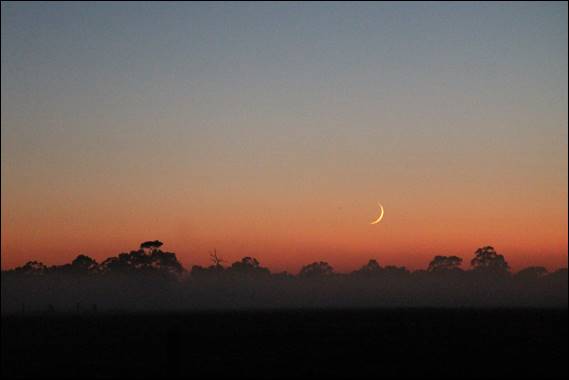
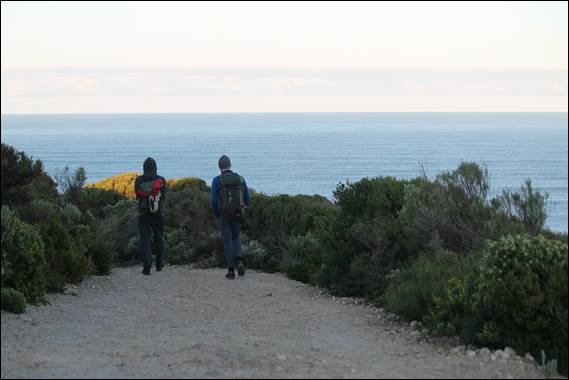
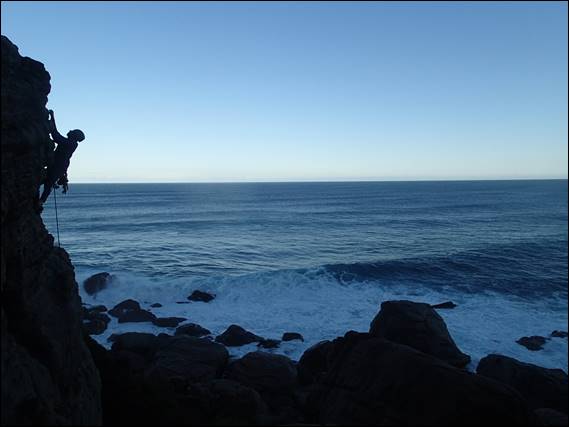
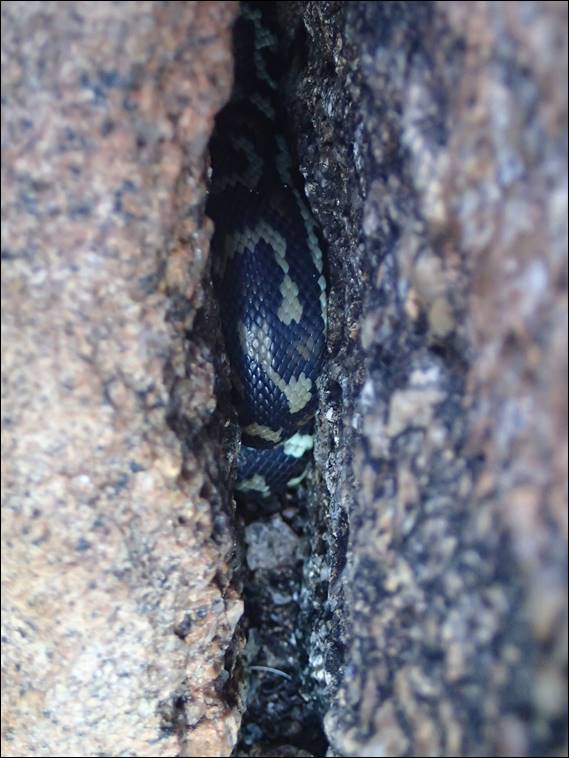
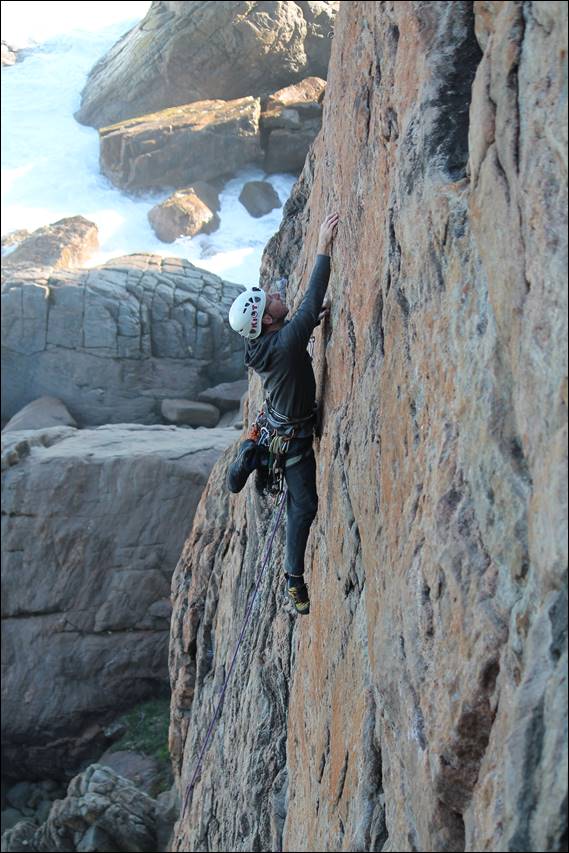
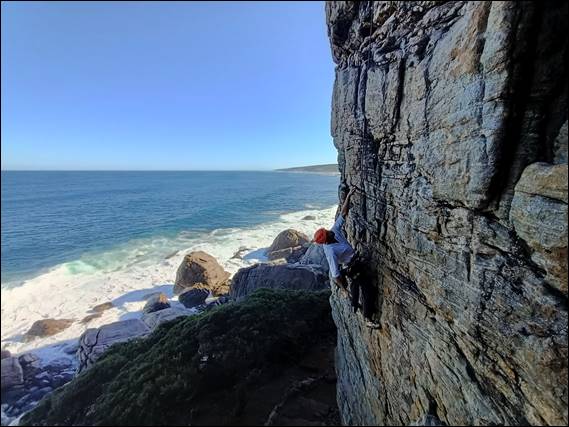
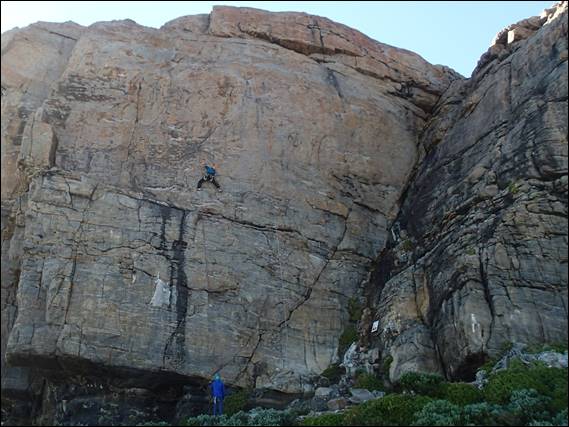
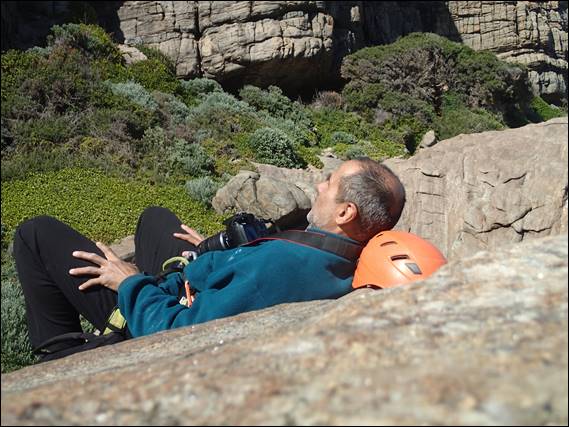
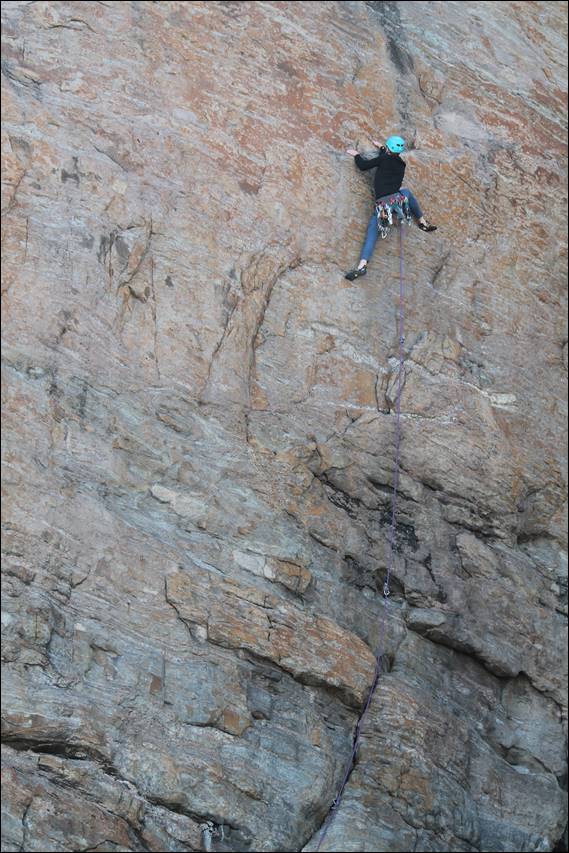

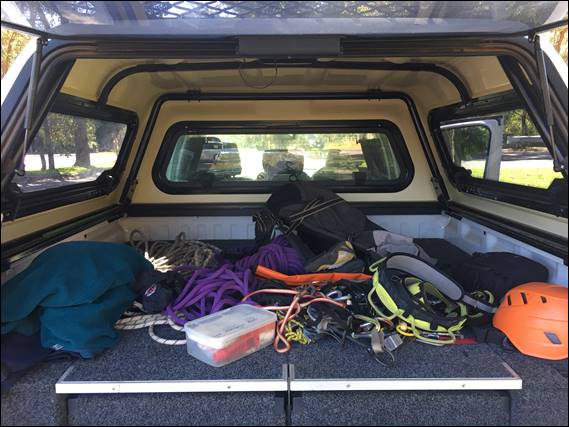
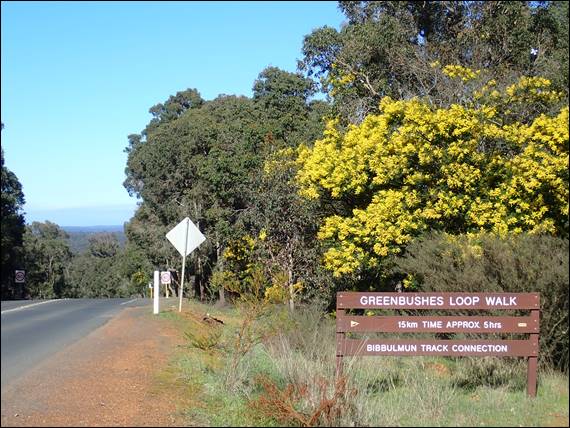
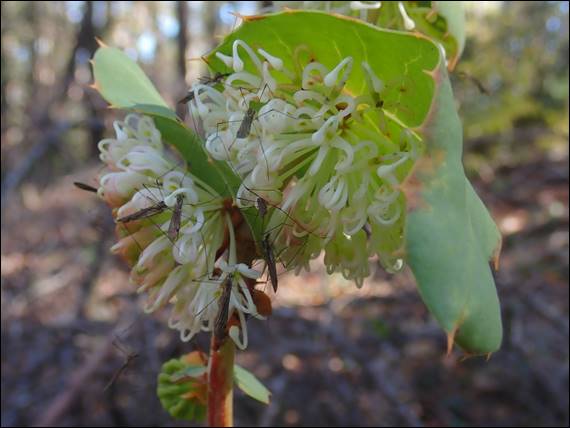
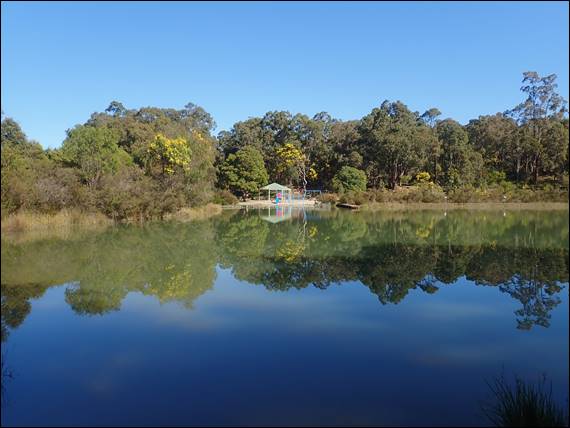
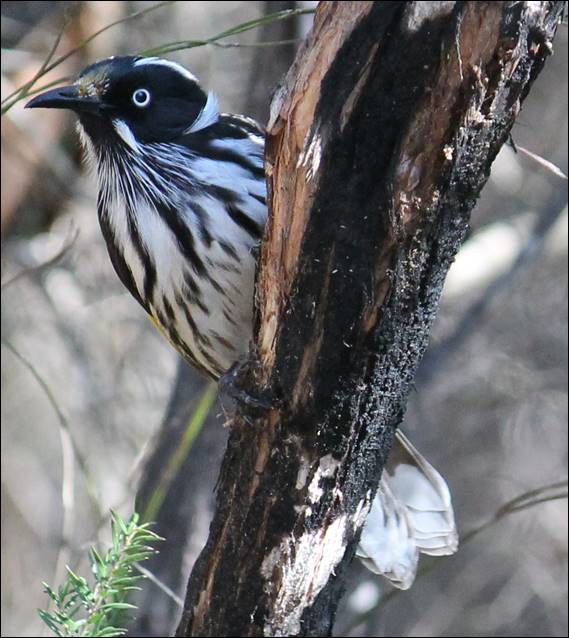
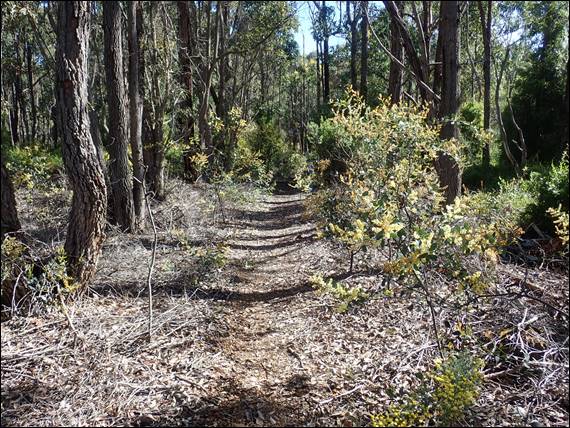
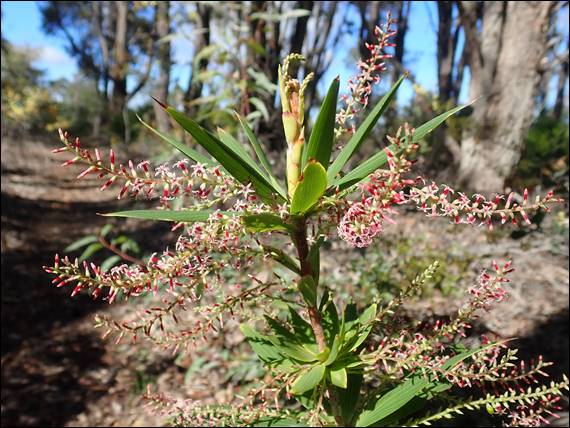
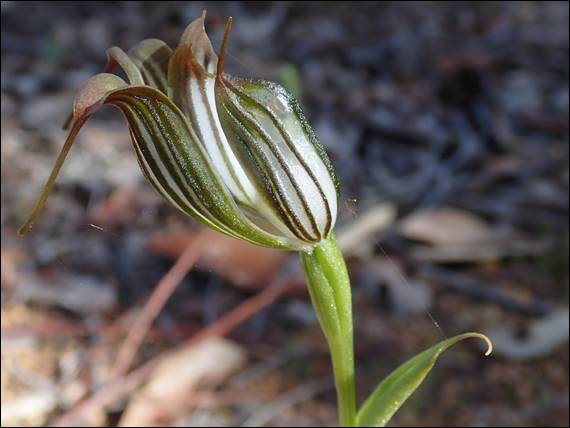
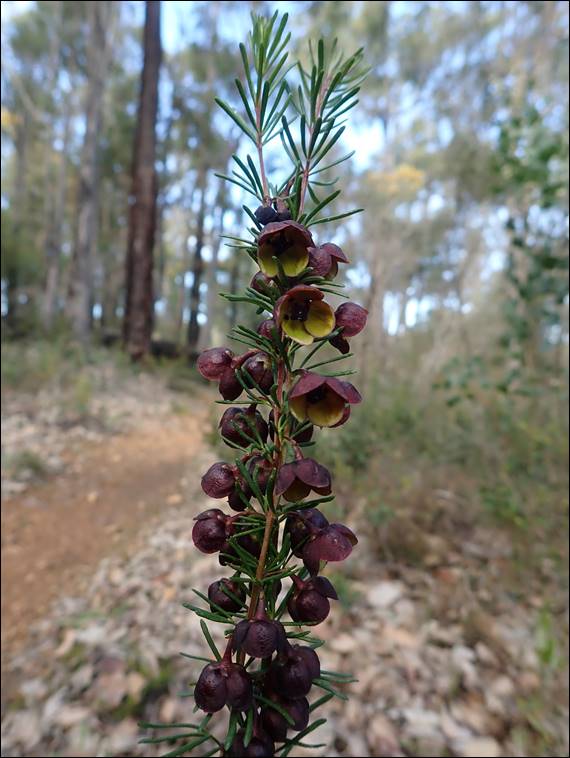
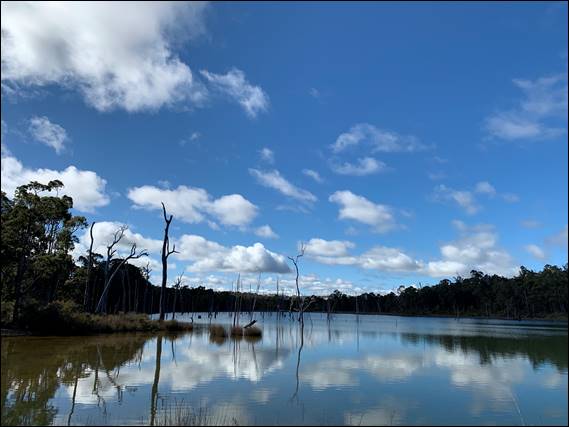
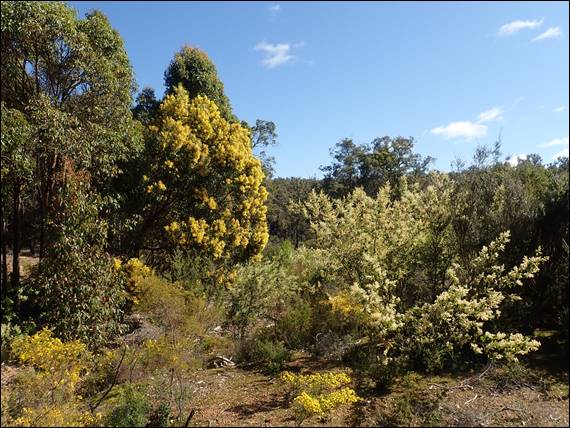
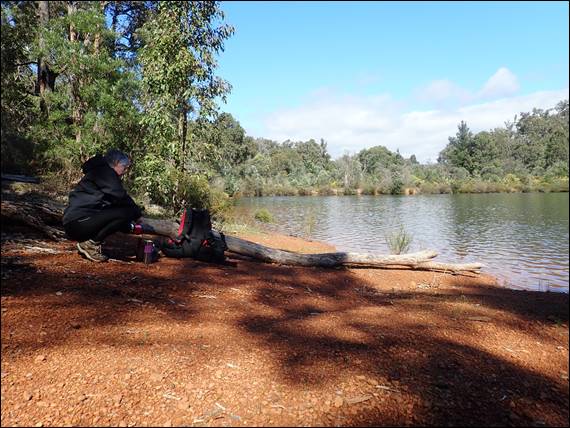
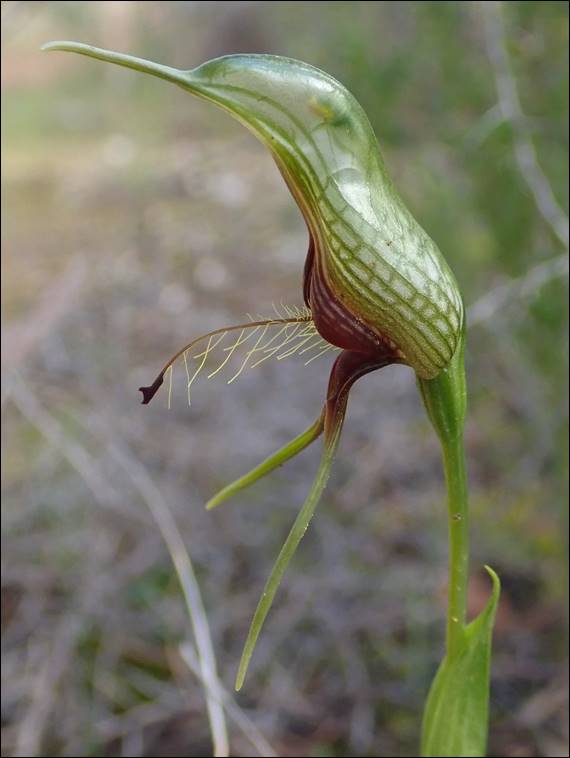
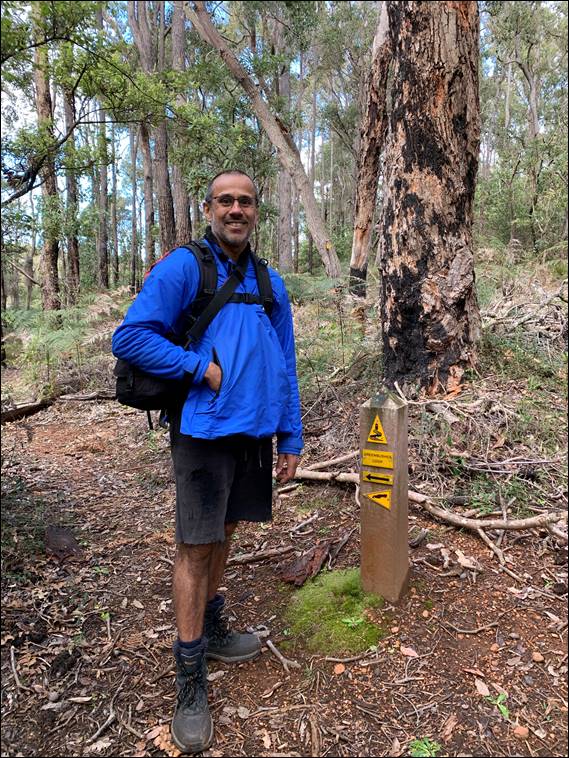
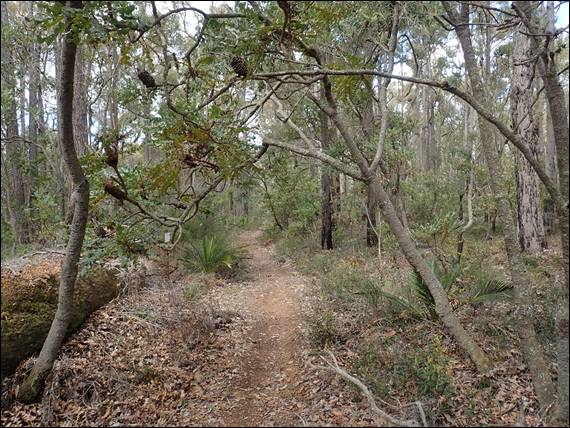
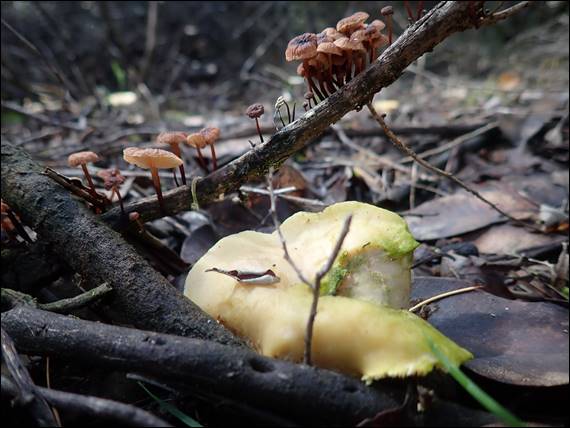
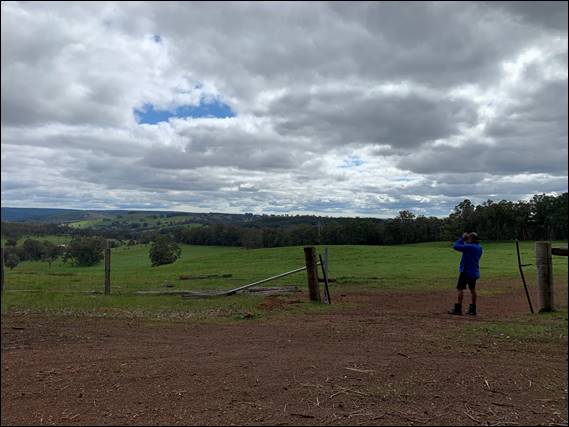
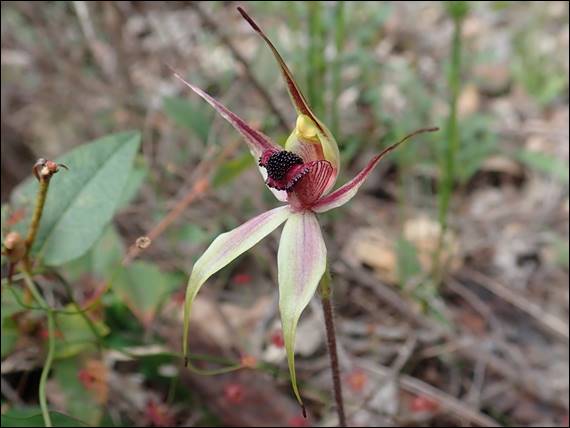
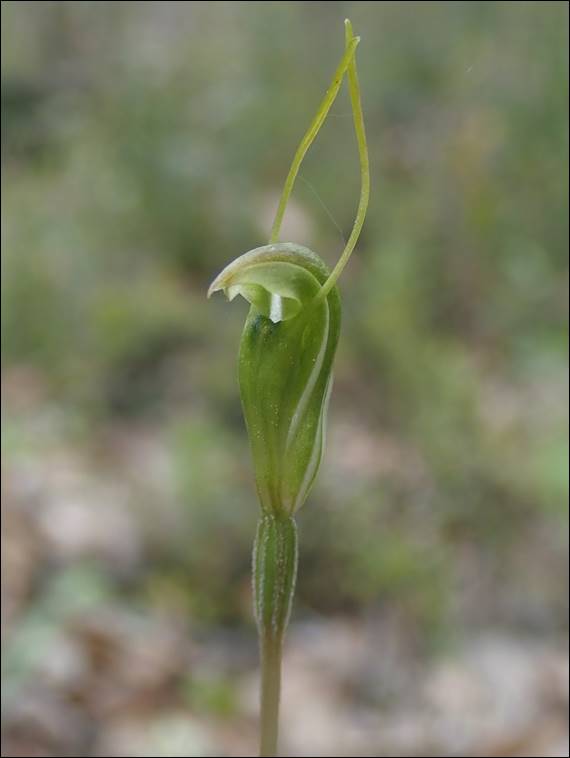
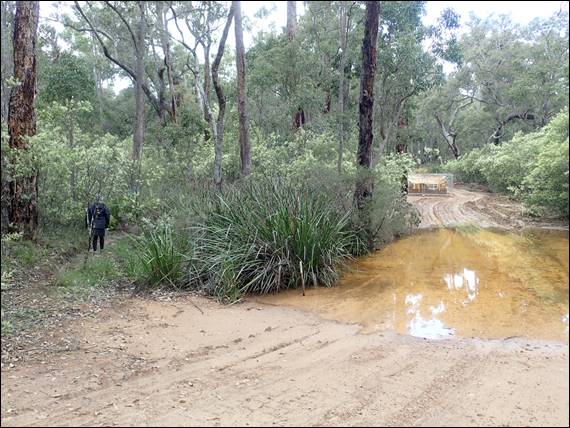
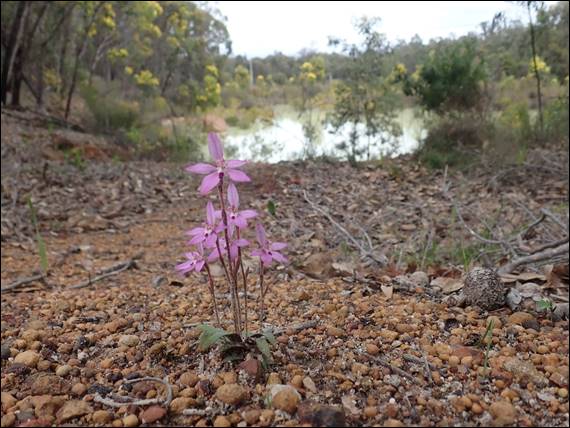
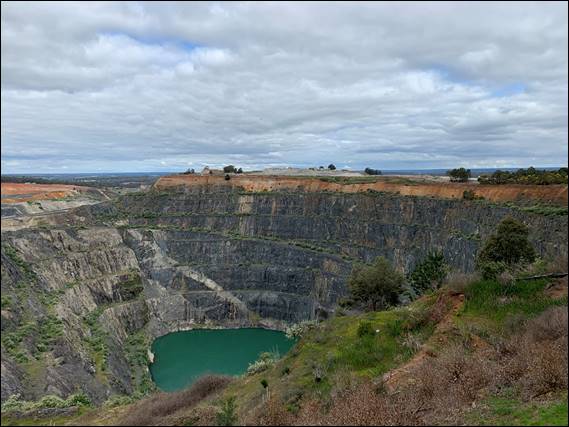
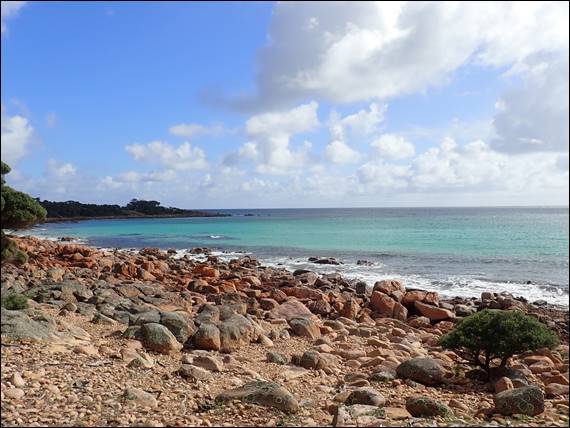
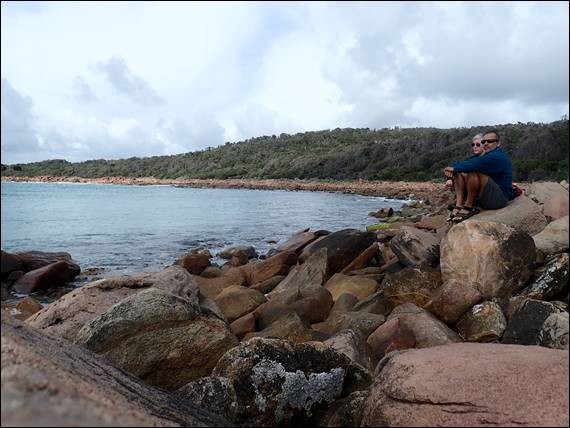

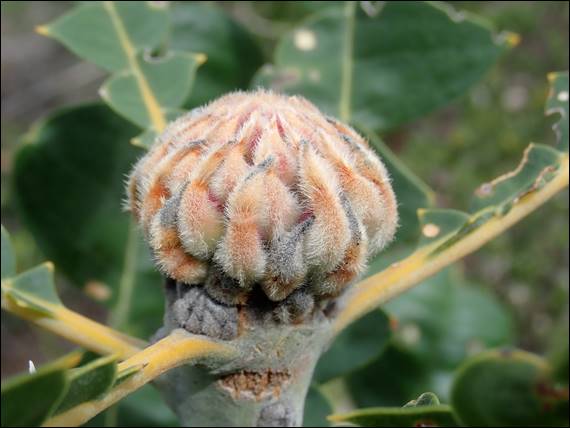


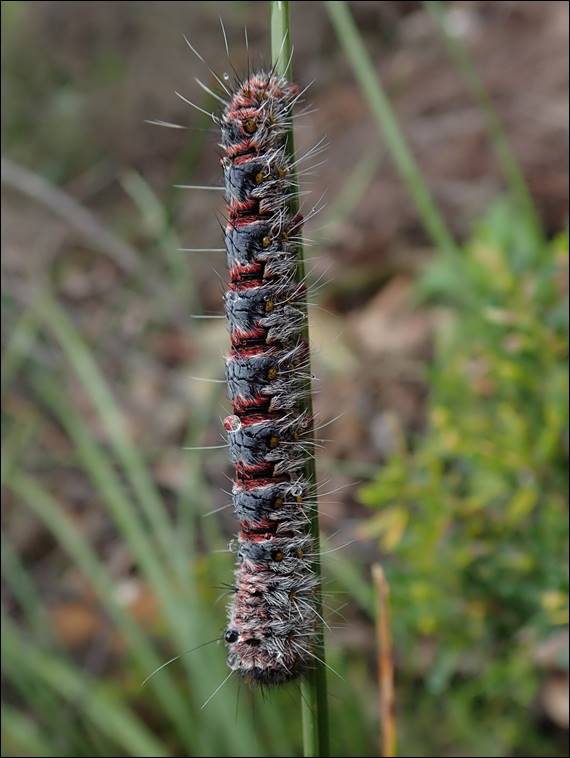

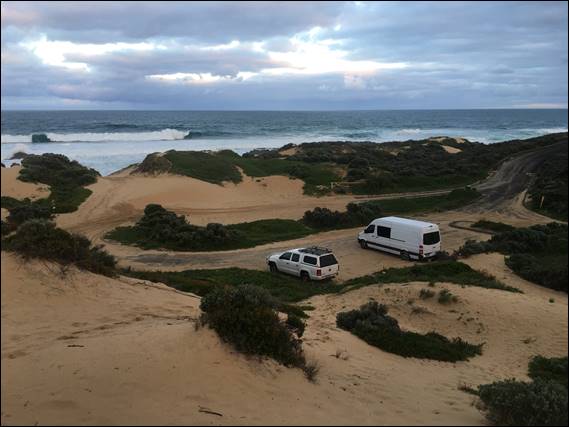
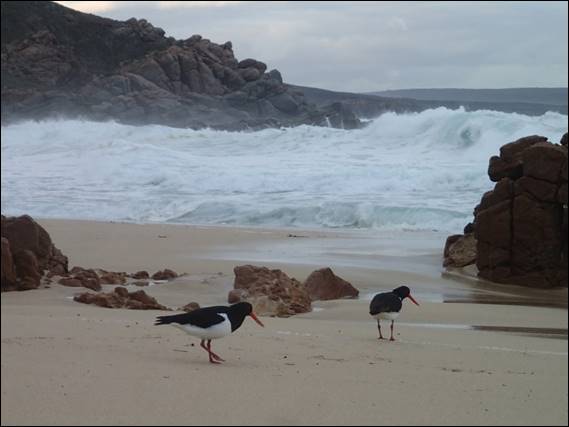
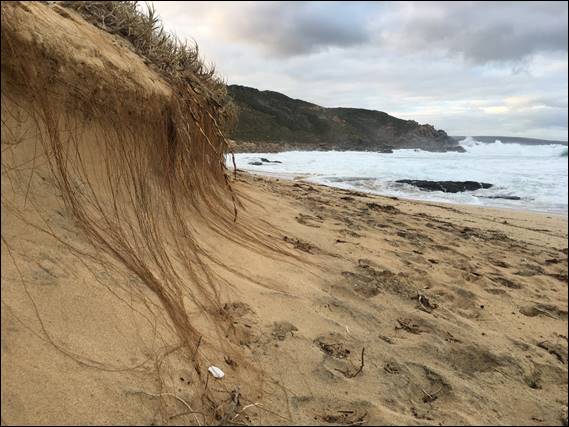
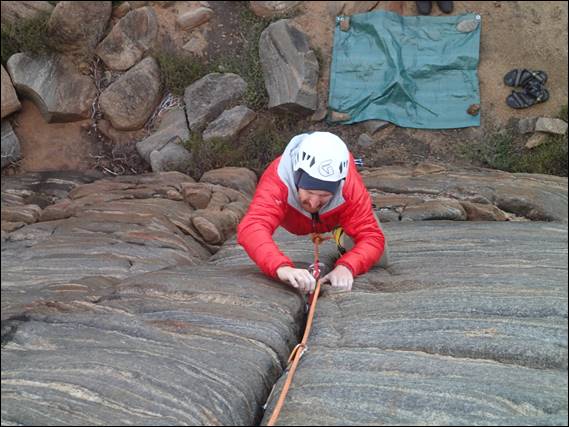
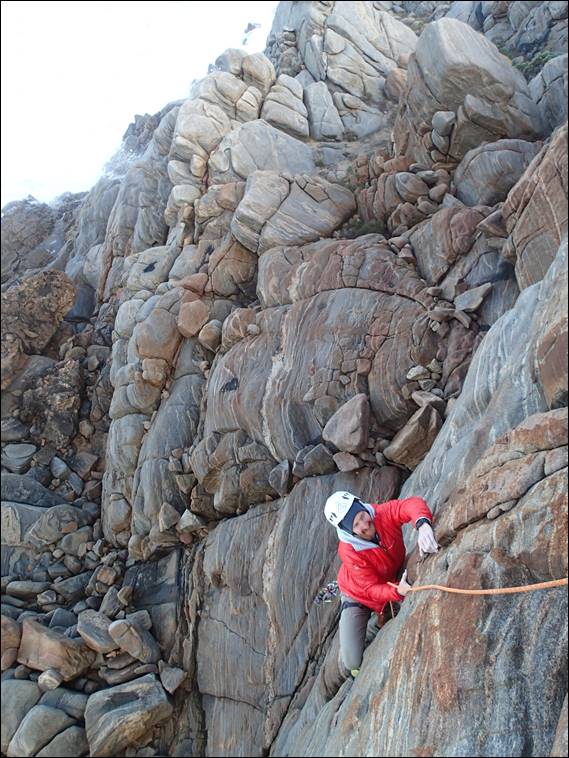
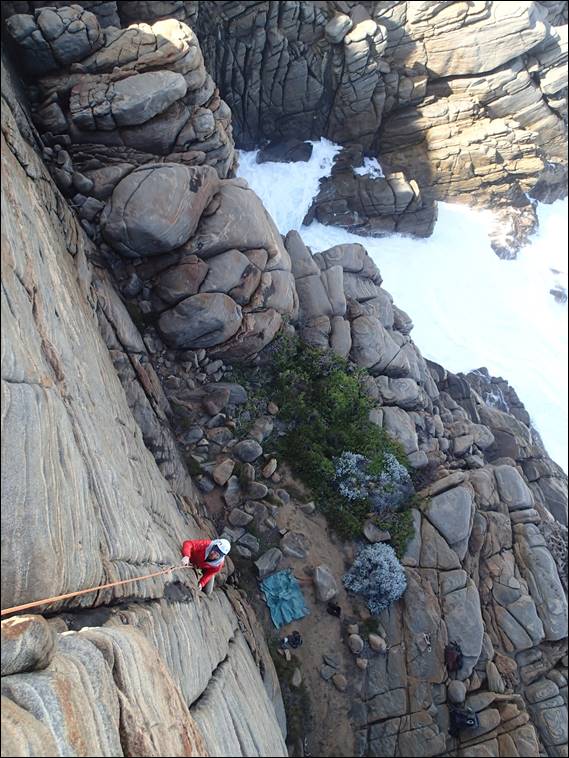
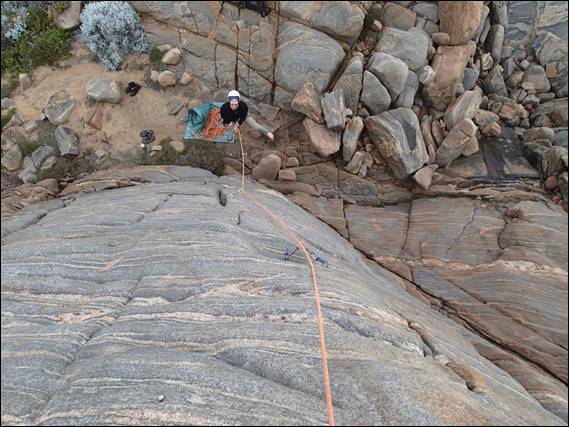
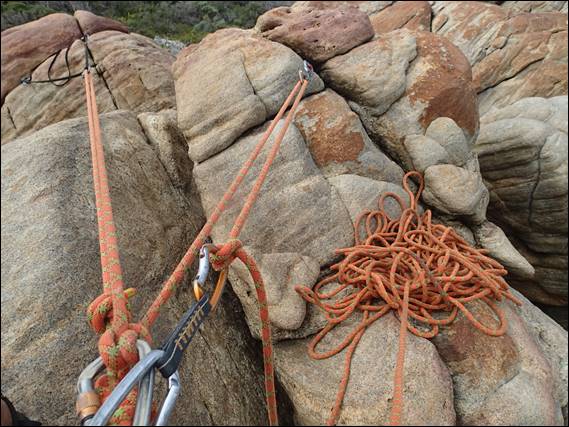
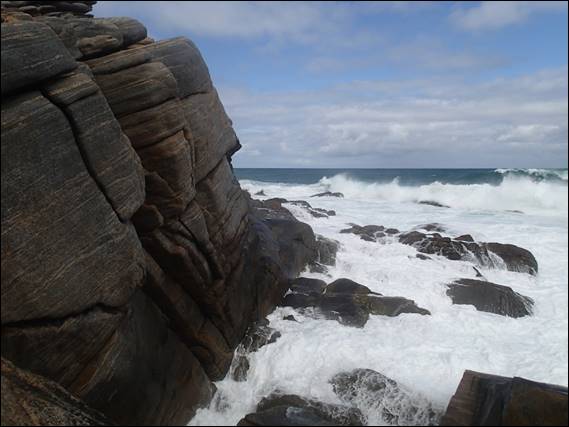
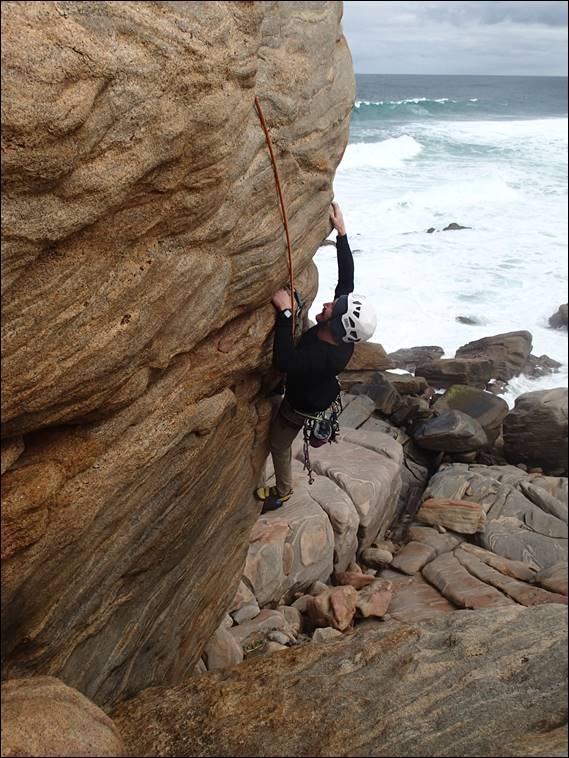
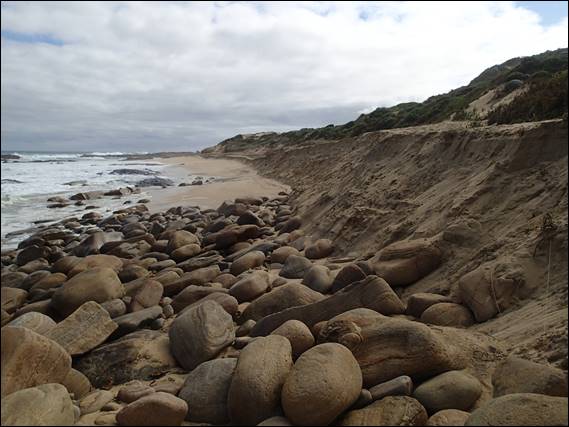
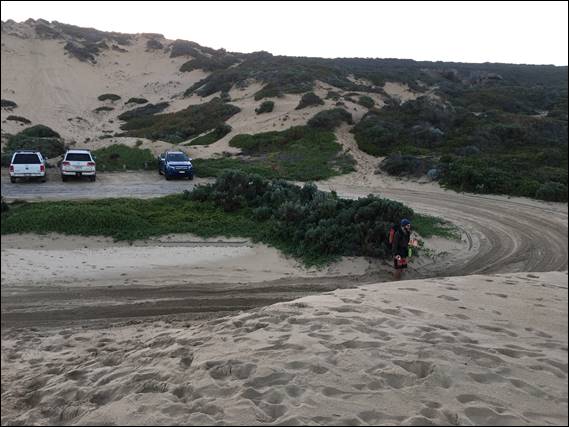
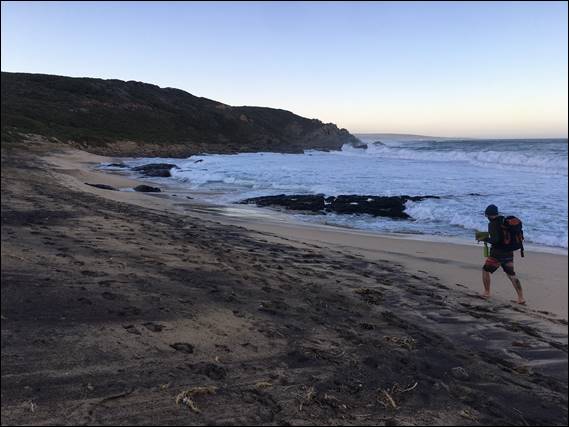
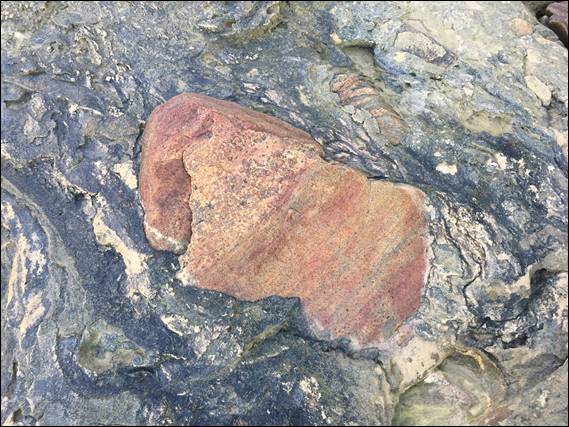
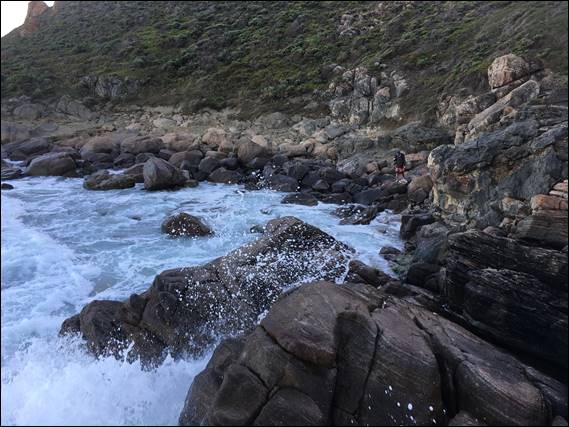
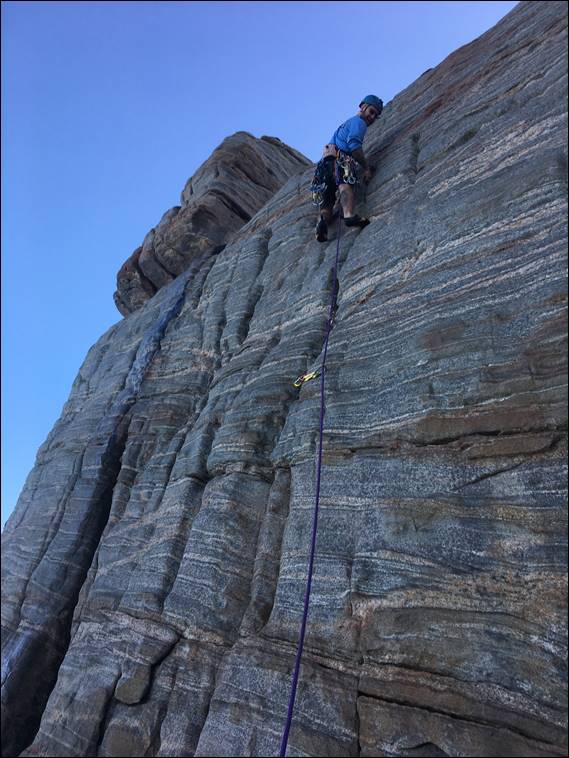

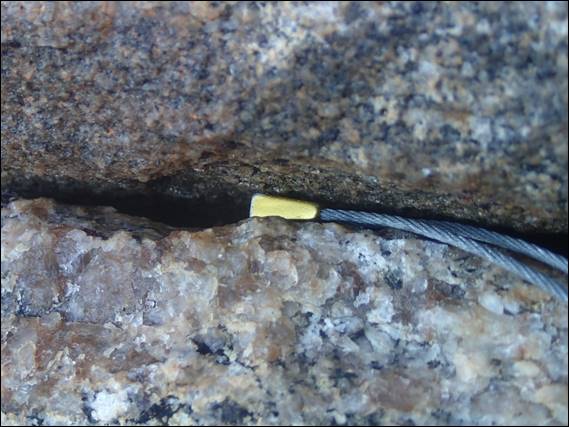
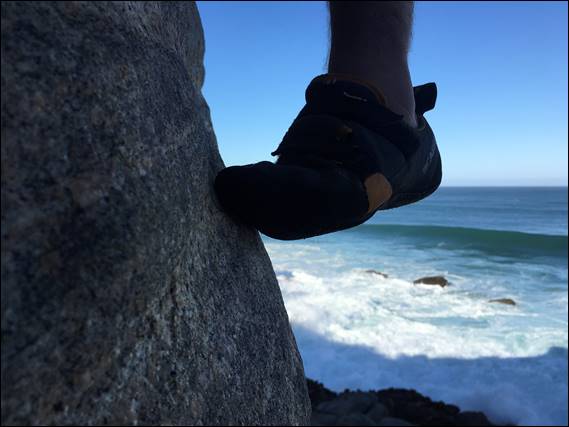
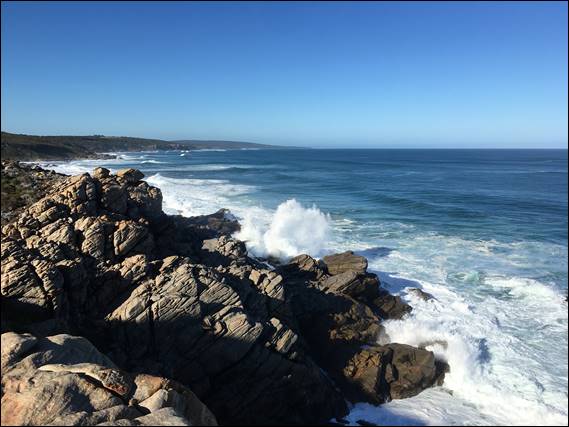
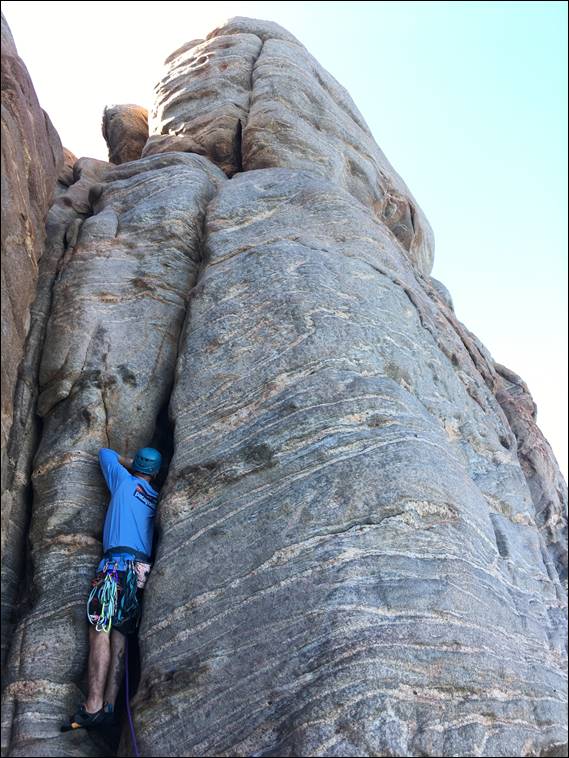
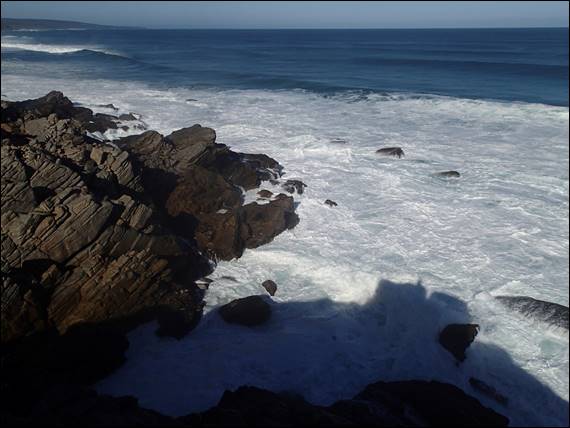
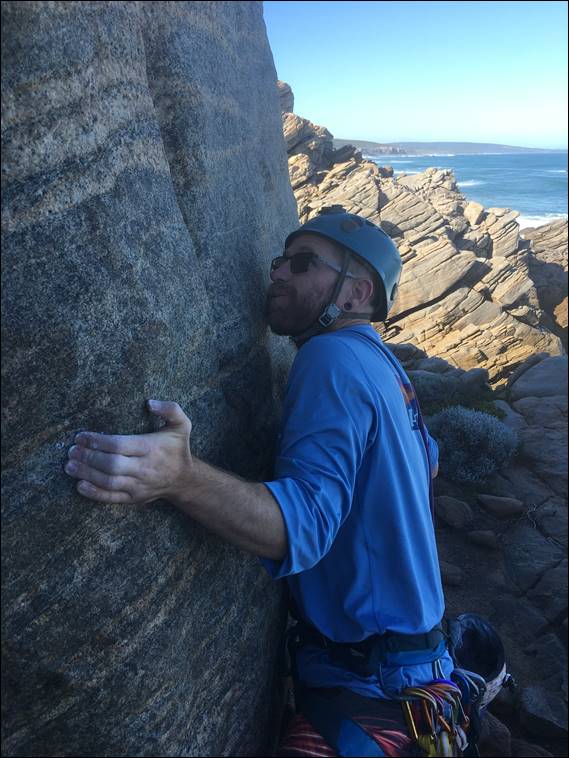
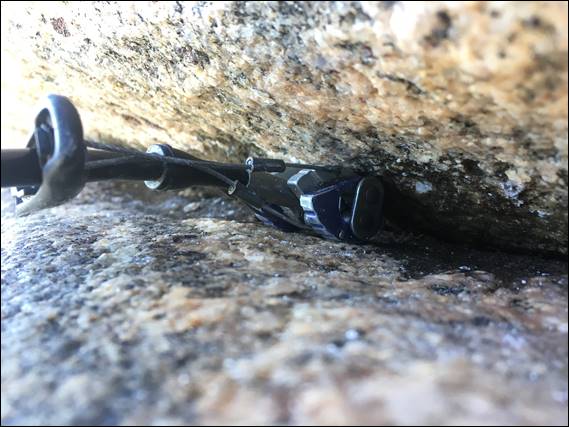
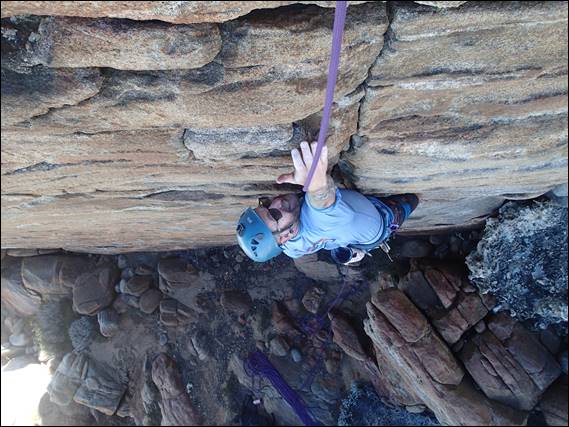
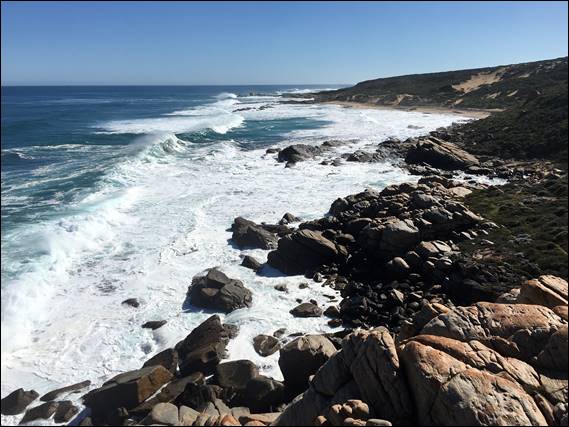
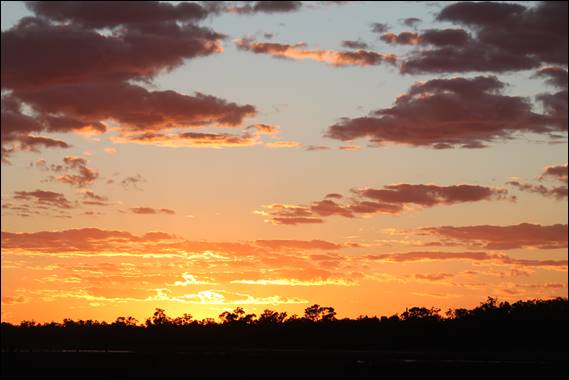
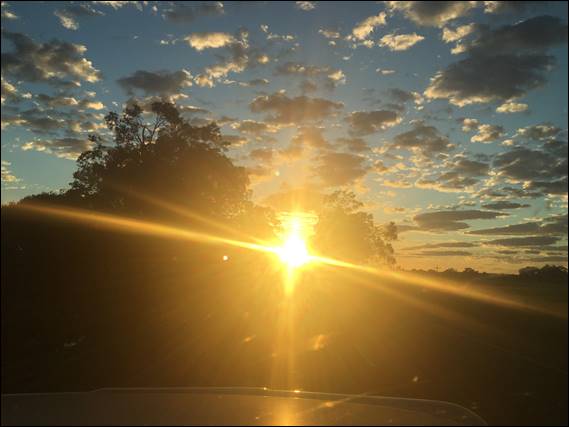
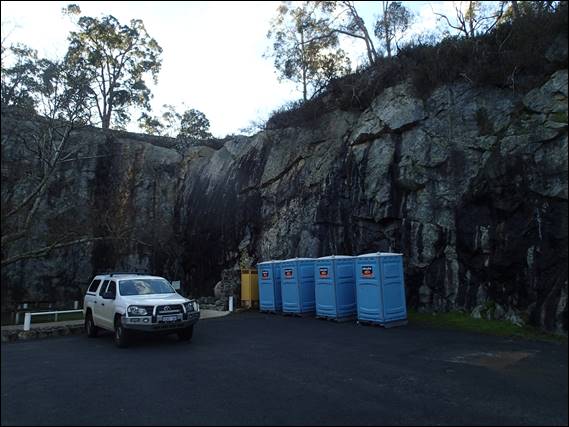
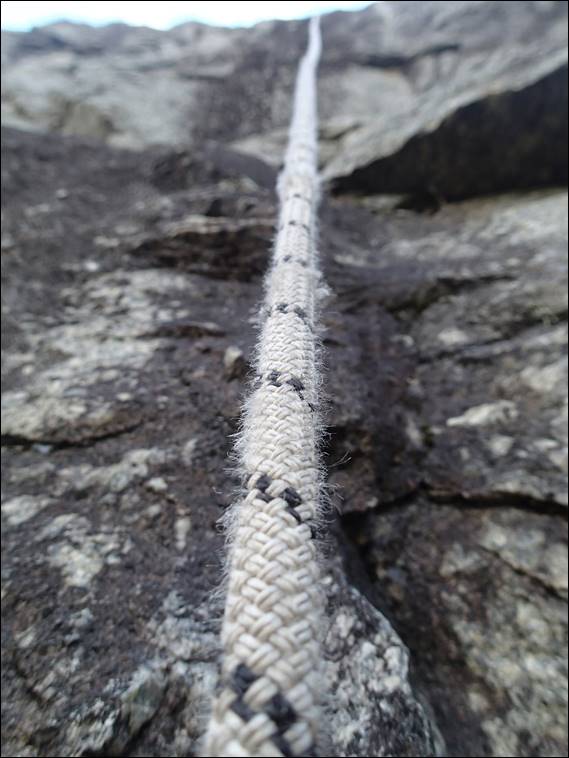
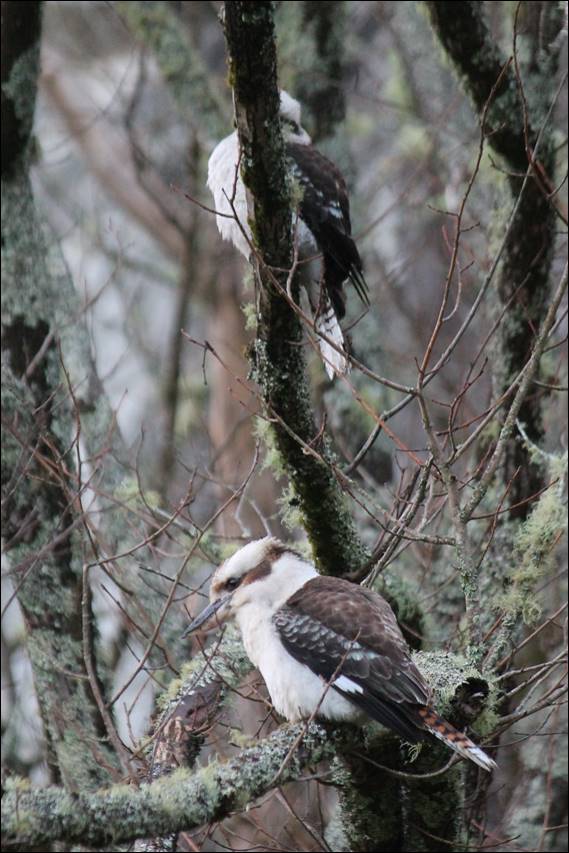
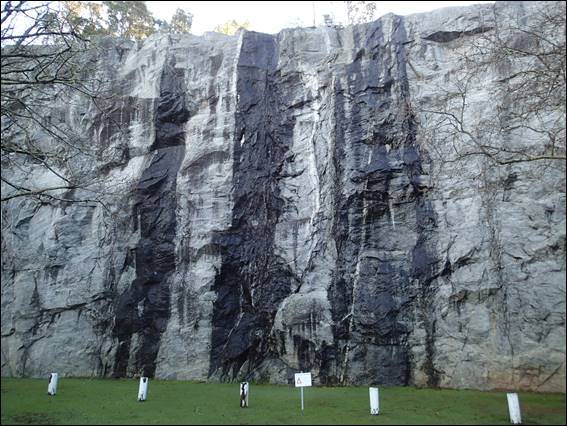

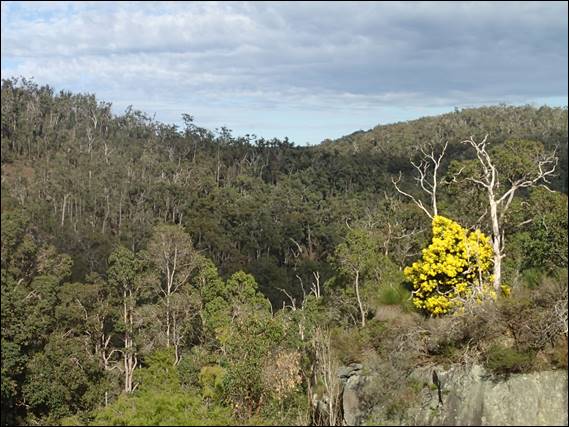
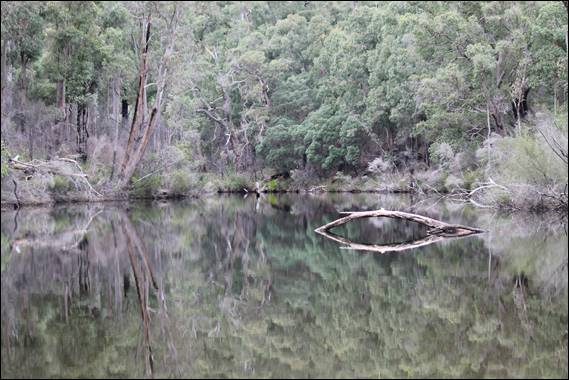

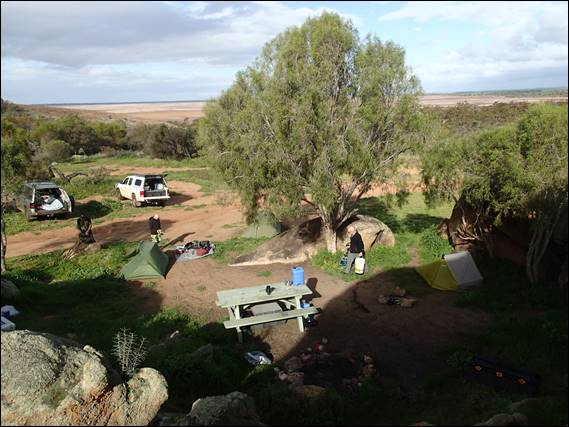
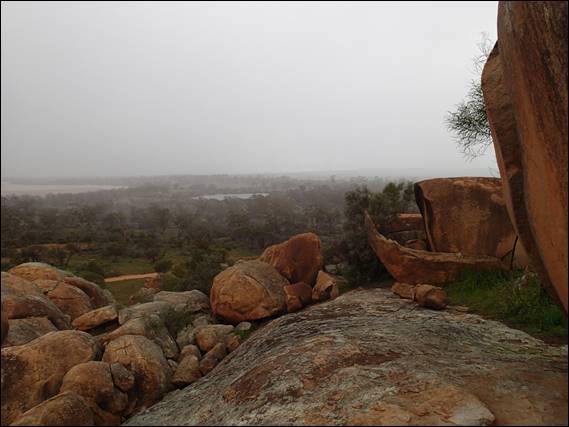
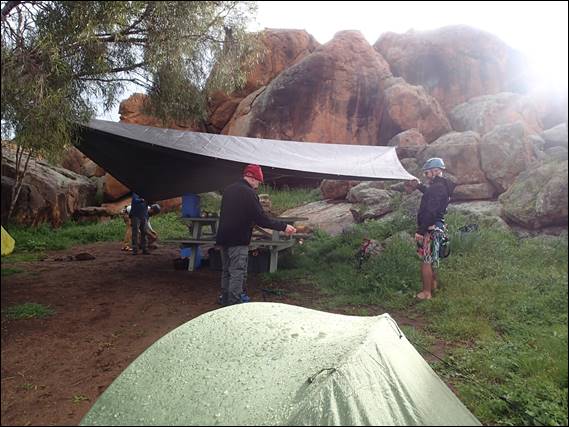
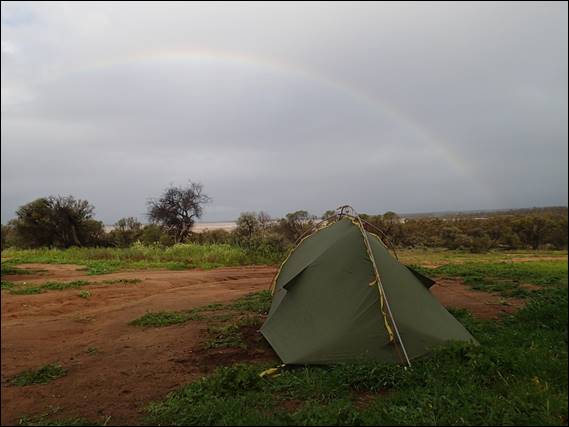
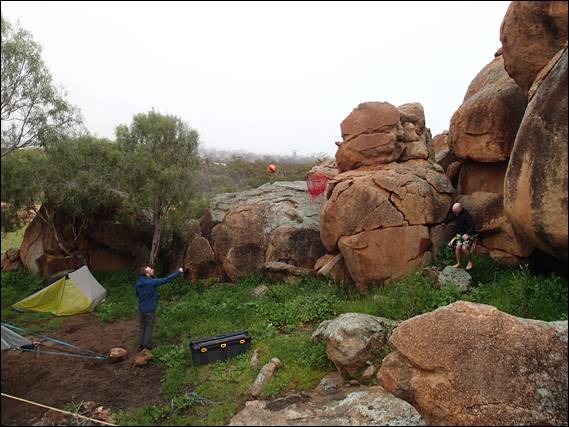
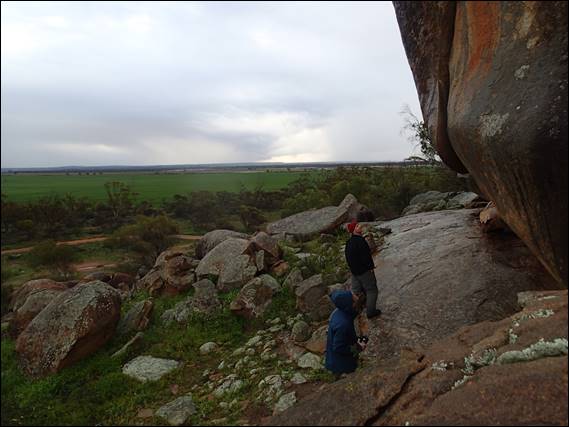
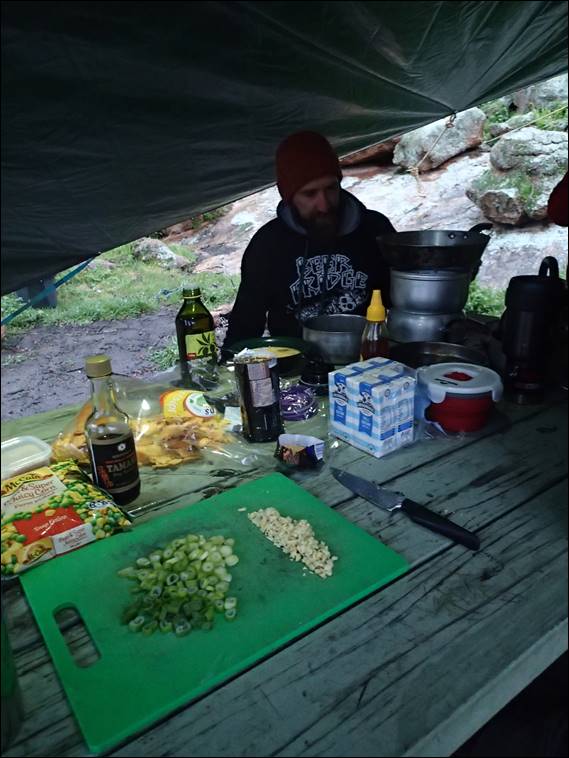
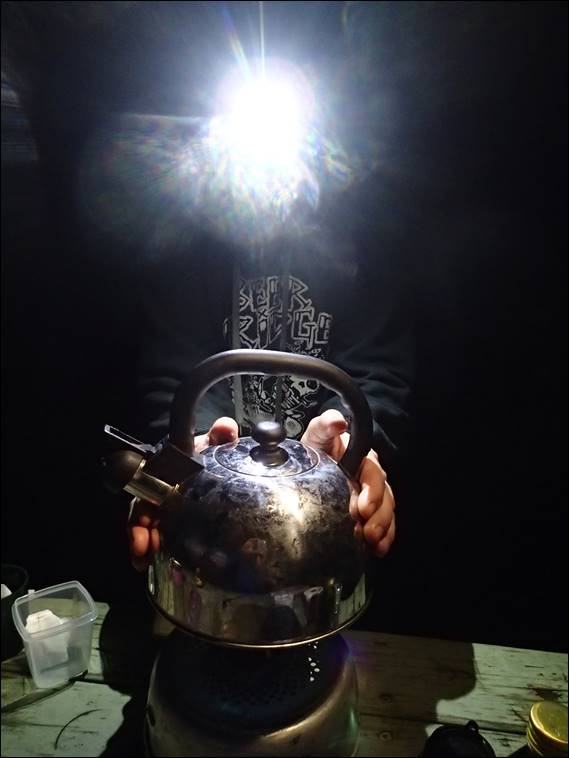
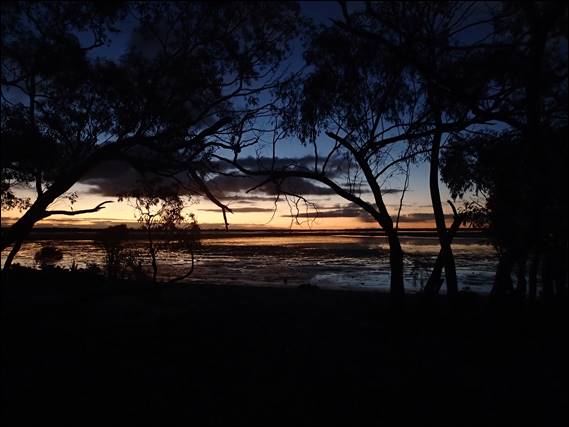
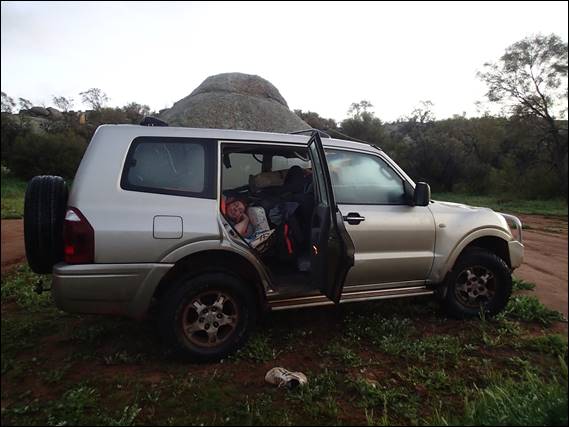
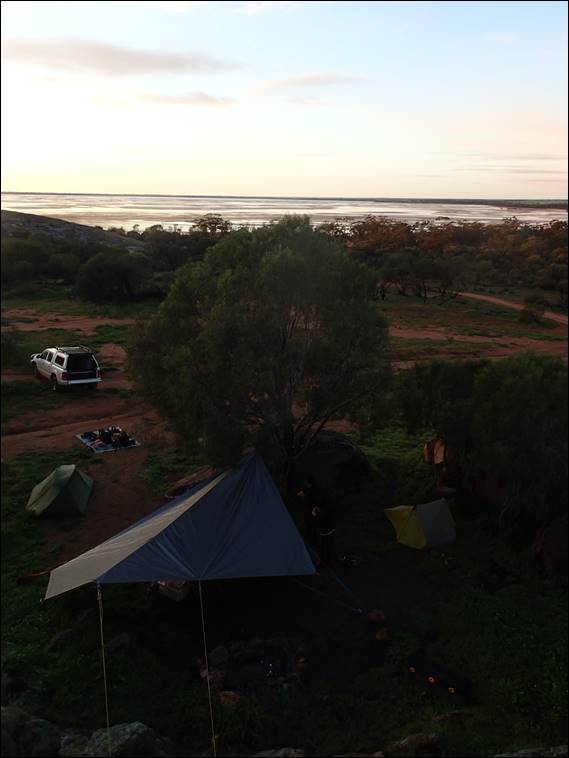
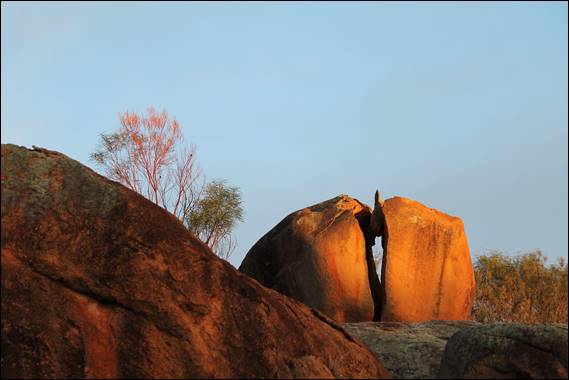
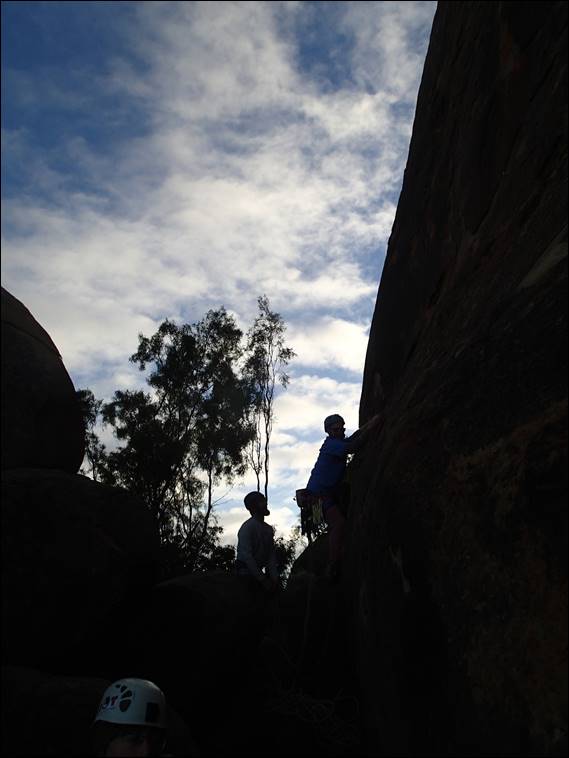
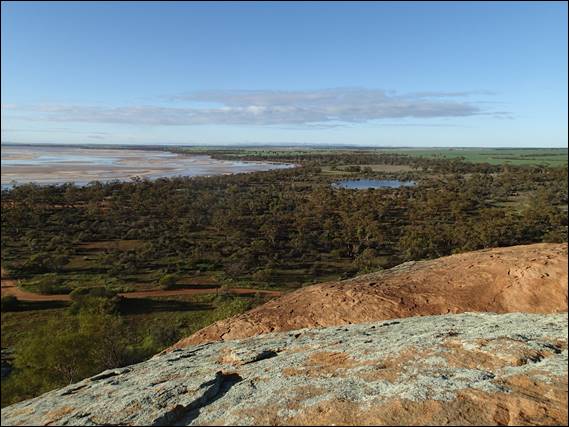
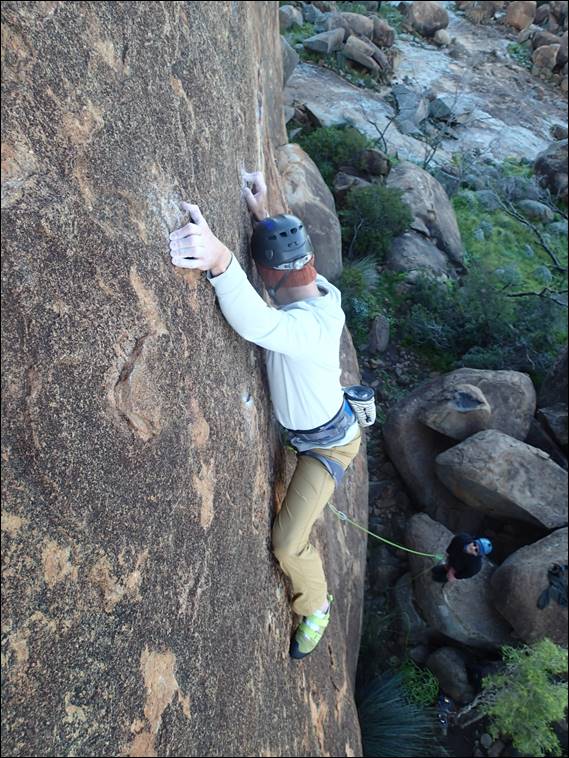
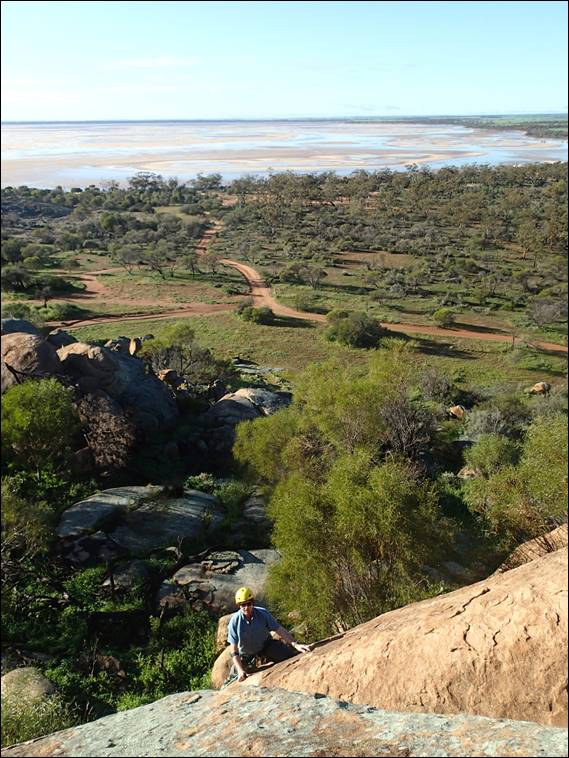
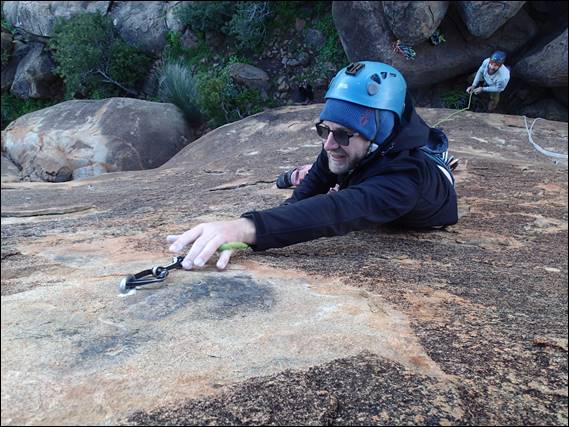
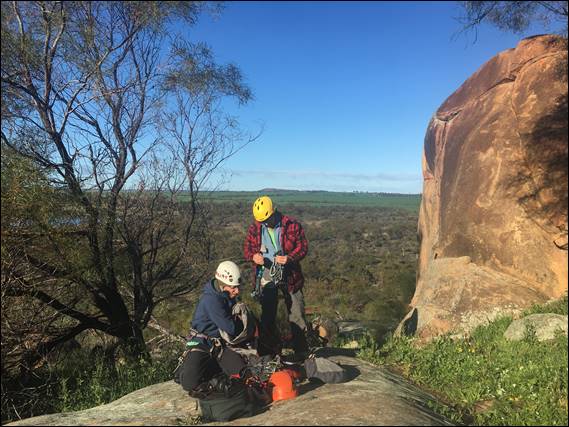
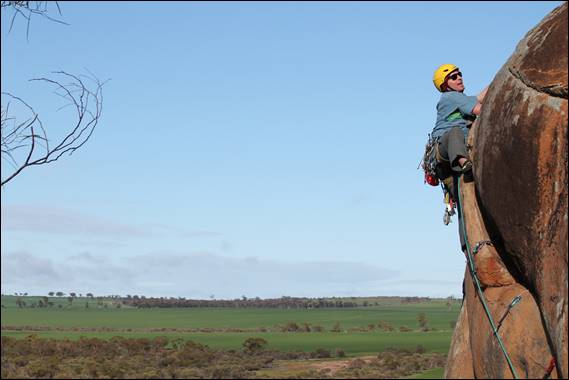
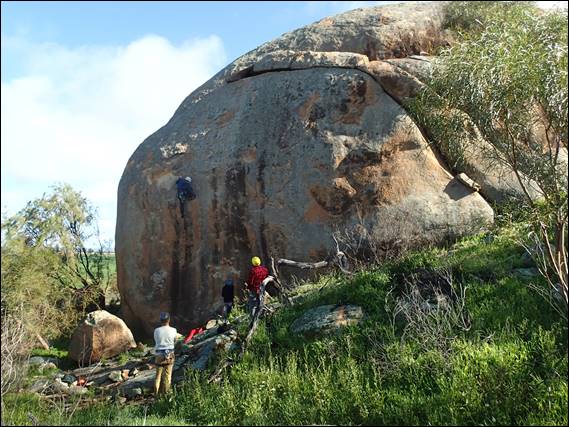
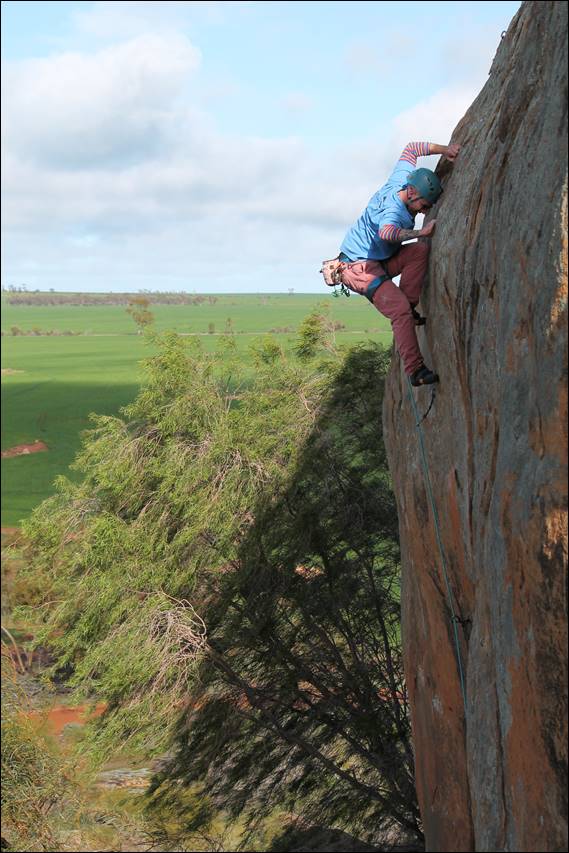
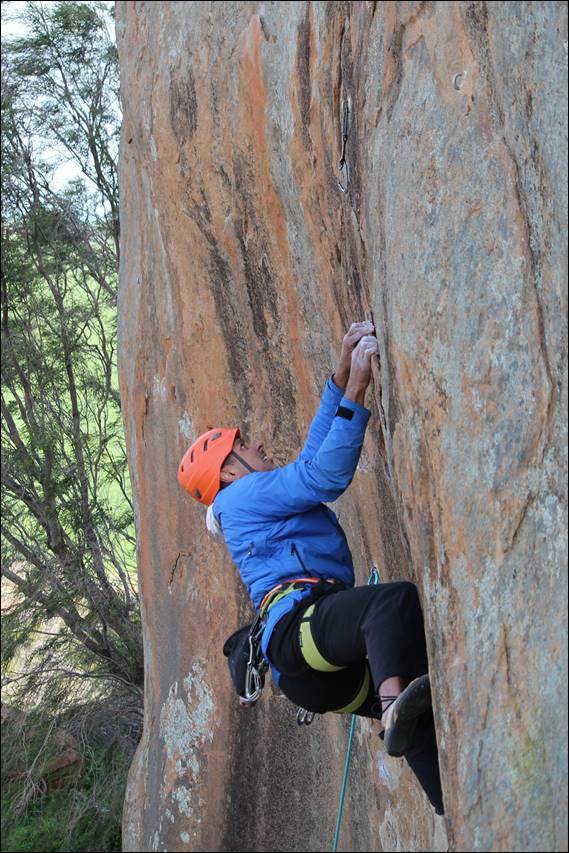
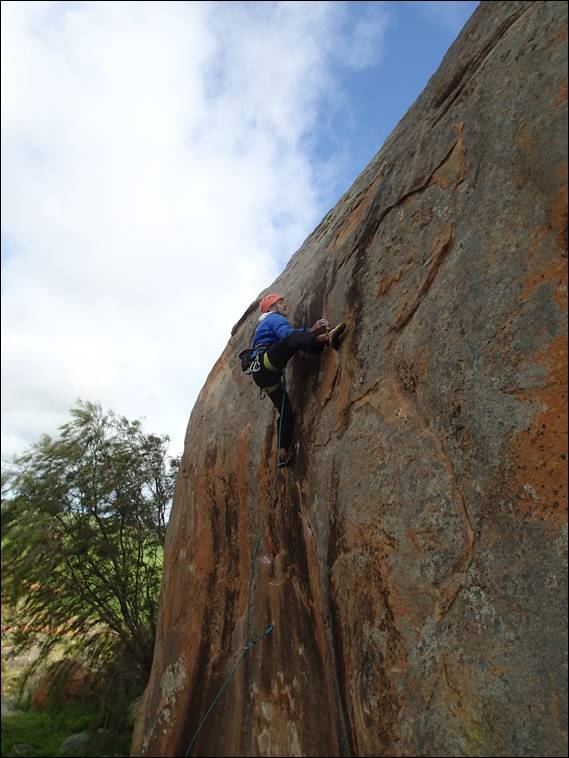
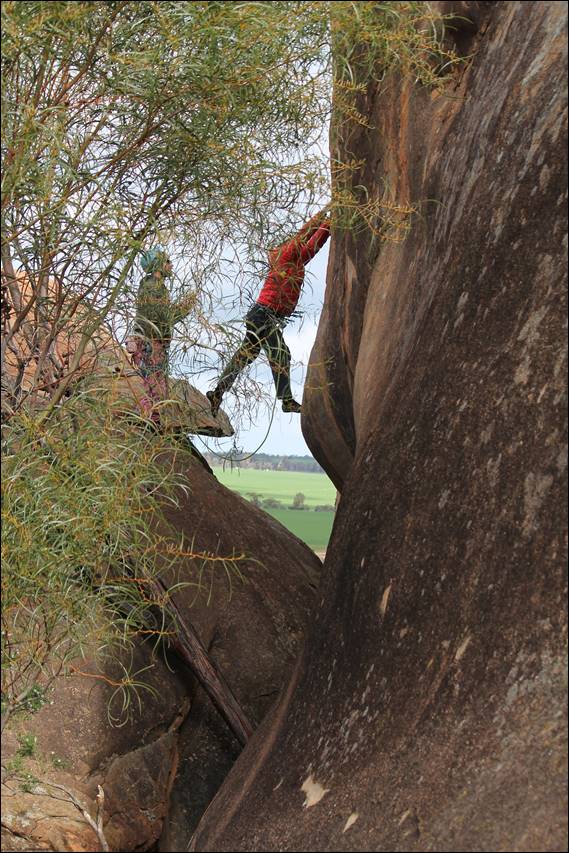
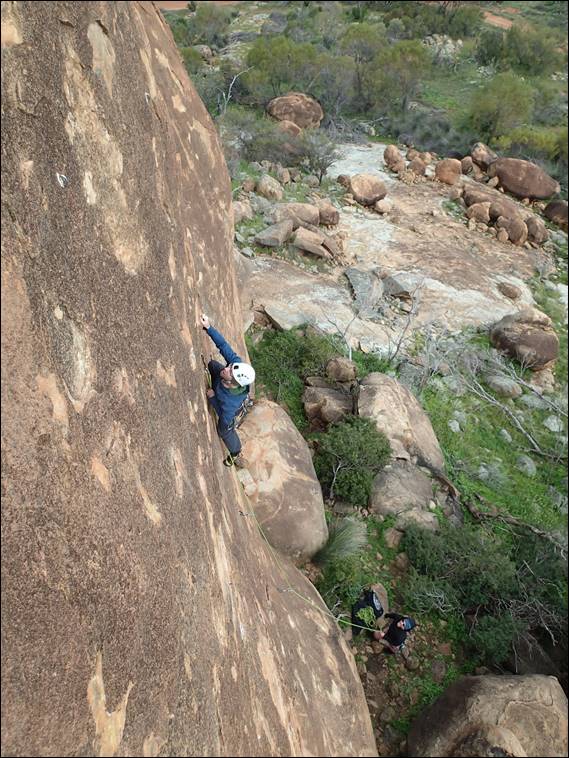
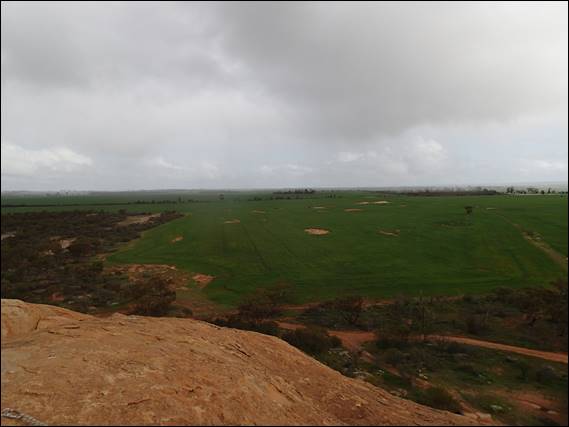
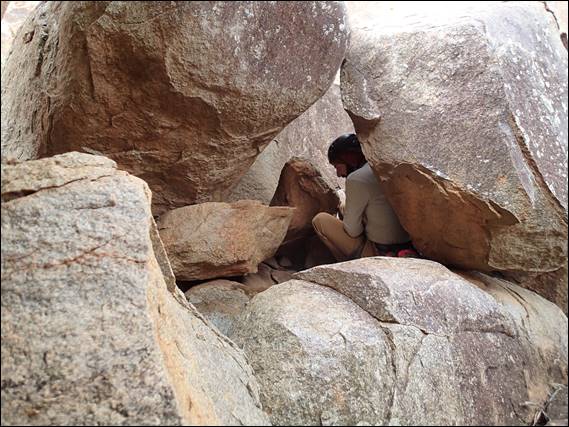
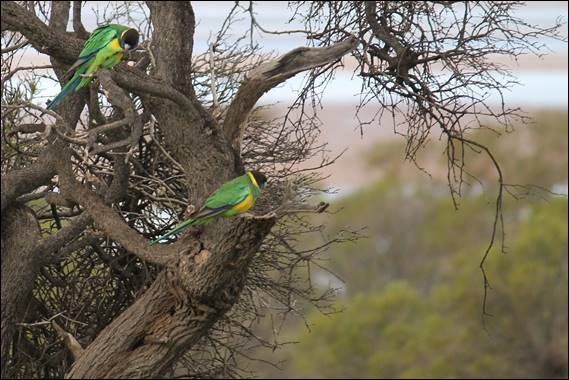
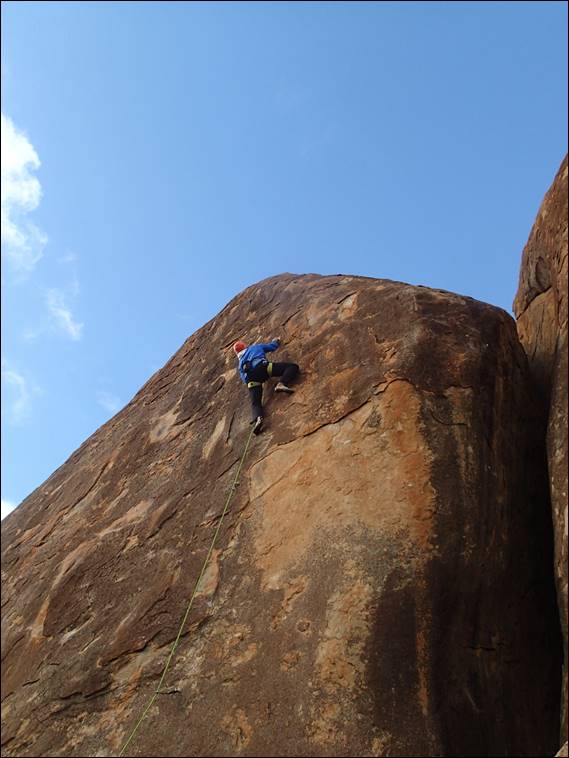
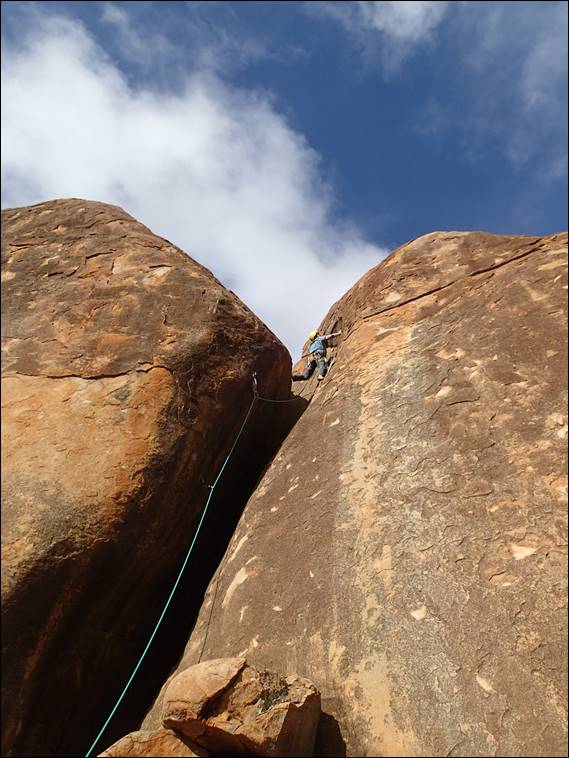
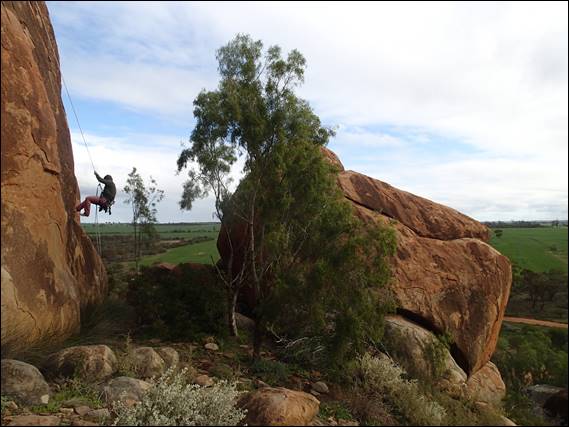
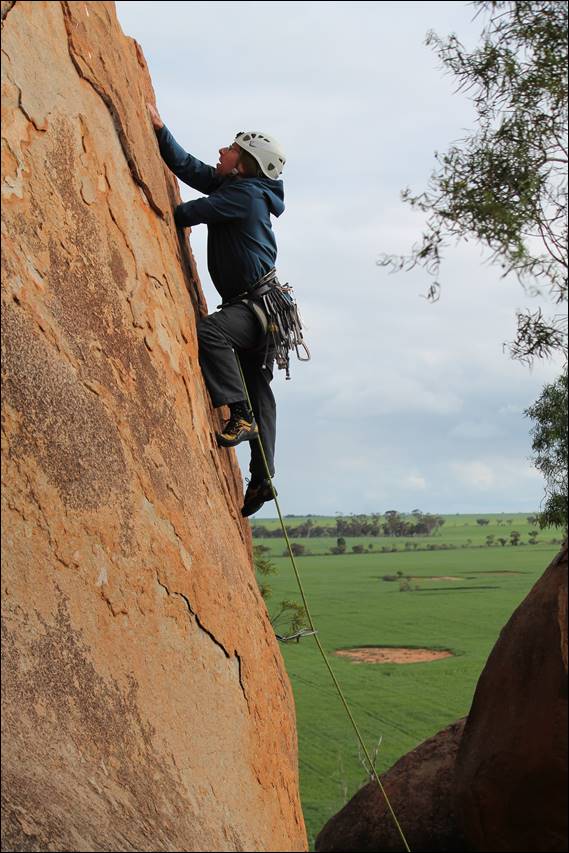
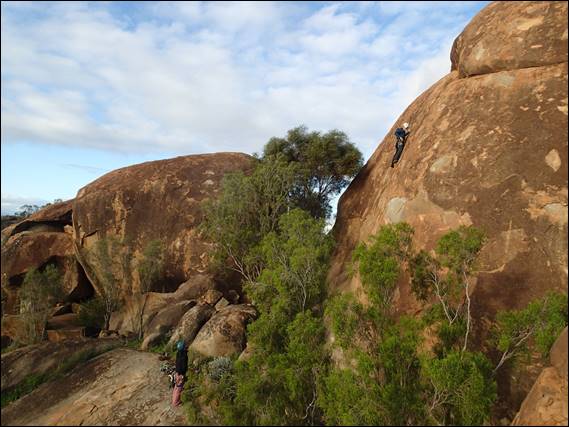
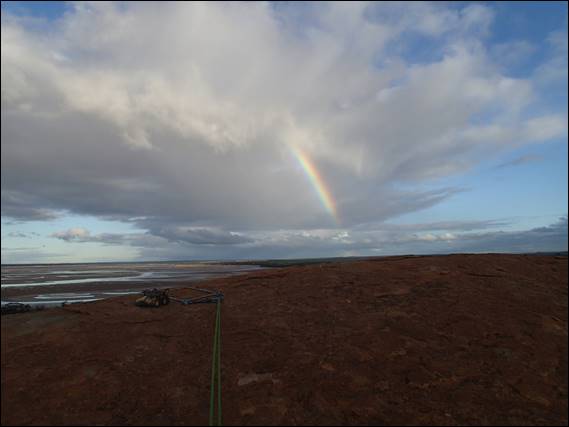
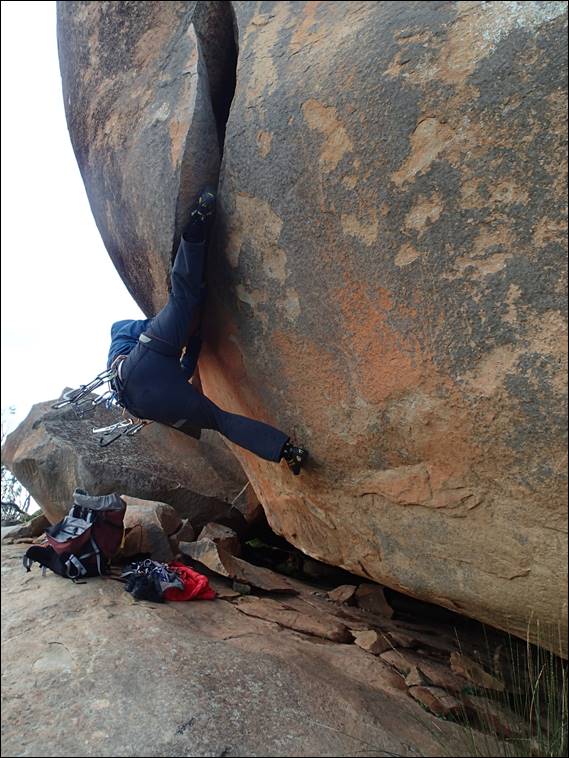
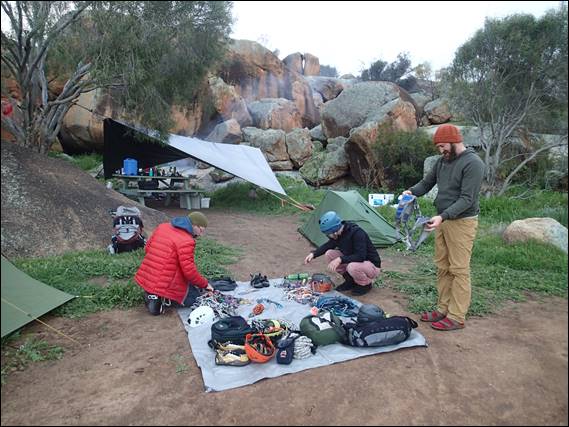
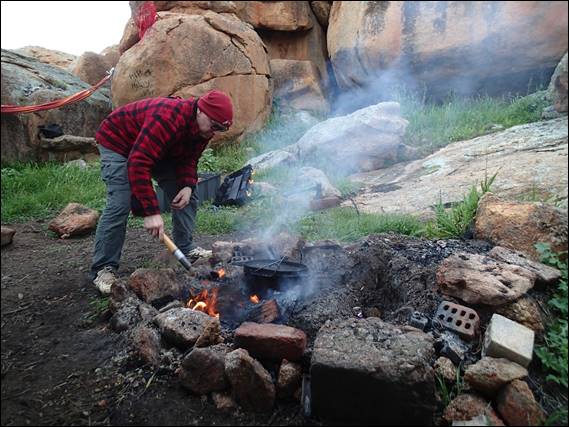
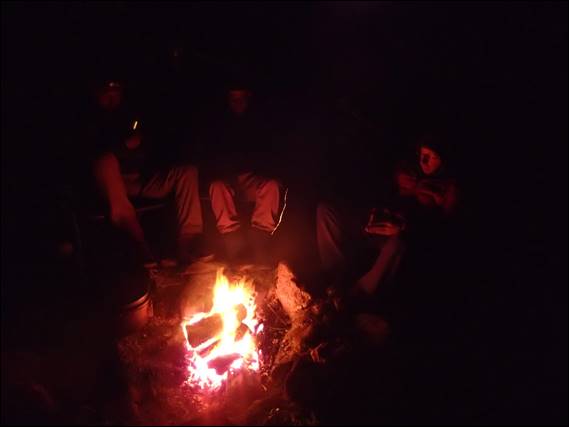
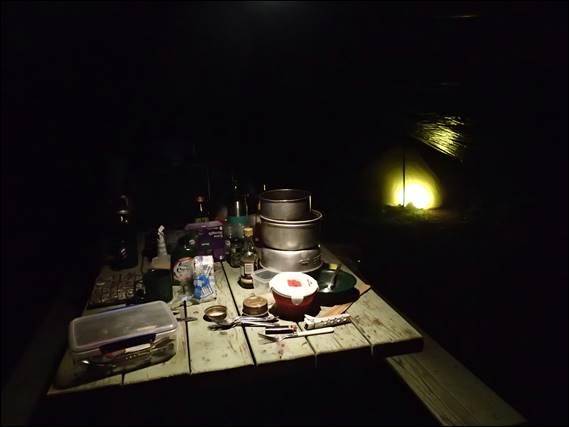
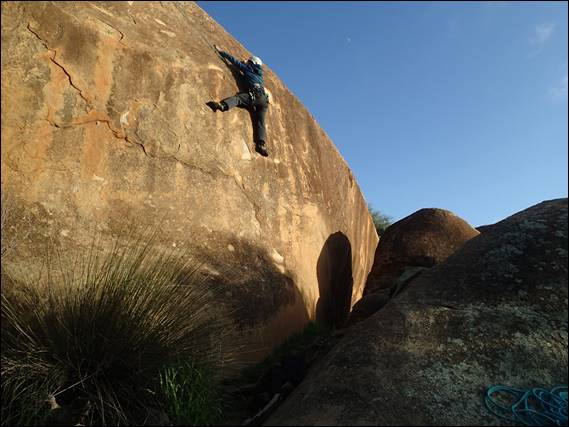
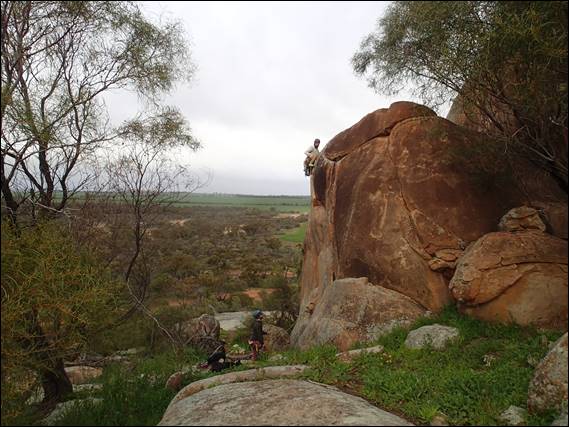
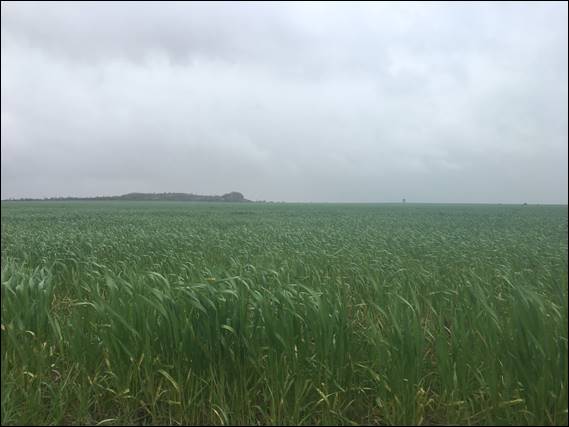
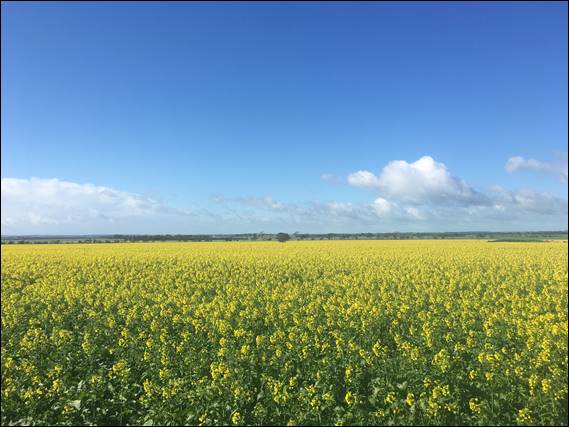
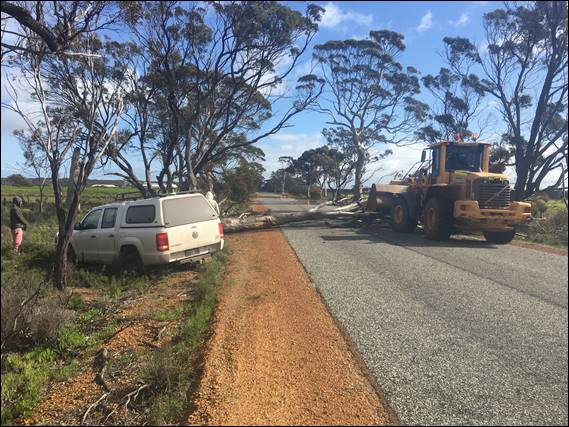
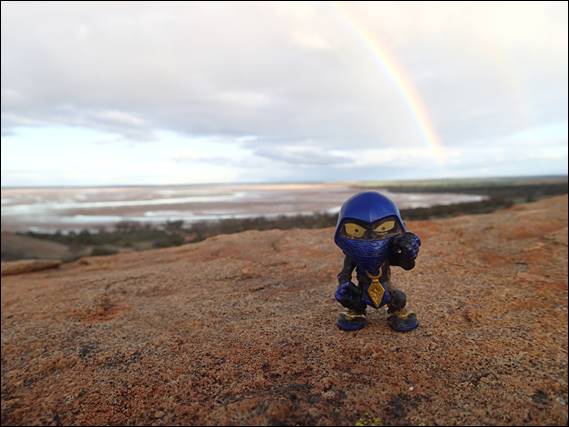

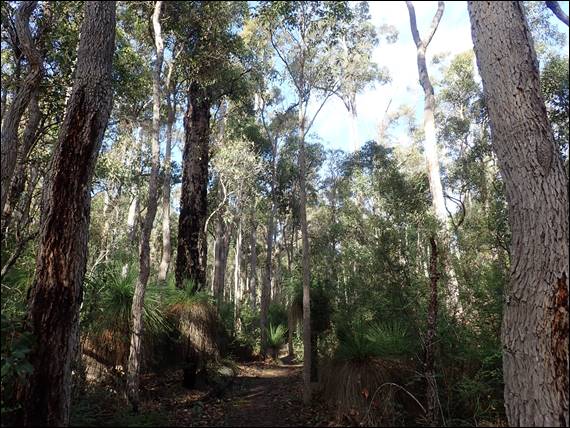
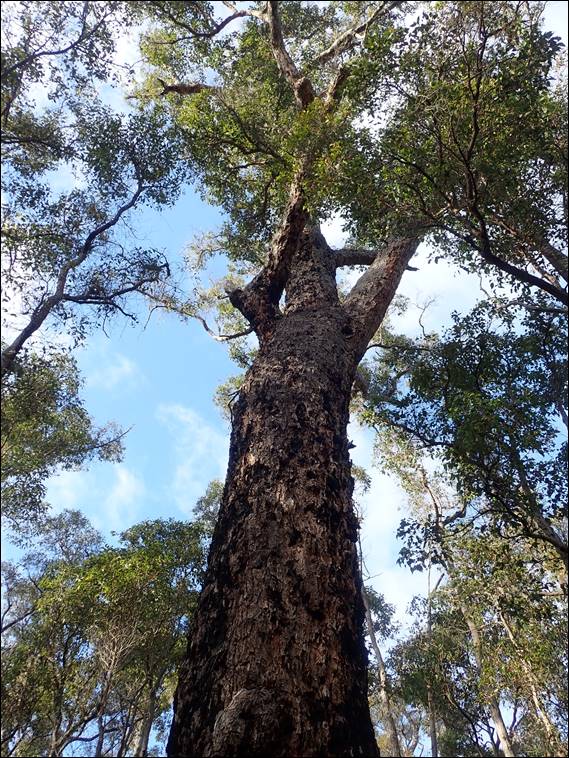
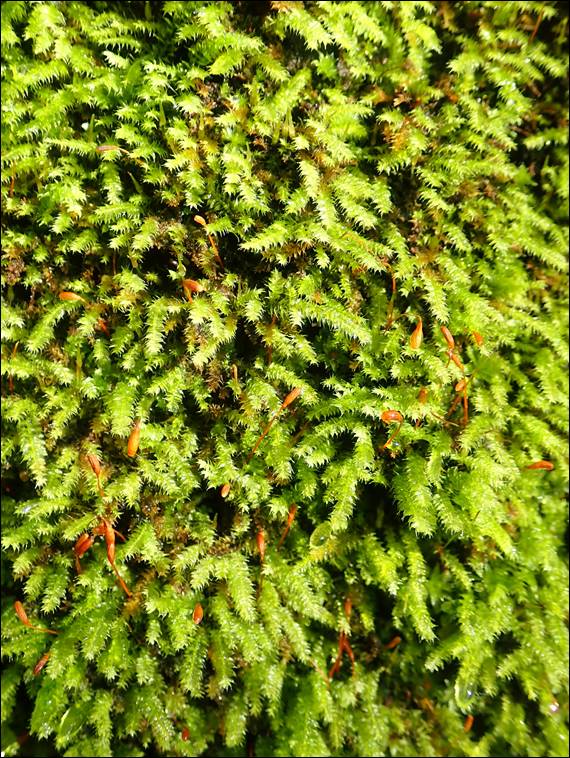
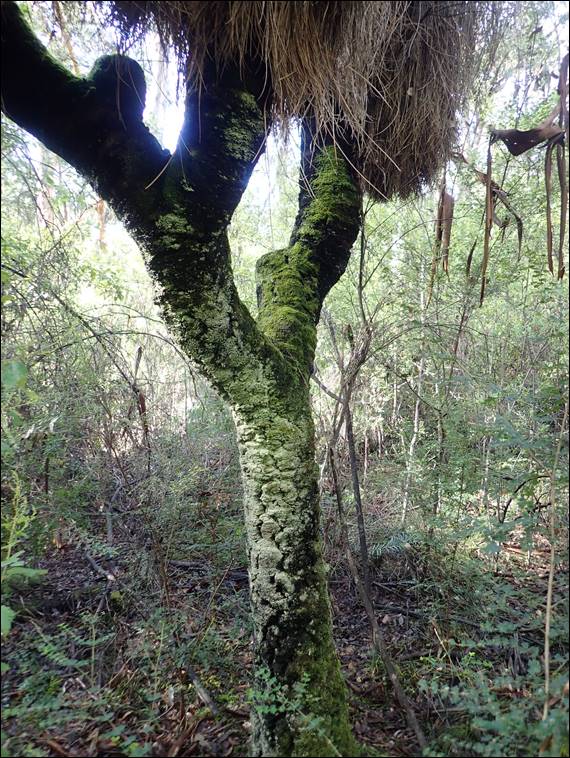
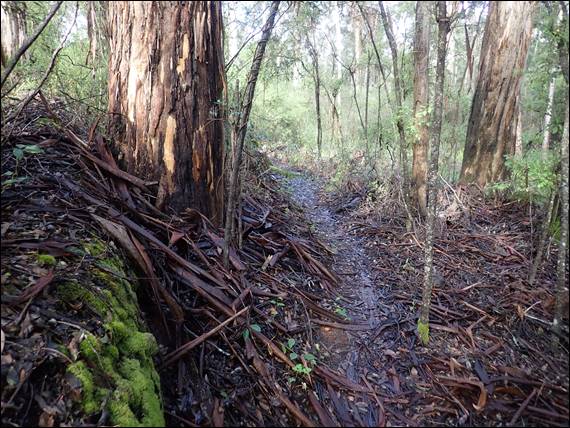
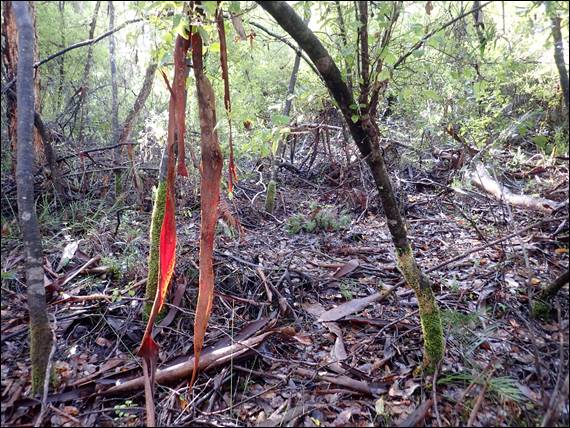

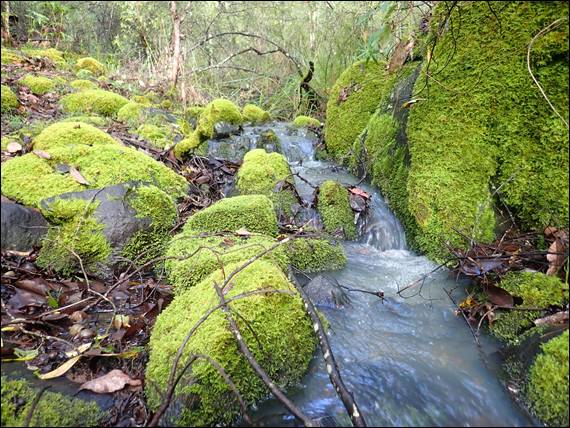
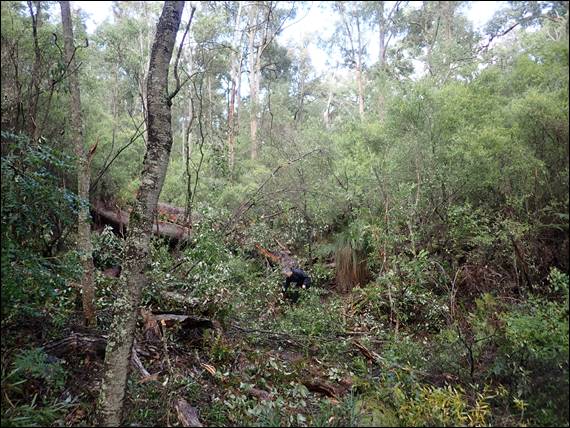
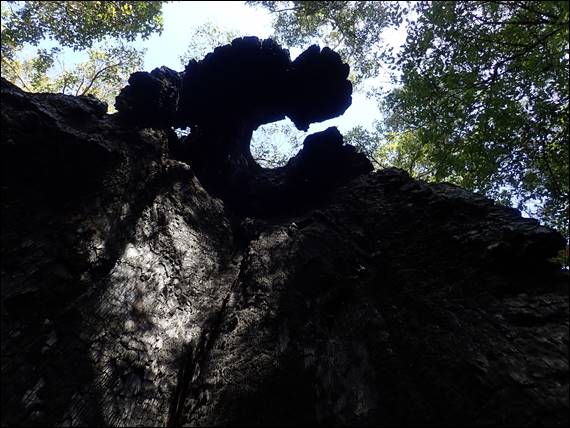
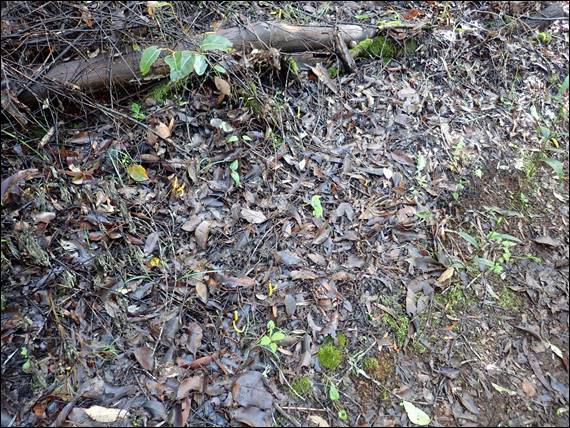
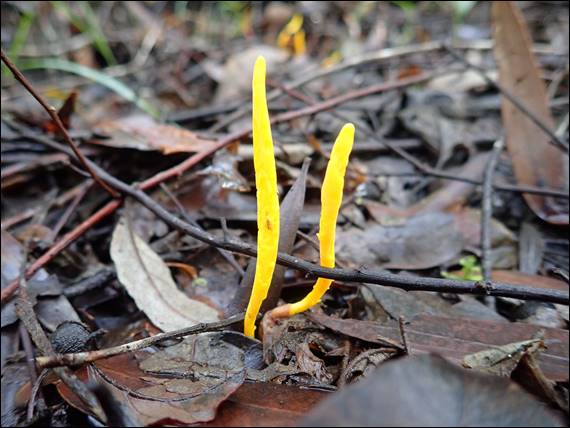
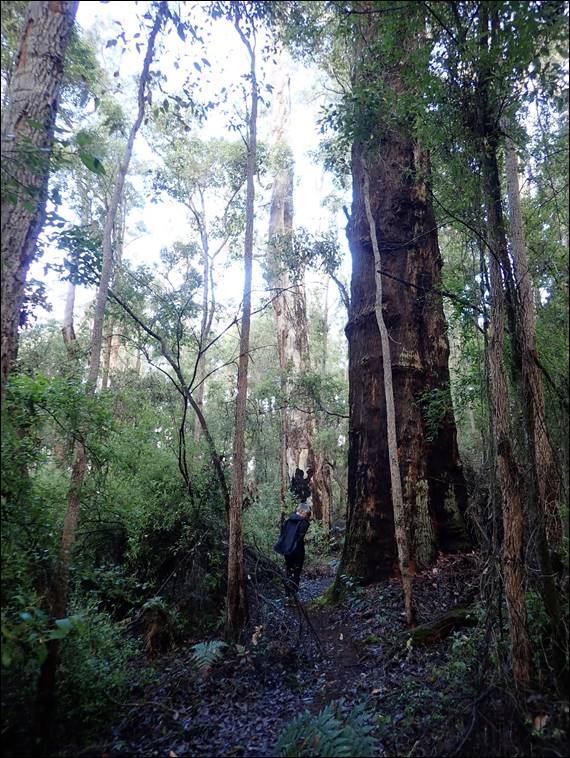
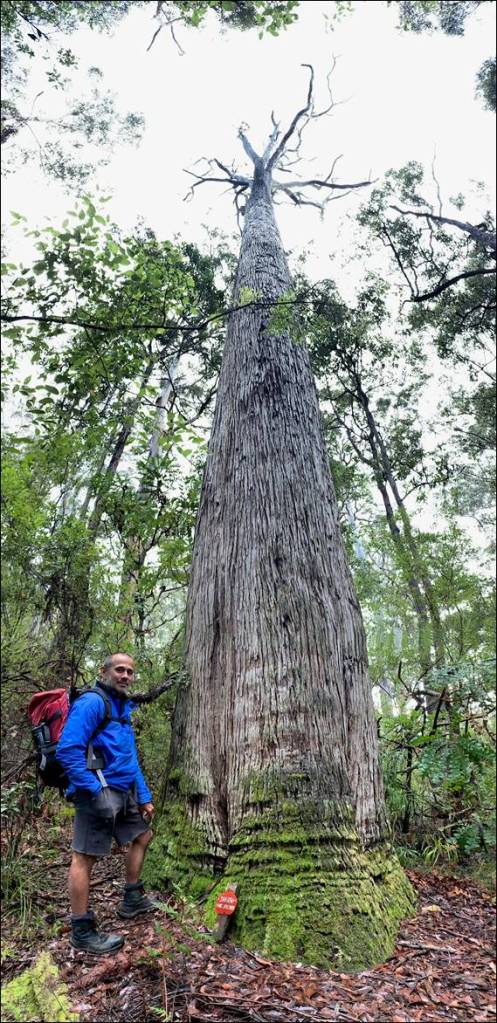
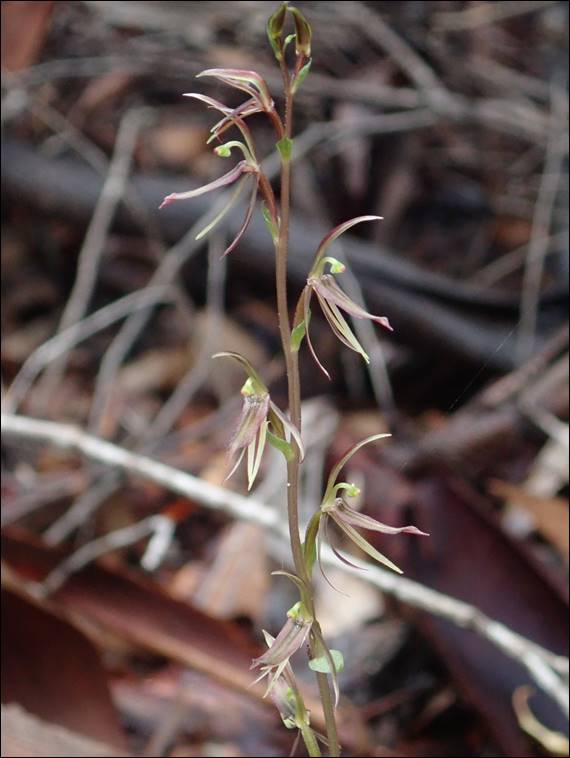
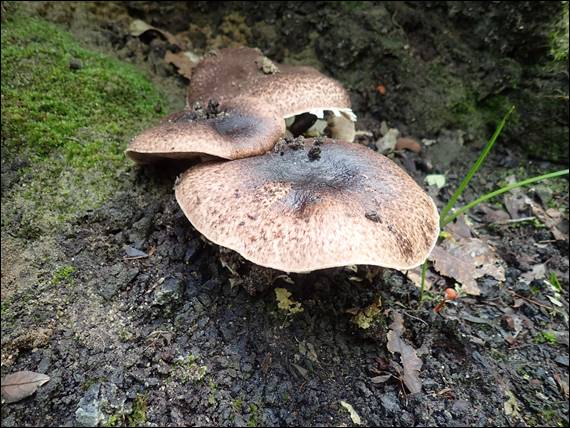

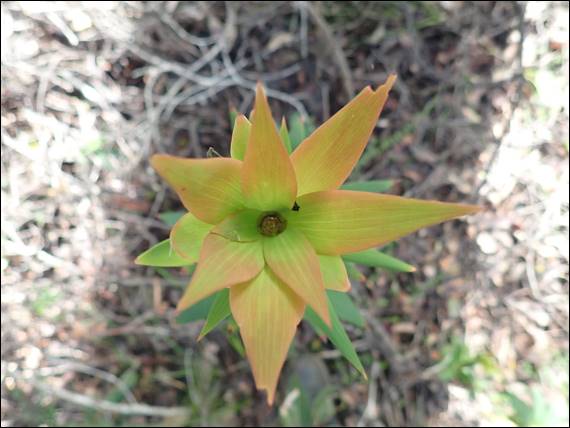
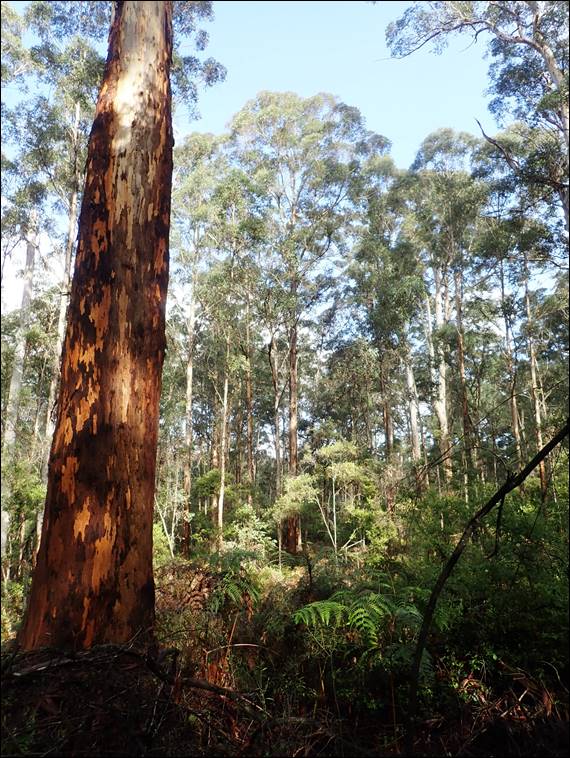

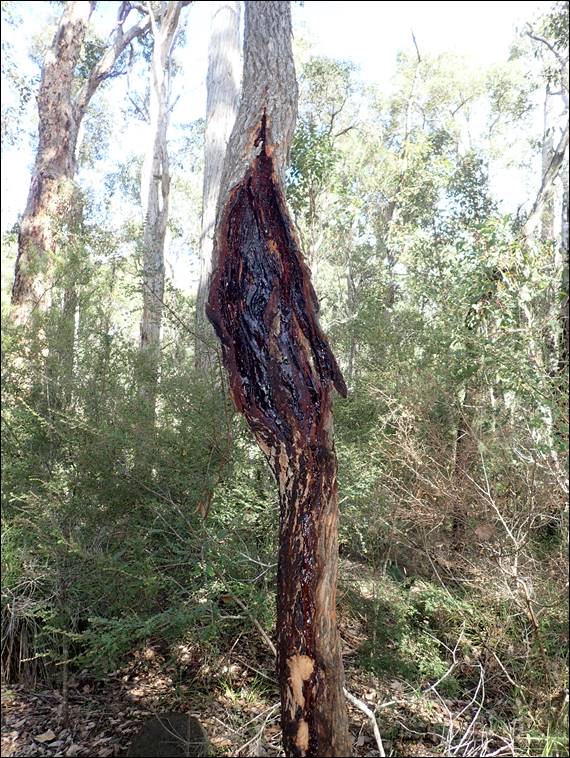
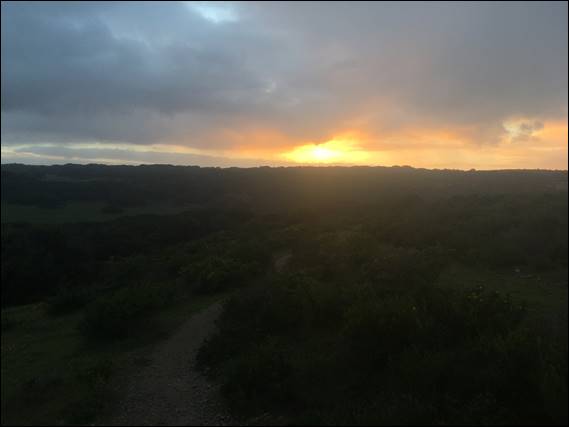
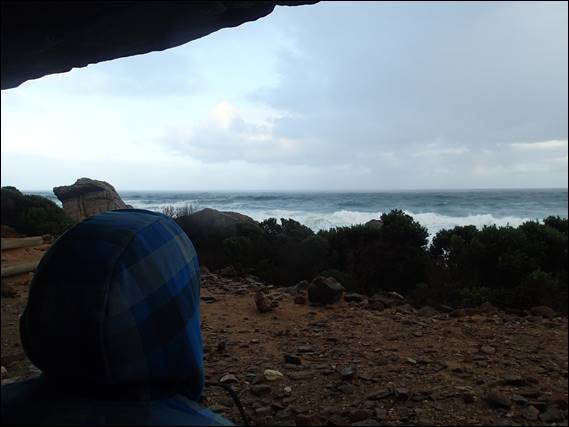
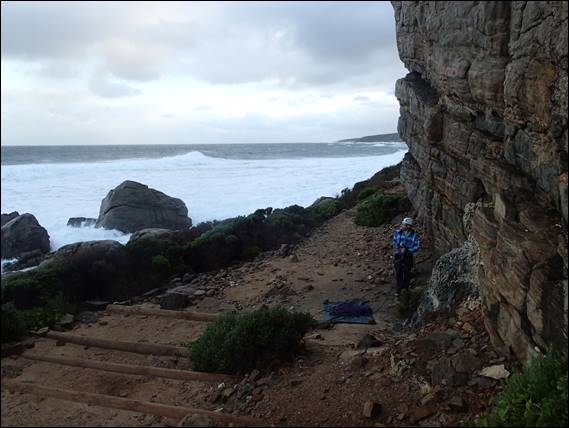
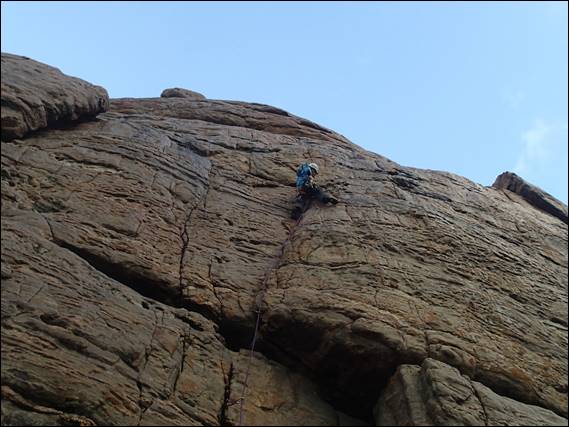

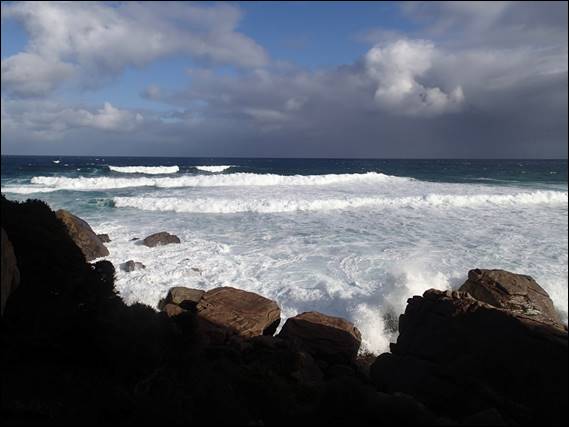
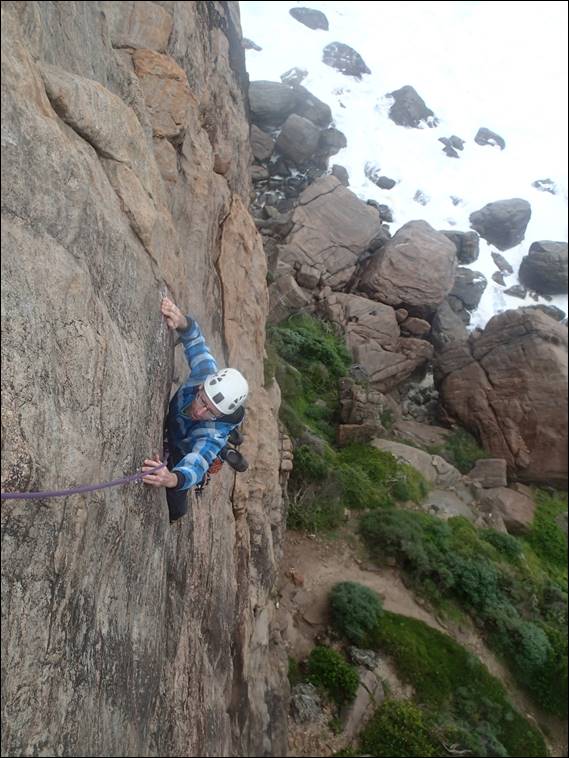
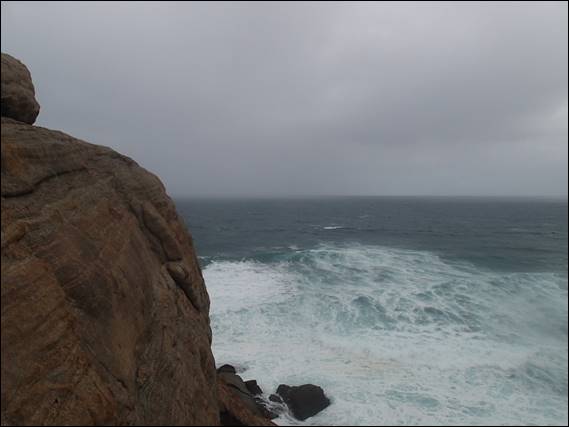
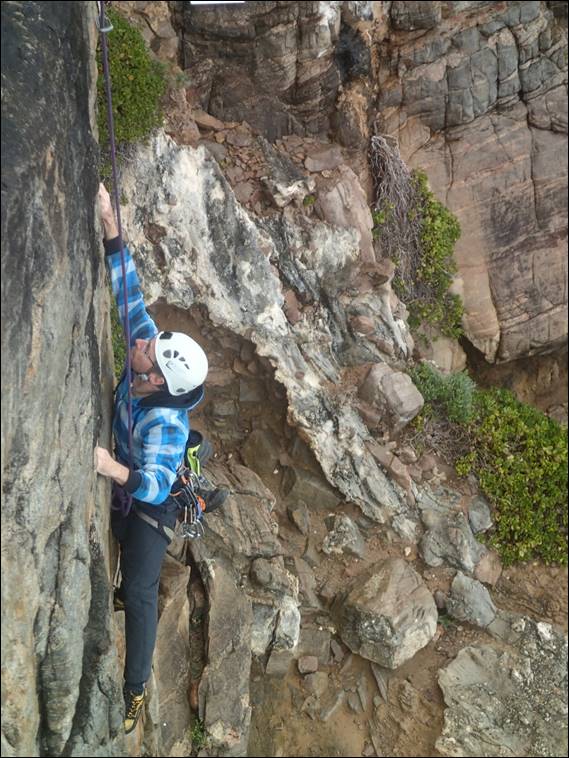
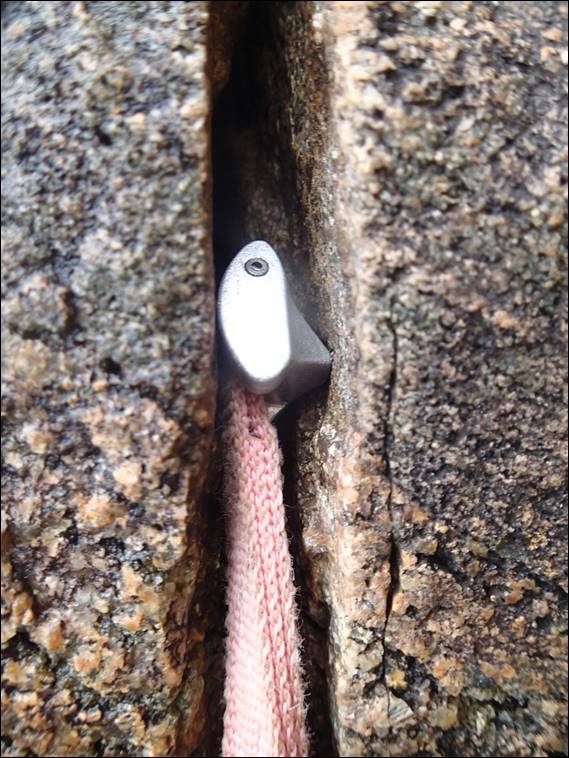
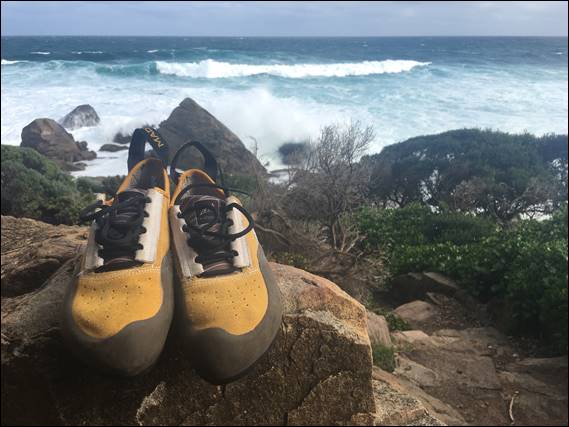
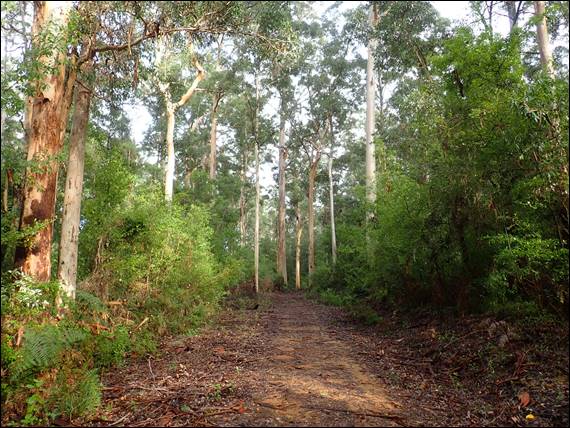
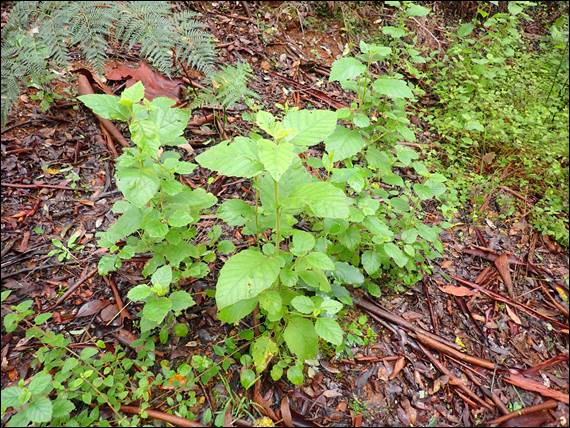

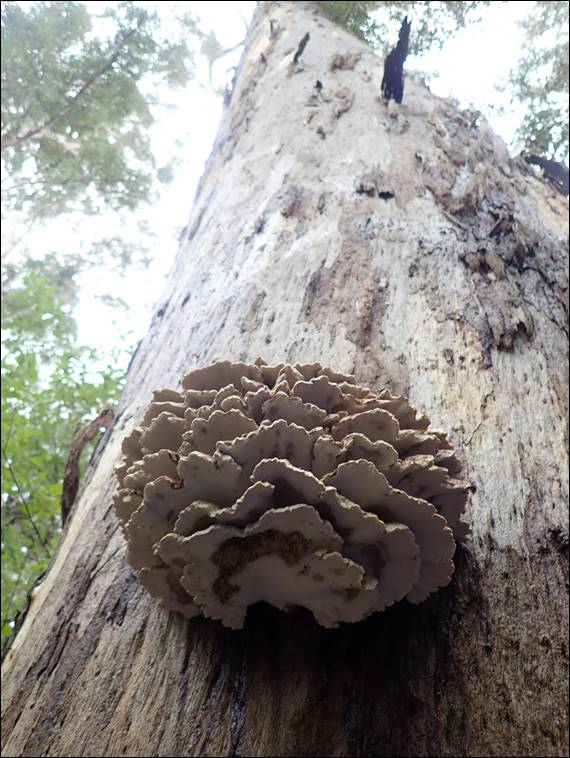
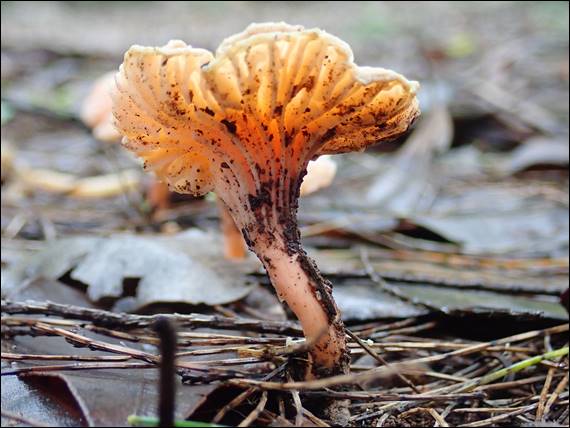
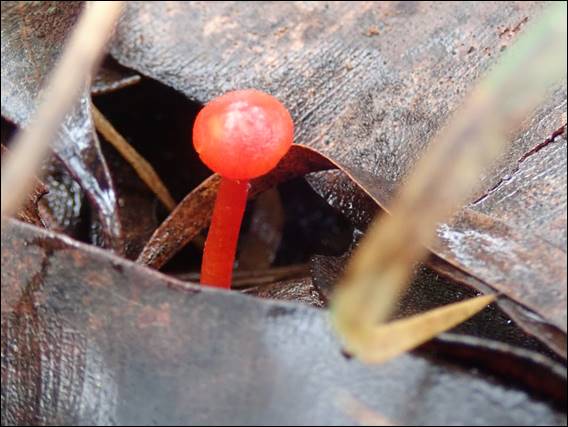
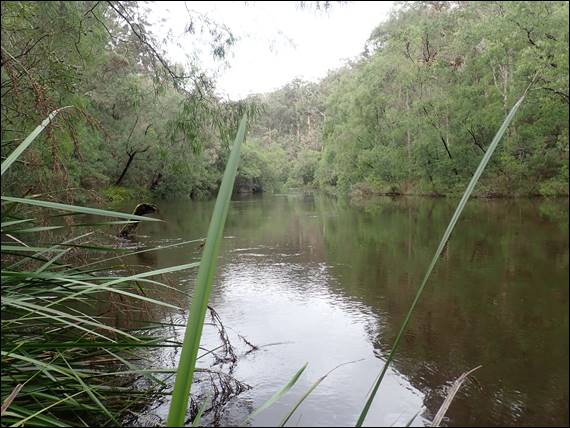
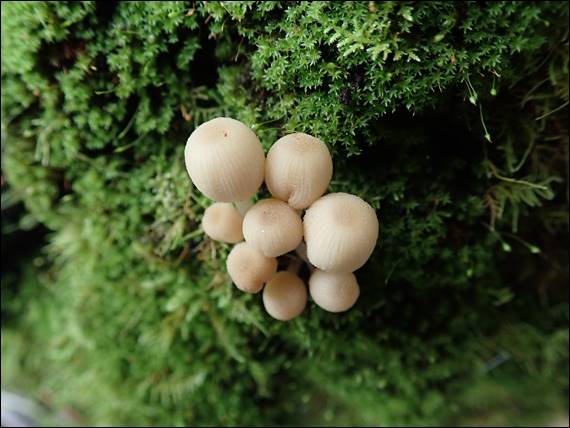
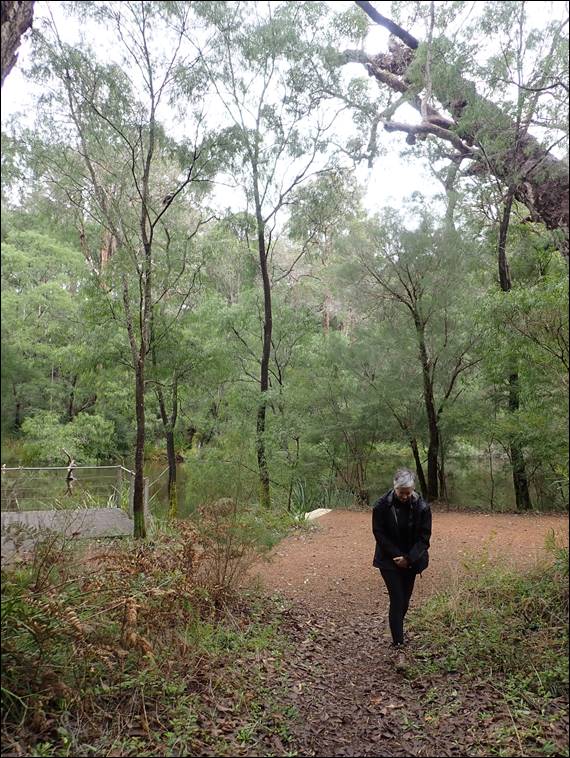
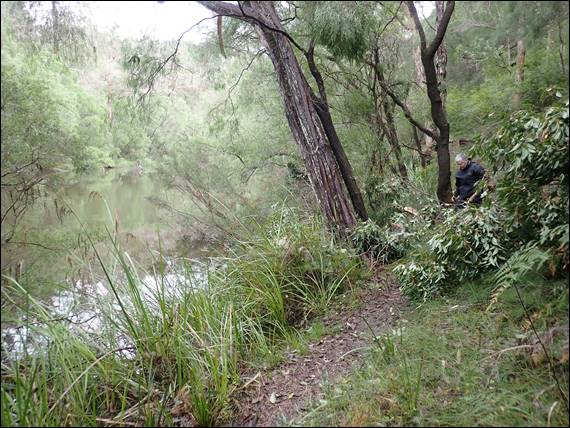
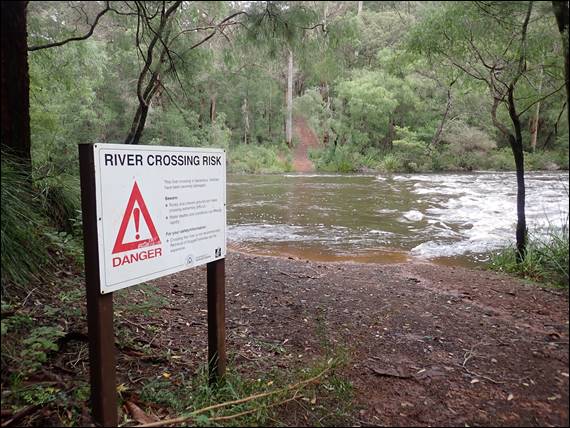
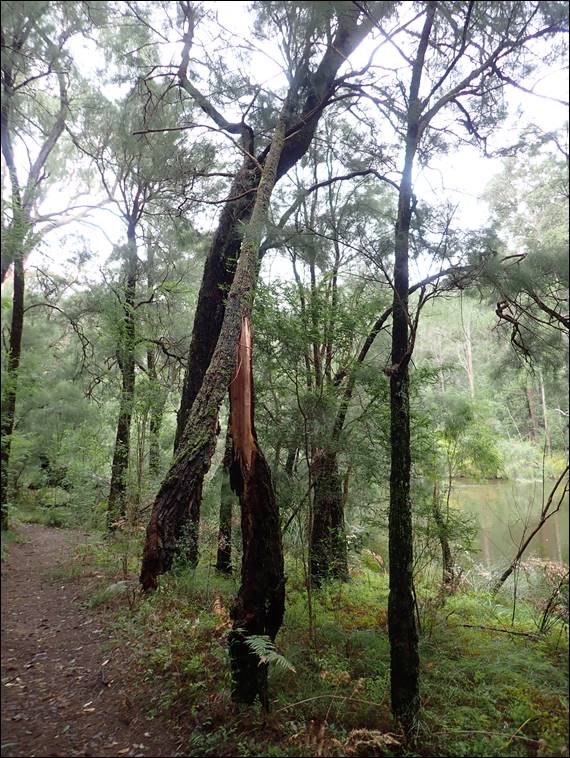
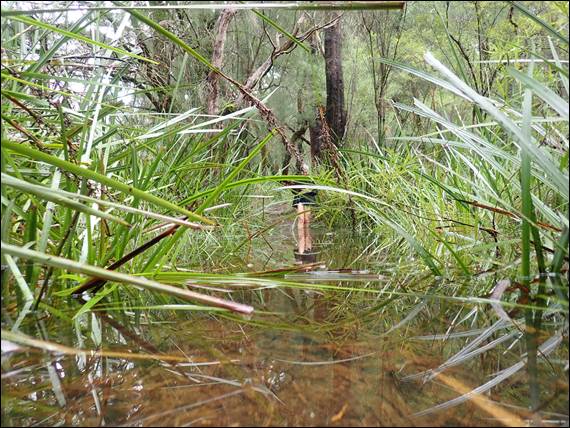
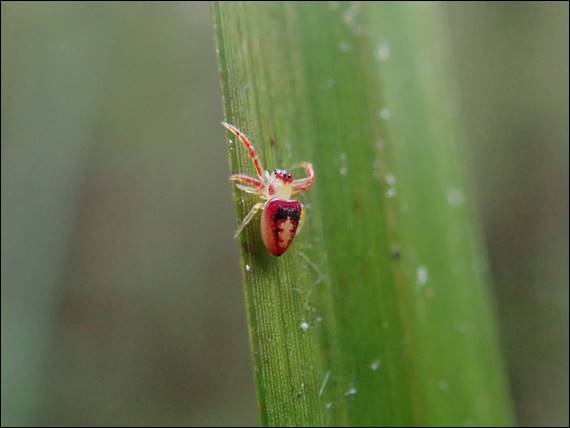
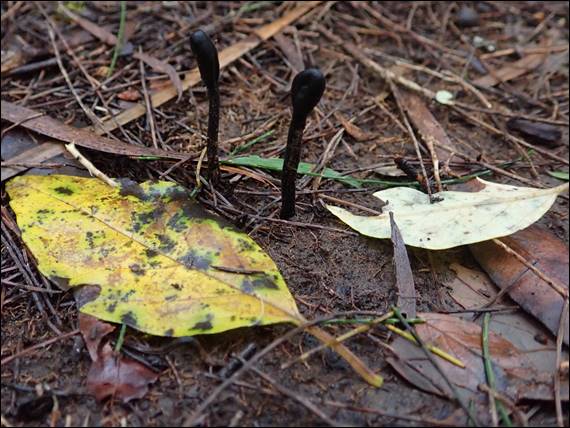
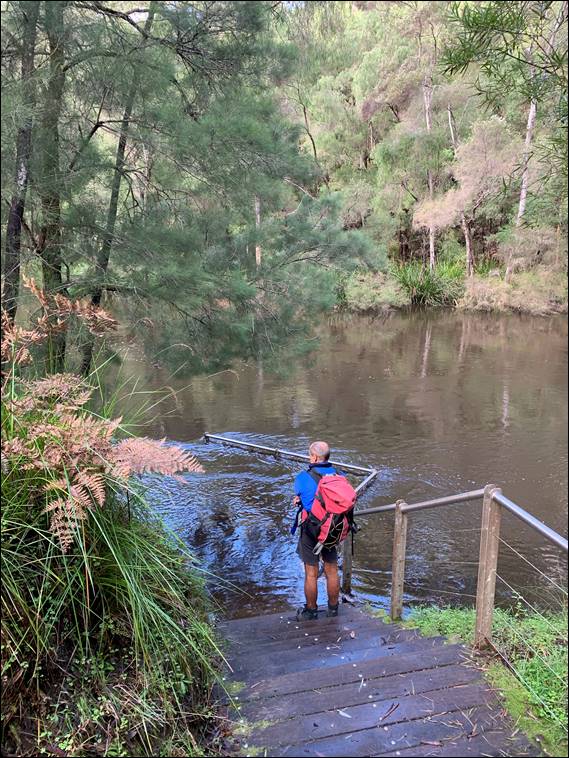
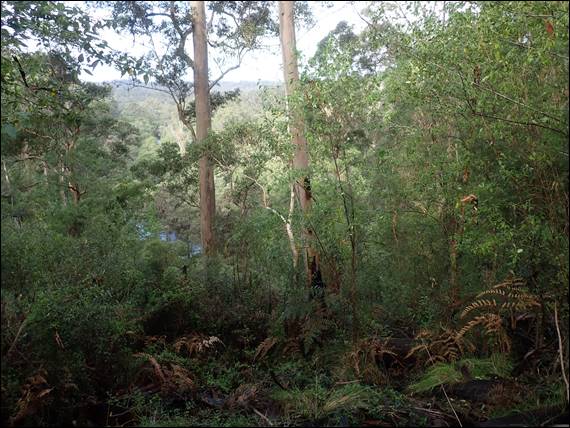
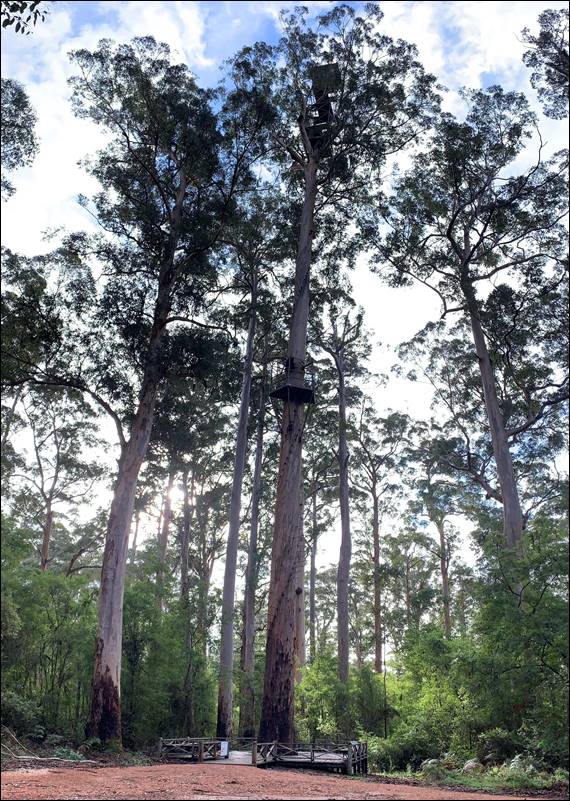
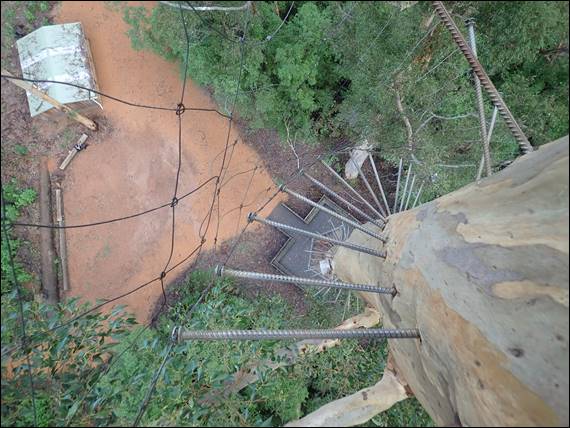
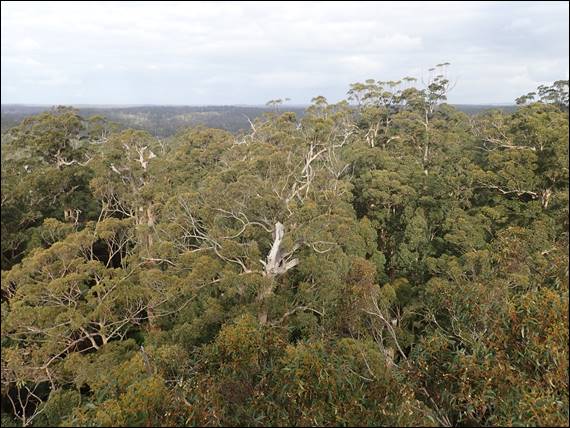
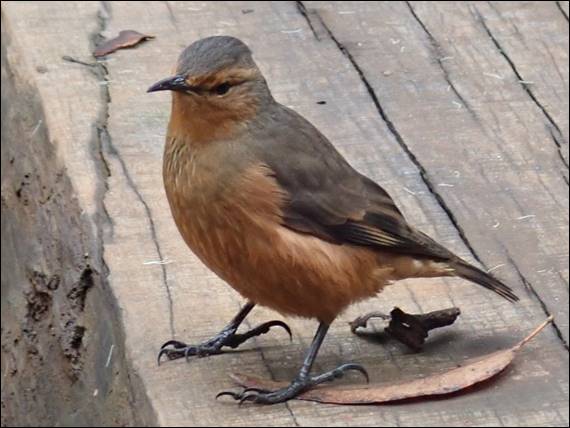
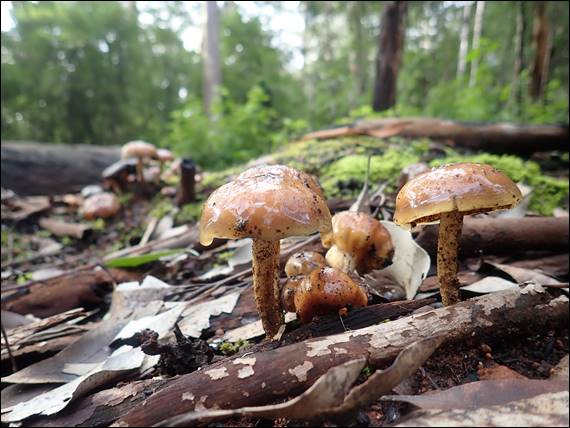
 Sandbagged