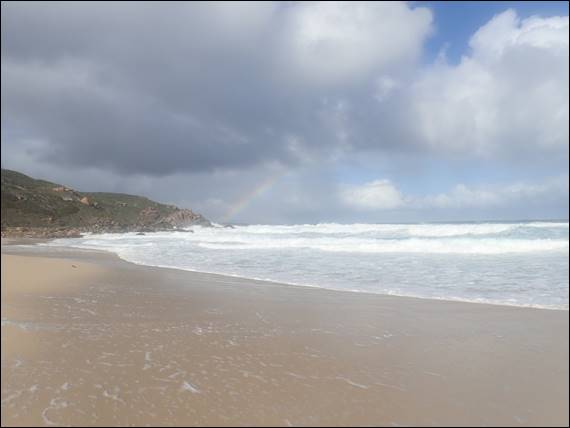
22022022

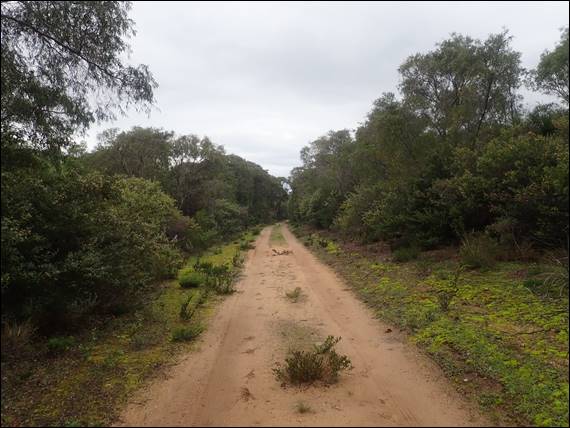
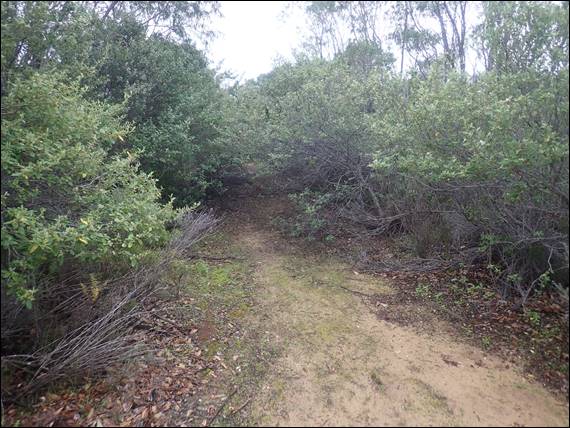
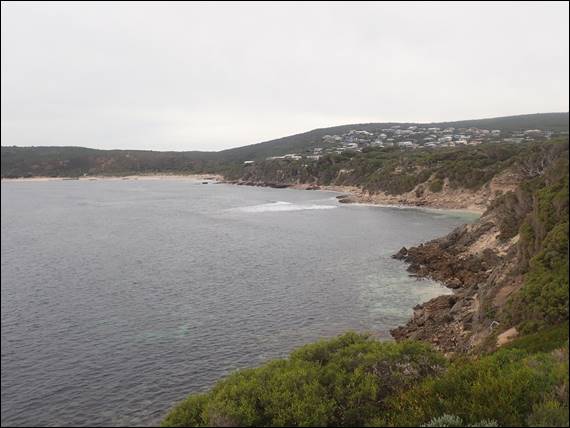
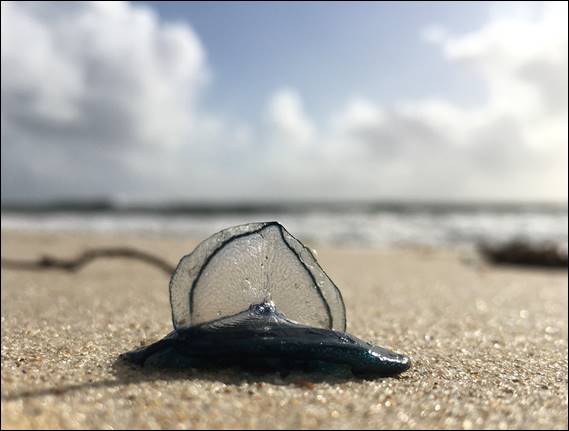
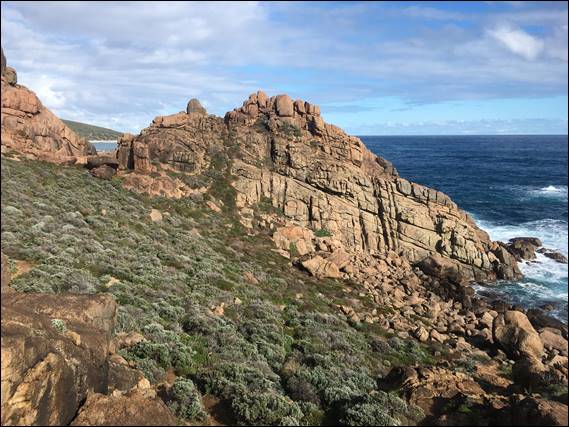
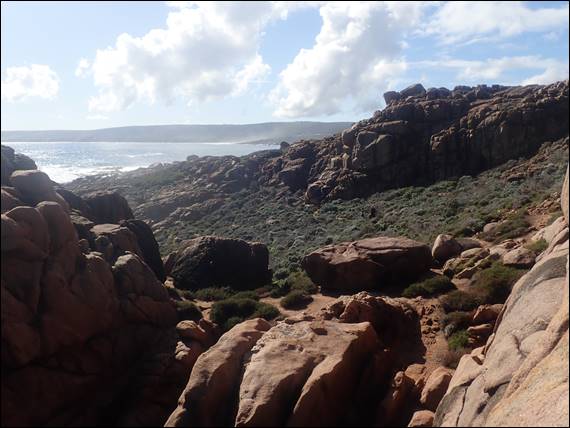
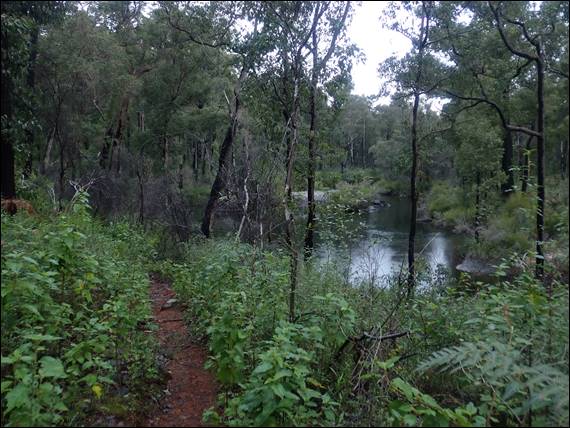
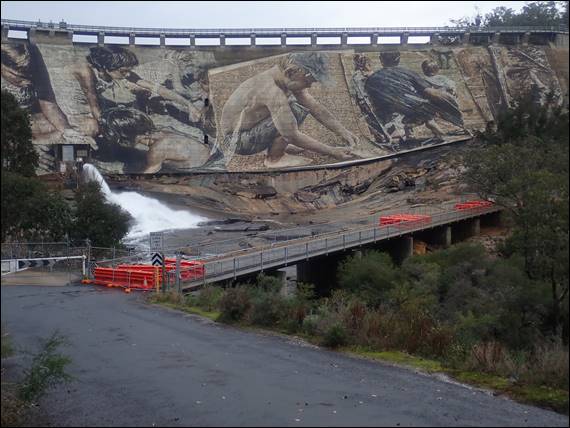
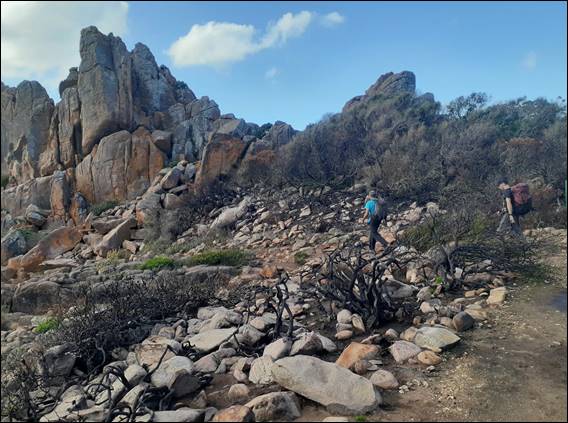
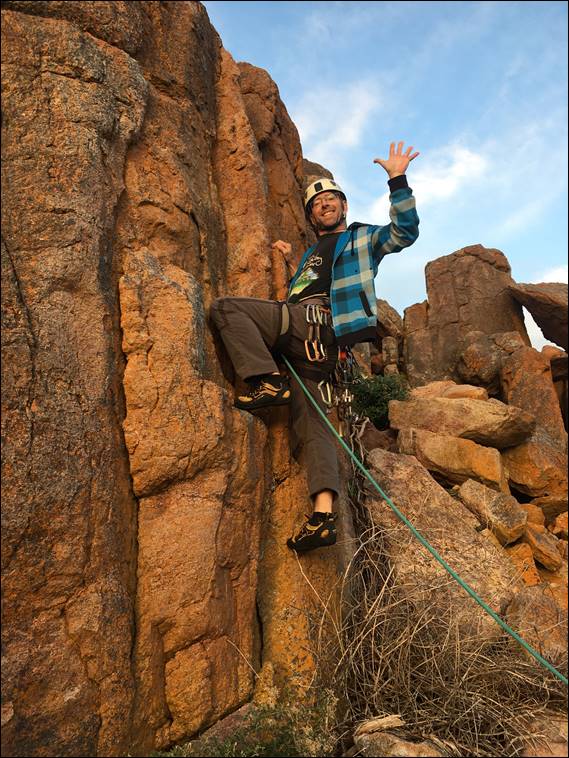
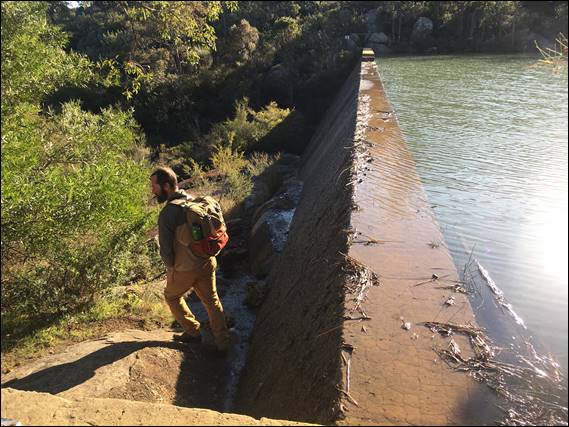
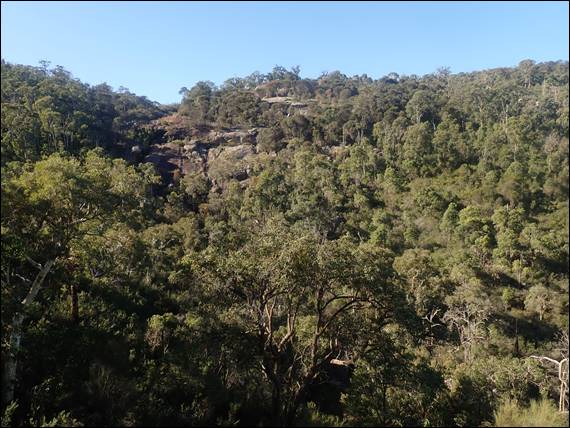
With a date like today’s, combined with Howsie’s 2022 challenge of attempting every grade 22 in the south west climbing guide, how could we not take a day out from the routine of life to bag a 22 or two.  In fact we thought maybe in keeping with the date Howsie should jump on three 22s, but that did limit our options of where to climb.  Welly Dam, which we visit most Friday mornings before work, or Bob’s Hollow were the two obvious places.  Wit felt like we climb at the former enough, and for the latter the access track is still closed due to the recent bushfires:

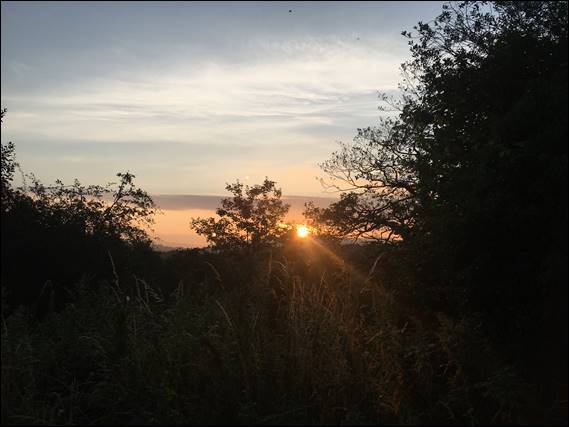
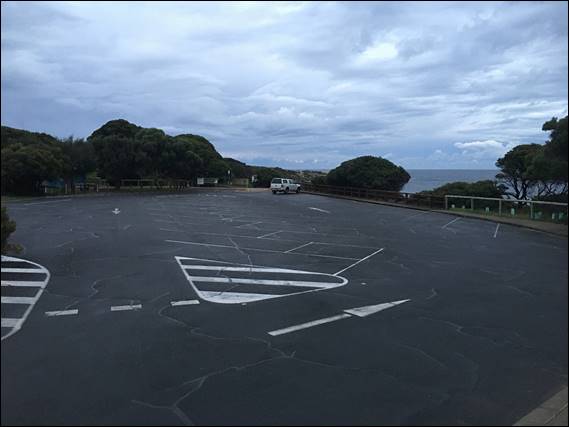
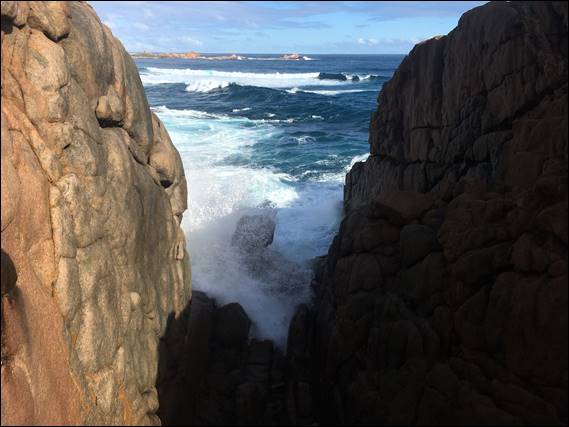
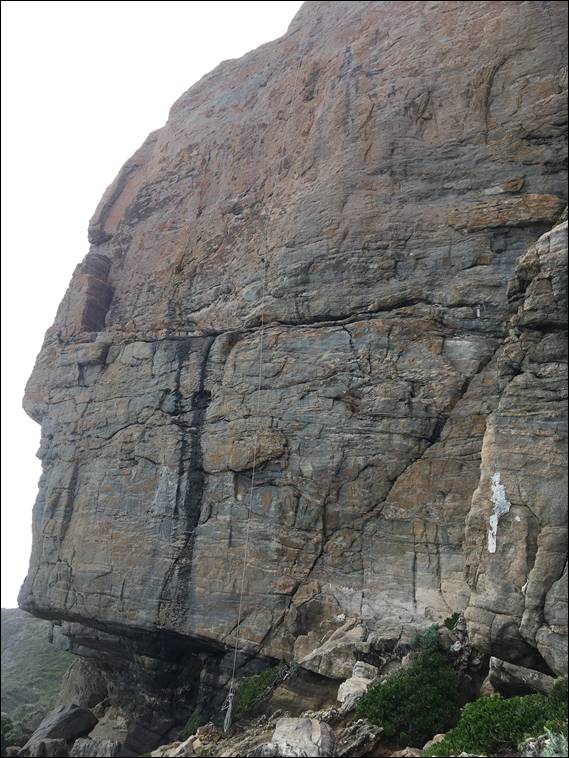
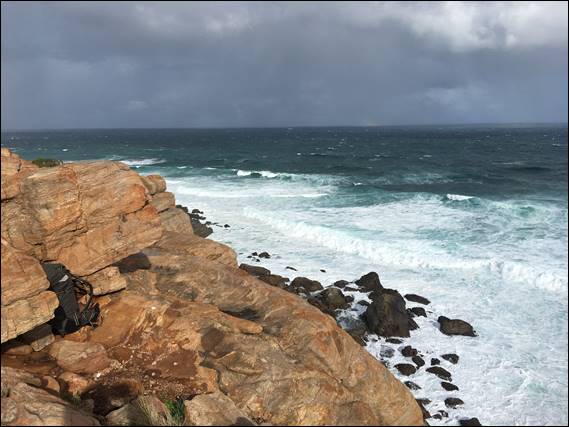
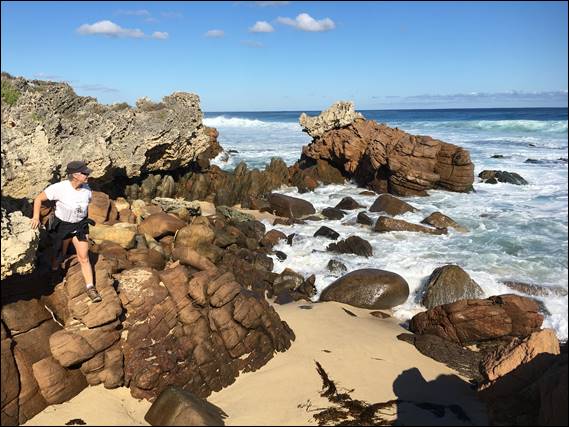
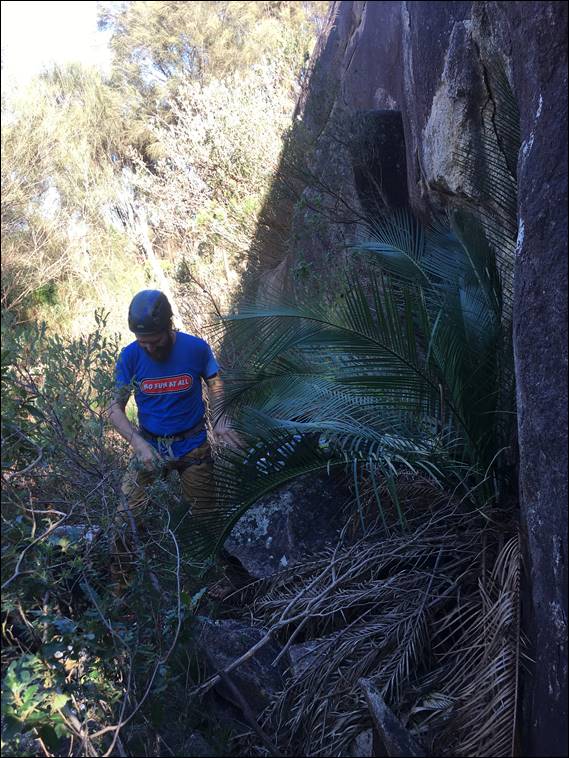
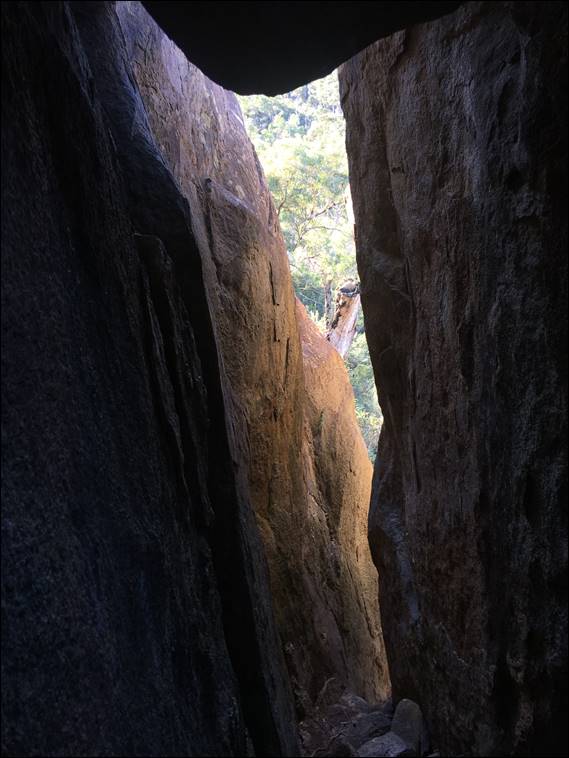
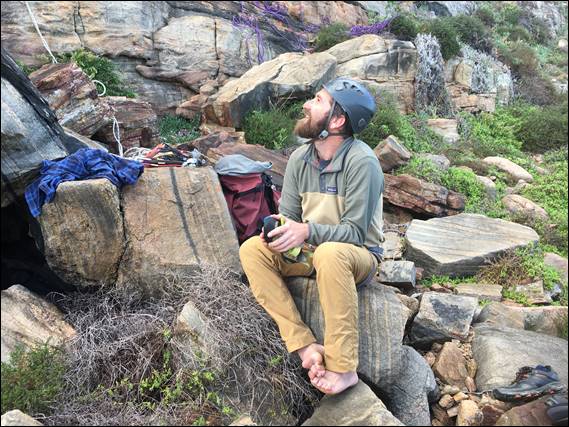
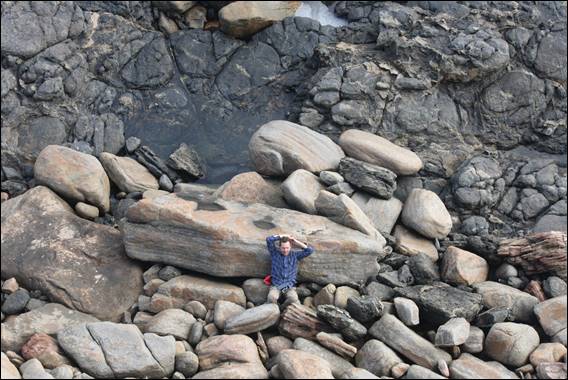
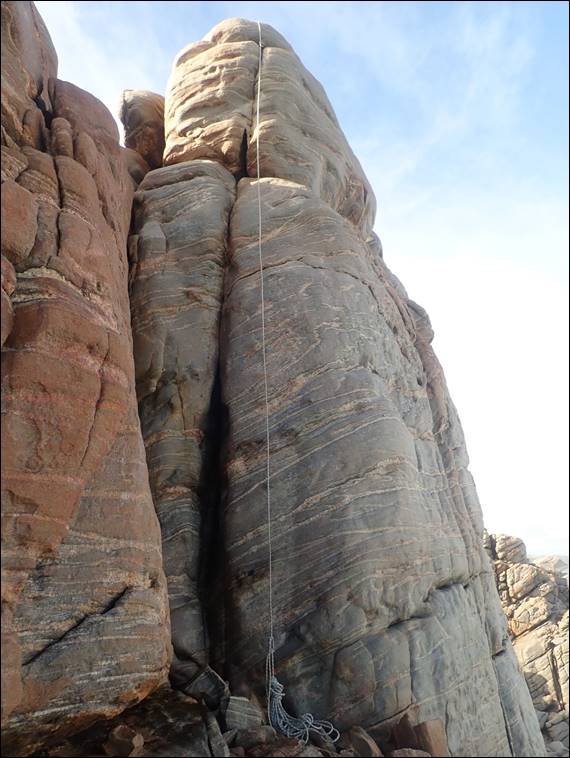
So it came down to lines that he was particularly keen to try.  There are some climbs that people see and they yearn to be climbed, it may be the neatness of the line, the rock architecture or simply a name of a route that draws you in.  And for today Howsie’s response was swift, Smiths Beach it was.  Not only for a great climb, but also possibly only the second ascent of the route.  We arrived as light was just peeking into the sky, the timing was great.  This place gets early sun and it would heat up like a hot box today, with a forecast of about 30 degrees:

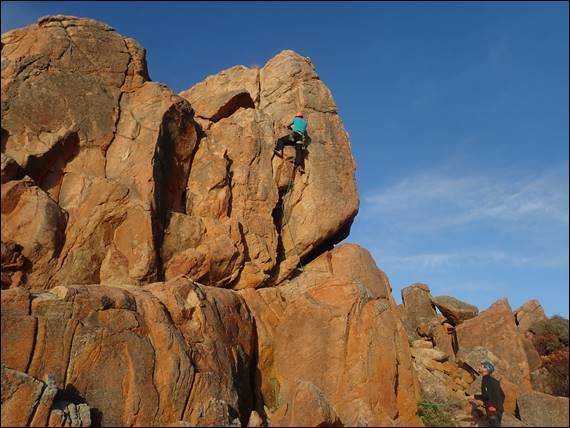
To limber up the body and become accustomed to the rock, we popped into the smaller of the two zawns first.  Of all places to climb around here, this is the one where you want to ease into the climbing.  The roundness of the rock, and coating of small flakes that always seem to be present is not everyone’s cup of tea.  And even us who venture here more frequently need to re-familiarise ourselves with these characteristics.  There were two primary reason for the smaller zawn, Howsie hasn’t done many of the routes here and there are a few fun lower to mid-grade lines, perfect to get the body moving:

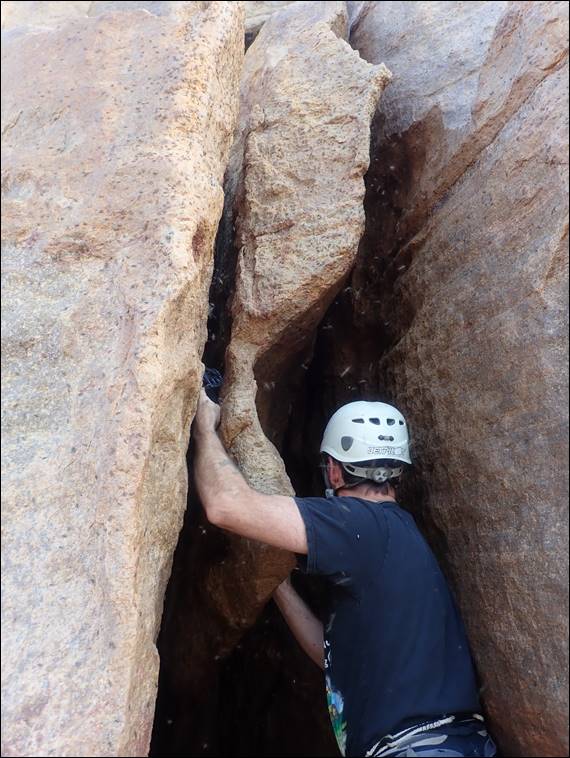
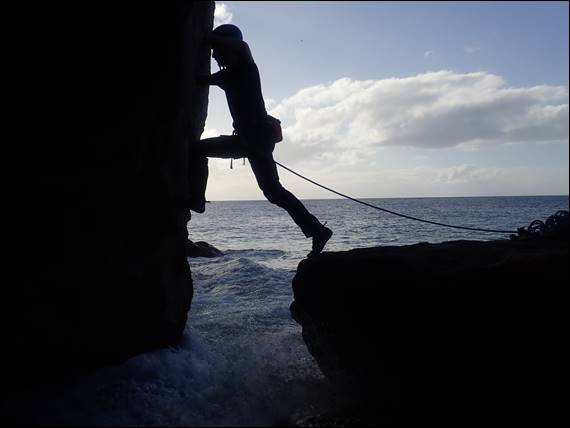
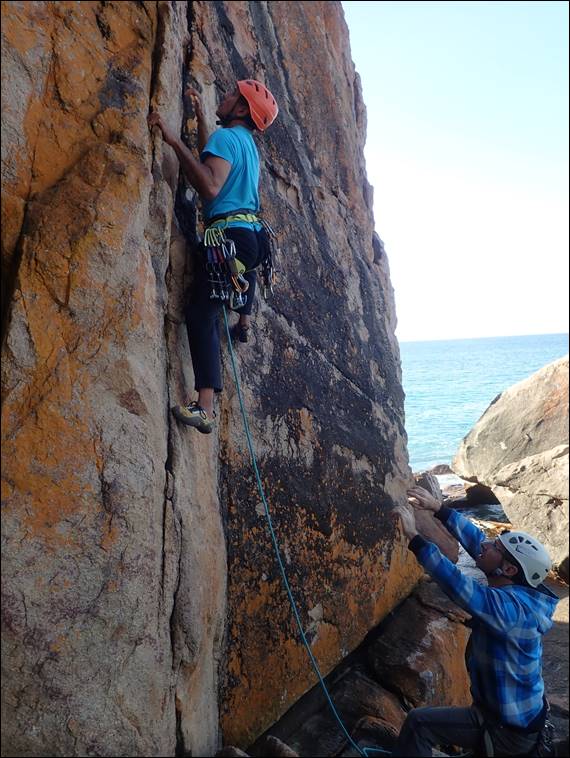
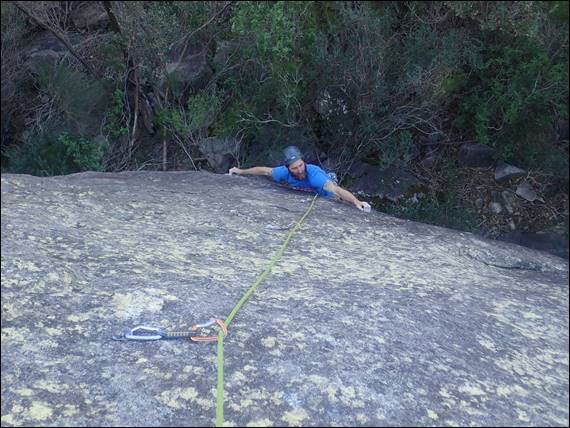
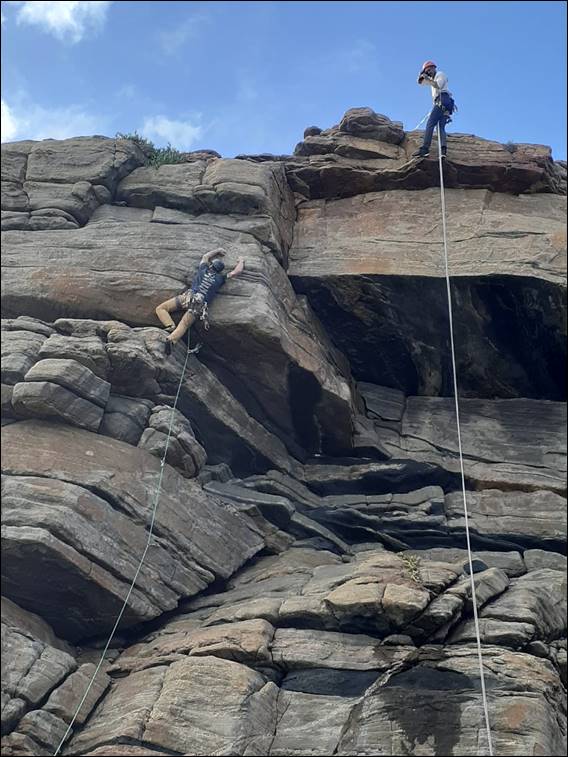
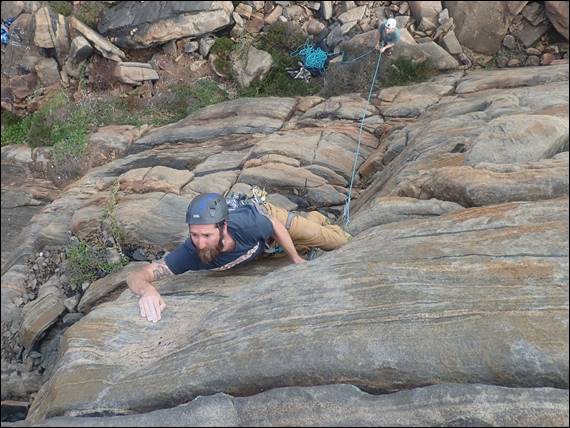
Sadly the rock was wet, and on one wall it was so wet that the rock felt slimy.  So after one route we moved into the big zawn, where the rock was merely a little damp to touch.  The friction however shone through and after a second slightly trickier warmup climb, Howsie looked up and decided now was the time.  Buffalo Soldier has a tenuous, what I feel is a grade 22 traverse, on small holds some offering little more than friction, with final a nerve wrecking lean across to flake feature:

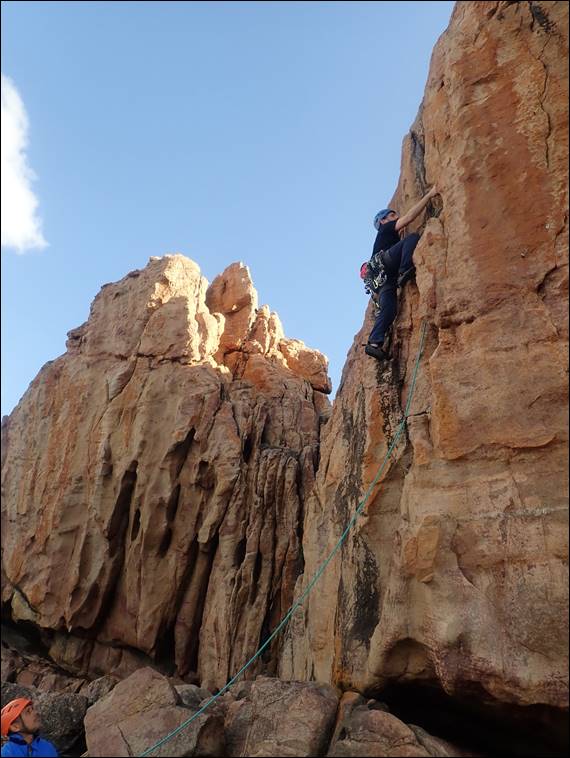
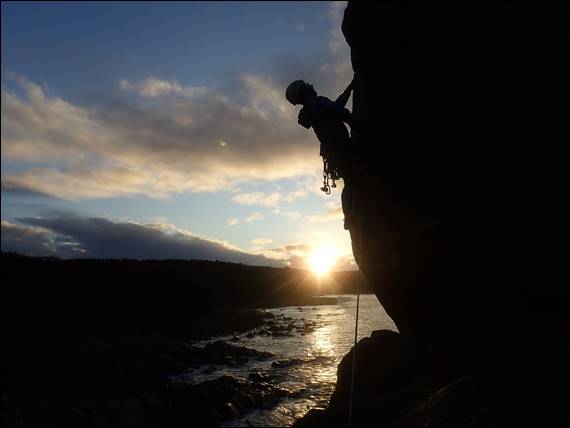
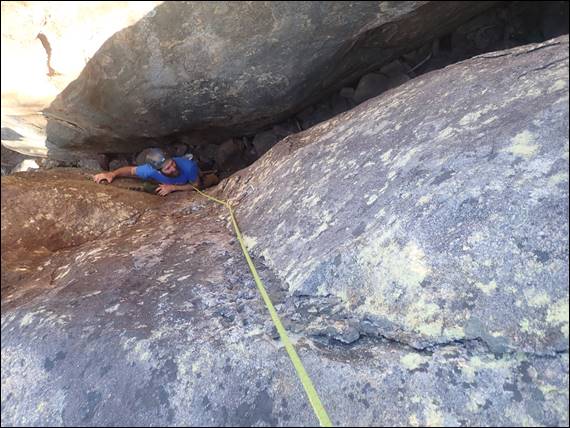
As you’ll see between the above and below image, it really doesn’t take long for the sun to creep up on you in this place.  So Howsie was in full sun as he got to the traverse.  There was the usual Howsie yo-yoing, in a sideways fashion, as each time he inched his way closer to the flake.  Then reversing the moves back to the safety of the stance just below the gear.  Eventually he went for it and leaned over, holding onto not much, as his fingertips just made contact with the flake.  Pulling over the flake Howsie was deservedly very chuffed, as you will find out if you watch the video:

It is only the second time I have been on this route, and I really enjoyed it. In fact I feel like I should lead it again sometime. Speaking of which you may notice there is no mention of me having led anything. There were a few reasons for this, firstly I was a feeling weary and uncoordinated, not a good way to be when climbing on this type of rock; secondly, and sadly, I think I have been climbing too much of late and my old shoulder injury is starting to niggle again; and most importantly Howsie was climbing well from the start and I wanted to give him the best chance to bag Buffalo Solider. Allowing him to have lead after lead to build up his confidence, without getting too tired by following me up additional lines:

It had worked well, and he was feeling up for giving The Holy Grail a bash.  While he got up it and had great fun, after the event, even he would agree he needs to go back and lead it again.  As there was what some may call unacceptable techniques adopted.  While he hadn’t exhausted his physical stamina on the first three routes, he had worn down his mental focus.  And this route is even more of a mind game than Buffalo Soldier, despite being an easier grade.  To finish off and Craig, you may be happy to hear, your line Small Pro also got what is probably it’s second ascent:

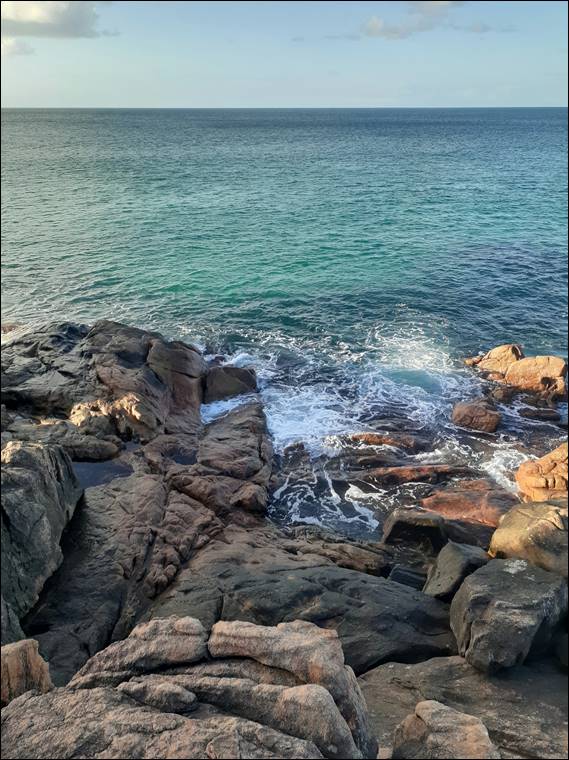
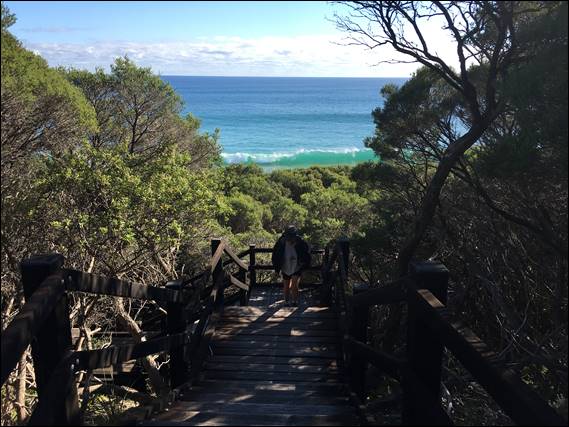
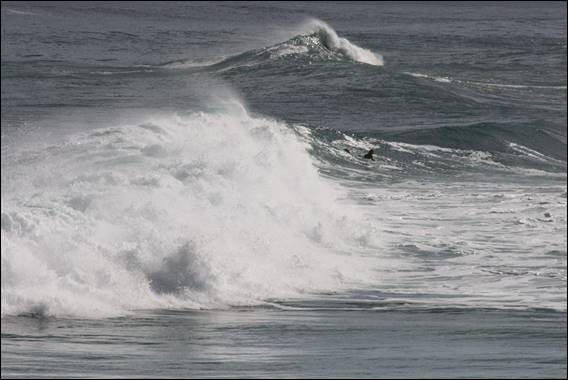
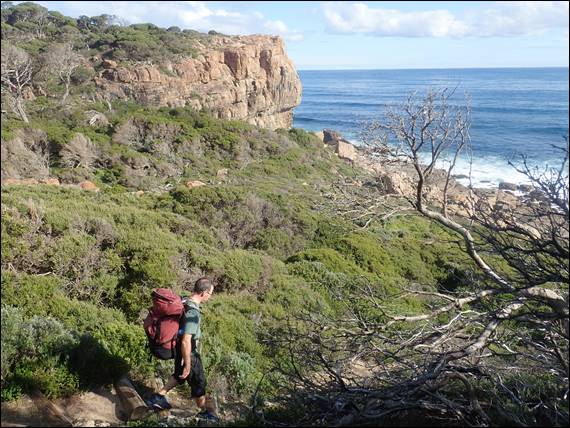
It was only nine in the morning as we walked out but it was already 28 degrees and the zawns were unbearable.  Despite such a short climbing window, there was another reason we picked Smith Beach.  It allowed us to head for a dip afterwards.  The usual crowd of tourists were heading into the natural feature located approximately half way along the bay between the zawn and Canal Rocks.  We left them to The Aquarium, another overrun Insta-famous attraction.  Instead, jumping in the water at the Canal Rock’s boat ramp, and having the place to ourselves:

For a change we headed along the edge of the rocks out to the ocean.  Some areas dropped off quite deeply, which meant there may have been bigger things out there.  I only spotted one that was cruising along the edge of the sandy bay.  My guess, based on body shape, is a Grouper?  But it was heading steadily away from me and was in water over 10m deep, so my chances of getting any closer to check it out were zero.  No matter we saw heaps of fish, and while I did take a few images, I was mostly content with just watching them:

They seemed to be in full feeding frenzy, mixed shoals of fish were hovering round the rocks.  As the larger species pecked away at the rocks in search of a feed, the smaller fish seemed to be waiting until the dislodged bits floated out into the water allowing them to dart in to grab them.  As I went down the big fish swam away quickly, while the smaller ones kept feeding not being too worried until I got really close.  This Bluelined Leatherjacket (Meuschenia galii) and Brownfield’s Wrasse (Halichoeres brownfieldi) didn’t however seem to mind me saying hello:

On our return swim we attempted to head into the canal, and just as we went under the bridge we spied a large group of squid watching us.  As we attempted to head into the deep canals the swell was starting to pick up and it really didn’t look all that inviting.  So instead we turned around and slowly pottered back to the beach, spotting plenty of life below us along the way.  Fair to say that Howsie may not have bagged three 22s today, but he did get a great one under his belt and we both had a very fun climb and snorkel:

Blame the grease

When I wrote up my thoughts about Alan, way back as COVID was taking hold, I called him the tagalong (https://sandbagged.blog/2020/04/21/alan-the-tagalong/).  His trips outdoors would be few and far between, and then it was more about catching up and a bit of fun.  This was in part due to his many other competing outdoor pursuits.  So despite being one of the fittest people I know, his climbing fitness has in my mind never really grown to its true potential.  Last year he went back to Ireland, and by the time he returned he’d been gone for twenty weeks.  So today was a reintroduction to rock, with an even longer absence than usual, and of course the chance for a catch-up:

We decided on Beginners Wall.  A small, some might say scrappy, crag that is part of the Wilyabrup area.  It only has a bunch of mostly lower grade routes and I have not been here very often.  My last record of visiting the place was in late 2014 with Steve (https://sandbagged.blog/2014/11/02/beginners-wall/) and then Lou.  I remember we had a blast on both of these trips and put up a few first ascents, but I can’t honestly recall seeing glue-in P bolts at the top of the crag.  I just remember the completely rusted out iron stakes and large U-bolts sunk into a big plugs of concrete, which you can check out in the linked post:

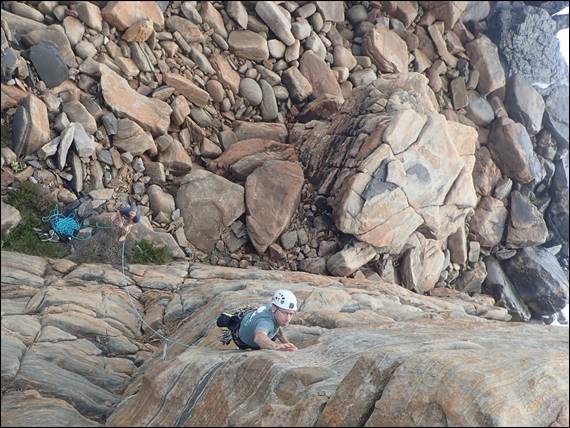
The tags indicated a couple were placed in late 2014, but others may have been more recently added.  There were at least eight along the top and we even found a couple at the base of the wall no doubt to anchor into as you belayed.  This was a little surprising.  The crag gets very little attention and to support this statement, unlike the main area, we found absolutely no evidence of chalk on the rock.  The bolts did however make it easier for us to set up an abseil and the belay anchors after each route.  The was probably not in Alan’s favour, with less time between each climb for him to recover:

We started sensibly, on the easy lines in the middle of the wall.  While I recognised a few of the more distinct routes, I really had no idea what we were climbing nor what the grades were.  There is however nothing too hard here and certainly we were starting on routes well within Alan’s capability, despite his long absence from rock.  He was quick to remark that the rock felt greasy.  He wasn’t wrong, and the air looked a little misty from the spray and felt heavy with humidity.  But with the grades we were hitting it really wasn’t an issue:

Being so close to the ocean this crag is far more susceptible to being coated in greasy feeling salt spray.  Maybe the rock would have been better at the main cliffs, but it was nice to have this place to ourselves.  We also both agreed the longer routes at the main cliffs may have drained Alan’s stamina that bit quicker.  The first four lines fell quickly, and the only gear I used was a pink tricam.  I even placed both of them in the fourth climb.  In fact I wasn’t sure why I was carrying a full rack with me other than for weight training, as Alan pointed out:

We did occasionally stop and check out things that caught our eye.  Like the above, what looked like a recent scar.  It was definitely very fresh, and we didn’t see any other areas with such a brilliant white colour.  Completely free of any algae or discolouration due to oxidization, neither of which would take long in this environment.  Surprisingly we could not find the block that had been dislodged, which meant it must have been a very rough sea.  On closer inspection the white scar was not clean exposed rock, but a thin veneer of limestone.  It’s almost as if a bricklayer had come along and used limestone as mortar secure the block in place:

For our fifth route, which having now inspected the guide hasn’t been recorded as a climb, was the one where Alan’s lack of climbing fitness started to show.  The line looked innocent enough from below, but proved to be pretty fierce.  While I desperately tried to continue the theme of using just a pink tricam the top one didn’t inspire confidence.  The holds were slopey, small and spaced and due to the poor gear I decided it was best to traverse out right to better holds.  Even this was a little pumpy, and it was all too much for Alan’s forearms.  He didn’t give up and persevered, eventually, in-between references to greasy holds, topping out:

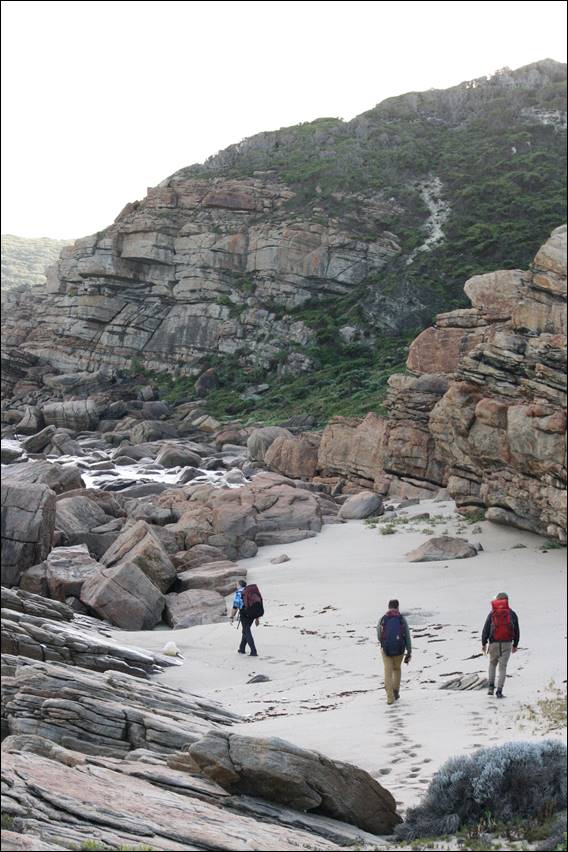
As we were stood on top of the unnamed route, one I will have to come back to so I can lead the direct line with maybe a better choice of gear placements, we saw three people wandering our way.  Looking like hermit crabs with boulder mats strapped to their backs.  Coming along the base past Driftwood Bay seemed a strange approach, seeing there is a great coastal path higher on the ridge.  As they walked past us we had a chat and they too had found the boulders at the base of the main area of Wilyabrup greasy.  So they were now moving to the base of the Northern Blocks in hope of slightly better conditions, which explained the rationale of their chosen path:

This short interlude provided a bit more rest time, before we hit our next line.  This time I didn’t hold back placing a wire and then a cam, but of course also had to use the pink tricam.  While Alan’s brain could see the moves, it seemed that his arms and legs were misbehaving and not doing what they were instructed.  The problem wasn’t his internal communications but, in addition to what he claimed were greasy holds, that his forearms were shot.  His hands were simply unable to hold on any long.  He dogged his way up the above line but the next one, which is the classic of the crag and a very fine corner, was simply too much:

I wasn’t overly surprised, and was impressed that we had managed to get as many routes in as we did.  But I wasn’t done, there was one more line I wanted to try that is mostly unprotected.  I don’t recall leading it before, so I did today.  I led it with a cam low down hoping to get the pink tricam in higher, but it didn’t fit.  So I had to lead it again placing the pink tricam instead of the cam, taking a short video as evidence.  After that, with Alan still at the base, we climbed out on one of the easier lines.  And as we walked out it looked like the three boulders had also found some routes on which they, like Alan had managed on the last route, could hang onto the greasy holds:

A little ray of sunshine

For the first time since before the school holidays, two months back, the conditions along our stretch of coastline seem to be improving.  The last week has been another scorcher, mid-thirties and above most days but this time there have not been the strong easterlies to churn up the water.  As such this week I have had a couple of mid-week dips.  The first one was just to cool down, but it was so good that Nana joined me for a second dip on Thursday.  Before my first dive I wasn’t convinced, maybe jaded and feeling like I have been tricked once too often into thinking it would be good:

But as I swam out, the sunlight pierced right down to the sandy base.  Casting that familiar, soothing and rhythmical pattern the sun makes, as it gets deflected by the surface ripples.  It was a hugely welcome sight.  Just the water clarity was enough to make me smile, but then saw a Bight Stingaree lounging about below making me smile even more.  This species is also known as the Striped Stingaree, and the Latin name Trygonoptera ovalis reflects this distinct oval (ovalis) shape of its disc.  Chatting to Nana on the second dive, during which we saw no rays, we remarked how absent the numerous rays, which are normally found here, have been this season:

While we didn’t see any rays on that second dive, as with the first there was a lot of active fish life.  The place seemed calm and had a tranquil feel to it, and maybe the fish had also noticed the change and come out to feed.  On clear days like this I venture out up to about 150m, and it gets a little deeper.  If you bob about on the surface in one spot your eyes become accustomed, and you start to see the movement of numerous fish.  I was happy to see two fish in particular, ones that I have not frequently seen on the reef off our local beach.  The first being a fish that is endemic to Western Australia being the Magpie Morwong, Goniistius gibbosus:

The second is the Spinytail Leatherjacket, Acanthaluteres brownie.  I have only ever seen a few of them, but on both dives this week I saw groups of up to eight of them foraging in the weed.  These are very skittish fish, and are quick to slink away, so I have never really got a good image of them.  I think that I may have only ever seen the female of this fish, as checking on the Fish of Australia website it indicates the males seem to be much more brightly patterned.  The females are still very striking, and also display the namesake two pairs of spines just in front of the tail:

No matter how many times I went down, nor how far away I went down from the fish to try and sneak up on them, they seemed to allude me.  The deeper water gave them plenty of notice of what I was up to and I could see their bodies shifting into position to keep a better eye on where I was.  Eventually I gave up with this game of cat and mouse, reverting back to bobbing about content with seeing all the other fish.  Closer to shore the depth reduces and there are large areas of weed:

In these weedy areas while I see lots of fish, it is way too easy for them to duck undercover.  It is however a good place to spot cephalopods, such as cuttlefish and squid.  The former do not usually move as fast and are less skittish, and the latter tend not to go into the weed from what I have observed.  I didn’t spot any cephalopods this time, but did start to see groups of the same leatherjacket. Being shallower I had a slight advantage this time, and was eventually rewarded with an almost in focus image, as this fish darted away:

Nana hadn’t been snorkelling in this area before, and was pleasantly surprised.  Like me she is happy to float there and just watch, but also like me she pops down every so often to take a closer look for hidden gems.  Each section of the beach has its own distinct feel, our spot is a bit deeper and more open.  Wave walk is next prominent section heading north east, which is like a nursery being shallow and sheltered.  Then off the beach where Nana and Geoff live there are lots of small bommies, followed by the Capel River Mouth area which has large open sandy bays between large bommies.  Finally you hit the extensive reef that stretches for another six kilometres past the point, which is the densest reef:

They are all good, but I do like the ability to walk out of the door and dive in off the beach.  This week’s two dives were about the fish, but I spotted many other creatures and this one had to be included.  Something had taken a bite out of the otherwise perfect Vermillion biscuit starfish, Pentagonaster dubeni.  Despite having been mauled, the distinct pebble like pattern still prevailed in the fleshy white body under the skin.  Sea stars are echinoderms, meaning “spiny skin” in Greek, which is exactly what their skin is on the upper side.  Although the spins can be very small, hard to see and are not a form of protection from prey:

The primary function of the spins, or pedicellaria, is to keep the skin free of unwanted objects.  Whereas for other echinoderms the spins are a form of protection, such as sea urchins.  As we started to come back to shore, Nana spotted a blue swimmer crab and couldn’t resist a closer encounter.  Seeing if by mimicking the crabs actions, it might accept her as one of its own.  It certainly seemed to confuse the poor crab, as it didn’t swim away and seemed frozen to the spot.  It looks like we might be in for some more favourable winds conditions for a little while, so with calmer waters we are hoping a few more rays might start to come back to say hello again:

A jolly good morning

I feel like I might have jinxed my early morning encounters by mentioning them, in more detail that I would normally, in my last post.  Today I sadly came across a lifeless young roo and, just a few hundred meter along, brush-tailed phascogale.  Fatalities from the night.  While at times the animals do just come out of nowhere, with limited chances of breaking and avoiding them.  Many of the night time drivers don’t take as much care as they could, and when they do hit animals they leave them in the road like this:

I stopped and moved both of their limp bodies off the road.  The main reason for doing this is to avoid any scavengers becoming the next fatality as they take the opportunity for a an easy feed.  And yes I did take a gruesome image of the phascogale, but have refrained from including that.  Chatting to Howsie he mentioned that while the brush tail variety aren’t listed as a priority, threatened nor endangered species, they are not that commonly seen.  I feel lucky to see them as often as I do, and would rather share an image of a live one with you:

Today Steve was a live one, as he came running along the soft sandy beach to catch up with me.  He had stuff to do, so I wandered ahead of him taking in the morning hues and just loving being out here.  We left a bunch of people back at the carpark sleeping in their tents and cars; campers from the night before who were yet to rouse.  I have been seeing more and more carpark campers, which surprises me.  The rangers are usually pretty onto illegal camping but personally I feel that if you leave the place as you found it, it isn’t an issue:

That said walking through the dunes to get to the beach today, we came across numerous things that really shouldn’t have been left like that. And in times of desperation when you just can’t hold on, they should in the very least have been buried. Steve too was finding it hard to hold on today. But not in the same way. In part due to the early start, also his core strength is not what it used to be and on Friday night he had taken Marnie bouldering in Perth at Blackwall Reach, and packed in a lot. A limestone wall up to 10m high right on the Swan River, which one day I will have to visit:

We started on a route call Nothing too Serious, and when I posted about it I said ‘be warned it may be a sandbag’. I’ve led it since and 14 may be a bit mean, but not too far off. Today however Steve didn’t like the route in part for the above reasons but also as he struggled to get his feet to stick to the holds. Claiming that the route was a completely pile of rubbish, as he handed me the rope. Then after following me up he didn’t change his opinion. Although he was smirking when he said it. We then looked at another route of mine, The Plough, but the base was awash when the bigger waves rolled in so we decided to leave that for another day:

While our intention had to be to climb on Handups Wall high above the water, I noticed the classic line in the Zawn was dry. The waves were also not quite reaching the small corner of boulders from where you belay, as shown above. I was surprised to hear Steve had never climbed in the zawn, so we changed plans and headed down. While he enjoyed the route, just like the slopey traverse of the first route we identified something else he is not keen on. Confined spaces where the noise of the ocean bounces off the walls, which seems to play with his head. He had also experienced this during a recent trip to Smiths Beach, but today he was keen to test if it was the setting or just one off thing. Sadly it proved to be the former:

Despite his head rattling inside, he managed a clean ascent. He ran it out on steep section above, and seemed to struggle to get into good stances, find the right gear or stop his legs from shaking. When belaying someone in this situation the belayer needs to keep a level head, so you don’t add unnecessary stress for the climber. I’ve put belayers in similar situations while climbing, it’s all part of climbing. While he was climbing I was also watching crabs feasting, and I couldn’t resist a quick video of the crabs eating. As I followed up I found the above crab crawling right over Steve’s placement. When I appeared it quickly slunk underneath the tricam and I managed to remove the gear without harming the no doubt terrified creature:

It was time to hit some slabs. The echoey setting of the last route, just like the traverse of the first climb, simply was not Steve’s cup of tea today. So we found ourselves back at Handsup Wall. There are some fun full trad lines and some that require bolt plates. I was keen on a bolted line, but we hadn’t brought any bolt plates. While Steve did have wires, which we could have used to hook over the heads of the glued in machine bolts, I instead put my fearless gritstone head on and led the above bolted route on trad. It gets a little more run out but the gear is bomb proof. So the roles reversed and this time Steve had to be the cool headed belayer:

I had thought to possibly bring my snorkel gear today, but was glad I didn’t bother. The waves were full on wintery barrels, making for spectacular viewing. While I avoided the use of the bolts, Steve decided to have a lead without taking any camming devices. I would normally think this is fine, but today as he was tired I wasn’t so sure. There was a lot of fiddling about with his tricams, when a camming device would have just slotted in no fuss saving him much needed energy. But he loves his tricams and eagerly took on the, at times, challenge of getting them to set:

He managed another clean ascent and was buzzing having thoroughly enjoyed the classic of the crag. It seemed he was all fired up again and was keen to follow me up Cornish Nasty, another fine crack climb and I was surprised at how he floated up the route with ease. That was until he got to the final steep section which made him work a bit harder, with a top-out that resembles an elephant’s arse. This is a technical climbing term, we used in England, for a rounded top devoid of any features or edges that resemble a hold. Leaving nothing to rely on but pure friction, which can feel a little nervous which we both felt:

While tired Steve was keen to put his tricams to use one more time before we packed up, and he picked, in his words ‘an easy route’. Steve lives by his tricams and has complete faith in every placement he makes with them. On this line however, he muttered that he wasn’t feeling confident with his gear. Climbing slowly and not looking like he really didn’t want to test them with a fall. Resulting in him be extra cautious on each hold and move. Following him up I inspected each piece with a more critical eye than usual, but it was clear they were all bomber. When you are getting tired the nerves can certainly get the better of you something I, like most who climb, experience at some point:

The climbing for the day was over, but we still had a fun boulder hopping venture to get back to the beach. Maybe it was because he was weary that he blindly followed me, while I took a very convoluted path back. Attempting to keep as close the water as possible. But it did mean we came across some interesting rock features that he inspected with interest. The final stretch on the soft sand was a killer, and we were both feeling it. Steve was no longer ‘a live one’ and was certainly not running along the beach, as he had at the start. Back at the car he looked grateful to sink into the seat, with the air conditioner pumping out cold air. Depsite the weariness taking over, which isn’t surprising when you’ve been up since 2:30am, and as Steve would say it had been ‘a jolly good morning’:

The banter

I see a variety of animals crossing, resting or at times sleeping on the road, as I drive out for a climb in the wee hours.  Kangaroos go without saying, but I also at times see emus, boobook owls, tawny frogmouths, phascogales.  Then there are the non-native rabbits, foxes, cats and on the odd occasion a cow or two that has escaped from their paddock.  Today however was the first time I have come across a white faced heron sleeping on the road.  Standing on the white lines on one leg, with its head tucked under its wing:

I simply had to double back to check it was OK, which it was.  I was a little surprised that it didn’t fly off as I approached it, merely walking off into the darkness.  This was a particularly unusual find, as they normal reside in and around anywhere with water in the day and roost in trees at night.  As I returned some eight hours later I saw no sign of the bird, so can only assume it was okay.  The only reason I can come up with for this find was that the heat of the last few days had knocked it about.  No doubt today’s cool change will have come as a relief to humans and animals alike:

Howsie had arranged to take Nadia, Marnie and Josh out for a climb.  Josh and Nadia had climbed a bit of late, but Marnie hadn’t been out for two years.  This meant there would be a bit of top roping going on, and I offered to help out along with Steve.  Not unexpectedly we were the only ones about, when we got there.  The cool change was indeed welcome and it had also bought some dampness about, with a predication that it might rain later.  Steve and I wasted no time and set up a couple of lines on the shorter routes to allow the others a gentle warm up:

With two lines up everyone had the chance to climb each route.  There was a lot of banter occurring, both catching-up and meeting and greeting.  On days like this it isn’t about clocking up the routes, I knew this but still had to reset my brain into a different approach.  This wasn’t too hard as Rongy, Howsie and my Friday morning trip up to Welly Dam had felt hard and I was still weary from that.  That morning was in complete contrast to today, it had been hot and muggy.  Conditions that had also brought on an onslaught of ruthless and relentless flesh ripping and blood sucking March Flies:

We then moved across to put up a line on both Hope and Glory.  This time Howsie and Steve led the lines and then set up a top rope on each.  With no prior knowledge of these routes Josh managed the two routes, with relative ease.  But he sadly managed to pull a bit too hard at one point, so is now nursing a sore shoulder that is hopefully not too badly strained.  Nadia romped up Hope, which was the one climb that she had in mind to have a go at today.  However, despite encouragement from all, except Howsie who was no doubt trying to stay neutral and in her good books, she declined to attempt Glory:

Marnie had a bash at both, and considering her two years away from rock did really well.  At the roof of Glory either her arms were not physically strong enough or her brain simply was telling her body this is silly.  It reminded me a bit of Alan’s noodle arm episodes, but with a rest or two she managed to overcome the overhang and romped at a steady tired pace up the rest.  Sadly there were no carpet pythons, nor discarded skins, to be seen on these two climbs.  I do wonder if due to all the traffic we see down here, whether they have decided to move on:

We had taken three sets of gear with us, so had enough to run a third line.  But as I said before it was a relaxed pace filled more with banter, which I have to say was flowing very freely, than climbing.  The urgency wasn’t there to keep three lines active, but I did drop a hint that Howsie might like to try a route I put up way back in 2011 that was conveniently next to where we had to top ropes set up.  It has the worse name of any of my routes.  Each name I thought of seemed to be already taken up by a climb on another crag in the South West, so maybe the name of A Pocket Full of Nothing puts people off trying it:

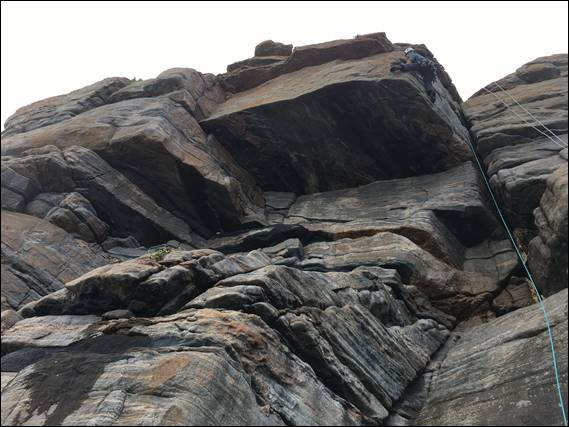
Since I put it up I cannot recall ever seeing anyone on it, nor have I seen any chalk indicating someone has been playing on it.  I’ve led it twice, and in truth it is a route that scares me but I didn’t tell Howsie that.  Where he has got to in the image above, you have to run out the gear on an off vertical wall with slopey holds.  It feel intimidating and pumpy and it is near impossible to see what is above you.  But Howsie enjoys a challenge, and while he battled against the route Nadia and Marnie decided it was time for a rest.  So they found a rock armchair to kick back on and watch the shows unfold above them:

Which Howsie performed in style, and not necessarily all in good style.  He dug very deep, taking at least four falls off the steep wall, and at times the strain in his face made it look like his head was going to explode.  Exhausted he finally conceded that he had to find another way up.  A traverse into and up the wide corner, was followed by a beached whale manoeuvre to make sure the delicate traverse back over the line was protected.  It was all a little comical and completely fitting for today, providing lots more fodder for the banter:

While all this was going on, the others cleaned the ropes and Steve and Marnie then went on to climb Orryjohn.  He had a mini-epic on the start of this route last time we were down, but today he seemed calm and collected.  It also seemed that Marnie’s arms had recovered from Glory and enjoyed another birthday climb.  The timing was great and we all met at the top.  There we found loads of people milling about all eagerly soaking up knowledge about climbing, as part of a training camp being run by the WA climbing association.  On the way back Steve and I reflected on the day and what stood out the most, and he was quick to reply with “the banter”:

Dangerous conditions

I’ve been watching the water after work each day and it seems that things have been clearing up a bit. Or so it seemed looking down at it from the road side and not taking the time to walk up to it. I was going to jump in myself but then Geoff and Nana told me they too were thinking of a dip this morning, but heading past the point where the reef was more substantial and interesting. No one else from the usual Peppy crew was available to join us, so the three of us drove out happy to see the calm conditions. Sure there was a bit of a swell but the surface looked glassy:

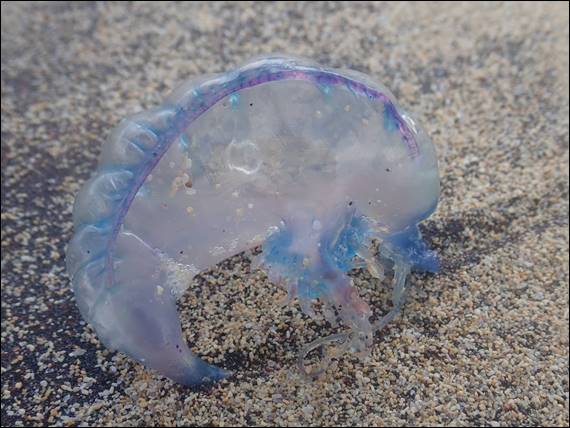
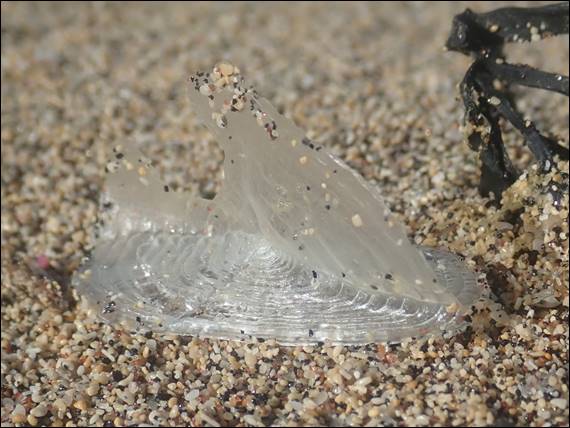
It didn’t take long to realise the water column was full of debris.  We have had lots of hot days with low currents.  Added to that the previous generally less settled conditions had been enough to rip the weed out, which was also floating about.  All this is leading to dangerous conditions, one in which plankton can start to thrive.  There are two types, phytoplankton and zooplankton comprising plants and animals respectively.  While I am not going to try and guess which one was evident today, the excess presence was obvious.  Slimy looking filaments were distributed through the water, the floating weed and jellyfish were coated:

We have an abundant source of light, so with calm warm conditions the last trigger required to enable plankton to kick off like this are nutrient levels.  Nutrients are flushed into the ocean via the rivers, and via groundwater, originating from many sources.  The main contributor in our local area being agriculture, with excess fertilizer application and animal waste leaching out of the catchment.  While the Capel River catchment has one of the lower nutrient concentrations compared to other catchments that flow into the Geographe Bay, with the current conditions it has been enough to tip the balance.  And whether this has resulted in increased phytoplankton, zooplankton, or gelatinous zooplankton activity the result is the same, low oxygen conditions:

Sadly, this too was obvious and I came across two herring gulping for air at the surface.  Fish will do this for, usually, one of two reasons.  Poor water quality or more likely today, based on the conditions we have had, there wasn’t enough dissolved oxygen in the water.  This results in their normal respiratory mechanism, of drawing water over the gills to extract the oxygen, is ineffective.  All we can hope is that the winds come in and help to generate greater currents. The movement of water will help to distribute and dilute the effect of the nutrients, reduce the water temperature and avoid pockets of low oxygen water:

We spent a fair bit of time looking about, and while there were a few fish about all three of us felt the reef seemed empty of life.  As such our dive today was not as long as it could have been.  The good news being that as we swam slowly to shore we spotted more life.  I came across a reasonable school of Australian Herring, Arripis georgianus (Valenciennes 1831).  These fish spawn here from April to June, and the Leeuwin Current then takes the eggs and larvae eastward towards the southern bays.  Here they spend about two years, after which the return as adults in February and March to start the cycle again:

Below are a fish that I used to spend a lot of time watching on the reef off my local beach.  Not a recreational fish, so most people wouldn’t be interested in them.  There is however something about the Western Gobbleguts, Ostorhinchus rueppellii (Günther 1859), that tweaks my interest.  I didn’t realise it before but they are paternal mouthbrooders, which means they protect their eggs and/or young by holding them in their mouth.  Quite a few fish are like this, including all of the cardinalfish family, which these fish are in:

I also came across a few King George Whiting, Sillaginodes punctatus (Cuvier 1829).  Not a fish that will normally allow me to get too close, but this one seemed okay with me popping down to say hello.  Punctatus comes from the Latin word punctum meaning spot or small hole, hence punctuation and puncture.  In this case it is thought to be due to the brownish spots along the fishes body.  This is the largest of the whiting family and can grow to approx. 70cm, but are more commonly found at half this size.  The ones I saw were no more than 35cm, but being a highly prized table fish I wonder if Geoff would have considered spearing one or two:

I spent a bit of time watching the above Whiting, due to how it feeds.  The snout is conical at the end of which is small mouth, from where the jaws can extend outwards.  The fish would bury the tip of its snout into the sand, and suck small invertebrates into the clutches of its jaws.  With each attempt to find food little puffs of sand would billow out.  It was both interesting and relaxing to watch it go about this process.  When we came in the water still looked great being flat and glassy, but underneath there were pockets on the cusp of becoming dangerously deoxygenated.  Fingers crossed the conditions change to prevent this happening:

Keeping cool

We were in for another warm day, and while we weren’t the first at the carpark we were the first at the crag.  The occupants of the two cars already parked up were still in slumber land as we walked in.  It’s been an abnormally hot summer, a record breaking one with more individual days over 40 in Western Australia than during any other summer on record.  Australia’s heatwaves are usually driven by high pressures lying over the Australian bight to the south.  This year this phenomena has been more regular and consistent:

In addition there has been a regular high pressure off the west coast, and this has at times resulted in the Freemantle Doctor not coming to drop the temperatures.  Normally during summer, a cooling sea breeze would coming in the evening to provide respite.  Locally known as the Freemantle Doctor.  Without this the place stays warmer overnight, and this repetitive pattern of warmer nights and hot days results in the whole place heating up.  What’s really interesting, and I knew this through work, is that heatwaves are Australia’s deadliest natural hazard:

More people die from heatwaves than floods or bushfires.  Despite that, so little is done to improve how we plan our cities and towns, or build our houses to reduce the urban heat island effect.  Where a bubble of hot air forms over the concrete jungles we insist on building.  While it would be warming up today, Ash and I were keen to have a chilled session.  A recent climbing accident of a friend of Ash had, understandably, knocked Ash’s confidence.  But he was still keen to keep climbing, so today was about helping him to rebuild his trad leading mojo:

There is of course only one way to do that.  Get on the sharp end and enjoy some cruisy lines.  Ones that won’t stress you out and allows you to reset your climbing mindset.  We jumped on the obvious well protected Glory and Hope, heaps of easy to spot and place gear.  As each piece slots in your mind can relax that bit more, and you feel safer.  I led and first and Ash jumped on the second, Hope.  He laced it up with stacks of solid gear.  After all if you are going to put it on your harness then you might as well use it, to save hauling it all the way up the climb:

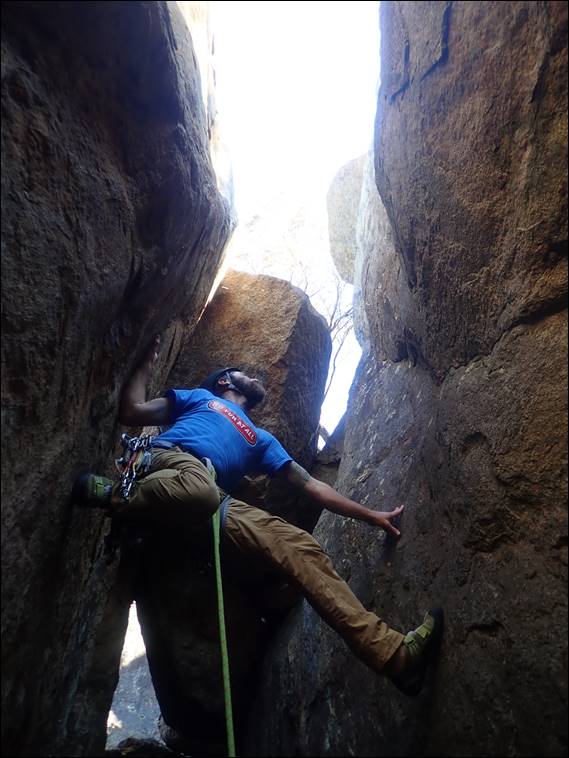
You might notice above that Ash not only had a harness full of hardware, but he also brought along his big gear.  I’ve only used a No.5 and 6 Camelot once, with Kym when I took on what felt to me like a brutal off-width.  Not big enough to wedge your body in or arm bar, but not narrow enough to jam with one hand.  But while I haven’t used them at Wilyabrup, it didn’t mean we couldn’t find a route or two for Ash to use them.  Orryjohn seemed a likely candidate, a wide crack at the back of a chimney.  Like his first lead he throwing the gear in at every opportunity:

Climbing with, and placing so much gear, can be time consuming.  But today was about resetting Ash’s mind, by cramming in and trusting the gear not by bagging lots of routes.  So far it looked like it was working.  Orryjohn was a big hit.  Ash was keen to get one more lead in and had his eyes on one of the big corners.  His choice of Fat Crack was out, due to a party top roping right next to it.  We had managed two routes before the trickle of climbers drifted in.  So we picked another one of the wide corners, Chockstone Chimney:

Ash romped up his third lead, placing less gear than the other two.  More so due to the ease of the route than anything else, but it was great to see him run it out a bit more with confidence.  To boot all of his big Camelots got used for a second time, and I wouldn’t be surprised if after today they are put back into storage.  The harness certainly feels a lot heavier and more cumbersome with them hanging off it.  Despite the rising temperature, I reckon we achieved our goal of enjoying the climbing and staying cool headed:

A long time coming

Being the last week of my go slow January, and due to having a public holiday in the middle of the week, I took Thursday and Friday off to really chill out.  It’s going to be a bit of a rude awakening next week, when it is back to the five days week.  But I am making the most of it before then, with a trip to Welly Dam on Wednesday; helping Craig to put the frame for his new shed up  yesterday; getting out with Howsie today and then tomorrow I’ll help Ash get his trad leading head back:
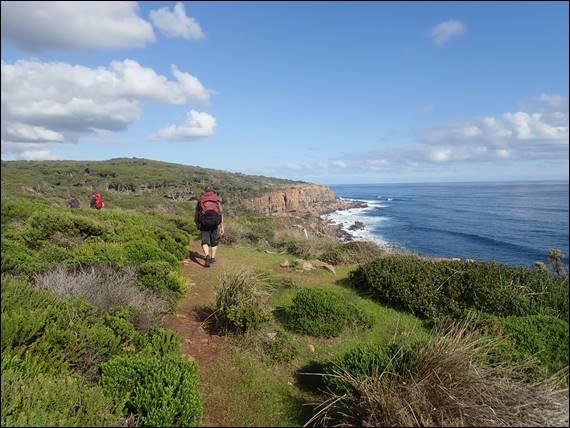
I’m not known for my love of the sun, avoiding the sun being a key reason for why I like such early starts for climbing.  But yesterday, helping Craig with his shed, there was no escaping it.  You could say I’m a bit of a wuss in that regard, I get really weary when I’m in the sun all day.  Therefore, it was a good job that today Howsie and I were visiting the Organ Pipes.  I could take it a bit easy, allowing Howsie to take nearly all of the leads.  In part, as I had recently been here with Mario but mostly because Howsie has not climbed here before:

He is like me.  He loves climbing for climbing sake, so I knew he would enjoy the at times more rambling style of routes here.  If you can forgive that they are good trad lines, with a good number awaiting Howsie to tick them off.  We started easy, allowing him to get a feel for the rock.  We had a rap line set up, and as many lines start from the same location we could throw the rope down.  It was quite fast paced morning.  While Howsie was loving lead after lead I was bidding my time, waiting for my chance:
After Howsie had enjoyed four very fun leads I decided it was now or never.  Time to once again battle my demons and attempt my long term project.  As I started the excuses began to enter my head.  The first four routes had been just enough to wear the initial layer of skin from my fingertips, and I could feel the sweat seeping out more easily.  It also felt like my arms where tired, did I get too much sun yesterday?  Then there was the anticipation of what was to come, runout gear, delicate balancy moves, and small smeary holds.  Only one point of contact needed to fail and I’d be off:

Despite all of those thought rattling about in my head I managed, finally, to get a clean ascent of The Reaper Man.  It has only been waiting for me to lead it since 2014, but I can’t see people flocking to repeat it.  We weren’t sure about the grade 19 or 20 but looking at my grade app I reckon a UK E2 5b/c is fair, so I’ll go with 20.  Seeing this route has been such a mind game for me I had to video it.  Whichever grade it really is, Howsie won’t need to climb it as part of his annual challenge.  The year of 20’s, 2020, has passed and I get the feeling he might be pleased about that:

After my one lead I was more than happy to hand the rope back to him.  The next few routes were not as hard but the grades, compared to his first four leads, were going up.  Two of which had reasonable runouts at the tricky cruxes in the upper sections, offering a long fall should things go amiss.  I could tell he too was getting tired, which was not a surprise.  Taking on lead after lead is mentally draining.  Also being new routes, for him, there is a tendency to hang onto holds for longer than necessary.  As you ponder what might be above, so it is also physically more demanding:

Three routes later, and only just over three hours after we started climbing, we decided it was time to wrap things up.  There are still a few routes here that Howsie will have to come back for; he just wouldn’t have had the energy to do them justice today.  While I am loving all this climbing, it is taking my time away from the water and with each passing day it looks like our local beach is really starting to clear up again.  Hopefully the clarity will be like it was before Christmas again, but I might not get in until after my first full week of work for a while:

Light as a feather

Australia Day means different things to different people.  Some see it as a celebration and some as sad reminder of when things went south.  For Steve, Rongy and I, yet another public holiday provided us with an opportunity to get away from it all, at least for the morning.  We instead immersed ourselves in the outdoors and, as you no doubt now come to expect, a bit of rock.  Welly Dam was on the cards and as I approached the area a group of five guys were furiously waving me down:

I don’t quite know how they managed to get any sleep, but the five of them had slept in their standard sedan sized car. During the process they had managed to drain the battery.  It only felt right to help them out, which I did before heading to the quarry via the toilets.  The gardens near the toilets, at the café, were alive with small birds.  What with three of us climbing I had brought my SLR today.  So I pulled my camera out and sat there for a while watching the birds, capturing the above Brown Honeyeater:

Honeyeaters are named for the obvious reason.  They have over time developed brush-tipped tongues especially adapted to be able to collect nectar from within the flowers they feed on.  While it was great watching all the birds, the one that had really caught my eye was the Variegated Fairy Wren.  A very dainty and colourful wren that is found in and around shrubs, as it feeds.  They don’t sit still for long, blink and they will normally have hopped away or flown off.  They rarely come out into the open, so it took me ages to get a good image:

The rock was however calling, and that was a stronger call than the bird song.  Rongy and I have been climbing here heaps, with our Friday morning sessions, so we handed the rope to Steve and said he could pick the lines.  After staring on Murky Corner he started to complain about not feeling fit, and suggesting he simply couldn’t improve his climbing strength or stamina.  Rongy and I nodded politely and offered him the rope again, which he gladly accepted.  He then romped up Raging Torrent, not really looking like he was weak or tired:

The five guys I had helped out with their flat battery appeared, and spent sometime in the quarry.  Their brought with them music, which bounced off the walls.  Normally this disturbance of the peace, and nature’s sounds, would niggle me.  But today it seemed ok.  The three of us enjoyed the change in ambience, as Steve then flew up Pocket Knife.  Rongy was kind enough to take control of belaying, as I ran about taking images and watching birds.  This wren had me a bit foxed, but I think it is an Eclipse Variegated Fairy Wren:

I’ll be honest and I didn’t know what this meant.  Google helped and the term eclipse is related to its plumage.  The dull “female-like” plumage, the internet’s words not mine!, is displayed by males for a while in summer after breeding.  Basically these more dreary colours eclipse the normally bright plumage of the male.  It is something ducks are normally known for.  However, other birds also go through the same process, including the Variegated Fairy Wren.  As Steve finished each route, we pulled the rope and both Rongy and I led the line, giving Steve enough recuperation time:

Next to fall was Welcome to Edges.  He confessed that he finds reaching and clipping the anchors mentally challenging.  He is not alone with that, but today he didn’t think twice about it and was soon coming back down to allow us to have a bash.  I really enjoyed flitting between bird watching, climbing and copious amounts of photography.  I didn’t however have the patience to wait for a better image of this Splendid Fairy Wren.  A species we see at home and, unlike the other wren, unafraid of open spaces.  But again one that rarely sits still:

Steve was keen for one more climb to end today’s session, and there were a few he had in mind.  Savage Sausage Sniffer was the winner, and finally I could see him starting to tire.  But despite taking two falls, the only ones today, each time he got back on he kept his cool and worked the moves with control and precision.  Afterward he accepted that maybe his earlier concerns about a lack of strength and stamina were probably unfounded.  In fact you could say he was a bit of a twinkle toes today, looking light as a feather:

A woolly head tonic

Hot, hot, hot was the forecast and while Rongy was keen to get out for a climb, he was also eyeing up the chance of jumping in the water for a snorkel afterwards.  So we decided on a quick climb at Smiths Beach followed by a dip in the ocean.  Even though we were planning on only a few routes we still decided to head out early.  The orientation of the faces at Smiths are such that the sun hits them early, and being a zawn it traps the heat.  As the weekend approached the crew expanded and Steve, Alana and Mario along with Jena and Luna planned to join us:

Seeing Mario was bringing his family, they intended to get to us at a slightly more reasonable time.  So before descending into one of the zawns, and in view that Rongy was feeling a little groggy, we headed to Murphy’s boulder.  My last time on these lower grade routes was with Howsie, and we both felt the grades were a little amiss.  I made no mention of grades to either Steve nor Rongy today and simple let them decide if the climbs appealed to them based on how they looked.  To say Steve was keen is an understatement, keen to put his rack of tricams to use:

Rongy then had to clear his head to lead the second short but fun line, which did appeal to him.  Despite not being 100% he still gave us a masterclass in jamming. And while he claims not to be that great at using jams, it is all relative.  Rongy recently put me onto an App to check climb grade comparisons, but I’m not sure I believe what it suggests for Australian to UK grades.  It indicates I regularly climb at the top of my ability and harder than I did in the UK, something I’m not convince about.  It has however been a long time since I was in the UK climbing, so it would be really interesting to get back there to check out how I go:

Grading is, and always will be, a messy business at the best of times.  While Steve was going well today his view of the difficulty of his route was out of kilter.  He felt his route was about a grade 14 (UK VS 4c), while Rongy and I felt grade 10 (UK VD 4a) would be fair, and way back when Craig and I first put the route up we gave it a lowly grade 6 (UK M).  All the more proof that you should pick climbs based on how they look on the day, and whether you think your headspace it up to it and you’ll enjoy them.  The sun popped over the horizon as we were finishing on Rongy’s route, so we wandered back towards the zawns and shade:

For my lead I was keen to jump on Crab Scuttle.  The last time I was here with Craig, Mikey and Howsie I couldn’t even start the route, so I was keen to redeem myself.  The last time I failed partly because it was wet, wet, wet making the moves super scary.  Today it was dry and while I managed the climb there is no photographic evidence.  Alana was sitting atop the zawn taking in the view across to canal rocks, the bay in which we were aiming to snorkel. It looked flat and calm, almost glassy, being protected from the wind.  Steve was belaying me and Mario was yet to join us, which didn’t surprise me:

When you have a family in tow it nearly always takes longer than you anticipate to get ready and out of the door.  As for Rongy, well he was nursing his head.  The reason for him feeling groggy earlier, and still, was self-inflicted overindulgence while listening to Triple J’s hottest 100 yesterday.  And to add to the madness of the world, which is frustrating people no end, there was a shock number one in the hottest 100.  This year’s 100 was selected from votes cast by 2.5 million listeners of the national radio station Triple J:

Who would have thought a song by the children’s group The Wiggles would ever be voted the best song by so many.  Maybe it is a reflection of the state of people’s minds, becoming addled by all the uncertainty created by COVID.  At least, as a result of his overindulgence, by the time no.1 was played Rongy’s ability to listen and realise what was happening would have been suitably dulled.  He did however have to sort his head out as we moved to the next climb.  Steve was unable to get up Deceptive Looks, and there were also statements made about it also possibly being deceptively graded, and he needed Rongy to finish the route off:

The reason I didn’t offer was that Mario appeared, so I was belaying him up the Billowing Sails.  He has only climbed here once and found the rock gritty and the gear tricky, in his words he wasn’t keen to come back.  Something I have heard quite a few people mutter.  But he loved this climb, and it offered everything my words in the guidebook said it would.  Great climbing and an outrageous position, and with the good gear the route offers I think I might have swayed his previous less than positive thoughts of the place.  The wind was picking up resulting in the water starting to roughen up, so it was now or never for a snorkel:

However, before we walked out we offered Mario one more lead.  There was only one wall still in the shade, so he decided on Sir Lancelot.  A steep wall with not so big or positive holds.  It requires delicate balancy moves, and at times the available gear placements make you wish there was better.  Hopefully, this line, which seemed to unnerve him a little, didn’t cancel out the positive thoughts that the previous lead had instilled in him about the climbing at Smiths Beach.  I didn’t ask and will just have to wait and see if he is keen to join us next time we come this way:

It was now time for Rongy to fully clear his head, and there is nothing like going for a snorkel.  The feeling of the cool water and relaxation of floating, could only result in him starting to shake his woolly head and general lethargy.  The water on the west coast, from where there is nothing but the Indian Ocean, is cooler than the water in the protected bay of where I live.  It still felt great and to boot the clarity was also good.  The wind had picked up but hadn’t yet swung round the headland of Canal Rocks.  So the bay straight off the boat ramp was still calm:

Jena and Luna joined us, and they headed with Mario to the small sandy beach.  And Steve wasn’t feeling it, he’d enjoyed the climbing of the morning but wasn’t inclined to get into the water.  It was only Rongy, Alana and I that started working our way round the bay.  Exploring the bommies, separated by beds of weed.  I really need to come here more often, there was so much life.  The above Western Seacarp (Aplodactylus westralis) was one of my favourite finds, even though it slunk into a crevices and refused to come back out.  But before then it looked majestic when it fanned out it’s ample and brightly coloured fins:

While many fish didn’t mind our presence, some were a little more cautious.  The above small green leatherjacket, if you can spot it, is a fish I have come across before.  I have not however been unable to identify it.  In view that I have got nowhere after trying every possible search I can think of, I can only conclude it may be a juvenile.  Below is a fish I can’t recall seeing before, a Sea Trumpeter (Pelsartia humeralis).  This one is easy to identify and it is the only species of the trumpeter family that has vertical bands, with all others having narrow horizontal stripes:

My second favourite find has to be the Blue Lined Leatherjacket (Meuschenia galii).  I came across a few of these and had better images than the one below, but I really liked this photo with it is long probing head peering at me from under a rocky cave.  It is a fish that is sexually dimorphic in colour, making the males and females harder to distinguish.  They are similar in pattern and colour with the only difference being that the females do not have a bright blue edging on the caudal, or tail, fin.  As such, I was able to confirm that all three of these fish that I spotted were female:

While my wetsuit kept me warm, the wind was turning and the water in the previously protected bay was starting to roughen up.  Not so much as to force us out, but it was a sign that maybe Alana and I should head back to shore.  As we headed back towards the beach, next to the boat ramp, I spotted two small Southern Calamari Squid (Sepioteuthis australis).  Not as small as the ones I found of Bunbury, but still worth following back out for just a while.  Rongy who gets cold much quicker than us had been out for some time, and while still low on energy I’m happy to report he was feeling much more refreshed: