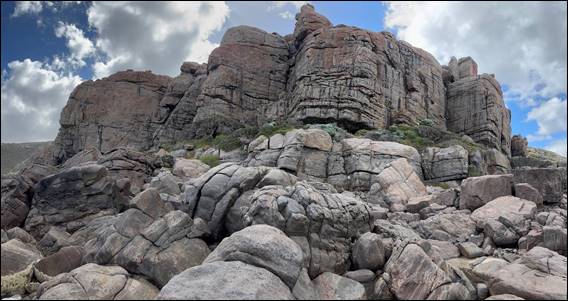
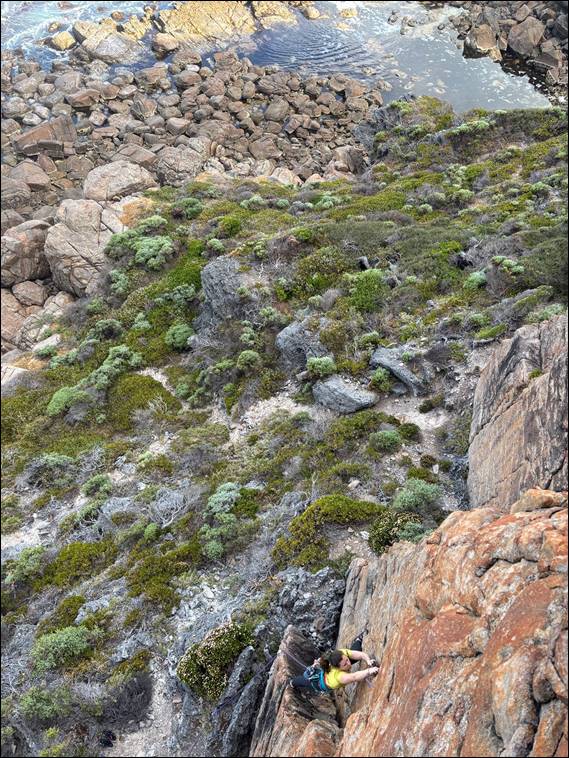
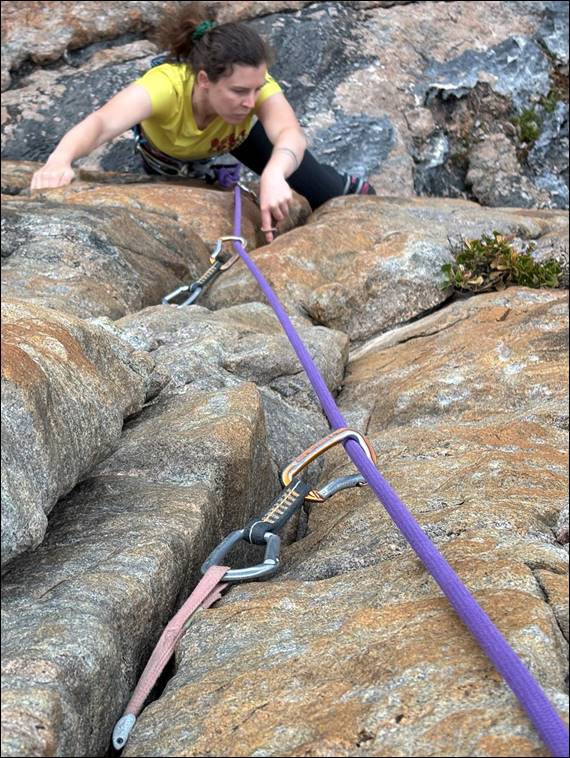
The call of social duties dashed any opportunity for a morning on rock this weekend. I may have only been back to work a week, but have however packed in some pretty long days. As such a sneaky trip out with Jessi this morning, before hitting the computer to get back to the grind, was very welcome. There are a bounty of places that she has yet to experience and while we may have come to the hallowed Wilyabrup, the bigger walls here were not on our radar. Instead we diverted towards the Organ Pipes, for more ‘being sensible’ low grade fun:
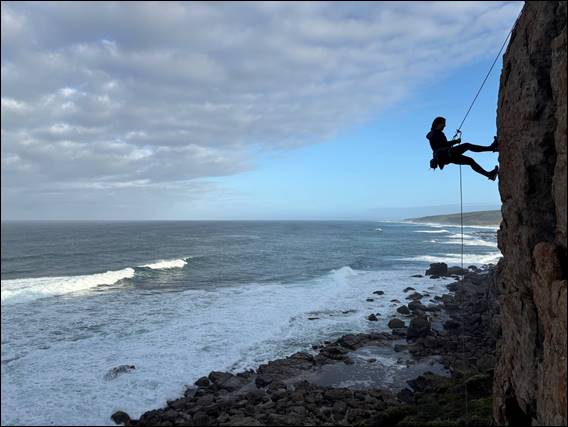
In the late 1700s older or injured soldiers unfit for active field duty were referred to as ole fogeys. Often assigned to garrison posts or recruiting duties, which more suited their physical abilities. In 1779 during active duty in the war of American independence Captain Francis Grose was wounded and became an ole fogey. Returning to England after sustaining his injuries where he spent two years as a recruiting officer. The term first appeared in print six years later in the Classical Dictionary of the Vulgar Tongue, written by Captain Francis Grose himself in 1785:
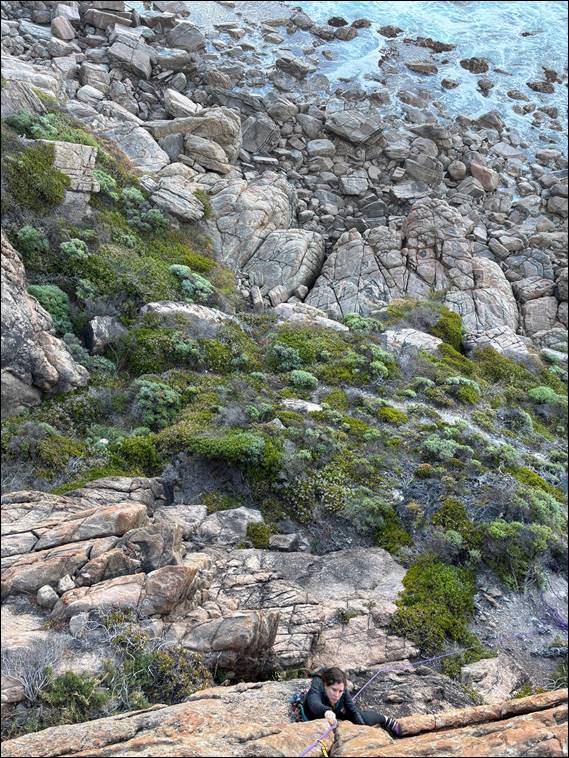
Jessi and I could be considered ole fogies, a term that is used synonymously with ole fogeys. Relegated, by choice, to these lower grade routes to avoid aggravating injuries. During the morning checking in with each other, asking ‘how’s the holding up shoulder’ and ‘is your knee ok’. Admittedly this was mostly due to Jessi’s shoulder. Although I confessed early on that my long morning walks in England had aggravated and setback my knee rehab. After all there would be no hiding my, at times, very purposeful movements from her watchful eyes:
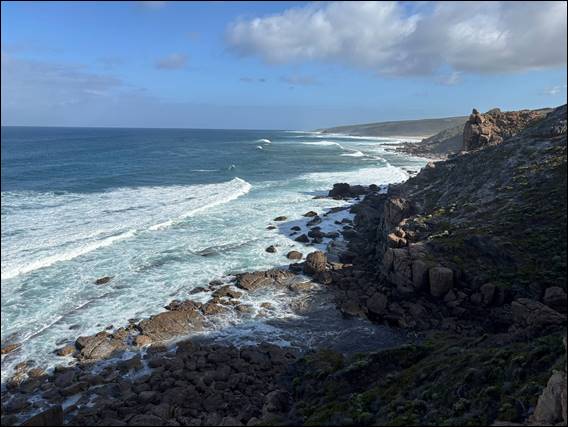
In the 1800s the use of term started to shift and was used to refer to people who are considered as out of touch with modern times or set in traditional ways. Richard Brinsley Peake first used the term in this way in his 1823 two-act comedic stage play called The Duel, or My Two Nephews. Again quite apt for today’s completely trad crag. And while we may have both dabbled in the dark arts of sports climbing and on occasion been known to go pebble pinching, i.e. bouldering, trad climbing is where our roots lay and remains our preferred style:
This new meaning became more commonly used during the 1860s, although later in the same century another term was fashioned, being young fogies. In 1899 William James used this in Talks to Teachers on Psychology; and to Students on some of Life’s Ideals. This was a collection of public lectures on educational psychology and the philosophy and conduct of life. One of which suggesting ‘Old fogyism begins at a younger age than we think. I am almost afraid to say so, but I believe that in the majority of human beings it begins at about twenty-five.’:
Young fogies referring to people who took on the appearance, opinions and manners of their seniors. It was probably more apt to the older days, but definitely not so much these days at least not in western society. Fading from use over time, it did however have a resurgence in the 1980s during Margaret Thatcher’s first period in office. Used to refer to a particular brand of young, and eager to please and impress, conservative politician. Both terms still exists but are rarely used. Safe to say the second more modern fandangle version, definitely does not apply to either of us: