It’s been a while that I have suggested you grab a cuppa before starting a post. It is probably however worth it for this one. A rather extended post for a very long overdue trip. One Howsie and I had been scheming for some time now. Unfortunately, something unavoidable came up just days before we were due to head off. This resulted in me driving out solo on Friday, while Howsie had to tackle some deconstruction works that had to be completed by the end of the weekend. I was heading east, aiming to take in a few stops along the way:
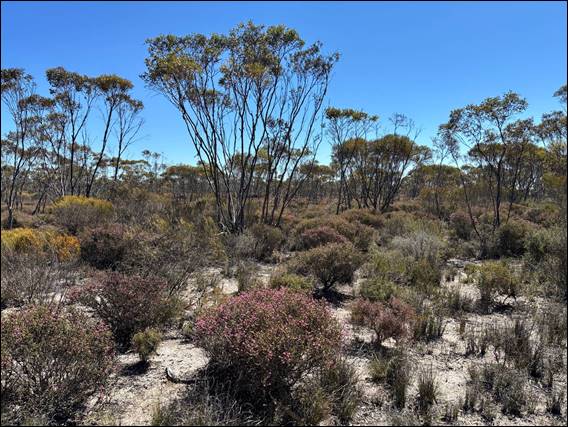
Especially seeing I was going to places I would not normally get the chance to check out. As such I did bit of research into potentially good orchid hunting grounds. All up I had a plus five hour road trip ahead of me, and was keen to get some mileage under my belt before the first stop. Also because I wanted to get stuck into the areas that were bit further away, which if I was lucky would yield some new finds for me. There was absolutely nothing to see at the Chirelillup Nature Reserve and my hopes dwindled:
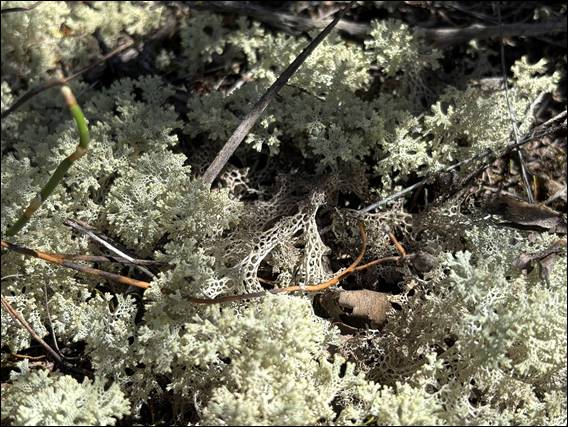
I knew it was a bit late in the season. My research had told me that. Being probably a month past the prime orchid period for this area. Persevering, it was onto the Toompup Nature Reserve where there were again no orchids. I did find the above Coral Lichen (Pulchrocladia ferdinandii), one of the largest and most visually distinct lichens in the region. Obviously named for its visual appearance, with delicate lattice like structures. I also liked the below Blue Tinsel Lily (Calectasia grandiflora) one of eleven species in the genus Calectasia:
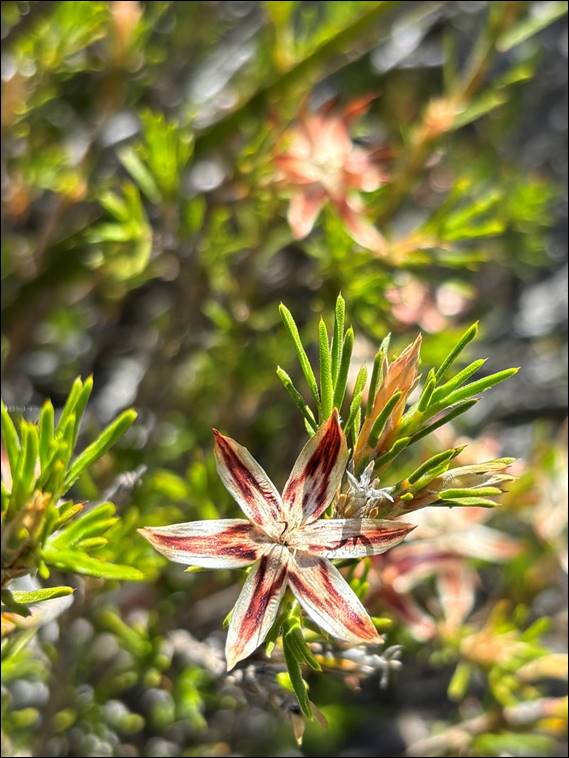
The six petals of this dainty flower are blue to start, but turn red as they age. As can be seen I was too late to see these in their full glory. Next the East Warperup Nature Reserve was also lacking in orchids. Everything felt incredible dry, and the sun above also had some bite to it as it inched into the high twenties. So when I crossed the Gairdner River, where water was trickling down, I took five to have a look. It has a single large tree on the bank, under which a local elder believes his ancestors are buried. It was a place to tread lightly and respectfully:
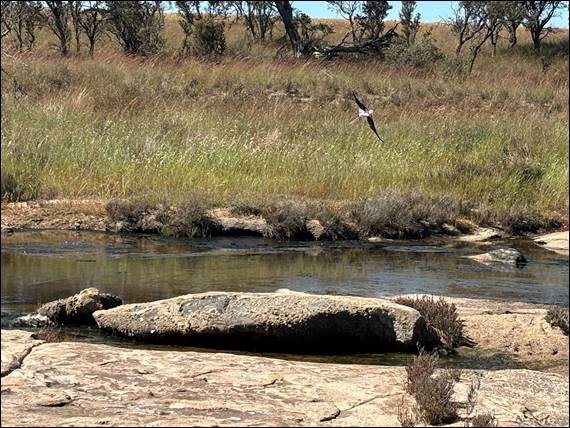
As the banks were covered in pasture grasses and weeds I didn’t even bother looking for orchids. Several waterbirds however kept my attention, mostly a small flock of Pied Stilt (Himantopus leucocephalus). They seemed to individually build enough confidence to fly close to me, land for a bit, and then noisily fly off. The next stop was planned and called the Jacup Highway Park. A short distance up the road from where a bridge crosses a river that is the name sake of my ultimate destination. The Fitzgerald River also had water flowing:
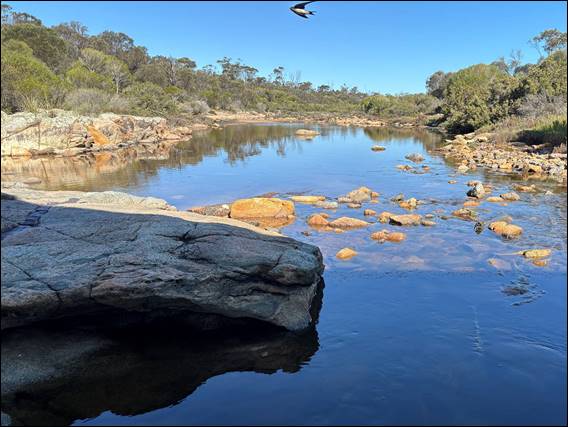
And this time I sat in the shade of the bridge, watching Welcome Swallows (Hirundo neoxena) ducking and diving catching insects above the water. I had a good feeling about this place, but couldn’t figure out why as I searched the banks with an unhealthy amount of weeds making it hard to see anything. Then finally I found, as Verity recently said, ‘just’ a Dragon Orchid (Caladenia barbarossa). Well three close together and they were the only ones I could see. The species name Barbarossa, means redbeard in Italian, likely due to the labellum colour:
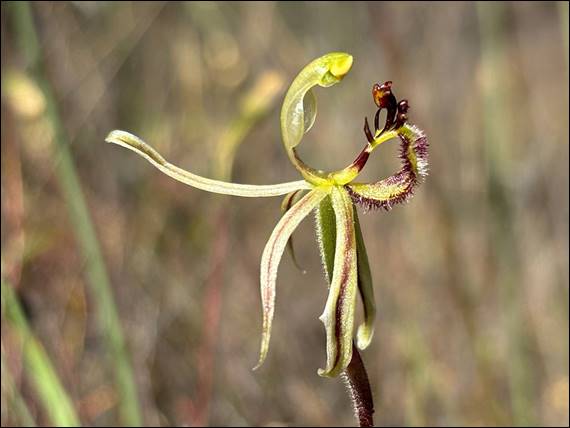
While I have seen these before, it has not been for many years because they don’t grow in my local area. As such it was great to see them again, with their quite a unique structure compared to most other orchid species. Not far from these three little gems was a single Rufous Greenhood (Pterostylis roensis), a first time find for me. This specimen looks to be close to its most westerly range, which is some 350km east of where I live as the crow flies. The name come from the Roe Botanical District of Western Australia and a Latin suffix ensis:
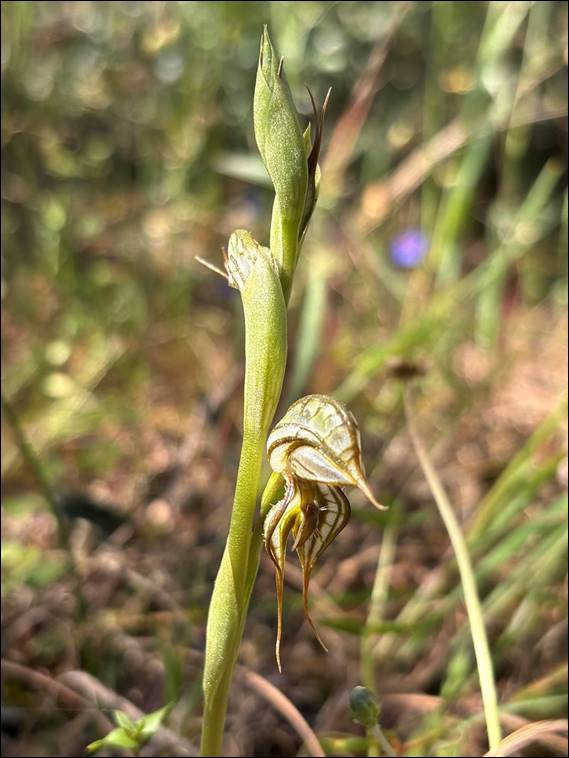
I hadn’t heard of the Roe Botanical District before. It covers approximately 74,000 km2 of southern Western Australia. Defined by Eucalyptus Tree species that grow to 10m and have multiple stems, called a mallee growth form, it is also known as the Mallee biogeographic region. One of 89 bioregions across Australia. The Latin suffix that is added to Roe means origin, residency, or belonging to a specific place. Not that this orchid is found across the entire bioregion. It only has a range extending to a several thousand square kilometres:
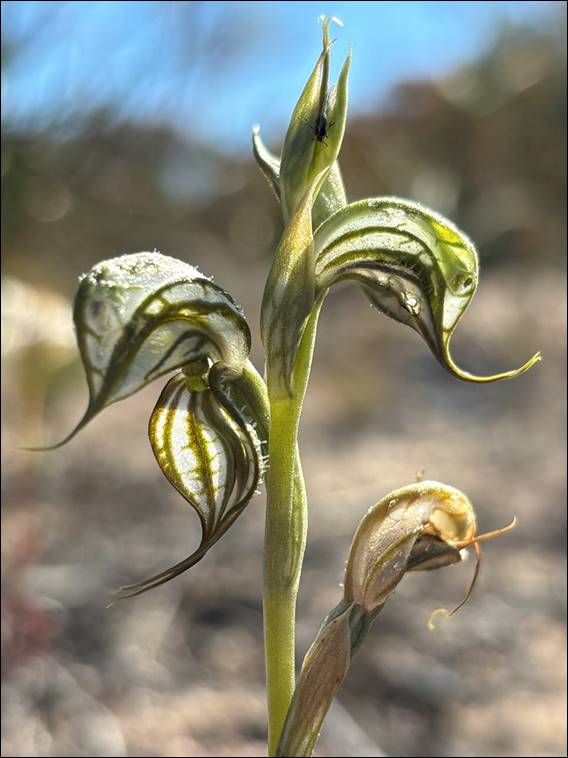
I found lots of the above, which I believe to be the Ravensthorpe Rufous Greenhood (Pterostylis leptochila). This one has a range of approx. a third of the Rufous Greenhood, and again was a first time find for me. The species name leptochila comes from two Ancient Greek words Leptos and Cheilos meaning fine, small, thin, slender, or delicate and lip or rim. Translating to narrow or slender lipped, which refers to the labellum that has retracted in the above specimen. Next the Koornoog Nature Reserve went back to having nothing to see:
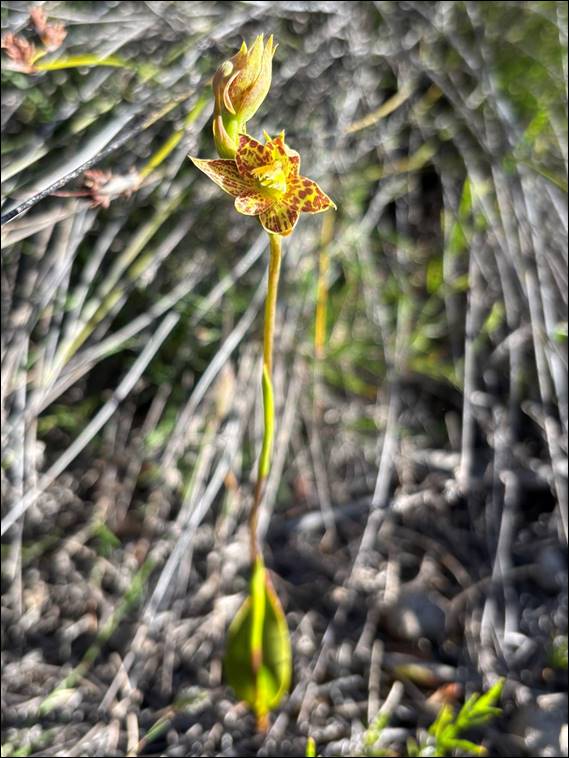
Well that is not entirely true, it did have lots of sun orchids that refused to open despite the hot sunny conditions. Moving along I decided to try my luck at a random road side parking spot. Here more sun orchids doggedly remained closed, but there were also heaps of Common Mignonette Orchid (Microtis media) as well as, sadly, South African Weed Orchid (Disa bracteata). This was the first and only place that was also infested with mosquitoes, so I didn’t hang about too long to snap the above Leopard Sun Orchid (Thelymitra benthamiana):
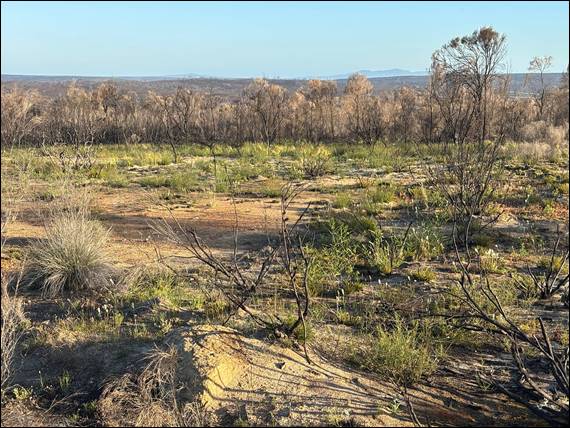
Getting very close to my destination I passed a big expanse of bush that had been burnt. Fire can bring some species out and I was endeavouring not to stop again, as I was getting close to the time that I said I would arrive. But I stopped anyway at the Kukerarup Memorial. A place to remember the near three dozen Aboriginal people killed approx. 135 years ago in the early years of European settlement near Ravensthorpe. Another place, as the signs said, to walk round quietly and soak in nature. And marvel at repeat find orchids from the previous stops:
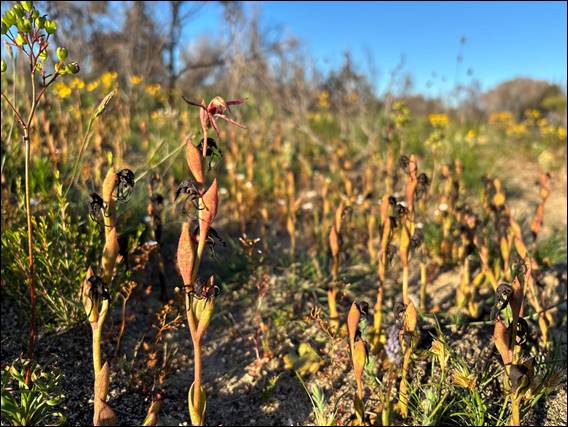
Then there was the above. I see so many Red Beak Orchid (Pyrorchis nigricans) basal leaves, but they are renowned for rarely flowering. If you are lucky one plant may bloom, and I have only ever seen one do that in my local area. This is however an orchid that will come up in numbers after fire, and here it did just that. Thousands of plants, and I could only find this one with a single flower that hadn’t blackened and shrivelled up. It would have been an incredible sight several weeks back. But I could hardly complain, with everything I had found:
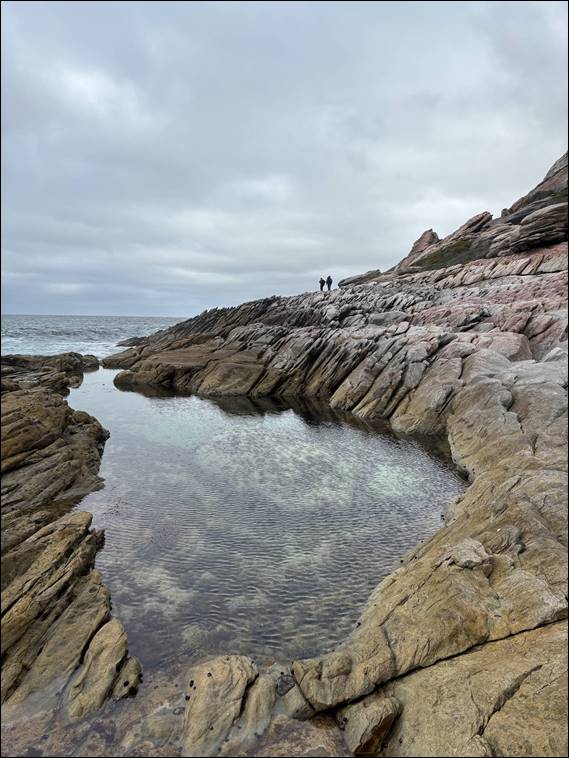
The last leg of the drive saw me roll up to Kym and Meg’s home in Ravensthorpe, where I was given the same warm Hartley greeting I have always received. That is despite not having caught up with Meg, Tess, Claire, and Beau for three years now, almost to the day. That was when they lived in Albany, and while this is my second trip to climb here last time Howsie and I stayed at the Hopetoun caravan park. As such we only got to catch up with Kym during our daytime forays in search of first ascent glory. Something we hoped for once more:
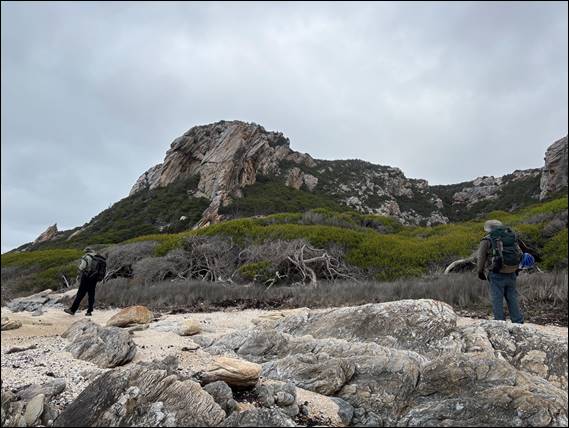
It was lovely to catch up with the whole family, and that evening we sat round the table to enjoy a hearty meal. While Howsie wasn’t able to make it, Jim had driven over from Albany. Someone else I hadn’t caught up with for ages. Making it feel like an Albany reunion. There is an early riser in the household, as such they tend to crash a bit earlier than most and this suited both Jim and me. Next morning there was more chitchat, but as the family is growing up, there were not the requests to read just one more book or to hang about just a bit longer:
The last trip here was just over a year and half back, and at the end of the second day we had all spied a pillar. And since then we have all wanted to get back to it. This was where we headed for this time, with no idea of what it may hold. While it had been so long between visits, walking along the coastline it really didn’t feel that way. The vegetation, rock, and landscaped all seemed familiar, which I feel is a good thing for the mental state once we were to tie in. When we reached the pillar, we stood on the coastline to admire it for a while:
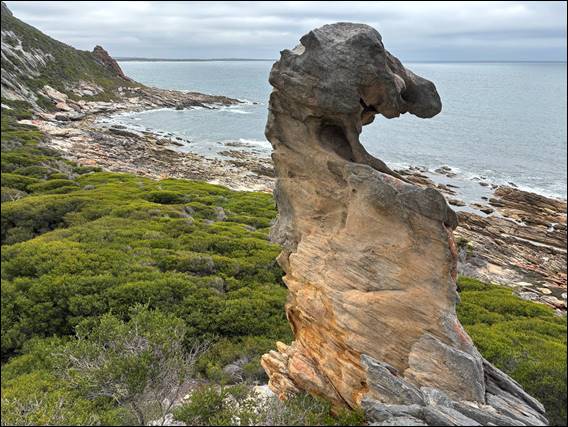
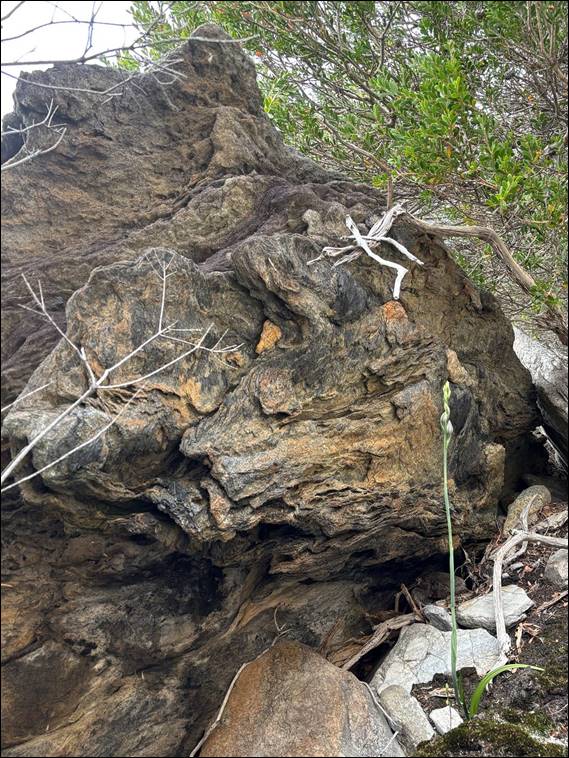
It wasn’t too far up the slope and we thankfully found an easy path to get to it. Two images up and at the base, there was yet another sun orchid with its buds clammed shut. It stayed that way the whole day, but unlike the others I’d seen on the drive down this one had a single thick, broad, leathery leaf. Making it easier to identify as a Scented Sun Orchid (Thelymitra macrophylla). While both Jim and Kym also marvelled at the find, it was not the reason for coming here. Once we agreed there was a reasonable line to follow, we got ourselves sorted:
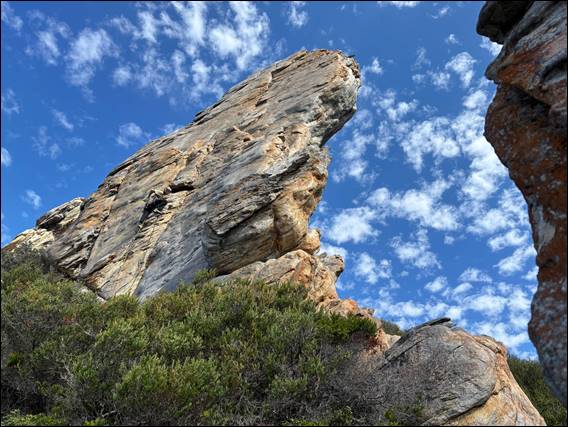
From below the upper wall was out of sight, as such we decided to break it up into two pitches. Offering the pointy end to Kym, who hadn’t tied into a rope since the last time Howsie and I came down. As such nerves almost got the better of him. Good rock and gear placements helped calm his nerves, as he made his way up to an ample belay ledge. Jim went up next, taking no time to eat up the delightful start that really did not disappoint. Above there was a stellar looking crack line with a capping rooflet that was impossible to read:
Climbing on twin ropes and with three of us, there was a bit of mucking about to be done. Jim was on belay duty, as Kym sorted myself out to get the drone airborne. Both were more than happy for me to step into the unknown, which looked like it may be a bit tricky. Footholds were at times scant, other than for the crack. A crack that offered wonderful jams, and gobbled up gear. It was so good and then, a body length below the rooflet, the crack closed right up. It took a bit of time to figure out the best way to go, and quite a few deep breathes:
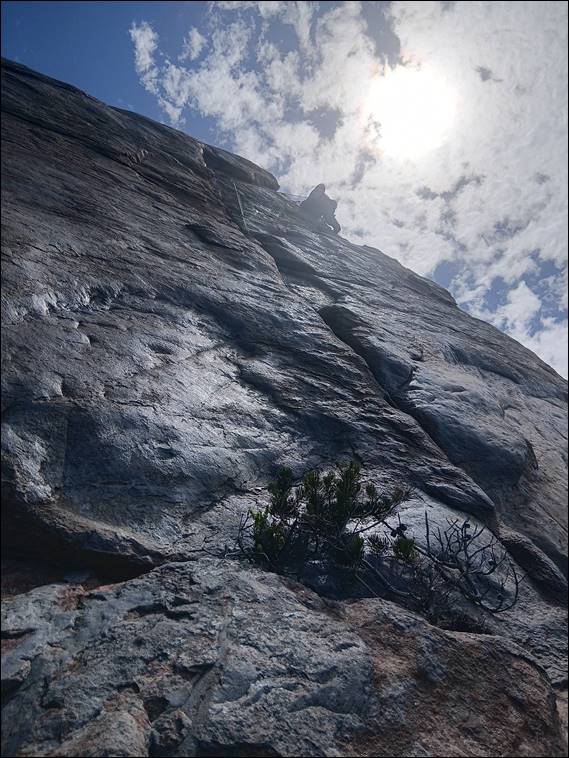
Needing to delicately step right onto the slab, with just friction for feet and not much for my fingers. A bit higher up inverted flakes of unknown quality held promise of providing gear, which after committing to move up to I gingerly placed and tested. It was sublime, or maybe I was being biased because it was an on-sight first ascent. However, both Jim and then Kym raved about it as they followed up. A brilliant line made even more special when we had a celebratory fly over by twenty plus pelicans, which how we came up with the name:
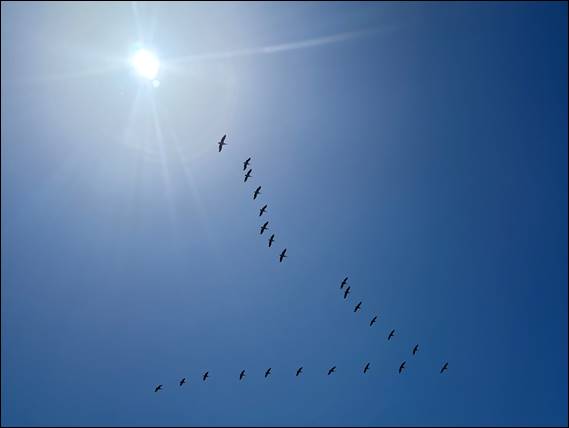
The Pelican Brief (30m, 17). While stars to advise the worthiness of a route should not be given without repeat ascents to confirm the status, we all agreed this should be right up there. Great rock, awesome gear, thought provoking moves, and you couldn’t ask for a more spectacular position. Time to descend and grab a bite to eat back on the rocks by the coast. Trips like this are not about bagging lots of meterage nor routes, we slow down to take the setting in and marvel at just how lucky we are to be here:
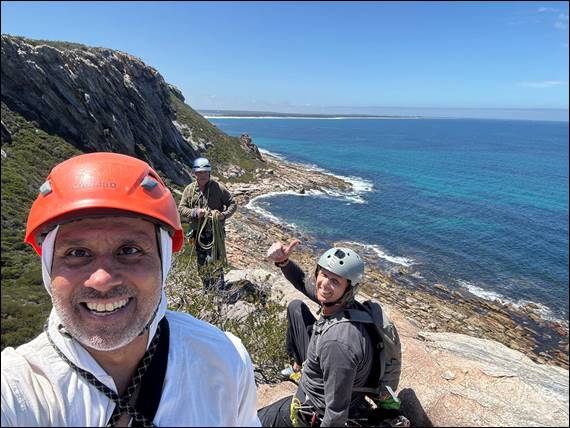
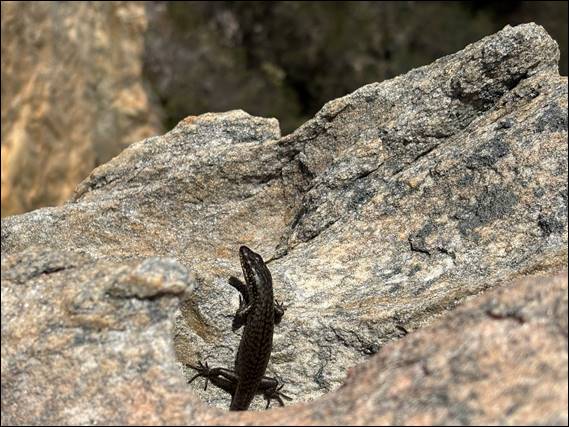
Scrambling back down, a Southwestern Crevice Skink (Egernia napoleonis) poked it’s head out to see what all the commotion was about. It certainly didn’t seem to worried about us, and kept sunning itself on the edge of a very big drop. Back by the ocean we had a relaxed lunch, before wandering further down the coast to explore what may lie ahead. A few maybes but too far away to be sure or walk to with the sun high up and starting to bite. The gear was still at the base of the pillar. Left there as there was a possible second line on left hand side:
Jim had done amazingly well to get a clean ascent, it had been a pretty stiff opposition for him. His back was complaining a bit so he decided to play it safe and opt out of a second route. Kym was kinda sitting on the fence. If I had suggested splitting the route up again I’m not sure he would have taken the offer, and we may not have given it a go. As such I racked up and went for it, savouring every move and every gear placement. The lower wall succumbed to a beautifully featured crack, while the upper wall was guarded by a hand traverse:
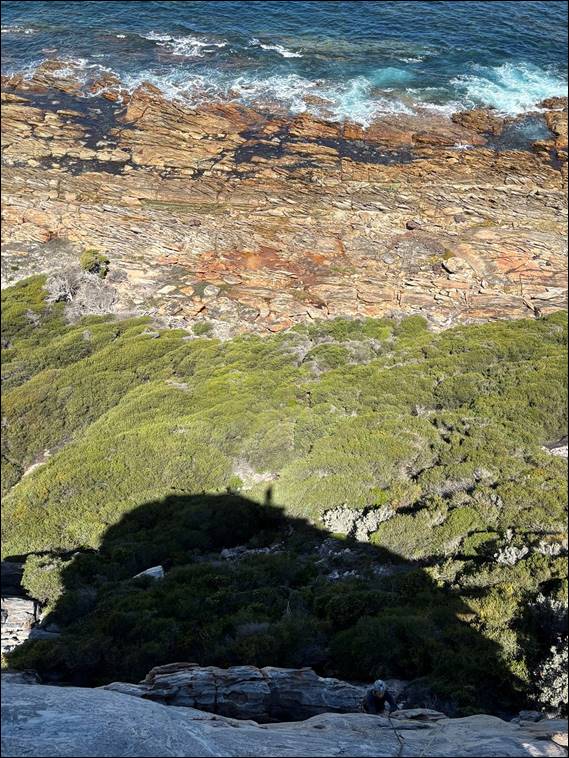
This lead to a mantle, before more delicate slab work was required. Again the rock was solid, the gear was there when you needed it, and the line had very enjoyable and varied moves. It was nicely consistent at the grade the whole way up, offering another climb that if it had been in a popular location would undoubtedly see lots of accents. As Kym came up he said he was so happy I had climbed it, and that he’d loved it. Only then pointing out the whale that he’d spotted as he was belaying me. You might just be able to see the blow in this image:
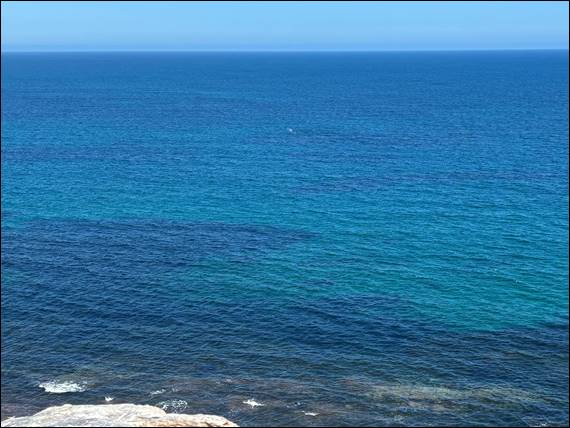
After that it disappeared under the water and we never saw it again. Giving me the idea that a good name would be The Hunt for Red October (30m, 14). Film buffs will get the connections. Two perfect climbs named after two great films from the early nineties, as such a fitting name for the crag would be The Big Screen. Not that it will ever get an audience, as these climbs won’t be recorded anywhere else. The Fitzgerald National Park is to ecologically sensitive to encourage climbing, it is a location for those with an adventurous spirit to explore:
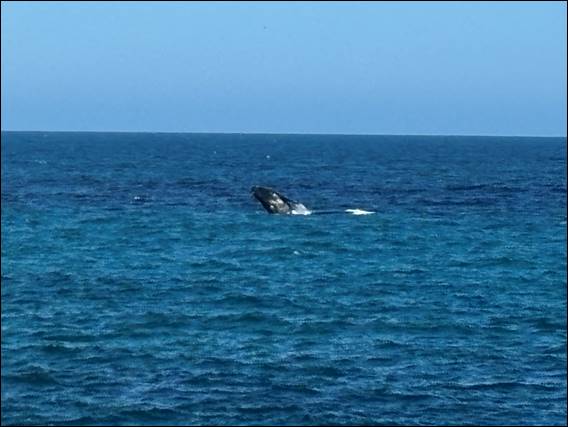
Not just a place just to come and bag routes. Making our way back down for the last time, we sorted the gear and made ready for the walk out. Part way along a mother and calf Southern Right Whale (Eubalaena australis), we could tell by the blow pattern, played close to shore. Giving us the perfect reason to sit down for a while, so we could enjoy the show. The walk out felt hot and while it was so tempting to jump in the ocean for a cool off, we needed to head back to Ravensthorpe, freshen up, and catch up with the Hartley family:
That night we had a pub lunch, a great way to have a good feed and not have to worry about cooking or clearing up. Sunday arrived and there wasn’t such a sense of urgency to get out the door. While Kym has not tied into a rope for eighteen plus months, he had been exploring and found lots of boulders to play on. We passed quite a few on the coast on which he has done some impressive problems. But Jim was keen to try his hand at some easier lines, and Kym had just the place in mind. Not far away and with only a ten minute walk in:
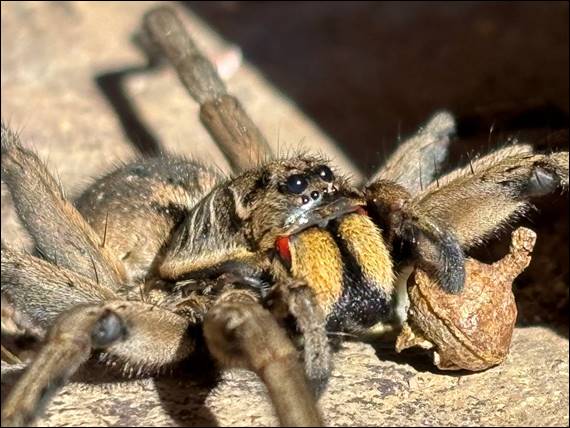
Bouldering is not a form of climbing I usually engage in, but a plus factor is there is limited gear required. As we sorted through what we needed a Wolf Spider came out, one of some 160 species found in Australia. There are a couple of genus in the Lycosidae family, this one being in the Union-Jack Wolf Spider genus Tasmanicosa. A name it gets from the distinctive pattern of light and dark radiating lines on its carapace, which is partially hidden in the image. I’ll go further and suggest this was specifically a Garden Wolf Spider (Tasmanicosa godeffroyi):
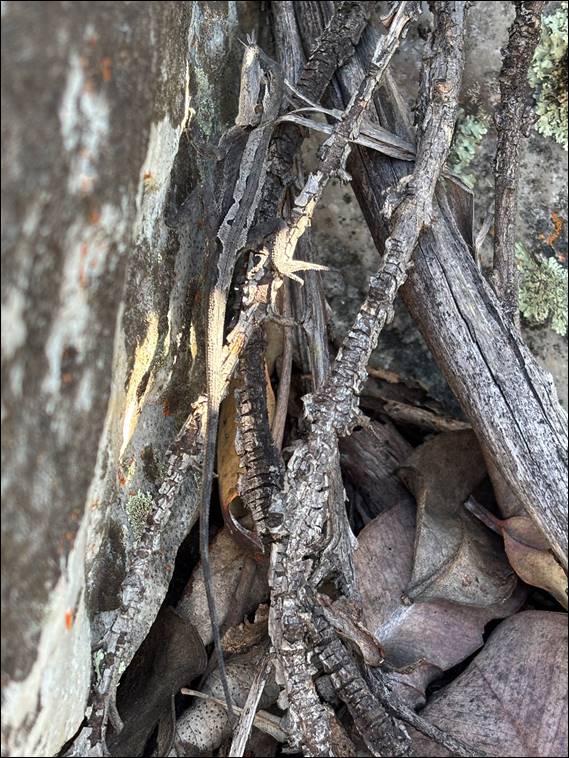
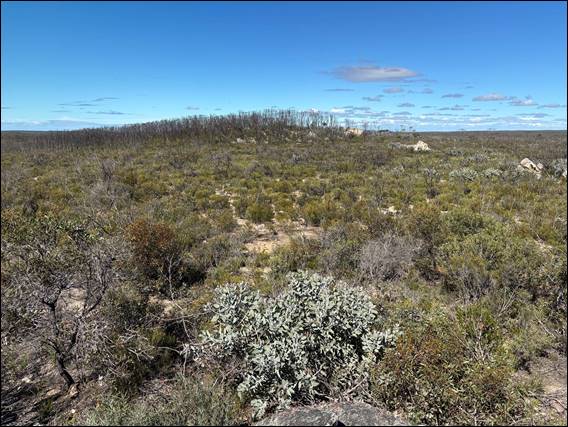
Being the most common species and found across Australia both in woodlands and suburbia. Two images up you can make out the boulders that we were going to walk to. Keeping a careful eye out for reptiles, as the sun was already up and feeling warm. There were no snakes, sadly, and I only managed to find one Western Bearded Dragon (Pogona minor subsp. minor). One of three subspecies found in Australia. A few spiders were about, but they didn’t hang about long enough for me to see them properly, let alone take an image:
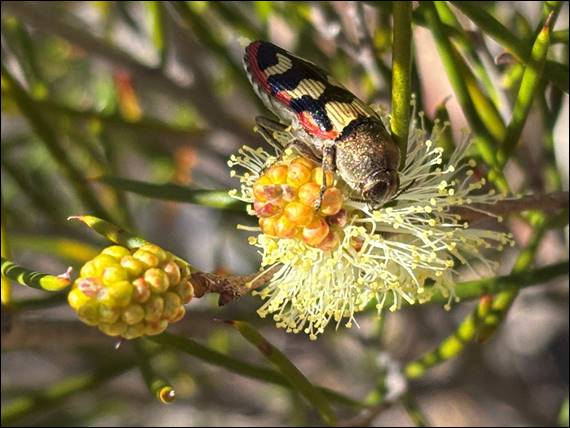
I did like the above Jewel Beetle, one of 1,200-1,300 species found in Australia. The largest Jewel Beetle genus is Castiarina with over 450 species. As such they do not generally have a common name, and most are merely called Jewel Beetles. This one is a Castiarina simulate. This species is said to have a preference for the nectar and petals of flowers from the myrtle family Myrtaceae. This one is feeding on Melaleuca pomphostoma, which is confined to the Ravensthorpe district and the eastern end of the Fitzgerald River National Park:
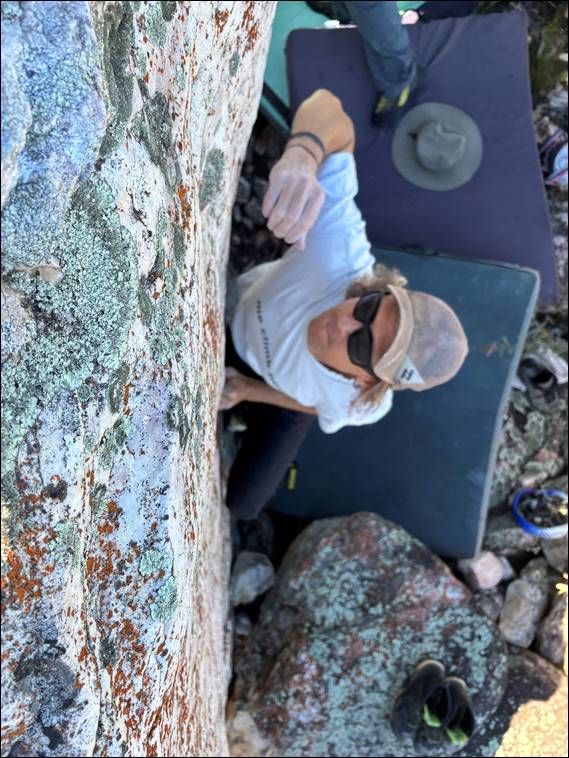
While I was busy checking out the local reptiles and insects, Kym and Jim were already chatting about problems and preparing for day two of touching rock. Bouldering is a far more powerful and explosive form of climbing. The problems tend to be relatively short and high intensity, as such warming up and resting is an important part. It is easy to go hard and fast, leading to injuries. It’s a bit like climbing/bouldering on an indoor wall. I have been guilty of doing that without rests to a point that I have managed to injury myself. Several times:
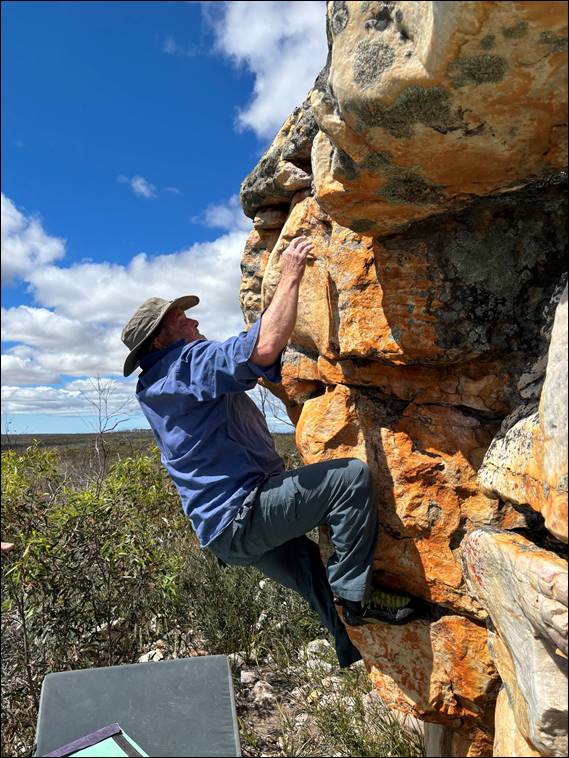
The routes today were pretty short, with big holds making it a more forgiving experience. Another issue with bouldering is that often a group will head out. Placing crash mats all over that ends up damaging the vegetation. The scrub here is already sparse. Making it easy to both walk to the boulders and placing the mats with minimal impact to the vegetation. We visited several of the boulders, and did heaps of lines resting in-between to have a drink and a bite to eat. But there was little escape from the sun today, so we knew we wouldn’t last long:
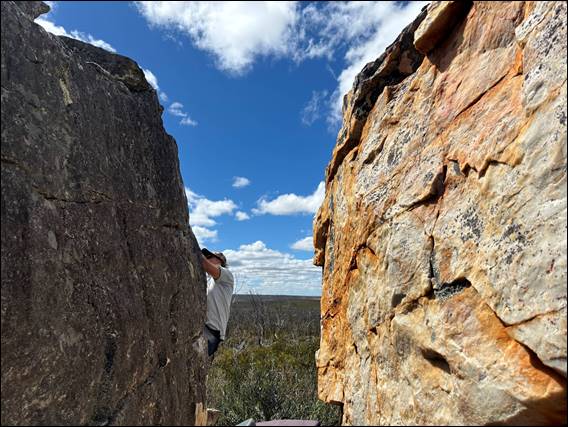
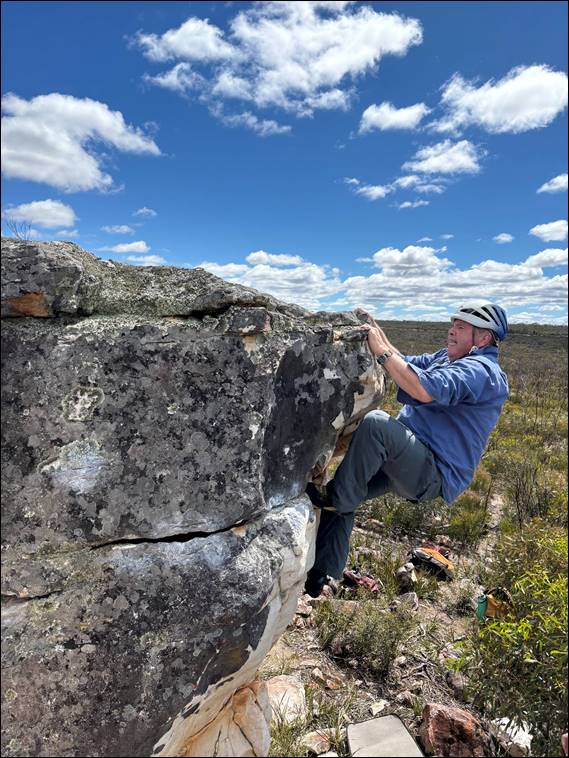
Long enough to get on a heap of fun problems, none of which gave us too much of a scare. I was probably the only one that didn’t like a particular top out. A large wobbly flake on top of one boulder gave me the heebie-jeebies when it moved. Granted it was extremely unlikely to move, but I still decided to find another path. There was enough to keep us occupied for about two hours all up, which felt more than enough. Packing up the gear to head back to the car we did have to be careful not to have picked up any hitchhikers:
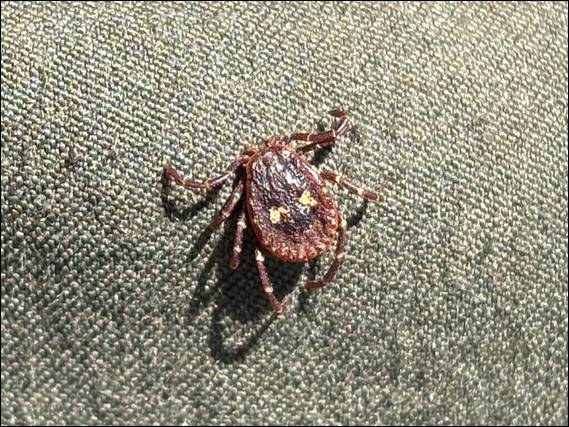
The below Ornate Kangaroo Tick (Amblyomma triguttatum), was endeavouring to get a purchase on my trousers. I found another one that was moving surprisingly quickly as it kept heading for me. They usually hang off a twig or similar with front legs out, opportunistically waiting to board a host. This species of tick also have a sensory pits on its front legs and can detect carbon dioxide, body odours, and changes in moisture and humidity. Allowing it to track a host. This one at least got given the flick, before we headed back for a cuppa:
Seeing we had wrapped up reasonably early. I took advantage to get home a day early, after a quick bite to eat and a cuppa. Leaving Kym and the family half a day of the weekend to do something fun, and telling them I’ll visit again and hopefully not leave it quite as long this time. Before going they showed me some images of a place that looked really good, which was on the way home. Due to the time I ended up leaving that spot for next time, but did drop into the Pallarup Nature Reserve which looks to be right next door to it with easier access:
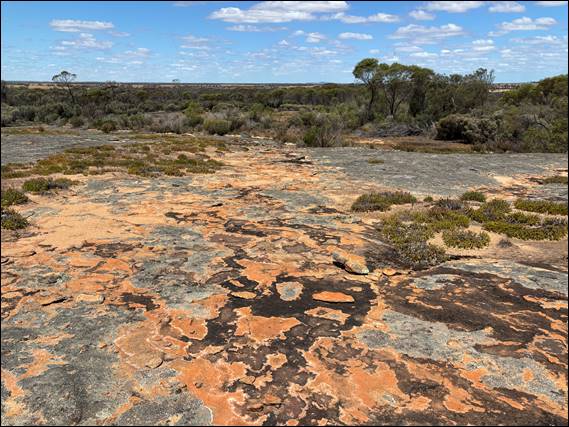
Like quite a few of these rock outcrops the runoff from Pallarup Rock is channelled by a wall into a water tank. Providing a water supply for stock and fire fighting for when things get really dry. Since the early 1990s some 680 water supply systems, which includes dams, soaks, and tanks have been built, of which 480 are still managed and maintained. This being one. Here once more I found lots and lots of sun orchids, all closed up. There seems to be a bit of a theme this year, one I can’t figure out. But I can figure out which species it is:
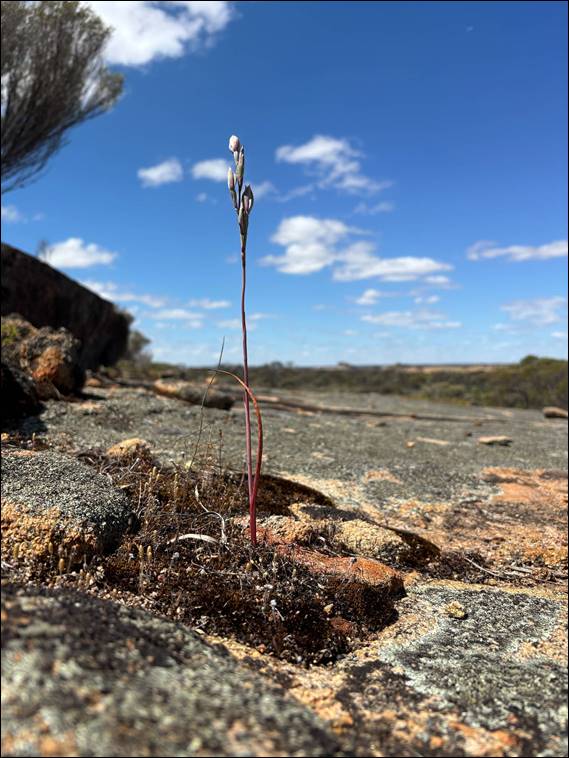
The Granite Sun Orchid (Thelymitra petrophila), another first for me. The species name petrophila is a word I have used before, but not to identify this orchid. More to describe Howsie and me, as it comes from two Ancient Greek words of petros and philos meaning ‘rock’ and ‘loving’. Not surprisingly the Granite Sun Orchid is a rock-inhabiting species, and thrives in shallow soils on granite outcrops, as above. And just as I was going back to the car I found one that was at least partially open, after which I found my fourth first time sighting:
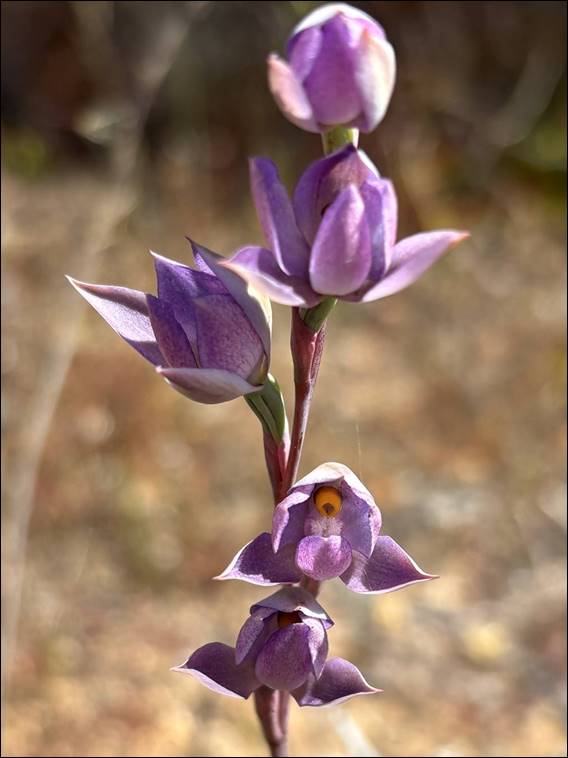
The Elbow Orchid (Spiculaea ciliata), which I have to say is probably the least attractive orchid I have seen to date. It also grows in large numbers in shallow mossy soil pockets on granite rock outcrops. A late bloomer these were flowering early in their period of October to January. Maybe a reflection of how unseasonably dry and warm it has been. To round the orchids off, and growing alongside the Elbow Orchids I also found lots of Little Laughing Leek Orchids (Prasophyllum gracile). Most had already wilted but a couple were image worthy:
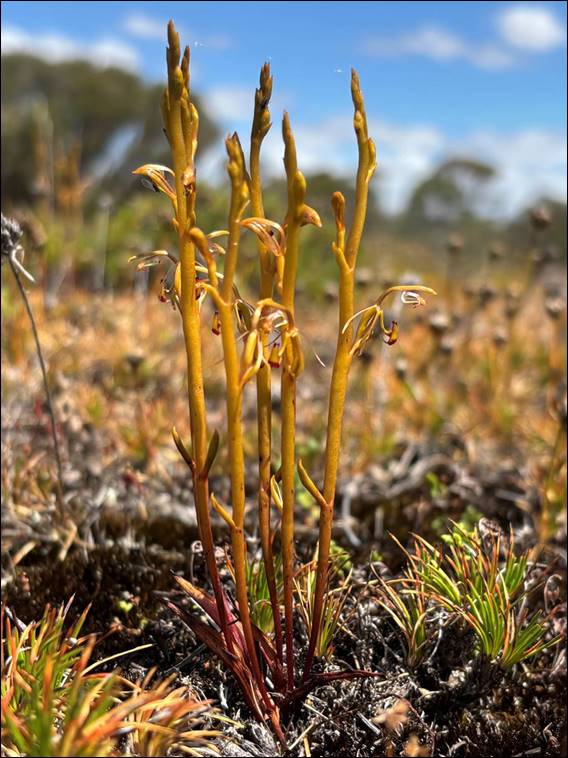
By no means in great condition, but worth including as it is regarded as one of the most common and widespread orchids in Western Australia. Not that we get to see it in our local areas. Sadly there were no reptiles. Meg had shown me some great images of ones they had seen, which had drawn me to check the area out. Maybe next time, but for now it was time to hit the road for another five hours. Although having decided to drive back through the Wheatbelt, I did have two stops to snap the landscape:
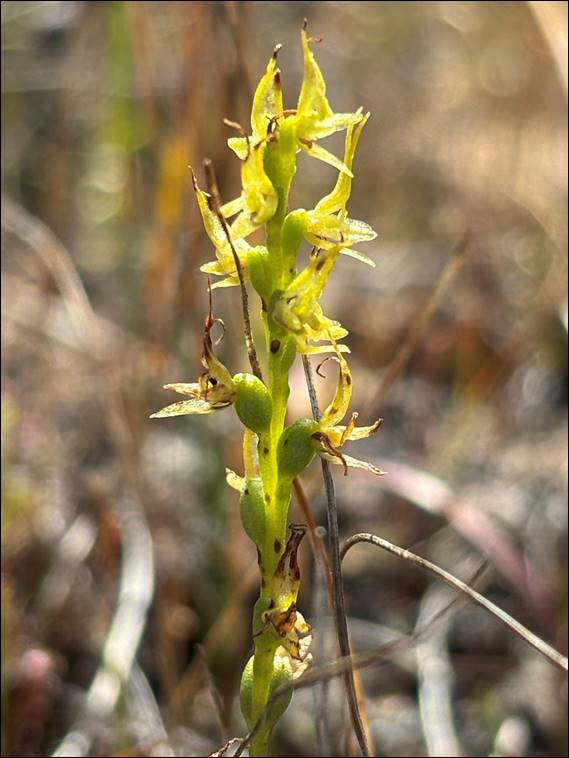
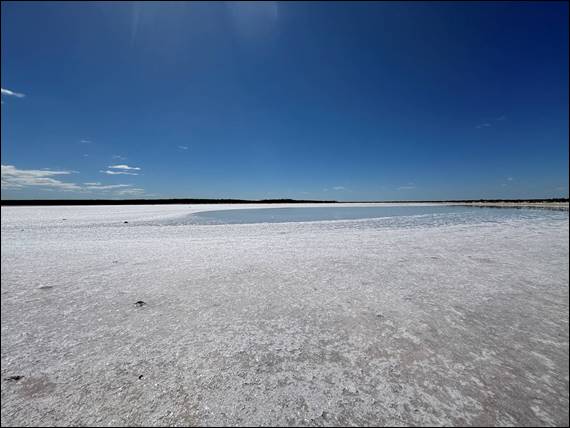
I do love seeing the salt lakes. Naturally formed areas where salt has built up over tens of thousands of years. Being an accumulation of trace amounts carried in rainfall and ancient marine deposits. It is concentrated by the high evaporation rates and the creeklines draining to basins such as this. Not to be confused with the man-induced salinisation of the area that is degrading the soil and affecting agriculture and native vegetation alike. That came about due to the clearing the land on mass and changing the way the groundwater and soils interact:
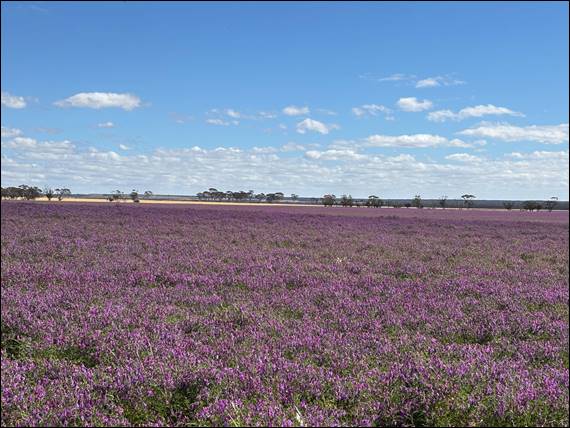
One last image because I had never seen a paddock of purple out here before. While I only saw it in one place I’ve read Woollypod Vetch (Vicia villosa) is a common crop in the eastern Wheatbelt of Western Australia. Used to fix large amounts of atmospheric nitrogen to improve soil fertility ahead of cereal grain crops. An introduced plant with hard seeds capable of self-regeneration and becoming a competitive agricultural pest if not managed. Another pest were the two ticks that did hitch a ride on me, and as I typed Kym said he also found one: