July is hotting up, relatively speaking. So much so that we haven’t had the home fires burning this week. This meant the thought of a morning climb at Welly Dam didn’t bring on the same level of fear of freezing winter conditions. Howsie and my fortnightly visits to this hallowed place have been somewhat disrupted of late. It has been just over five weeks since we snuck in a wonderful midweek afternoon session. A climb later in the day was again appealing, but not possible for this long overdue trip, more so for Howsie who had not touched rock:
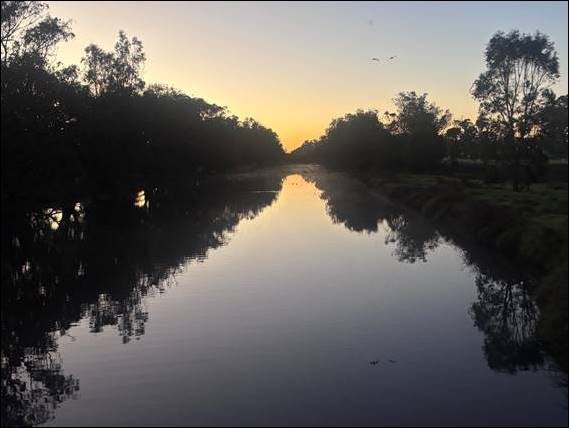
That said I drove out at a more respectful time than usual, with first light well and truly upon us. Above the changing hues are inching into the horizon, as I crossed the Capel River, which I have been passing in darkness on my way to work since March. First light shifts by approx. two hours across the year, and come October this will once again be a more regular sight during my normal daily routine. Clear skies above and dry roads changed to thick claggy mist and wet roads just as we approached the turn off the Coalfields Highway, and stayed with us:
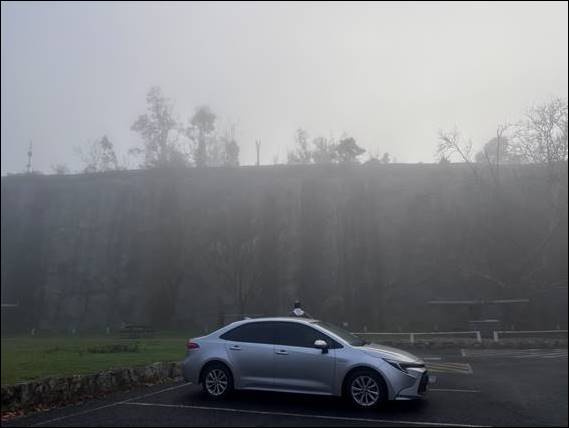
The faces where water tipped over the edge of the top of the walls or seeped through the fractures, created by the blasting that had occurred over a thirty year span that ended some sixty five year back, were soaked. This ominous view was not what we had expected or hoped for. However, July and August have being pretty dry so these patches were relatively confined. The majority of the wall looked to be, and was indeed dry to touch. Not just dry, but also cold. The first couple of routes certainly had that heat sapping feeling about them:
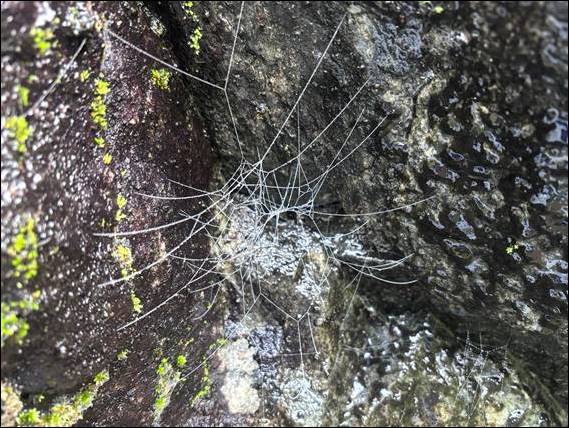
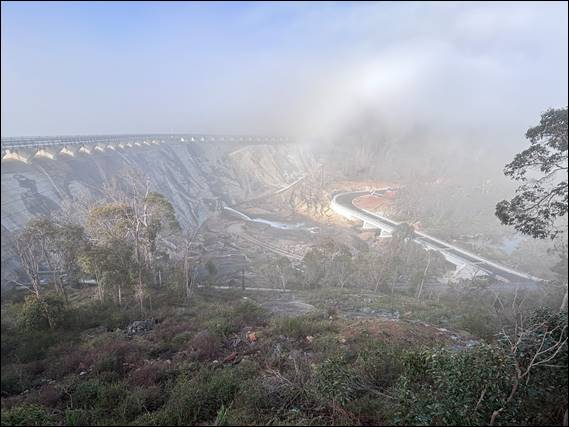
Our fingers numbed and toes felt uncomfortable. As such after two routes we broke out the flask, poured a tea, and wandered over to check out progress on the bridge. Having been closed for four years and four months, it looks like it is getting close to completion. The mist was starting to break above the valley, but lingered in the quarry for the next two climbs. At least the initial lines and short walk had got the blood flowing to our extremities helping to combat the effect of the cold rock. As did more tea, allowing us to knock off six fine routes:
As per the term coined for T-shirts I designed for a hockey festival in England, way back in the mid-nineties, today it certainly felt like we did ‘weave that winning web’ with our session. Even if at times it didn’t feel like we were climbing particularly elegantly. Rolling back down the hill in glorious sunlight, neither of us had to get back to work. Howsie was going out for a surf and I was hoping to continue the spidery theme. It was time to revisit the Capel Nature Reserve, with a hint of optimism that the dry and warm August may have triggered them:
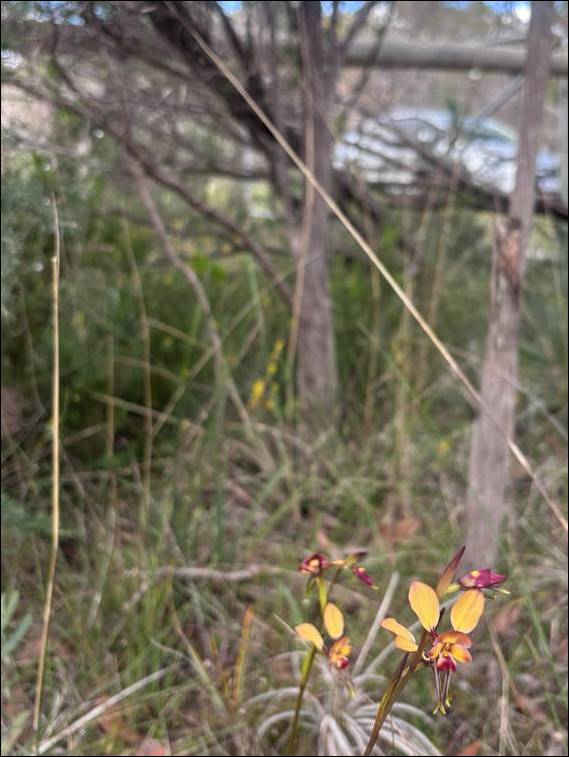
There were so many spikes tantalising close to opening up. Despite not being fortunate to find even one that had, my tally for the year was boosted by the above Kemerton Donkey Orchid (Diuris cruenta), which was popping up all over. Only been formally described in 2016 the name of this relatively new species, cruenta, means ‘stained or spotted with blood’ in Latin. Next was the Slender Snail Orchid (Pterostylis crispula), it’s species name meaning ‘somewhat crisped or wavy’ in Latin. Referring to the crinkled edges of the basal leaves:
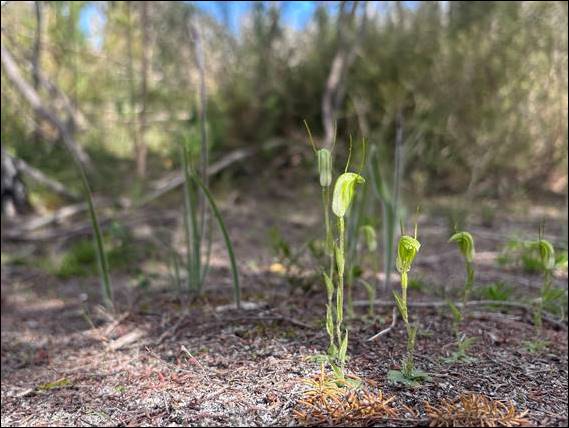
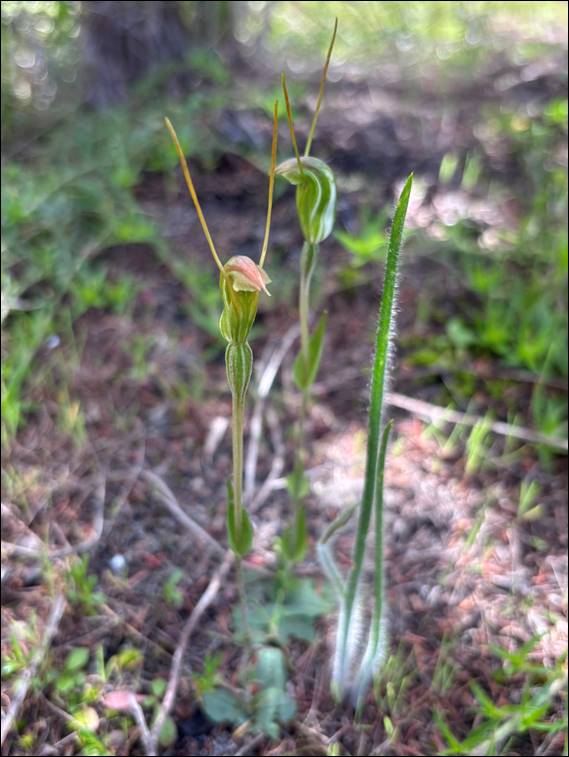
Another newly discovered piece of ammunition for my arsenal for identification. Some Snail Orchid species can look very similar and this is one I have often wondered about. It hard as these can be found in close proximity to other species such as the Red-sepalled Snail Orchid (Pterostylis erubescens) and Karri Snail Orchid (Pterostylis karri). I’m yet to spot the latter this year, but need to hunt a bit further to the west for that one. Above and below are Slender and Red-sepalled Snail Orchids with Chapman’s Spider Orchid (Caladenia chapmanii) spikes:
On my arrival a couple of cars were parked up in my usual spot, orchid hunters I had thought. No matter, I drove a bit further to another spot where based on past seasons my hopes for Spider Orchids had been high. As I scoured the area unsuccessful in my primary aim, I spotted other people a little way of the track. Three of them crouched down, so they must have found something good. Wandering towards them there was camera gear strewn across the ground, which put my iPhone and Olympus TG7 ‘point and shoot’ camera to shame:
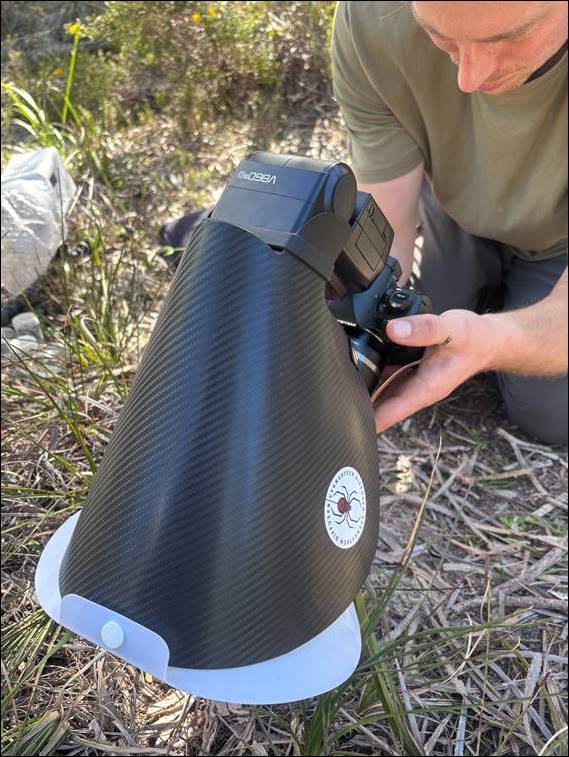
That’s said my Olympus TG7 did take all these images. It was clear they were not orchids hunters, or as we are known orchidist, and were in fact arachnophiles. However, based on what I found out, one of them may fall into the arachnologist bracket. Either way spiders, of the eight legged variety, were their game. I got chatting and it was fascinating, and impossible not to be drawn in by their energy and enthusiasm. Spending not quite an hour crouched down with them, as they extremely generously answered my endless questions:
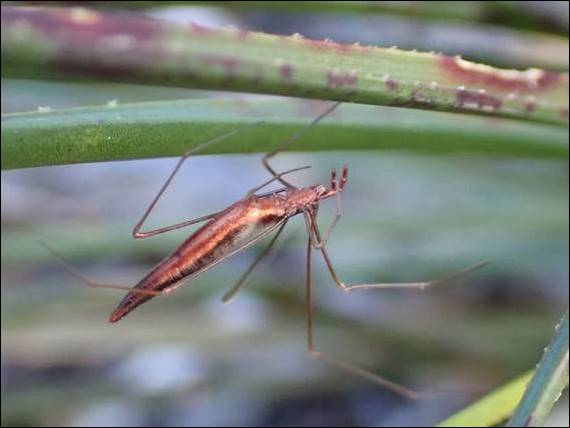
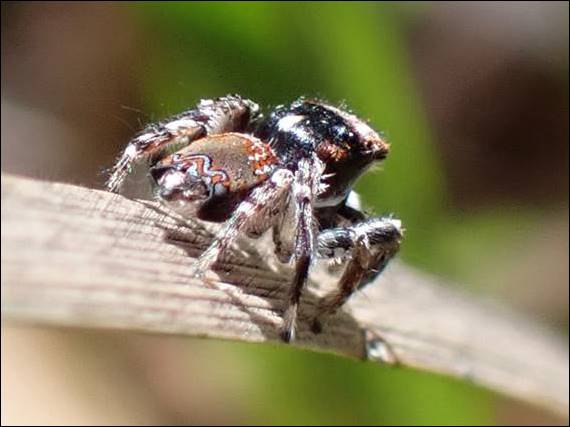
Two pictures up they are taking images of the above spider. This one had them baffled. As such and as I often do, they took lots of photos to allow them to undertake investigations later on. Google images tells me it is not a spider, even when I tell it that it is. And, not that I expected to be able to work it out, my go to spider identification website is sadly down. While happy with my picture, the patterning, colouration, and fine detail they managed to capture was insane. The below was very quickly identified as a Brushed Jumping Spider (Jotus):
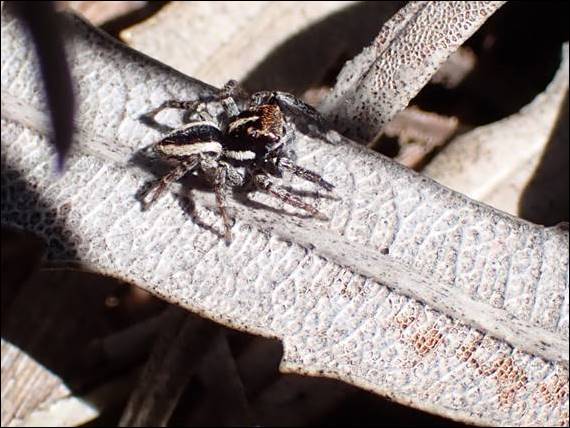
No doubt a regular find for them, as they didn’t pay it much attention. There are 14 described species in Australia, and loads of undescribed species. While found in the South West of Western Australia, there are no described species and they are all awaiting a scientific evaluation. I also spotted, but was way too slow to photograph a very cool White-spotted Swift Spider (Nyssus albopunctatus), which they manage to identify from my description. All nice spots but their main reason for being here was a spider I have always wanted to see:
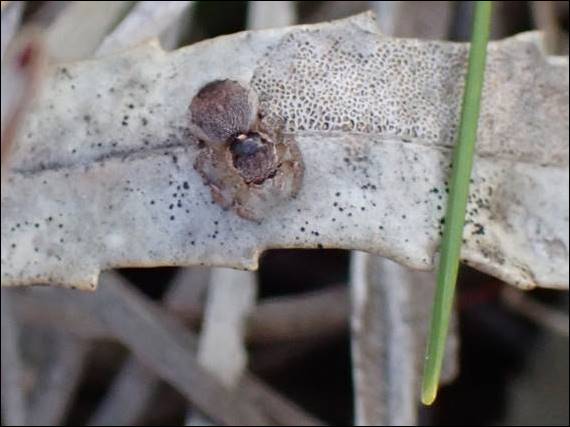
A Peacock Spider (Maratus). I was told the above was a pregnant female. As with many, but not all, creatures the females and juveniles are relatively drab in appearance. In contrast adult males have brilliant, iridescent colours as below. These are most prominent on an abdominal flap, shown in the last image, used to get the attention of prospective mates. This is lifted to display the colours during a rhythmic dance that includes side-steps and leg waving. So why have I not seen these before, probably because they are only about 2.5 to 6mm long:
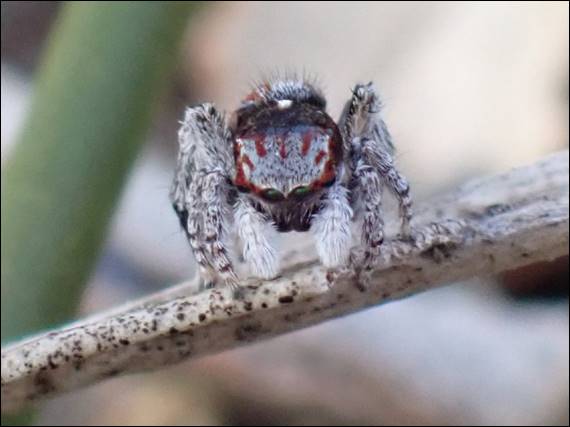
Mind you being diurnal hunters I may now take the time to look for them, especially as I did not witness the elaborate courtship display today. There are over 110 described species, found almost exclusively in Australia. The South West of Western Australia is a hot spot with 50 to 60 described species and lots of undescribed species, including the one in these images. This one was discovered by Flynn Prall, a true spiderman, that I was lucky enough to bump into today. While I’m not a fan of social media his Instagram account is definitely worth a look:
 Sandbagged