You may recall a month back, to the day, Josh gate crashed an early morning Welly Dam session with the news he aims to climb a grade 20 this year. Having sufficiently completed his last challenge of bagging a 20min 5km run, his sights are now set on building his climbing fitness. Just like with running there are Apps to help train for set goals, instead he is opting to work it out in his own way. In my humble opinion, the best was is increased contact time on rock building up experience of how to read and move on rock:
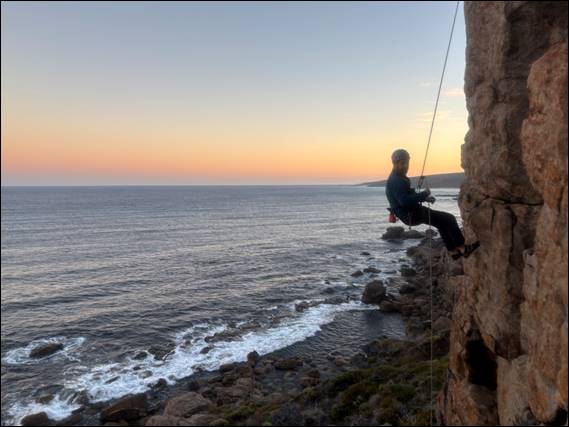
And as alluded to previously, there is no hint that he feels the need to be able to lead whichever grade 20 it may be. Happy to stick with a rope above him, or at least that is how he feels at the moment. When asking him what he fancied today, he felt a shorter crag may be better seeing his stamina on rock is somewhat lacking at the moment. This led me to thinking about the Organ Pipes. It has a nice range of grades and several routes which have particular sections that would be good to make him work on reading the rock and his body positioning:
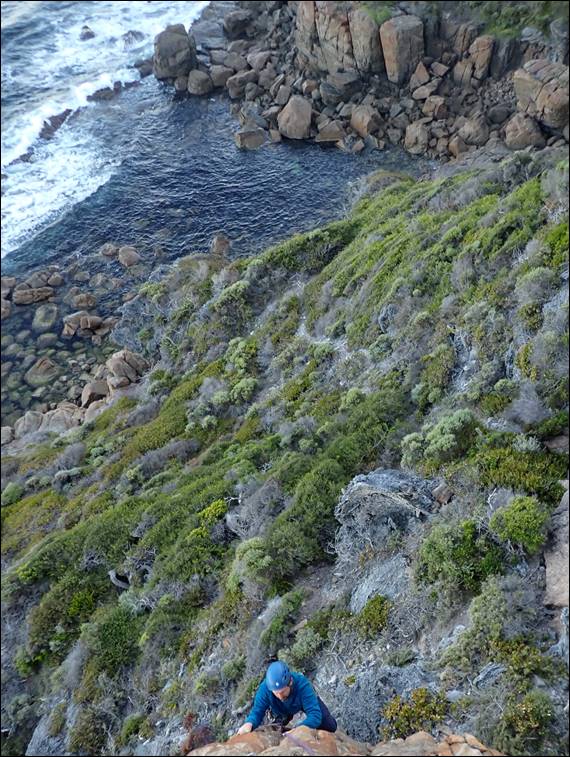
With all these aspects in mind I worked up a tick list of lines. Four of the six he has not been on before. He should have no memory of them and will need to work out the puzzles they present. Not that he confesses to recalling any of the movements on the two lines he has been on previously. I tend to have a pretty good ‘motor memory’, which enables me to recall holds and gear placements on the majority of routes I have climbed. Often when people are in strife, and they want beta I can offer it from the ground even when they are high above:
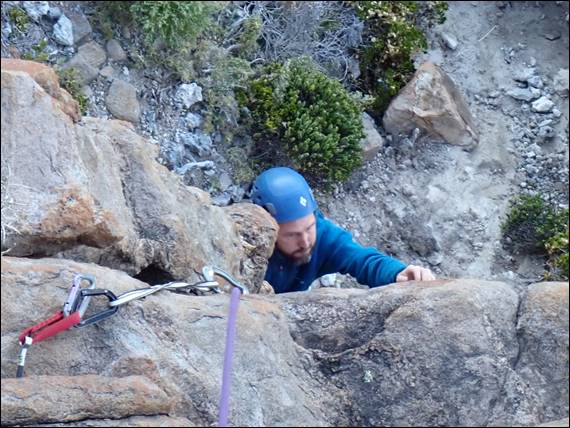
I’ve dug out a paper on this precise ability, which suggests it is both a cognitive and physical skill developed through experience. Well I do climb a lot. Going on to suggest it stems from people who have a higher level of spatial memory, attentional focus, and ability to visualize movement patterns. Traits that come with a ‘pattern thinker’ cognitive style, which is strongly associated with Autism Spectrum Disorder. Reading on there are a few other characteristics related to that which seem to be lining up for me. I digress:
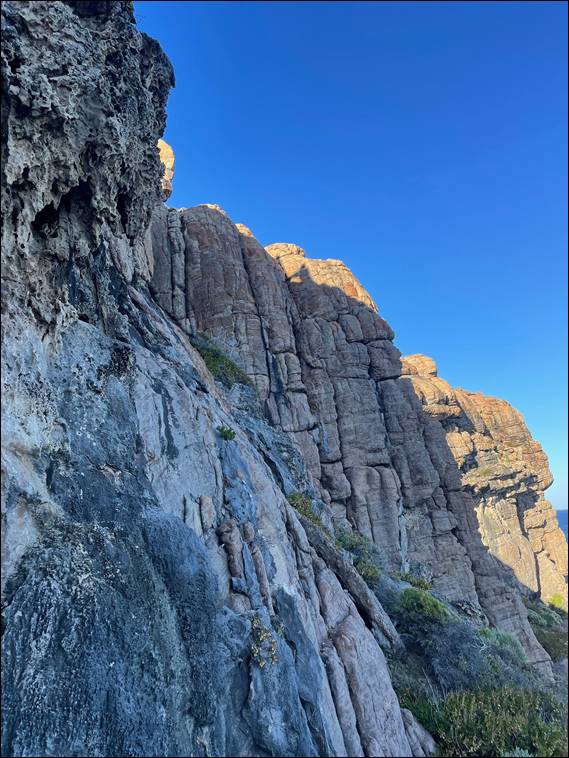
While the grades of the routes, in the order we aimed to bag them were 12, 14, 15, 16, 17, and lastly 16, I already knew the line that would give him the most trouble. Maybe because the difficulties on the grade 15 are the longest lasting, or maybe it is just a sandbag route. I think the latter. Two images up he is about to completely the steep and feisty start. Just one hold to go. Then his footwork, quite literally, let him down and he knows it. With ropes that can stretch as much as 30% this meant he dropped and had to battle the same sequence again:
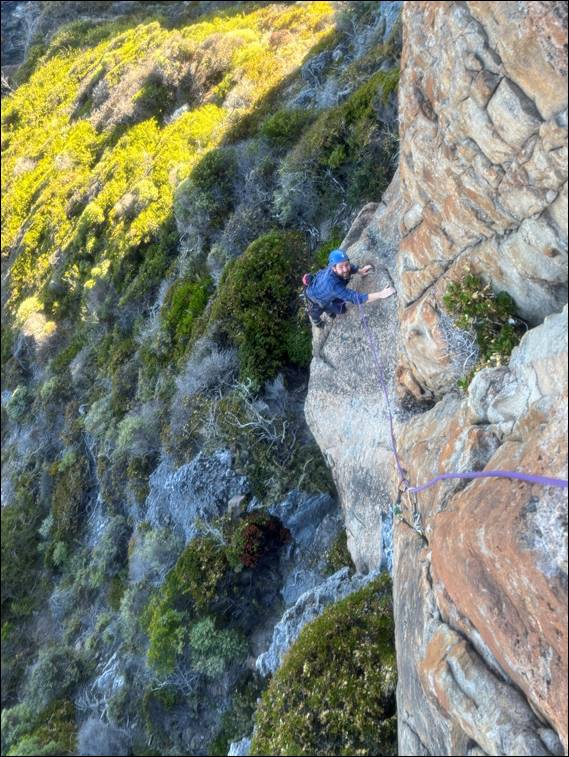
With each attempt he seemed that bit less controlled in his climbing. No amount of beta I gave him was reaching his brain. Something that is completely natural in situations when you experience intense muscle fatigue, in this case in his forearms. Your brain becomes overrun with stress signals and shifts to emergency survival mode. The ability to think clearly is eroded. That said he finally managed to get up, by which time he looked completely pooped. Definitely time for a rest to allow his blood flow to normalise and brain to reset:
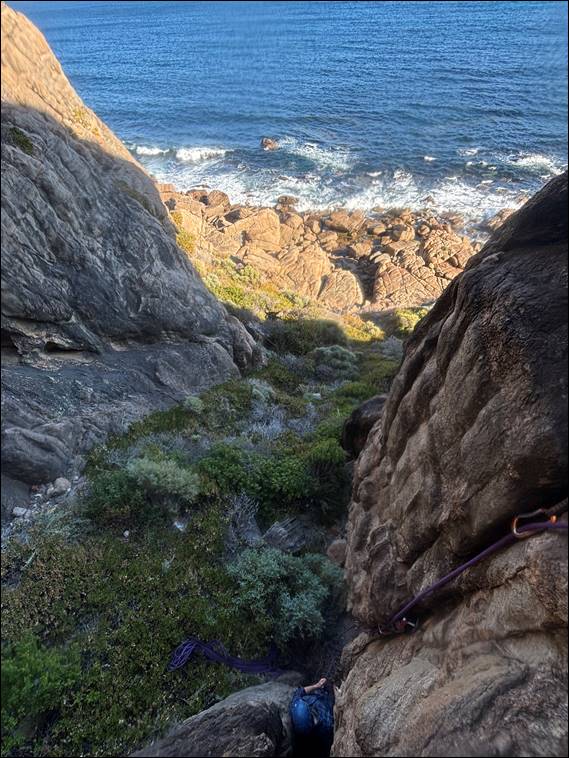
Which it did and did really well, as we bagged the next three lines in good style. Despite the fact they are given a higher grade, which indicates their crux movements are harder than the climb that gave him so much trouble. With the list ticked we agreed it was time to roll. It was a grand session in glorious weather. And has given Josh a few things to think about working on, which we talked about on the way home. I was doubly pleased as I had also selected the climbs to allow me a bonus of bagging the second ascent of three of the routes:
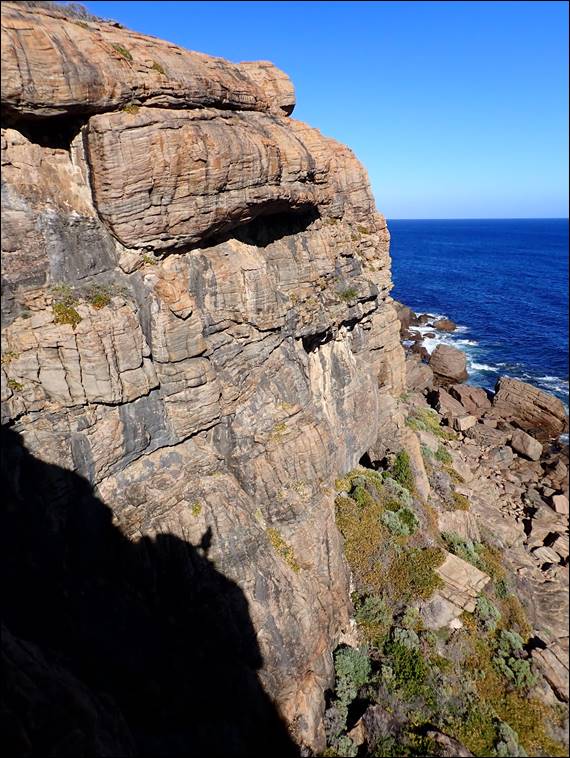
 Sandbagged