The climbing this morning was on occasion interrupted by text messages flying between John and I about his book. He was busy with last minute edits. Telling me how he was thinking of dealing with my comments, as well as a few other oddities that I had picked up. I was just arriving at the spot we park up to walk into Smiths Beach, on another crisp and cold morning. Steam was drifting off the ocean as the sun started to warm up our part of the world. Three thousand plus kilometres west of where John was no doubt frantically typing away:
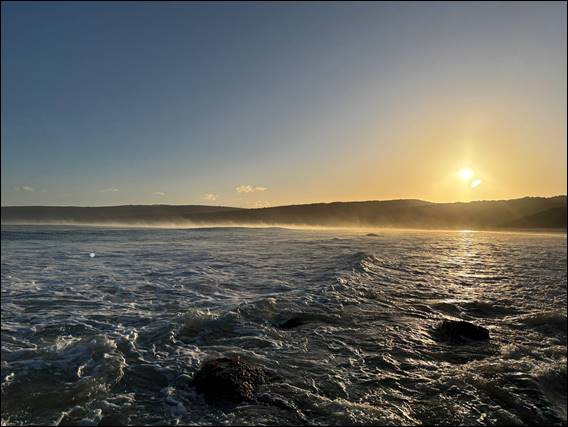
For Howsie, Rongy, and I there was no rushing. It was a slightly later start that made the driving that bit more relaxed. More light to see what might lie ahead, and also a lower chance of kangaroos being on the road. Rongy was the one keen to come here. He had suggested it for last weekend’s destination. A big swell, recent rain, and the possibility of more water from the sky had swayed us to the more friendly Wilyabrup. Today all three of those reasons not to come here last time were absent. Plus he was all fired up about one particular route:
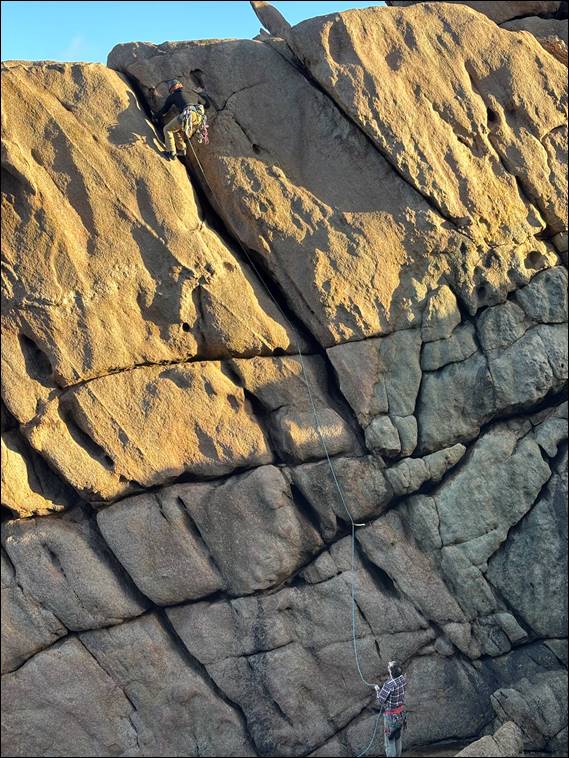
Howsie was just happy to get out, no matter where we went. He did however hint at not feeling very climbing fit. Something I doubt he would have mentioned if we had been going to any one of the other coastal crags along this slice of the west coast. I too was also not fussed about where we went. I did however go a step further than Howsie, saying upfront that the two of them could bag all the leads today. Ah Smiths Beach. The trad climbing crag that holds the same fearsome reputation that Welly Dam does for sport climbing:
Due to me messaging John, and wanting to get a decent image of the mist over the ocean, the other two wandered ahead of me. I got to the top of the zawn after they had already scrambled into it. The first thing I noticed was that they were wandering to the right hand wall, called Harbour Wall. Not intentional named for this reason but a harbour would suggest it is a place of safety. The left hand wall of Camelot Castle, which you first pass under as you enter the zawn, looms ominously above you. Steep and foreboding:
Just like the purpose of castle walls, this face feels like it is intended to keep would intruders out. Rongy and Howsie had felt this imposing feature staring them down. As if taunting them and saying “do you dare”? It had been too long since they had climbed here. They did not dare. Instead being drawn to the relative safety of the harbour. Full of quality low to moderate grade routes, that would have slotted perfectly into the options of climbs to choose from for John’s book. Sadly during his trip to the west he did not have the time to come here:

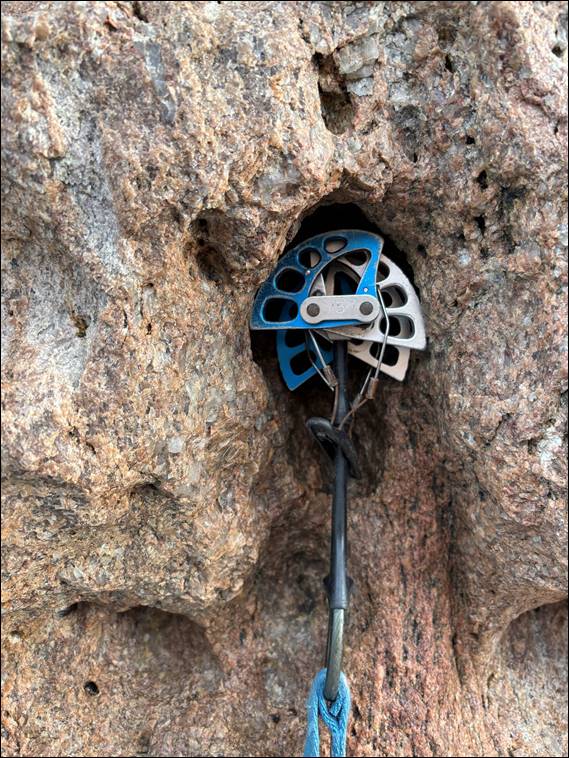
As we messaged each other I sent John an image or two of our surrounds and antics. His responses indicated that the visual wow factor of this place piqued his interest. With luck I’ll be able to provide him with a tour of our local spots later this year, allowing him to sample them for himself. For Smiths Beach in particular I am interested to see what he thinks of the grades we gave these lines, when we established the place very nearly fifteen years back. Today we were a little unsure, but that is not an unusual feeling to have when climbing here:

The rounded holds and technical nature of the climbing is both extremely engaging, quite physical, and very deceptive. It takes a few more regular visits to Smiths Beach before you once more become accustomed to the style and are willing to push the grades a bit more, a bit like climbing at Welly Dam. We found the moderate and supposedly lower graded routes satisfied our desire to climb, while slowly but surely nibbling away at our stamina and energy levels. To the point that we didn’t try to siege the castle walls, as we pondered what next:
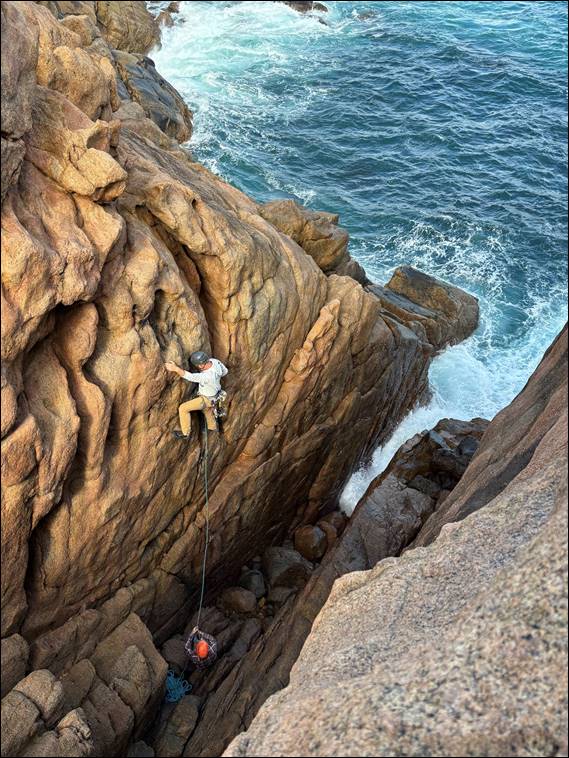
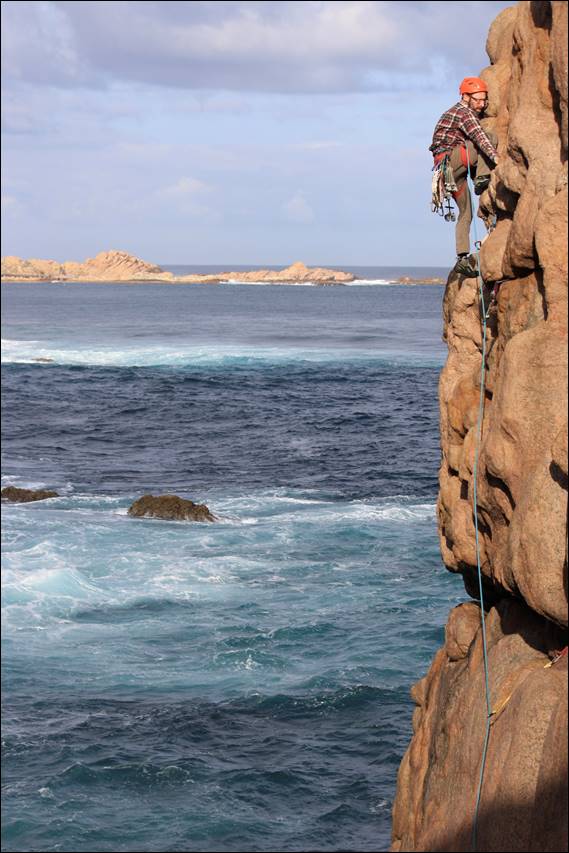
To my surprise neither Howsie nor Rongy had any recollection of climbing the above line, in the second and smaller zawn. Allowing yet another route within our grade range for the day to be bagged. A range that is the focus of John’s book, and certainly worthy. Indeed his book is putting the spotlight on climbs that are often overlooked. Not considered hard or extreme enough to be given the limelight in today’s many forms of media. I would however challenge any capable climber to come here, bag what we did today, and not come away smiling:

 Sandbagged