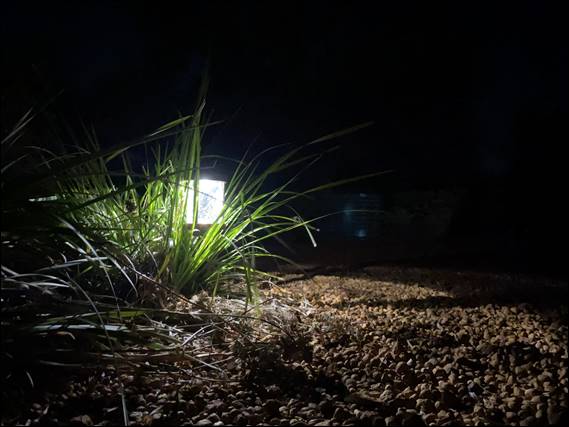
Repeating last Friday’s early start, getting up at 3:30 felt strangely much more acceptable this week. It was not just me that thought it, Howsie also said it felt more bearable for him too. Despite leaving the house with only the garden solar lights breaking through the darkness, by the time we met at the office carpark just half an hour later there was plenty of light. We joked that considering how easy it felt, maybe we could make it a weekly trip. There are however other plans for January, which means this is unlikely to happen:
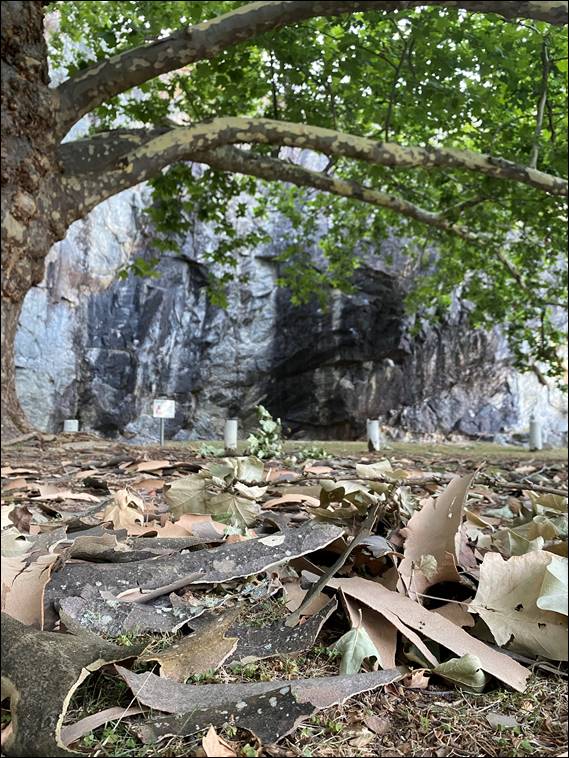
This may come as a relief to some. The thought of being subjected to déjà vu images of the black and grey streaked walls of the quarry at Welly Dam may not be so appealing. Much as we never tire of climbing here, and every trip has something a little different for us, it has to be questioned how often I can write up about a visit here without just repeating myself. Last week I had craftily left the quickdraws on the tray of the car. A subtle suggestion that I was not keen to kick the morning off by taking the first lead. I wasn’t feeling ready for the rock:
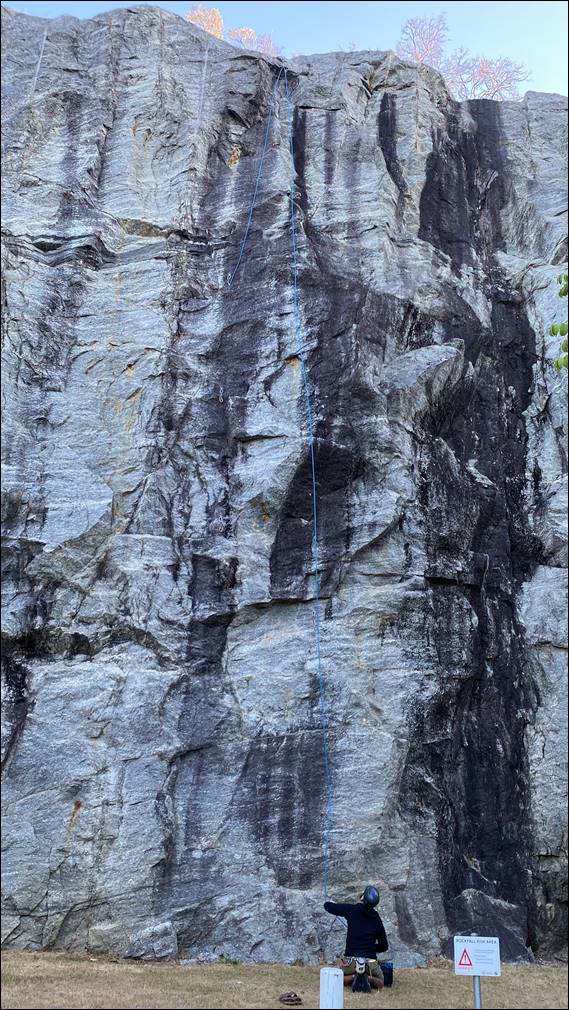
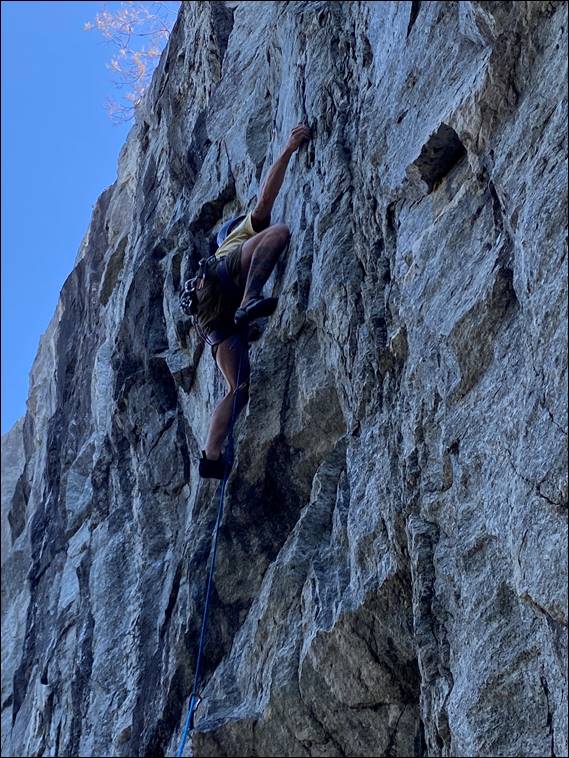
As it was I climbed with more confidence, despite my sluggish start. This week I didn’t hesitate. Popping the quickdraws on my harness and walking to the base of the first climb, before Howsie had even got his harness on. I had pre-formulated a plan for the session, and had high expectations for the morning. Other things also flipped, and as it turned out this week was my turn to be in the backseat. Howsie being the one on fire. There was no procrastinations when he climbed, and he moved with purpose and without hesitation:
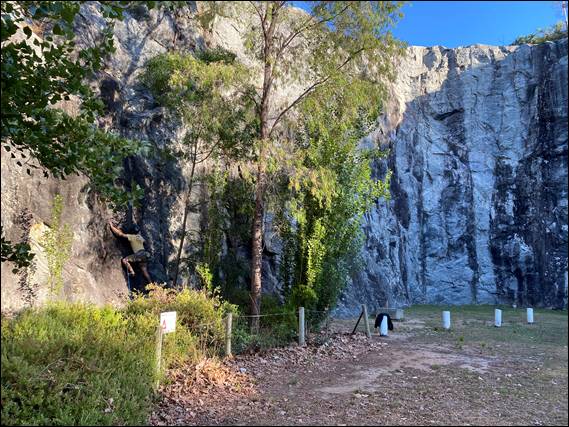
This switching of performance is not uncommon, and we both have our better days. As we prattled on about how the tables had turned, I threw in another metaphor to say it is ‘swings and roundabouts’. Many people have referenced this term back to a 1912 poem by Patrick Chalmers called Roundabouts and Swings. The running of a gypsy travelling show is explained with ‘mostly they goes up and down or else goes round and round’, and ‘losses on the roundabouts means profits on the swings’. Resulting in a balanced outcome:
The phrase was however used before this time. The line ‘What we lose on the swings, we make up on the roundabouts’ was used in a novel written by Sir Pelham Wodehouse in 1906. Used alongside a similar phrase that I quite like, and will need to remember, being ‘We learn in suffering what we teach in song’. Something that that you could say has been embraced in country music, much of which has a melancholic tone drawing on the struggles of everyday life. I digress, and Howsie will know why, but it doesn’t end there:
There is an earlier reference I found from the 30 May 1895 British parliamentary debate on the Civil Service and Revenue Department expenditure. The allocation of funds for the upkeep of lawn tennis and cricket pitches, which had been offset by charges for a boat hiring contractor, was summed up with ‘What we gain on the swings we lose on the roundabouts’. There ends my investigation into this Briticism. And as we ended today’s three hour session with an eighth route, while feeling justly weary, we both narrowly managed to avoid a swing:

 Sandbagged
😂 love the deep dive you took there
LikeLike
One of the benefits of keeping up writing the posts is digging into all manner of things!
LikeLike