Unlike progress on the bridge at the base of the dam at Wellington National Park, I’ve been overdoing it a bit and have clocked up way too many hours at work. So much so I had a choice today, work and forfeit the hours or take the day off as a flexi. The choice was easy and I decided to head to Welly Dam, not for a climb but a hike. Driving into the National Park the paddocks were white and crunchy in the near zero degree temperatures, with a thin coating of ice. I really should have stopped to take a photo, but was too keen to get walking:
Not unexpected, as started to descend into the bowl where the dam is located fog hung heavy and thick. A great sight, but the blanket of moisture in the air meant the temperatures were not quite as cold and there were no icy images to be taken. No matter I sorted myself out and set off, leaving the empty carpark behind me as I headed into the soupy conditions. I was a little surprised to see that there had been no progress on the removal and replacement of the bridge at the base of the dam. I know the reason is because the approvals take forever:
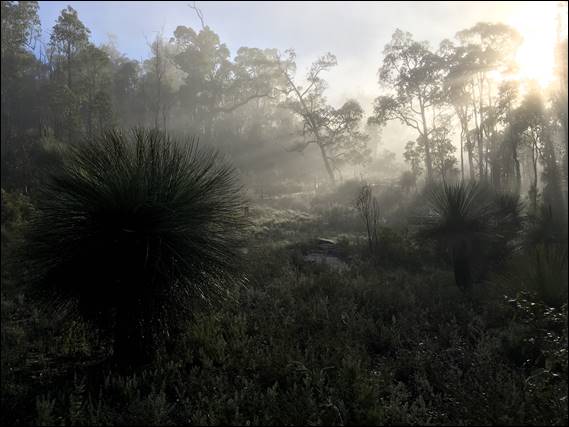
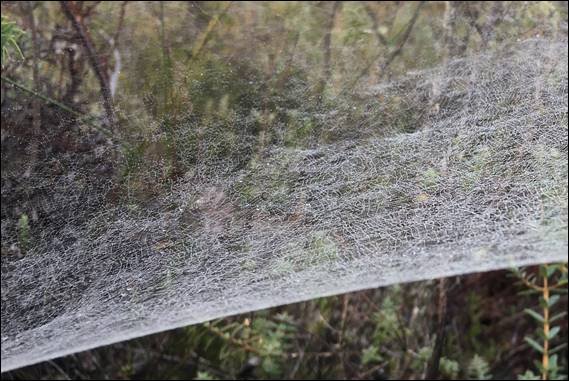
It was still a little annoying to see nothing had start though. The bridge has been closed for maybe a year now, and I do enjoy the journey to this place coming for the south. Far more than needing to trudge all the way into Bunbury, up the scarp, and entering from the north. What with all the roadworks going on it takes almost double the time, and is nowhere near as pretty a drive. The sights as I walked were however very lovely, watching the sun slowly burn the through the fog leaving only drops of water hanging off the leaves and spider webs:
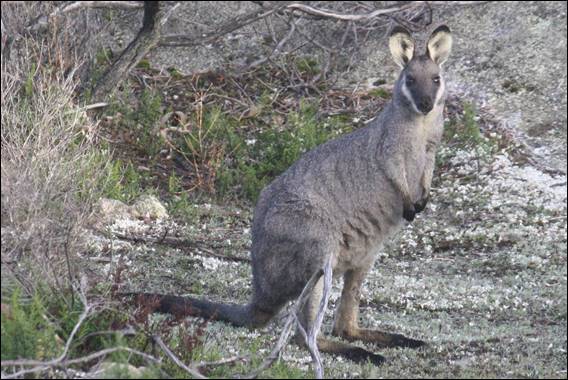
The first section of the walk today was along the river. The sound of water cascading over the rocks filled the air, and almost masked the faint thumping sound. I was lucky as I wasn’t ready for the first Western Brush Wallaby (Notamacropus irma) I came across, being too shy and bounded off. The above one however was quite happy to pose for me. Macropodidae is a family of marsupials, and most species in this family are somewhat nocturnal. The Western Brush Wallaby, also known as the Black-Gloved Wallaby, does not however follow the trend and feeds during daylight:
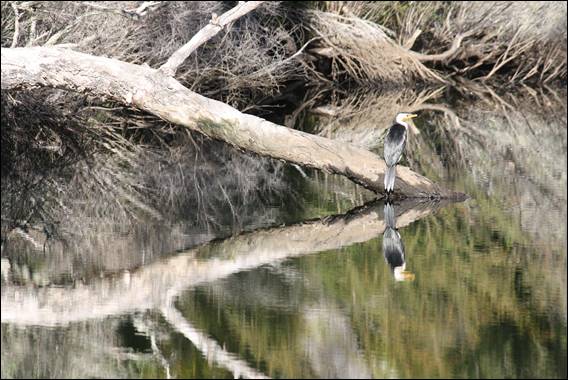
As I continued along the river I left the rapids behind and the river took a more gentle path, with wide open pools. Perfect for water birds to feed, and I spotted a Little Pied Cormorant (Microcarbo melanoleucos) pop back to the surface after a dive with a fish securely held in its hooked beak. Unfortunately it was too far for the images I took to be worthy of inclusion, and the above image is of another one a bit further along. These birds are often solitary when found on smaller inland waters, but hang about in big numbers on larger water bodies or the coast:
Eventually I had to leave the tranquil river, but I stood there for a while watching the water before I started up the hill. The track I wanted to take had a closed sign across it, the same one that was in place when I came here in July last year. So it seems that work on maintaining the walking tracks is happening at about the same pace as the works on the bridge. It didn’t stop me and like last time I went round the flimsy barrier, and began the incline. I seemed to recall from last time that it felt like the hill never ended, and it was the same this time:
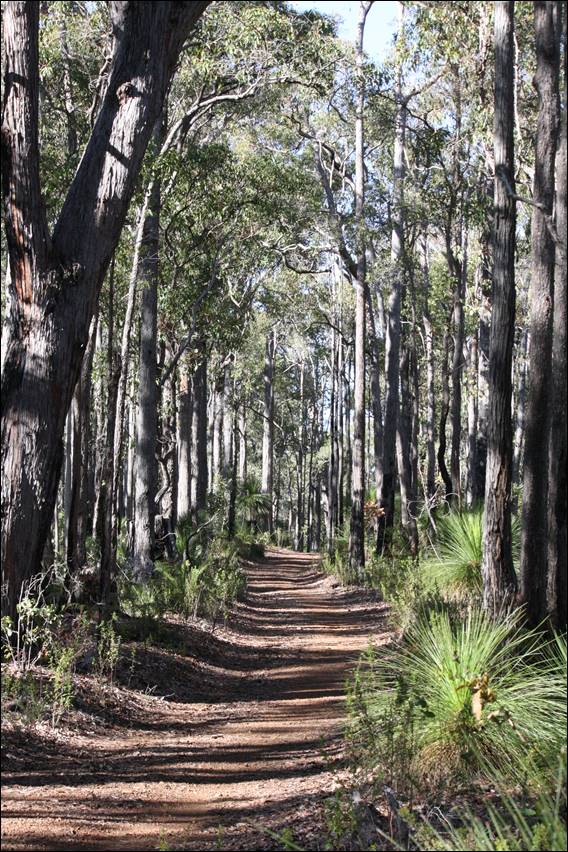
I consider myself to be reasonably fit, but when I got to the top I was puffing away. Time to stop for a snack, but not for too long and I was soon back on the track. Walking through the tall tress the silence was deafening. Due to stuff I’ve got on at work and not having Lisa to chat with, it was all too easy for my thoughts to drift towards work. To refocus my thinking on where I was, I kept a sharp eye out for anything interesting. Unlike my visit here last July there was nowhere near as many flowers or fungi about, so the finds were few and far between:
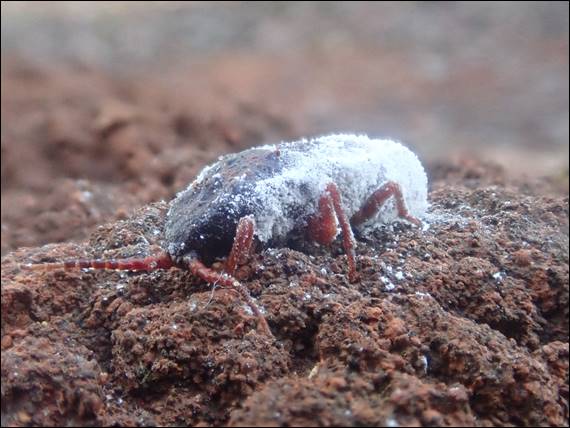
I was very interested in the insect three images up. I am not going to try and identify it, but it looked to me that the insect was being attacked by a fungus. Reading up on this gruesome subject, the poor creature was probably infected with the aptly named Zombie-Ant Fungus also known as Cordyceps (Ophiocordyceps unilateralis). If this fungus manages to get into an insects cavity, the host is doomed. It sucks all the nutrients out of its living host, before filling the body with spores to allow the fungus to reproduce:
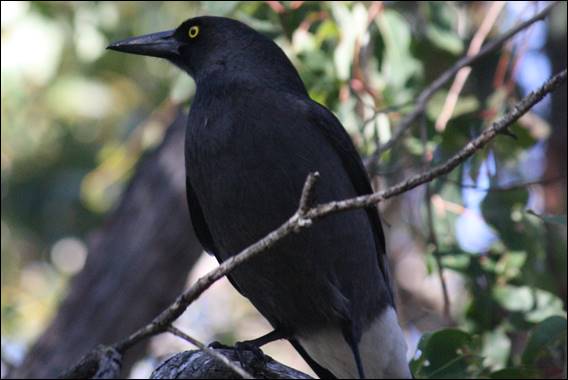
Back to more pleasant subjects, and every so often the undergrowth would spring into gentle sounds and frenzied activity with lots of small birds looking to be playing chasey. They were too fast but the Grey Currawong (Strepera versicolor sp plumbea), several images up, was happy to pose. These birds are found across the southern portion of Australia, comprising six sub-species. The Western Australian subspecies is also referred to as the Leaden Cuckoo-Shrike. I assume because of similar features it has with the Black-Faced Cuckoo-Shrike (Coracina novaehollandiae), which in my opinion is one of the most sleek and majestic birds:
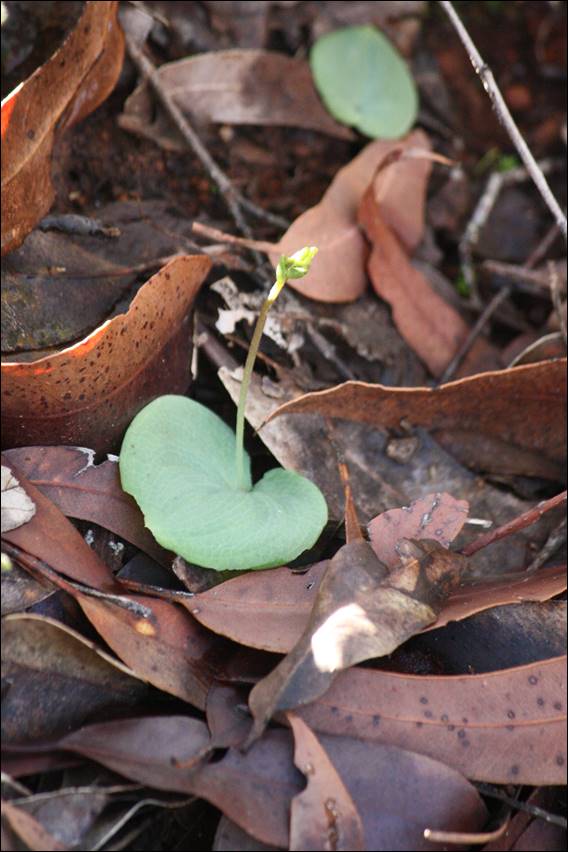
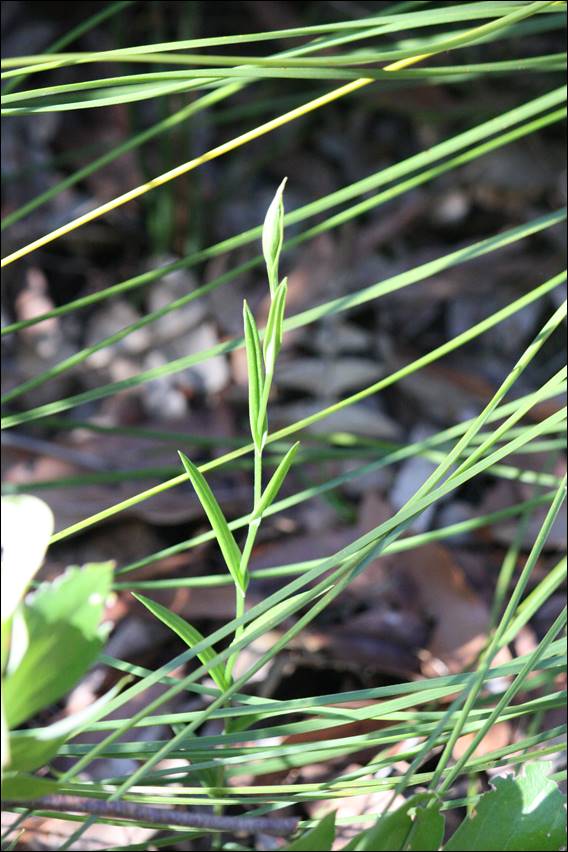
You may have noticed a couple of orchids images pop up. Two more first time finds for this season being a Jug Orchid (Pterostylis recurve) three image up, and the above Midge Orchid (Cyrtostylis huegelii). The latter can be found in large colonies but only a few may flower, like a some other species I have recently mentioned. It was this orchid I was hoping to find in flower on the uphill slog, which was not the case and the above image is from later in the walk. Neither species I spotted were in flower, and feel this season is starting slightly later than last year:
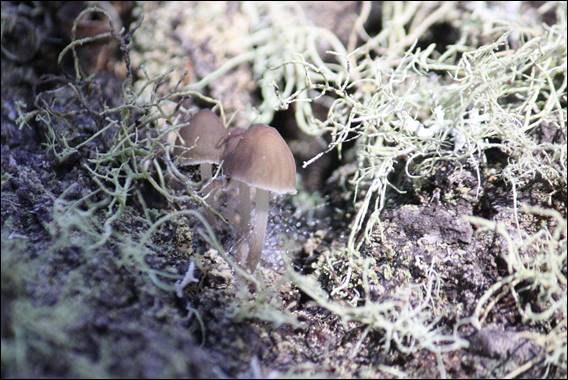
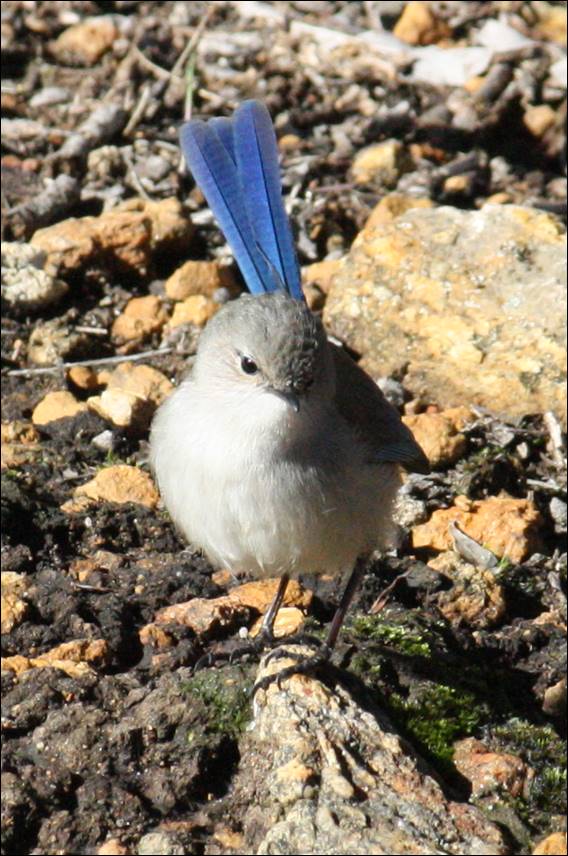
There were a few fungi out, nothing particularly specky but I did like the above image. I believe the one centimetre high fungus is from the Psathyrella genus, but with some 400 species to wade through I’m not going down that rabbit hole. For the last few of the sixteen kilometre circuit my legs were getting pretty achy, and I was quite pleased to finally get back. With very few cars or people about I soon became surrounded by Splendid Fairy Wrens (Malurus splendens). These ones being way less shy than their cousins in the forest:
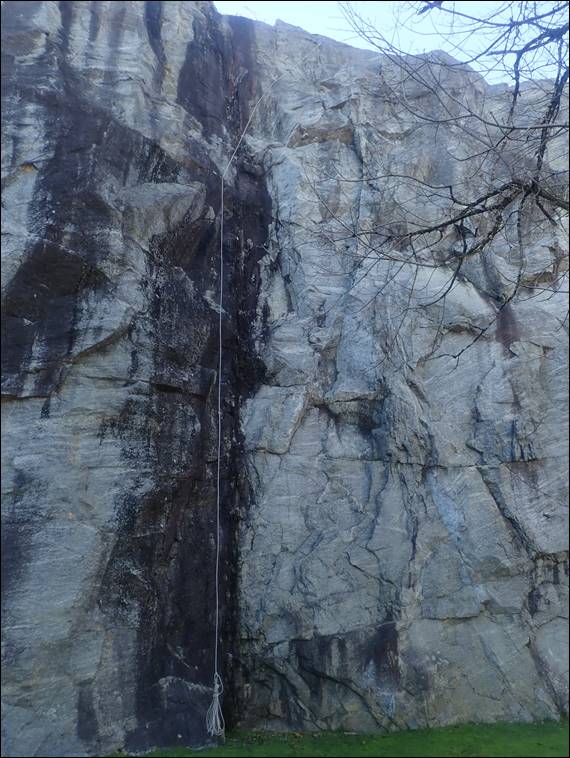
Being at the dam I had come prepared to finish the trip off with a top rope solo. Wondering how I would go with my stiff legs there really was only one way to find out. Right of the bat it was my turn to make a Storm in a Teacup of it, as I felt my calves seizing and arms lacking in the required gumption. Not put off I then threw the rope down Building Bridges. It was slow work, not quite as slow as the bridge building not too far away, but after one lap my legs were cramping my style and I packed up:
 Sandbagged