When I wrote up my thoughts about Alan, way back as COVID was taking hold, I called him the tagalong (https://sandbagged.blog/2020/04/21/alan-the-tagalong/). His trips outdoors would be few and far between, and then it was more about catching up and a bit of fun. This was in part due to his many other competing outdoor pursuits. So despite being one of the fittest people I know, his climbing fitness has in my mind never really grown to its true potential. Last year he went back to Ireland, and by the time he returned he’d been gone for twenty weeks. So today was a reintroduction to rock, with an even longer absence than usual, and of course the chance for a catch-up:
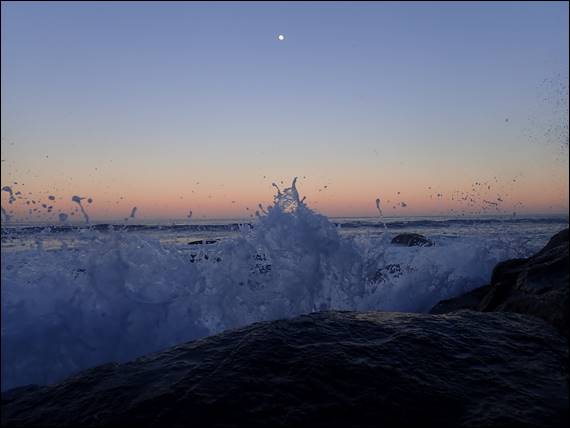
We decided on Beginners Wall. A small, some might say scrappy, crag that is part of the Wilyabrup area. It only has a bunch of mostly lower grade routes and I have not been here very often. My last record of visiting the place was in late 2014 with Steve (https://sandbagged.blog/2014/11/02/beginners-wall/) and then Lou. I remember we had a blast on both of these trips and put up a few first ascents, but I can’t honestly recall seeing glue-in P bolts at the top of the crag. I just remember the completely rusted out iron stakes and large U-bolts sunk into a big plugs of concrete, which you can check out in the linked post:
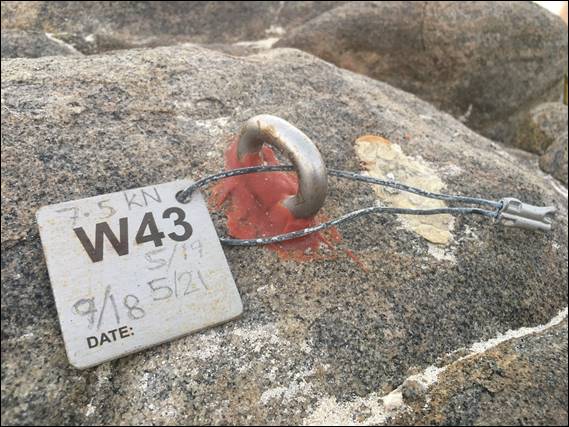
The tags indicated a couple were placed in late 2014, but others may have been more recently added. There were at least eight along the top and we even found a couple at the base of the wall no doubt to anchor into as you belayed. This was a little surprising. The crag gets very little attention and to support this statement, unlike the main area, we found absolutely no evidence of chalk on the rock. The bolts did however make it easier for us to set up an abseil and the belay anchors after each route. The was probably not in Alan’s favour, with less time between each climb for him to recover:
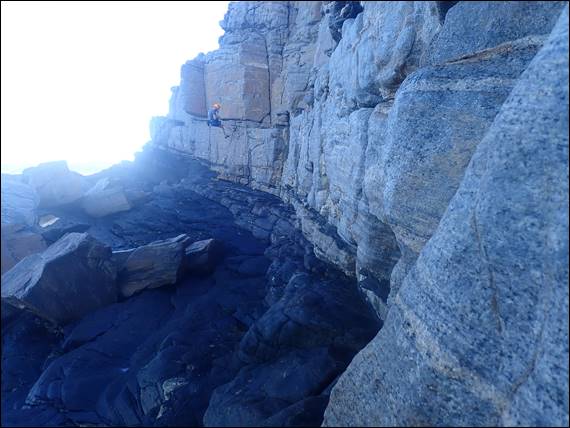
We started sensibly, on the easy lines in the middle of the wall. While I recognised a few of the more distinct routes, I really had no idea what we were climbing nor what the grades were. There is however nothing too hard here and certainly we were starting on routes well within Alan’s capability, despite his long absence from rock. He was quick to remark that the rock felt greasy. He wasn’t wrong, and the air looked a little misty from the spray and felt heavy with humidity. But with the grades we were hitting it really wasn’t an issue:
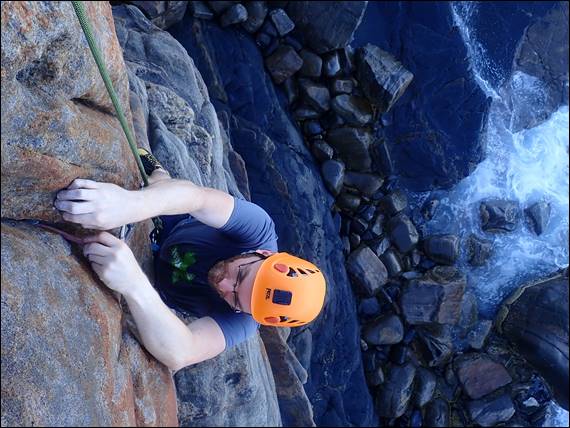
Being so close to the ocean this crag is far more susceptible to being coated in greasy feeling salt spray. Maybe the rock would have been better at the main cliffs, but it was nice to have this place to ourselves. We also both agreed the longer routes at the main cliffs may have drained Alan’s stamina that bit quicker. The first four lines fell quickly, and the only gear I used was a pink tricam. I even placed both of them in the fourth climb. In fact I wasn’t sure why I was carrying a full rack with me other than for weight training, as Alan pointed out:
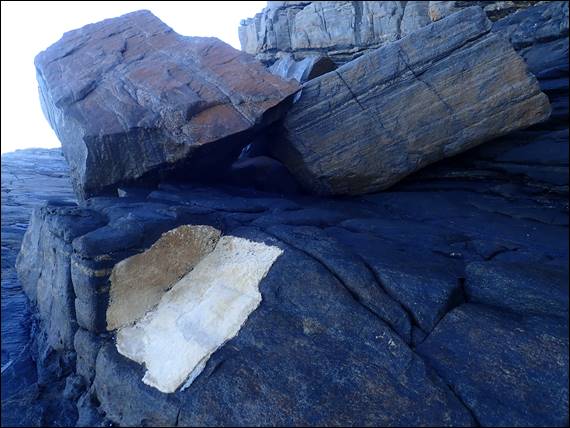
We did occasionally stop and check out things that caught our eye. Like the above, what looked like a recent scar. It was definitely very fresh, and we didn’t see any other areas with such a brilliant white colour. Completely free of any algae or discolouration due to oxidization, neither of which would take long in this environment. Surprisingly we could not find the block that had been dislodged, which meant it must have been a very rough sea. On closer inspection the white scar was not clean exposed rock, but a thin veneer of limestone. It’s almost as if a bricklayer had come along and used limestone as mortar secure the block in place:
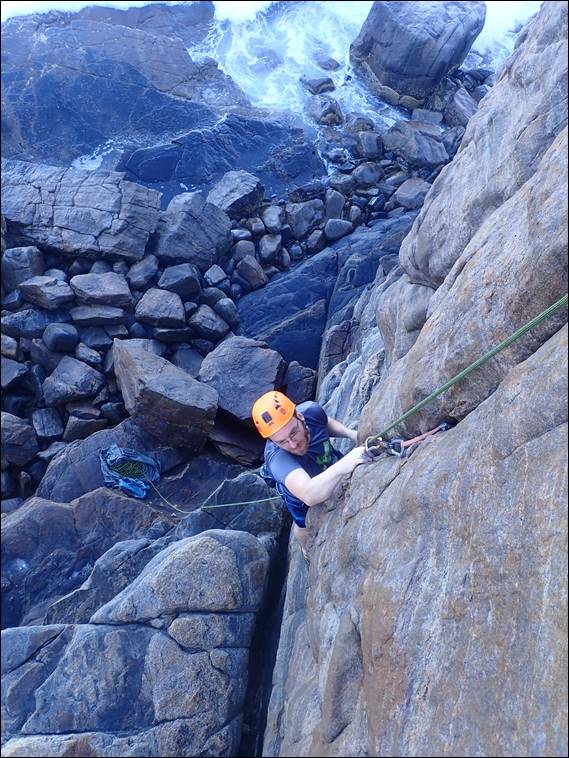
For our fifth route, which having now inspected the guide hasn’t been recorded as a climb, was the one where Alan’s lack of climbing fitness started to show. The line looked innocent enough from below, but proved to be pretty fierce. While I desperately tried to continue the theme of using just a pink tricam the top one didn’t inspire confidence. The holds were slopey, small and spaced and due to the poor gear I decided it was best to traverse out right to better holds. Even this was a little pumpy, and it was all too much for Alan’s forearms. He didn’t give up and persevered, eventually, in-between references to greasy holds, topping out:
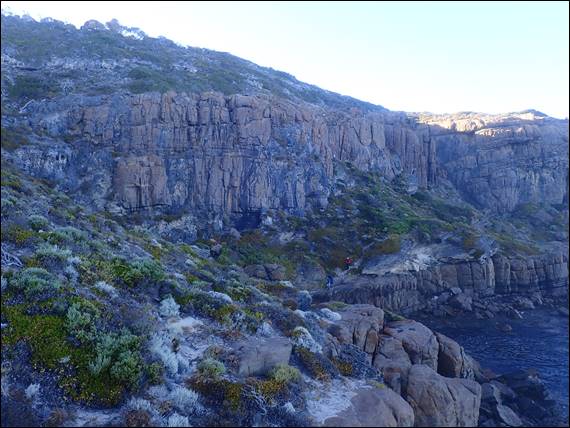
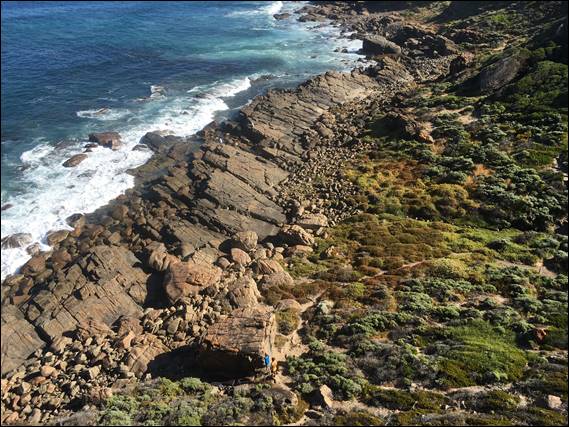
As we were stood on top of the unnamed route, one I will have to come back to so I can lead the direct line with maybe a better choice of gear placements, we saw three people wandering our way. Looking like hermit crabs with boulder mats strapped to their backs. Coming along the base past Driftwood Bay seemed a strange approach, seeing there is a great coastal path higher on the ridge. As they walked past us we had a chat and they too had found the boulders at the base of the main area of Wilyabrup greasy. So they were now moving to the base of the Northern Blocks in hope of slightly better conditions, which explained the rationale of their chosen path:
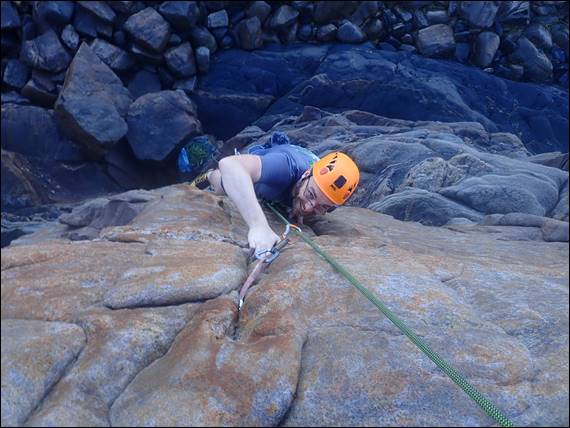
This short interlude provided a bit more rest time, before we hit our next line. This time I didn’t hold back placing a wire and then a cam, but of course also had to use the pink tricam. While Alan’s brain could see the moves, it seemed that his arms and legs were misbehaving and not doing what they were instructed. The problem wasn’t his internal communications but, in addition to what he claimed were greasy holds, that his forearms were shot. His hands were simply unable to hold on any long. He dogged his way up the above line but the next one, which is the classic of the crag and a very fine corner, was simply too much:
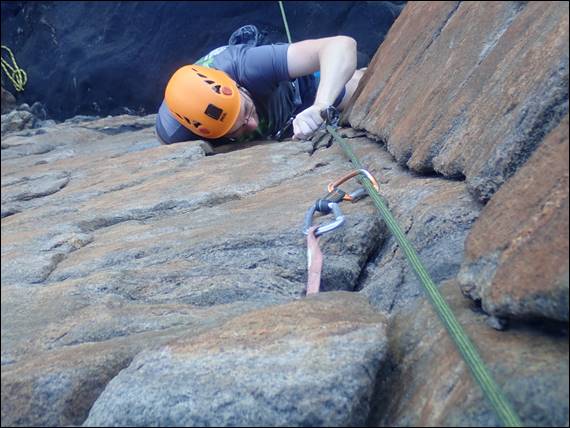
I wasn’t overly surprised, and was impressed that we had managed to get as many routes in as we did. But I wasn’t done, there was one more line I wanted to try that is mostly unprotected. I don’t recall leading it before, so I did today. I led it with a cam low down hoping to get the pink tricam in higher, but it didn’t fit. So I had to lead it again placing the pink tricam instead of the cam, taking a short video as evidence. After that, with Alan still at the base, we climbed out on one of the easier lines. And as we walked out it looked like the three boulders had also found some routes on which they, like Alan had managed on the last route, could hang onto the greasy holds:
 Sandbagged