I mention in my last post that I was hoping to get to a location I’ve not yet explored. This was planned with Esky, who today was instead heading out for a scuba in search of crays. So I put that idea aside and reached out to Geoff and Nana, and they were keen to head out. The Capel River hasn’t completely stopped flowing yet, meaning there was still a vague channel connecting the river and ocean. While there wasn’t much depth of water in it most people were not risking taking their cars across it, instead launching their boats right near the beach access:
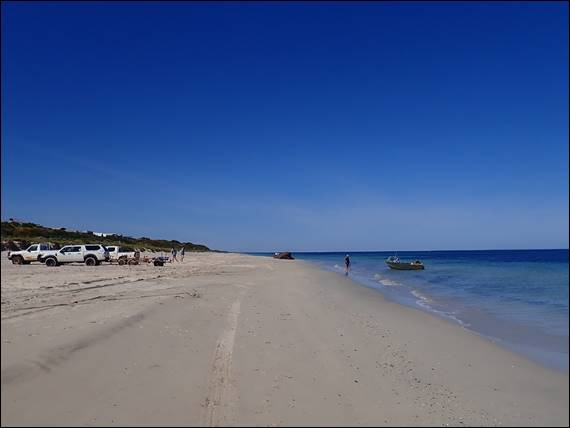
Esky’s car was there too, and we also didn’t risk the river crossing. Like last weekend the initial plunge left cool as the water started to seep into the wetsuit, but that soon passed. Despite being early it felt like the wind was already starting turn. We swam out and westwards going against the current, not that there was much of it to compete against. The reef here isn’t all that good, but it improves as you go west. However, like last weekend it felt like the ocean hadn’t fully responded to the changing season and everything seemed a bit quiet:

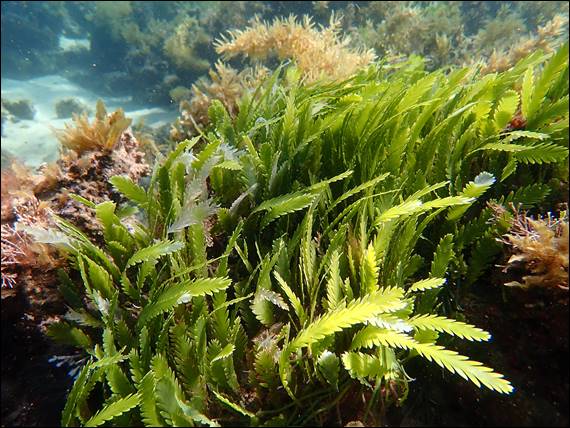
Some fish were about, but it was mostly the sea stars that once again caught my attention. The above I believe is a type of Bat star (patiria pectinifera), even though it looks quite different to the one I saw last week. A key reason for thinking it is a Bat star being the scale-like roughening on the upper body, which I have found out is called the aboral surface. These usually have five arms but can occasionally be found with four or six, and on rare occasions even seven. There are some sea stars that can have up to twenty limbs:

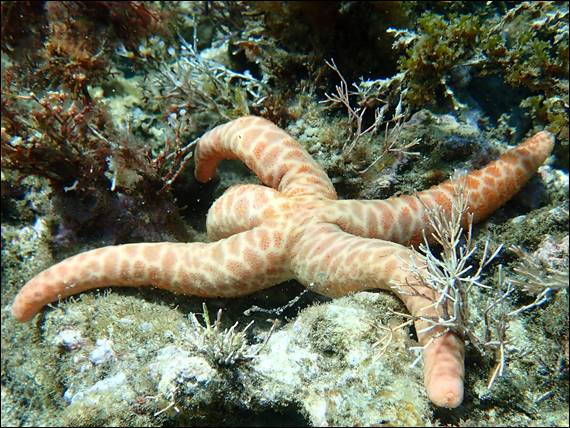
The above is a close up of a sea star that despite it’s very distinct patterning I have not been able to identify. The image does however show very clearly the small tubes, or papule, protruding from the aboral surface. I mentioned these last season and their thin walls allow an exchange of gasses, both to allow the sea star to breathe oxygen in and exhale carbon dioxide, as well as other waste gasses, out. The oxygen rich fluid within its body is then moved round a cavity inside the body over its organs, by hairs, or cilia, that line the walls of the cavity:
As a result of the way they breathe they cannot breathe if taken out of the water, and most species can only hold their breath for half a minute. A bit like how long I seem to be able to, at the moment, when I duck dive down. This is a good reason for not taking them out of the water to inspect, when you find them. I was also a bit surprised to find out that on average they can live for 35 years. This next skin coloured one, Pale Mosaic Seastar (Echinaster arcystatus), I have found a few times. I always love seeing these as their arms being rounder in cross-section and flabby make them quite different:
Next up, I am more certain of this Mosaic Sea Star or Vermillion Biscuit Star (Pentagonaster dubeni). They look really colourful and pretty as a whole, so I have not before bothered to take any close up images, which again shows the protruding papule. In the animal kingdom bright colours will often indicate danger, but some edible species have taken on the bright colours of poisonous species to deceive their predators. While they are in the Animalia kingdom, sea stars are echinoderms, which means “spiny skin”. And as such are related to sea urchins and sea cucumbers, which is why the term starfish is being replaced with sea star:

The next image is of a Red Sea Star or Cushion Star (Petricia vernicina), probably the most common species I see off our beach. One of about 1,800 identified species of sea stars that can be found in the world’s oceans. They live in depths of up to 6.00 meters and can be found in tropical and cold waters, including polar waters. There is one last fact, which follows on from my last post and that is how they feed. There are two methods. The detritivore species that collect and take decomposing organic matter in via their mouth, but the second is more common:
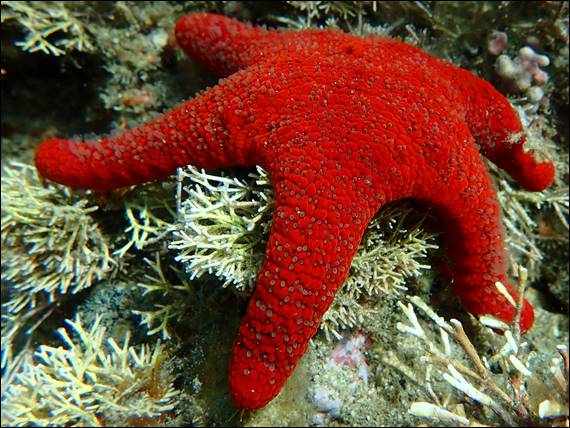
I detailed before how they cover the food source with their stomach. Well to do this scavenging or carnivorous species actually turn their stomach inside out, ejecting it from their body. The soft tissue parts of the prey are covered and then partially digested, and the rest is dissolved and the soup like substance is then drawn back into the body. It’s a slow process and can take up to ten hours to complete, and allows sea stars to prey and feed on creatures bigger than them. Thinking about this their cuteness factor is somewhat reduced:
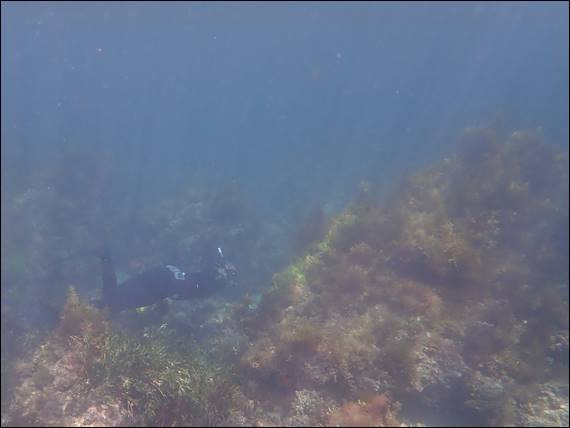
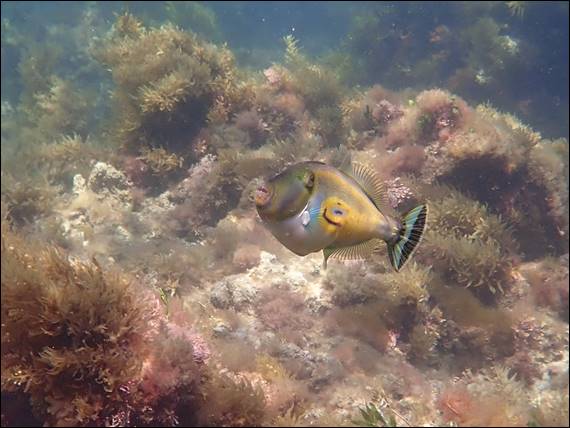
Nana, Geoff and I looked about a lot today but it was not until we were getting cold that we started to come across ground with more marine life. Shoals of grunters, bullseye, sweeps, herring and quite a few other species in fewer numbers. Including a large flathead hiding in the weed that was way too quick and darted off as I approached it. This very colourful Horseshoe Leatherjacket did however keep coming back for a look, but our time was up by then. Or should I say our body temperatures were getting low, and we started our swim back to shore:
 Sandbagged